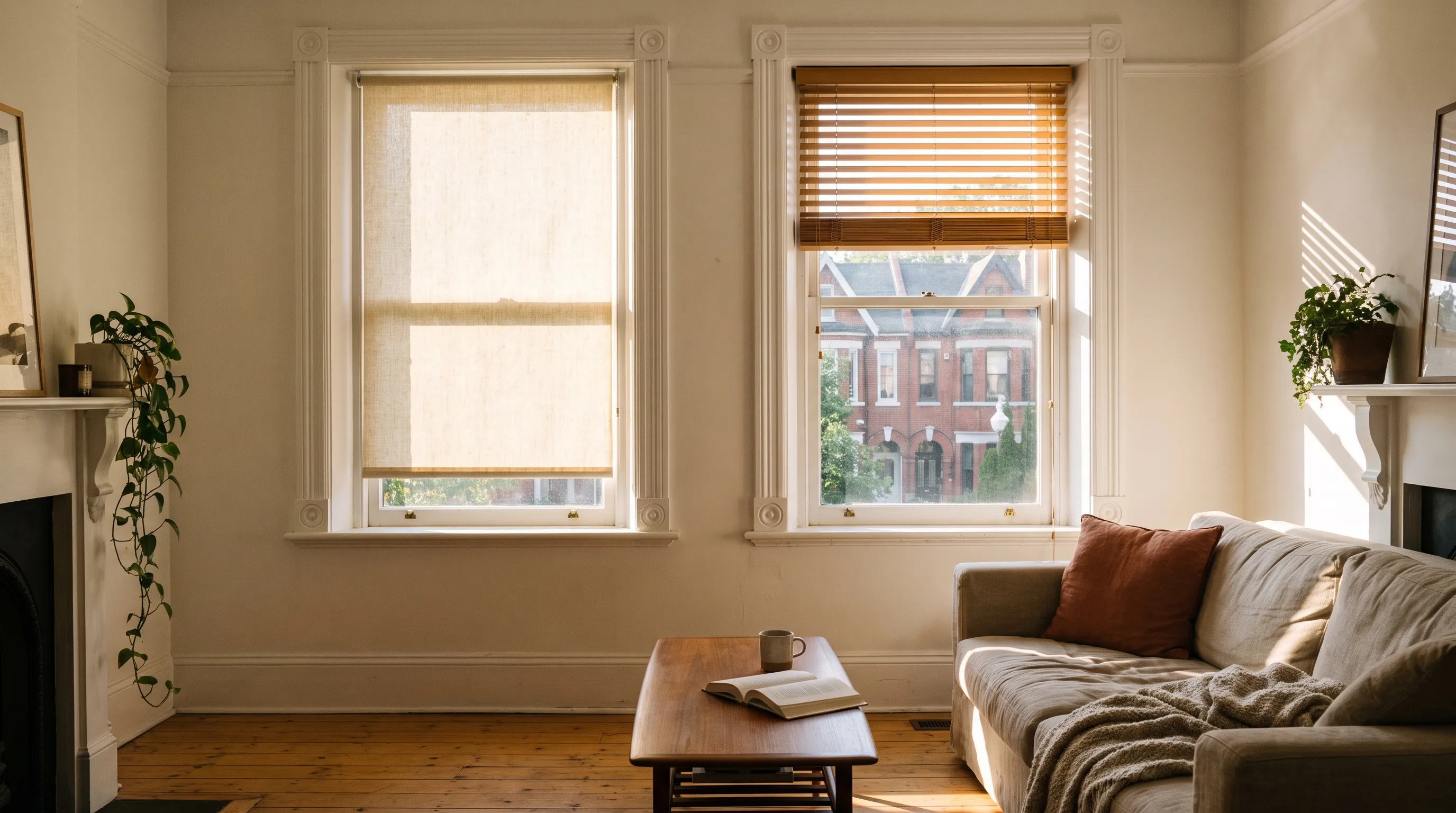
Blinds in Toronto
Made-to-measure blinds and shades across Toronto, measured in your own rooms and installed by the same people who took the numbers.
Blinds Company · Rated 4.8 out of 5 on Google
Free in-home measure · open 8am–9pm, 7 days
In short
We measure, make and install custom blinds and shades throughout Toronto. Every opening is measured three times across and three times down, and the visit costs nothing.
Book
Let's measure your light.
We come to you, measure at your own windows, and go through fabrics and fits together. The visit costs nothing.
$99 off when you order three or more blindsApplied to your written quote at the measure.
Rather just talk?(437) 782-5452Open 8am–9pm, 7 days
Old houses are not square
Toronto’s housing stock is the reason we measure every opening three times across and three times down rather than once. In a Victorian in Riverdale or a wartime semi off the Danforth, half an inch of difference between the top and the bottom of the same window is normal. The frame has moved, the plaster has been patched, the sill has been replaced by somebody who was working to a different idea of level.
A blind cut to the average of those numbers binds at the narrow point. A blind cut to the tightest of them fits everywhere. That is the whole trick, and it only works if the person taking the measurements is the person who will be standing there with the drill.
What each part of the city tends to need
There is no single Toronto answer, because the buildings are not the same.
Downtown and the newer towers — floor-to-ceiling glass, shallow reveals, and a board that may have opinions about anything visible from the street. Wide spans, so the question is usually whether one blind or two, and where the join falls. Reveal depth decides whether a channelled blackout is even possible.
The east end — Leslieville, Riverdale, the Danforth. Older openings, bay windows measured as three or five separate windows rather than one, and a lot of west-facing front rooms that are unusable between four and six in July.
Midtown and Leaside — larger sash windows, more interest in fabric than in mechanism, and a lot of rooms where drapery layered over a shade is genuinely the right answer rather than an upsell.
The west end — High Park and the Junction. Deep reveals that take side channels well, which makes proper blackout straightforward in bedrooms.
We manufacture, we do not resell
The blinds are made under our own name, to the measurements taken in your home. There is no third-party brand on the headrail and no brand markup in what you pay. What you are buying is the fit, the fabric and the fact that one crew owns the whole job from the tape measure to the level.
Two things that only come up in this city
Condo boards. Anything visible from outside is usually the board’s business, not yours, and the rules differ building to building. Some specify a white or off-white backing on every window facing the street so the façade reads uniformly; some say nothing at all. It costs one email to find out and it is worth sending before you choose a fabric, because the backing colour is not something that can be changed afterwards.
Radiators under the sill. A great deal of Toronto housing still heats from a cast-iron radiator sitting directly beneath the window. A blind that ends at the sill is fine. One that hangs past it traps heat against the glass, which wastes the heat and, on a fabric shade, will discolour the cloth along the bottom edge over a few winters. Where we find one we mount to the sill and say why.
Parking, stairs, and the practical side of an old street
The window is rarely the hard part in this city. Getting to it sometimes is, and it is worth saying plainly because it affects how a job is booked rather than what it costs.
Permit parking streets. Large parts of the old city have no unrestricted on-street parking at all during the day. That is not a problem — it is a reason the booking is a specific time rather than a four-hour window, so a van is not circling Roncesvalles with a load of blinds in it.
Third-floor rooms in a semi. A narrow staircase with a turn at the top is the one place where a long assembled blind physically will not go, and it is why a very tall blind for an attic room sometimes arrives in a different configuration from the one downstairs. We check the stair at the measure on anything over about 2.4 metres.
Buildings with a service entrance. In the towers, the certificate of insurance and the elevator booking are the two things that take longer than the fitting — see the Mississauga page, where that process is set out in full, because it is identical across every building we work in.
None of this is interesting, and all of it is the difference between one visit and two.
What a Toronto quote should tell you
Worth setting out, because quotes in this trade vary enormously in how much they actually say, and the differences between two numbers are usually hiding in what is not written down.
A line per opening. Not a room total and not a house total. In a house with twelve windows you should be able to see what each one costs, because that is what lets you do the bedrooms now and the front room later.
The mount, stated. Inside or outside, for each window. This is the decision that cannot be changed afterwards and it is the one most often left off.
The fabric name and the openness or opacity. “Blackout roller” is not a specification; a named cloth with a stated performance is.
The mechanism. Spring, chain, wand or motor, and if a motor, whether battery or wired and who is providing the power.
What happens if it does not fit. Ours says the remake is on us because we took the numbers. If a quote is silent on that, it is worth asking who carries it.
We are not suggesting anybody else is hiding something. We are saying that two quotes are only comparable when both list those five things, and most do not.
Old windows, new windows, and what changes
The city’s housing splits roughly into three, and each one changes the specification rather than just the size.
Pre-war brick. Wood frames, deep reveals, plaster that has moved. Deep reveals are good news: they take an inside mount comfortably and hide a headrail completely. The movement is the catch, and it is why every opening gets measured three times across and three times down.
Post-war and suburban. Vinyl or aluminium frames, shallower reveals, and often a large window in a small room. This is where an outside mount earns its keep, because it covers a reveal that has nowhere to land a bracket and makes the window look bigger than it is.
Condo glass. Floor-to-ceiling, minimal reveal, and sometimes no reveal at all — the blind mounts to the ceiling or to a bulkhead. Depth is the constraint that decides everything here, and it is measured to the millimetre because there is usually nothing to spare.
None of that is exotic. It is the reason a measurement taken by somebody standing in the room beats a form asking for width and drop.
The porch, and the window behind it
A very large share of Toronto’s older housing has a covered front porch, and it changes the front rooms more than anything about the glass does.
A porch roof is a permanent horizontal shade sitting a metre or two in front of the window. It removes high summer sun almost completely — the sun is steep in July, the roof intercepts it, and the room behind never has the glare problem its orientation would predict. In winter the sun is low, comes in under the roof, and reaches several metres into the room.
So a south-facing front room behind a porch behaves like a north-facing room from May to September and like a south-facing one from November to February. That is the opposite of the seasonal pattern most fabric advice assumes.
Two practical consequences. A tight screen chosen for “south-facing” will make that room gloomy for the half of the year it did not need help. And the months when it genuinely does need help are the ones when you least want to lose light — which argues for something adjustable rather than a fixed filter, and is one of the reasons a zebra or a venetian earns its place on a Toronto porch front.
The second thing a porch does is take away the privacy argument. A window set back behind a porch is already hard to see into from the sidewalk at an angle, so the front room’s real exposure is smaller than it feels. Worth checking by standing on your own pavement before paying for a fabric that solves a problem you do not have.
Semis, and the wall you share
Roughly half the older housing in the old city is semi-detached, and the plans are usually mirrored: your neighbour’s house is yours reversed.
The consequence people notice is that the two front rooms sit side by side, the same distance from the street, with a shared wall between them — so whatever the two households do at the window is on display as one elevation. That is not a rule and nobody is enforcing it, but it is worth a thought before choosing something that will look odd beside what is already next door.
The consequence people do not notice is that the mirrored plan means the side windows face opposite ways. Your side window looks at your neighbour’s wall a metre away; theirs looks down the side passage into open air. Two identically sized openings in identically built houses, and one of them has a light problem while the other has a privacy problem.
Which yours is decides everything, and it is a thirty-second check standing in the room rather than a question anybody can answer from a plan.
There is a third thing specific to semis and worth knowing about: settlement is often asymmetric across the party wall, because the two halves have frequently had different work done underneath them. It is common to find that the windows on the party-wall side of a semi are further out of true than the ones on the open side.
Laneway and garden suites
Toronto has permitted laneway suites since 2018 and garden suites since 2022, and we now measure enough of them for the pattern to be worth writing down.
They are small buildings, usually with a great deal of glass relative to floor area, and the windows are doing several jobs at once: light in a small space, privacy from a lane or a neighbouring garden that is genuinely close, and often ventilation because the mechanical provision is modest.
Three things come up every time.
Nothing can waste space. A blind whose stack eats a fifth of the drop is a real loss in a room this size, which is why rollers and honeycombs dominate here and romans rarely make sense.
Privacy is at close range and often at eye level. In a laneway suite the window may face a neighbour’s rear window across six or eight metres. That is the case where a screen’s day-and-night reversal is most obvious and most consequential, so the honest answer is usually something that can be closed properly rather than something translucent.
Ventilation matters more than usual. Windows in these buildings get opened, and a blind that flaps or blocks the opening gets pushed aside and stays there. Weighted bottom bars and blinds mounted clear of the sash are worth specifying deliberately.
The paperwork question we get asked: no, the blinds are not part of the permit, and no, nobody needs to inspect them. Whatever was required for the building was settled long before we arrive.
Stained and leaded glass, and when to leave it alone
The older streets have a good deal of original decorative glass — a leaded transom over a front door, a stained panel in a stair window, small divided lights in a bay. It is worth a paragraph because the default trade answer is to cover everything, and here that is frequently the wrong one.
Decorative glass is doing a job the blind would take away. It obscures without darkening, which is exactly what a front hall or a stair landing wants, and it does it without anybody adjusting anything. Putting a blind over a stained panel is putting a filter in front of a filter.
So on those windows our default recommendation is nothing at all, and where something is genuinely needed — a stair window that throws afternoon sun onto a wall, a transom above a bedroom door — the answer is usually a blind mounted above and outside the decorative element, so it clears it entirely when raised.
The exception is a transom above a bedroom window, where light leaking over the top of the main blind will keep the room from going dark. There the small second blind is not optional, and it wants to be as unobtrusive as the glass it is covering.
One practical warning. Original glass is held in lead came or in a putty rebate that may be a century old, and neither takes a screw. Any fixing near decorative glass goes into the surrounding timber or into the wall, never into the frame around the panel itself, and if there is nowhere sound to fix, we will say the window cannot be covered rather than find somewhere.
When the honest answer is a curtain
We make curtains as well as blinds, so this is a recommendation rather than a referral — and we would rather move you onto the right product than sell a blind into a room where it will disappoint.
Three cases come up in Toronto houses.
A very tall window in a formal room. A blind on a four-metre drop is an enormous amount of fabric on one mechanism, and even done well it reads as a large flat surface where the room wants softness. A curtain — or a blind for the light and a curtain for the room — is often the better answer.
A room with serious draughts. An old window with a poor seal loses heat by air movement, and a blind hanging on brackets does very little about that. A lined, interlined curtain closing against the wall on both sides does a great deal.
A window nobody will ever operate. If the covering is decorative and permanent, fabric hanging still is cheaper and more forgiving than a mechanism nobody uses.
Where a window gets both, the useful division is that the blind handles daylight and the curtain handles the evening and the cold — which is the arrangement most of these houses were designed around in the first place, and one visit specifies both.
The full version of that decision is on the curtains and drapery page.
Last updated .
Everything we make
The rest of the range, in Toronto.
Each is wrong somewhere. Its page says where.
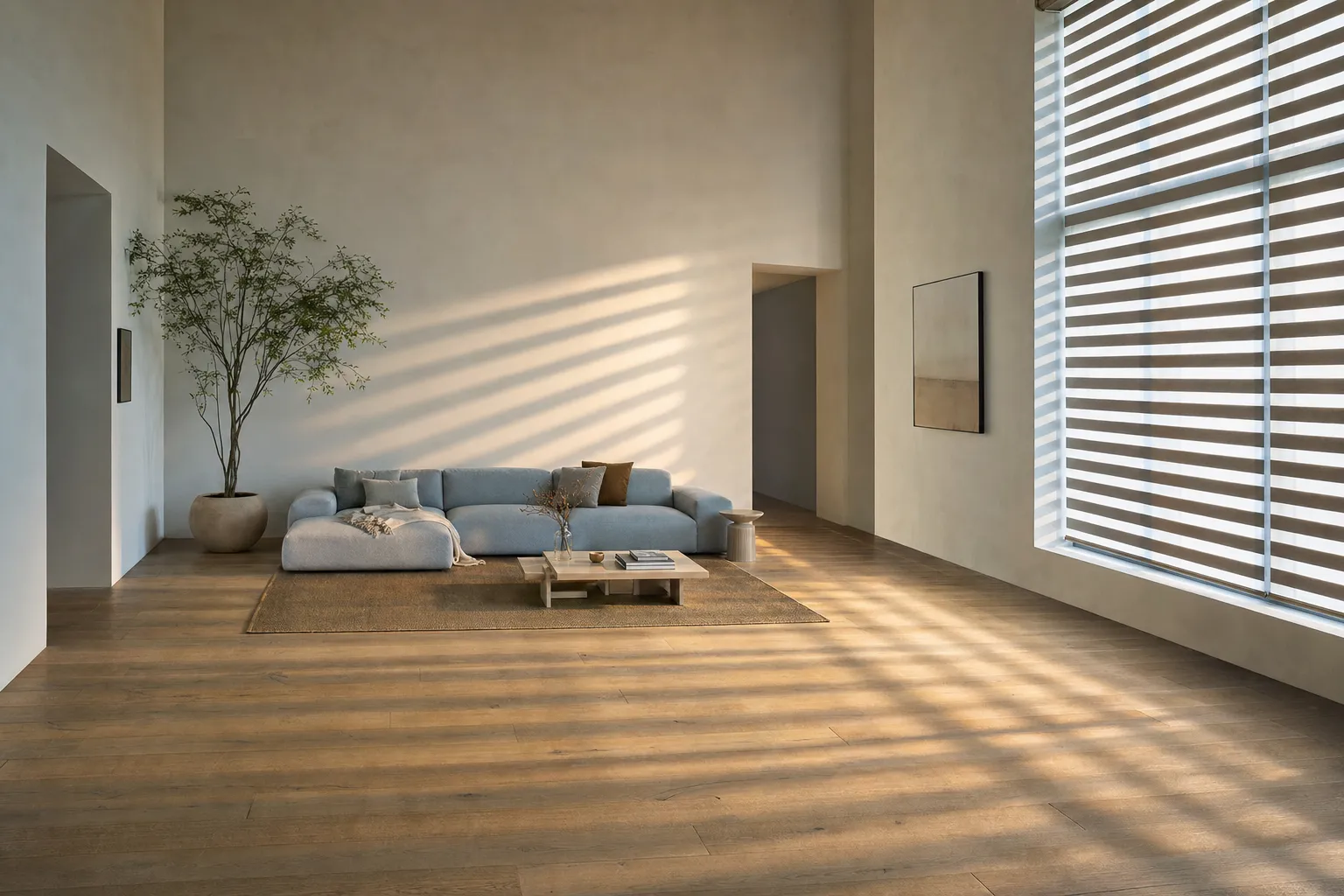
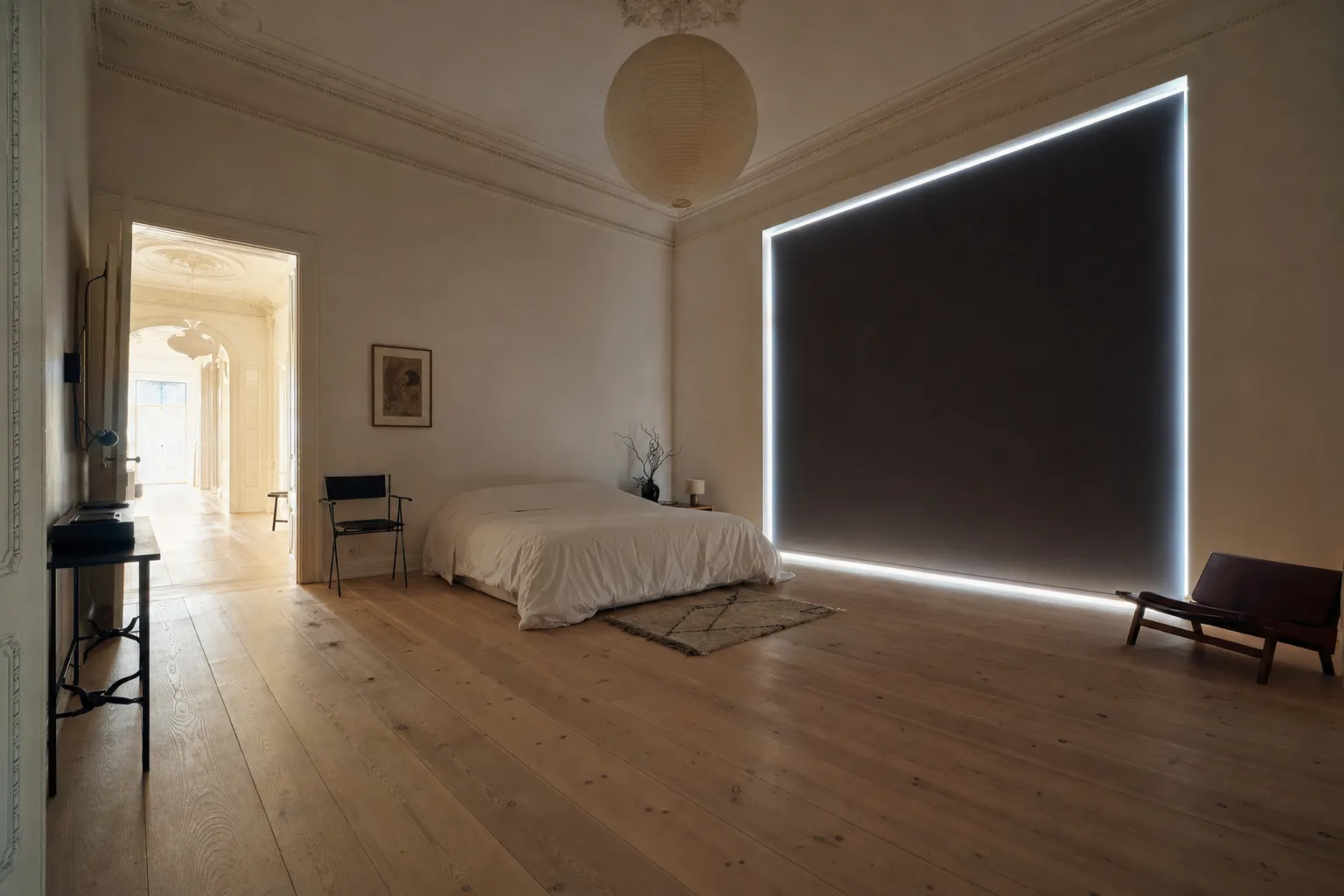
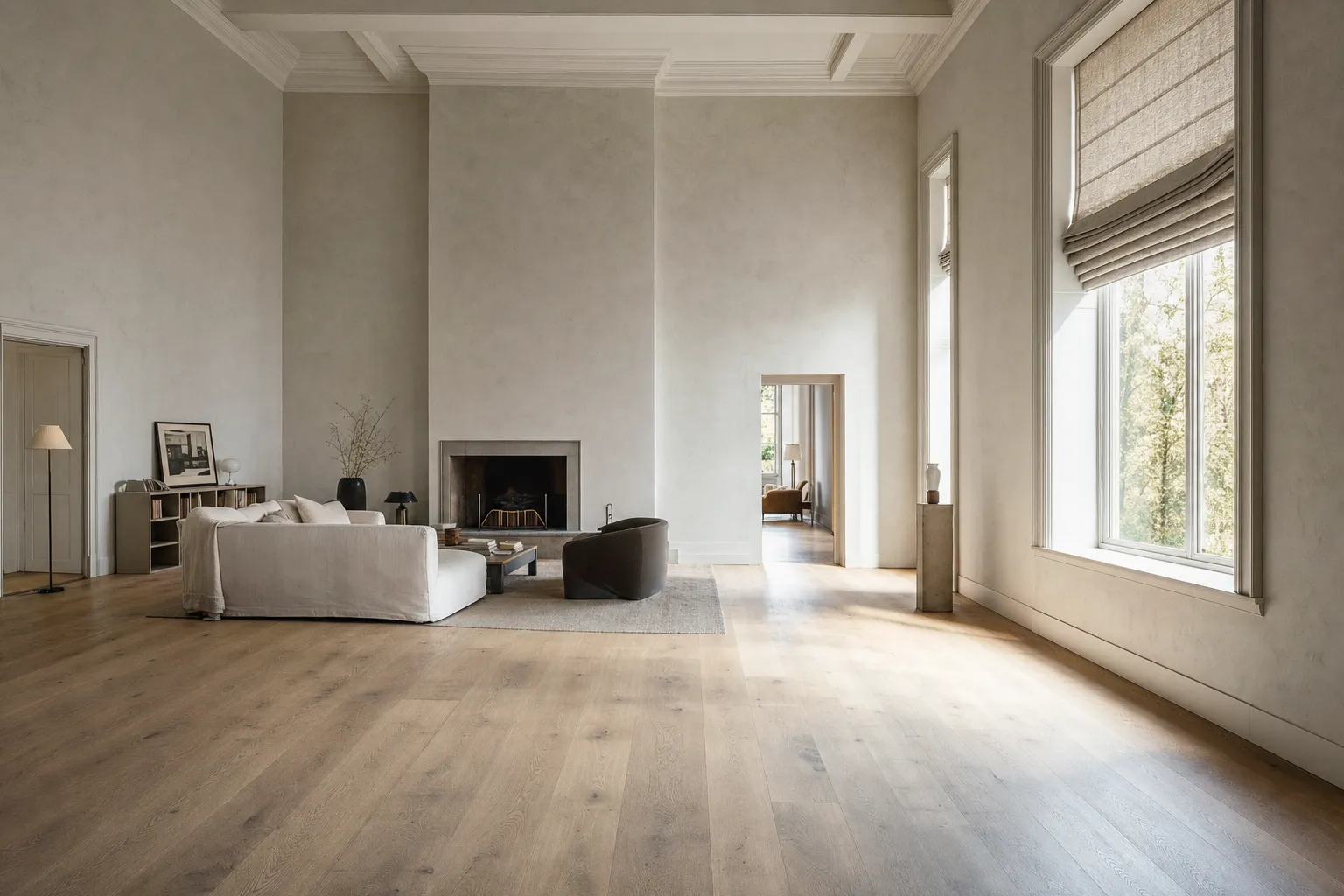
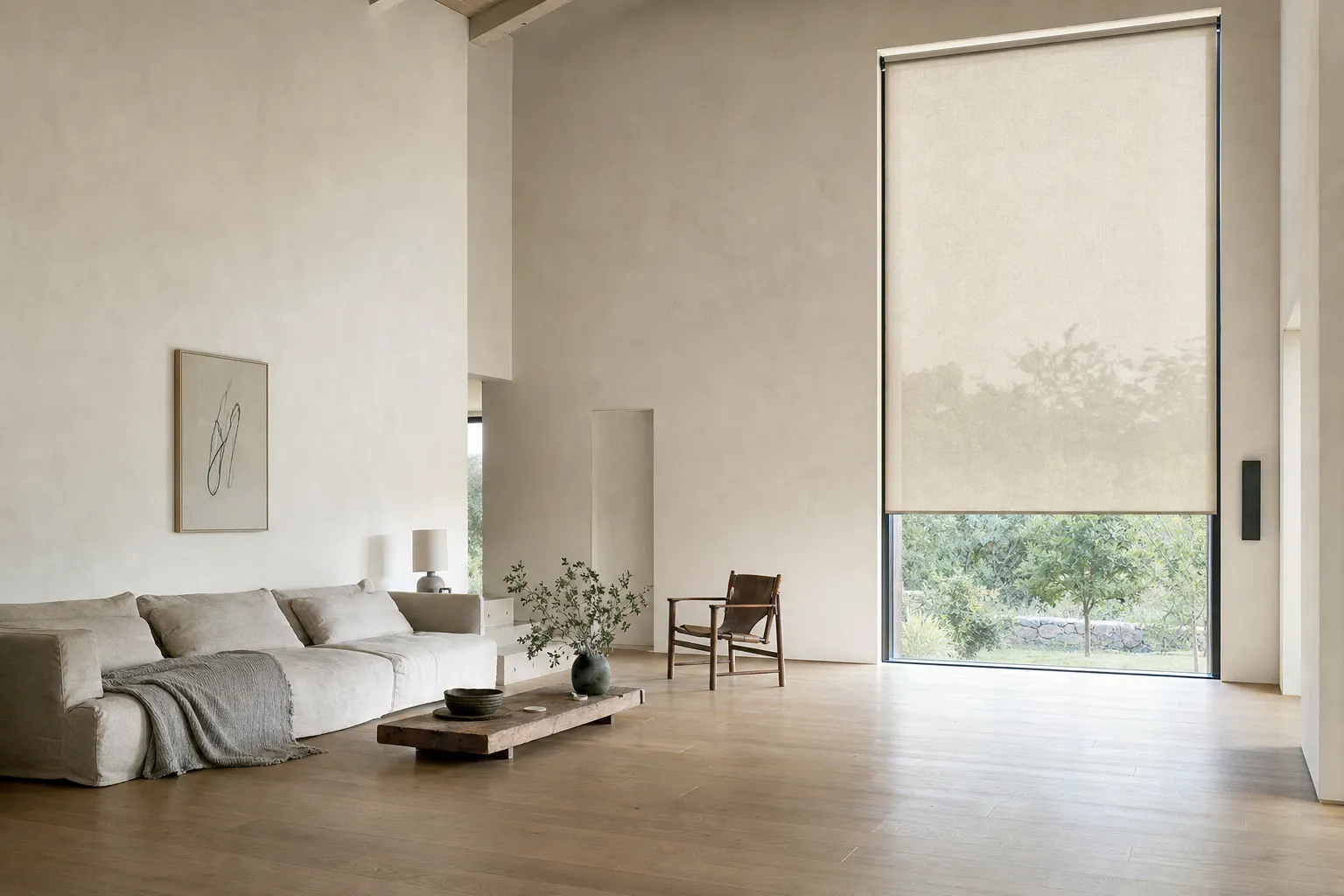
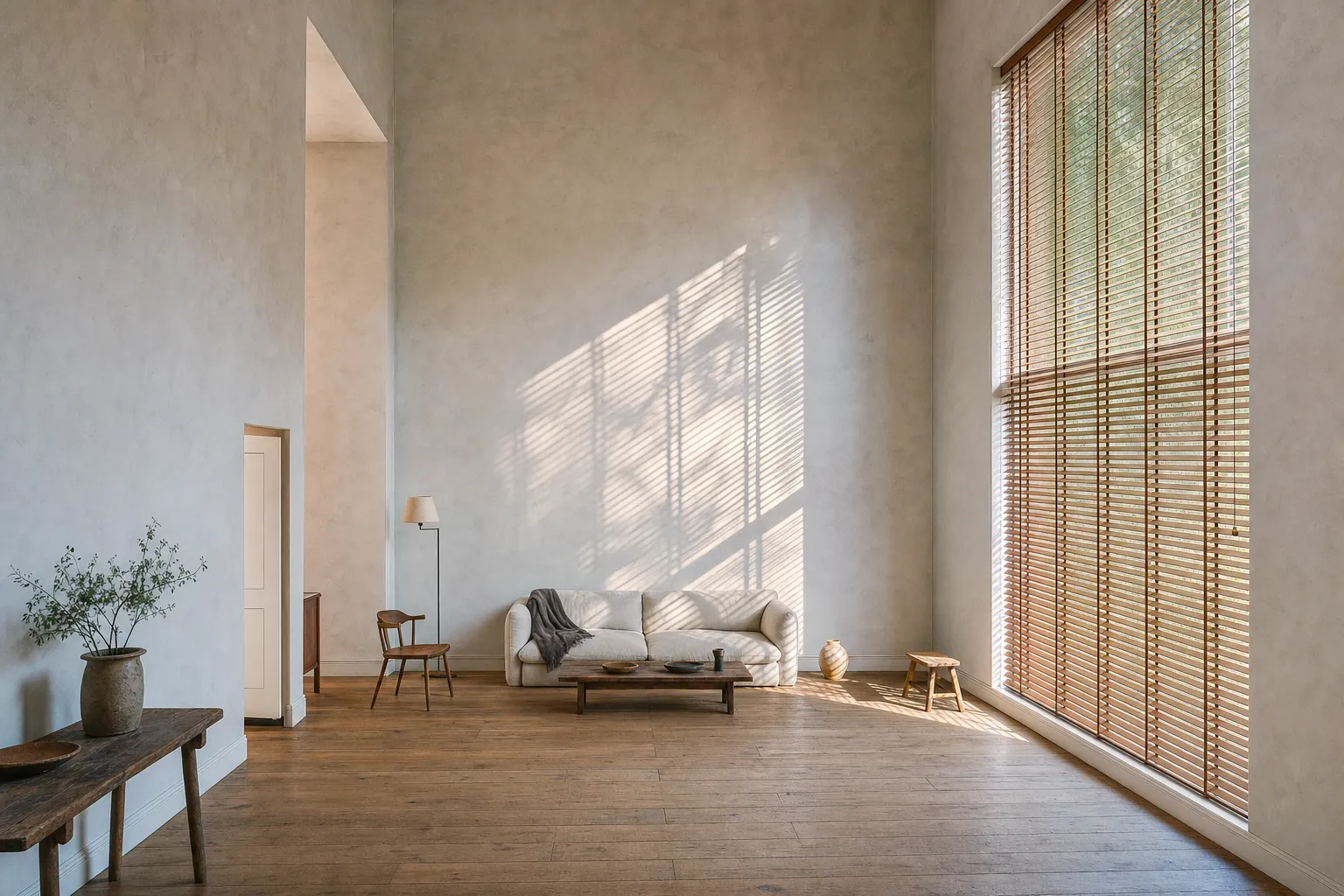
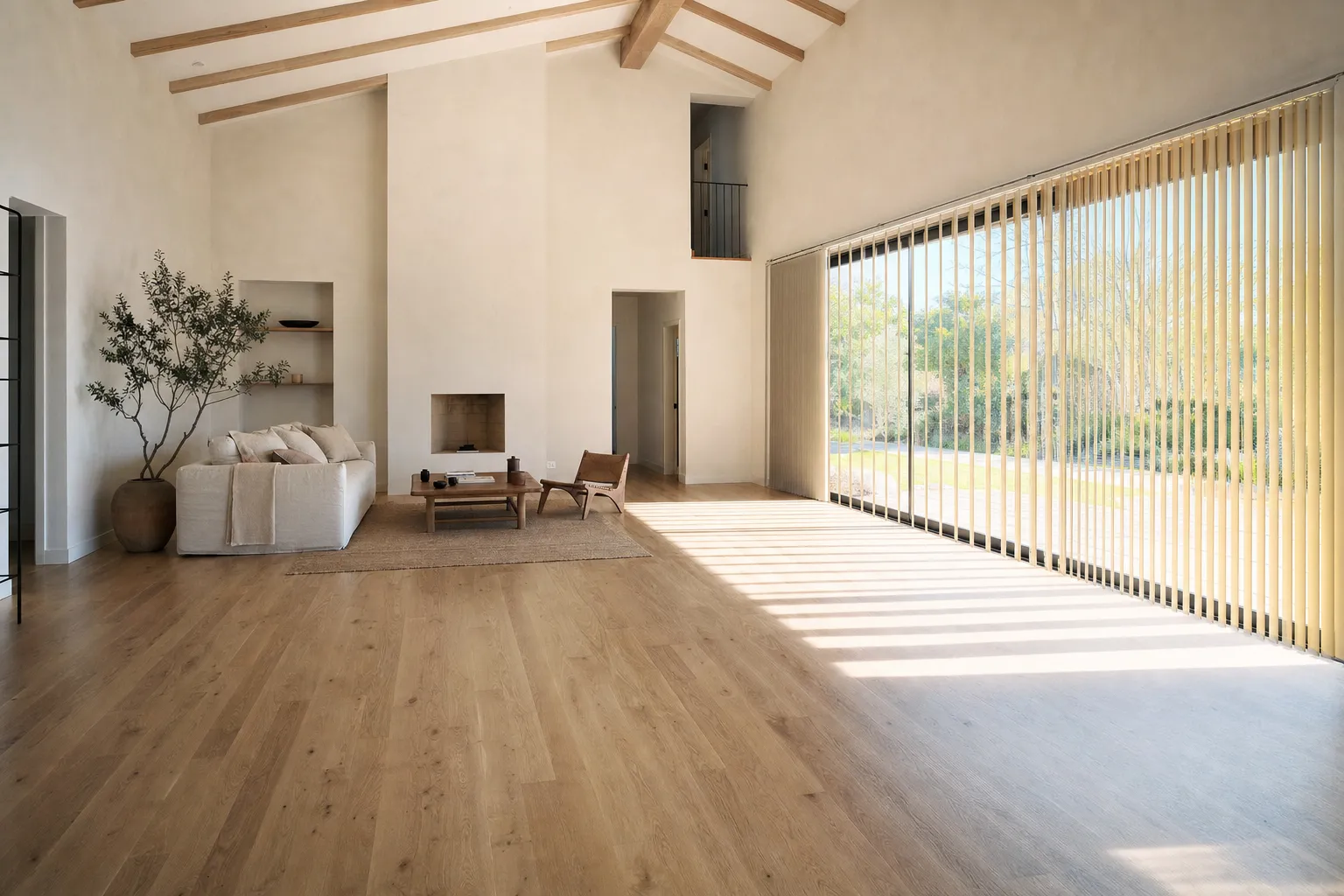
Century semi or condo glass, the tape settles it. The visit is free and takes an hour.
Our commitment
We measured your opening, out-of-true and all, so a bad fit is ours.
If it does not fit, we remake it
You never held the tape.
Nothing owed before you agree
No deposit, no card.
Licensed and insured
Both, before we come in.
Your date, in writing
Set at the quote. It does not move.
We will tell you not to buy
If a stock size does it, you hear so.
Cordless where a child sleeps
Standard, at no extra charge.
Reviews on Google
What people said afterwards.
Rated 4.8 out of 5 — the ones below are quoted in full, with a link to check each on Google.
Nick has delivered the greatest service as I recently moved in to my new townhome and needed to have blinds for all three floor windows. Not only the price was the best, but he accommodated all my requests in the process. Definitely worth every penny
Anton KovunovI was blown away by the exceptional customer service from Blinds Company! Their staff was knowledgeable, friendly, and helped me find the perfect blinds for my living room. The installation was quick and flawless. I highly recommend them!
Merdan Berdiyev
Real names, real dates, and a link to all of them — including the ones we would not have picked.
Read them on GoogleQuestions
Before you book
Do you charge for the visit in Toronto?
No. The measure, the samples, the advice and the written quote cost nothing, and there is no deposit. If the honest answer is that your windows take a stock size and you would rather buy off the shelf, you will hear that at the door.
How long does a measure take?
Usually under an hour for a whole home. Every opening gets measured three times across and three times down, because square windows are rarer than people expect in this city's older housing stock.
Can you work in a condo with a concrete ceiling?
Yes. Fixings into concrete are routine; the thing that actually constrains a condo is reveal depth and whatever the board's rules say about anything visible from outside. Both get checked at the visit.
Which parts of Toronto do you cover?
All of it, plus the surrounding GTA. If you are just outside and wondering whether it is worth asking — ask, because routes change week to week.
Old Toronto windows are rarely rectangles, and that is fine — but it is not something to work out on a form. Ring and describe the room.