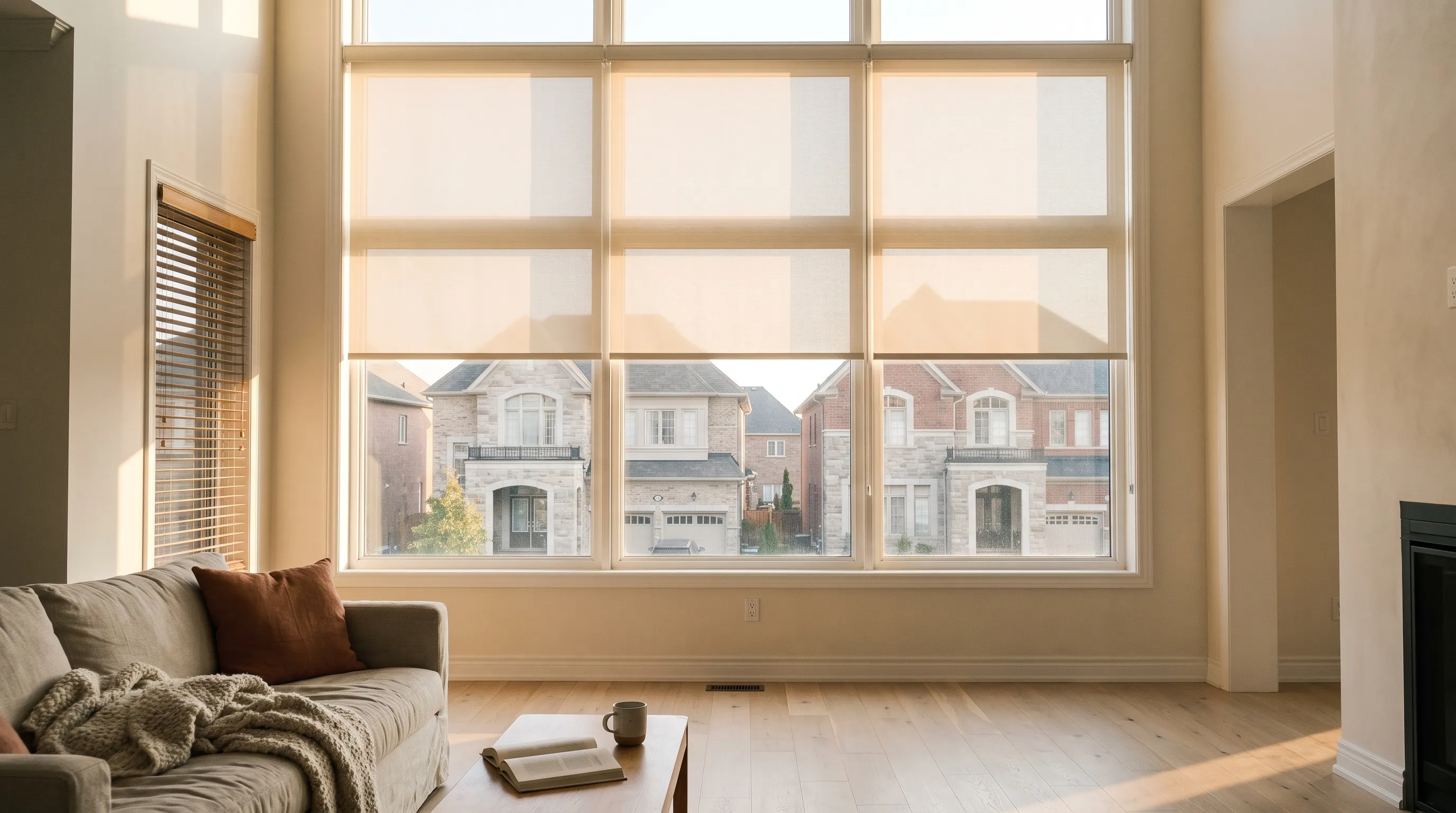
Blinds in Vaughan
Made-to-measure blinds and shades across Vaughan, where the houses are large and the windows are shapes — arched heads, transoms, angled gables. Measured in your own rooms and fitted by the people who took the numbers.
Blinds Company · Rated 4.8 out of 5 on Google
Free in-home measure · open 8am–9pm, 7 days
In short
More than anywhere else we work, Vaughan windows are not rectangles. Arched heads over front doors, transoms above ordinary sashes, angled glass following a vaulted ceiling and two-storey foyers with the window set high — the shape decides what is possible long before the fabric does. Some of these can be covered properly, some can only be covered badly, and knowing which is which is the reason the measure happens in person and costs nothing.
Book
Let's measure your light.
We come to you, measure at your own windows, and go through fabrics and fits together. The visit costs nothing.
$99 off when you order three or more blindsApplied to your written quote at the measure.
Rather just talk?(437) 782-5452Open 8am–9pm, 7 days
The city of shapes
Every place we work has its own recurring problem. In Vaughan it is that a large share of the windows are not rectangles, and a blind is a rectangle.
Drive through Patterson, Vellore Village or the newer parts of Woodbridge and count the front elevations with an arched head over the door, a half-round above a first-floor window, a transom band running above the main glazing, or a gable end glazed to follow the roof pitch. It is the prevailing architectural language here, and it was drawn by people thinking about the elevation rather than about what would eventually hang inside it.
That is not a complaint. Those windows are the best thing about these houses. But it does mean the first conversation at a Vaughan measure is almost never about fabric — it is about which of these openings can be covered in a way that works, which can be covered in a way that merely looks covered, and which are better left alone.
Arches: three answers, and only one of them moves
An arch over a front door or above a first-floor window has exactly three honest treatments.
A shaped fixed panel. Cut to the curve, held in the opening, and it does not move. It covers the glass completely, it looks intentional, and it is the only option that genuinely follows the shape. What you give up is operation: it is a permanent filter, not a blind. On a foyer arch that exists to put light into a hall, that is usually exactly right.
Stop at the spring line. A conventional blind fills the rectangular part below where the curve begins, and the arch stays bare above it. This is the cheapest and by far the most common result. It works when the arch is small relative to the window and when the light coming through the arch alone is not the problem. It looks wrong when the arch is large, because you have drawn a hard horizontal line across a shape whose whole point is that it has no hard horizontal line.
Mount above the whole thing. A single blind on brackets fixed above the top of the arch, dropping down over the shape entirely. When it is down, the window is covered. When it is up, the arch is visible again. What you accept is a headbox sitting above the arch, which on a two-storey foyer is often invisible from below and on a low ceiling is very visible indeed.
There is a fourth thing that gets sold and should not be: a fan-shaped pleated blind that opens and closes across the arch. They exist, they are mechanically clever, and in our experience they sag within a couple of years and never sit the same way twice. We do not fit them.
Angled glass, and why gravity is the problem
A gable end glazed to follow the roof, or a family-room window whose head runs up with a vaulted ceiling, is a different problem from an arch, and a harder one.
Every ordinary blind works because gravity pulls the fabric down flat against a vertical plane. On a raked window the plane is not vertical, so gravity pulls the fabric away from the glass. It hangs plumb while the window leans, and the gap at the bottom grows with the angle.
That leaves two workable answers. A shaped fixed panel again — cut to the triangle or the trapezoid, held in place, permanent. Or a cellular blind running on side tracks that physically hold it against the slope, which does move, and is the only moving product we will specify on a rake.
Anything else is a blind that will hang in mid-air, and the fact that somebody is willing to sell it does not make it work.
Transoms: usually a separate decision
The band of small windows above the main glazing is common here and it is worth deciding separately rather than swallowing it into the window below.
Running a single blind over both means the brackets go above the transom, which puts the roll high on the wall or into the ceiling and makes the whole covered area taller than the room’s proportions want. It also means every time you want to shade the main window you also lose the transom, which is often the only thing lighting the back of the room in the morning.
Two blinds — one on the window, a small one on the transom — cost more and look considered. Leaving the transom bare costs nothing and is frequently the right call, in particular in a room that faces north where the transom is contributing light and nothing else.
The exception is a bedroom. A transom above a bedroom window is a light leak that no amount of care on the main blind will fix, and there the small second blind is not optional.
The scale problem: big rooms, big spans
Vaughan houses run large, and width brings its own engineering that has nothing to do with shape.
A roller tube has to carry its own weight and the weight of the fabric across the span without bowing. Past a point that depends on tube diameter and cloth weight, the centre sags, the bottom bar stops sitting level, and the blind looks wrong even though every measurement was right. The answers are a larger-diameter tube, a heavier bottom bar, or splitting the opening into two blinds sharing a bracket line with the seam landing on a mullion where the eye already expects an interruption.
The same applies to verticals and to wide cellular blinds, and it is the reason a wide blind is not simply a narrow blind with more material in it. If a supplier quotes a four-metre roller without asking about the tube, that is worth noticing.
Two-storey foyers, and whether the window has a job
Nearly every larger house here has a window that exists for the elevation rather than for a room: the tall glass over the front door, the window following the stair.
The question we ask about those is whether it has a job. If the hall is uncomfortably bright in the afternoon, or the sun is landing on a floor finish that will fade, then it has a job and it needs something that moves — which at that height means a motor, because a bottom bar twelve feet up is not reachable and a pole is a device people use twice and then leave in a cupboard.
If it is simply an architectural window that nobody has ever wished were darker, a fixed shaped panel or nothing at all is the honest answer, and it saves the most expensive line on the quote.
We would rather ask than assume, because this is the single window where the difference between the right answer and the wrong one is the largest number on the page.
Kleinburg and the older streets
Kleinburg village and the older parts of Woodbridge are the exception to everything above: smaller houses, older frames, rectangular openings, and reveals deep enough to take an inside mount and hide the headrail completely.
Those get measured the way any older opening does — six numbers per window and both diagonals, because a frame that has been in place fifty or eighty years has usually moved a little, and a product ending in a rigid bar will show the movement as a widening line of light along the sill.
The pleasant part of that work is that the answer is usually simple. A deep reveal, a square-enough opening and a room with normal proportions is a window where almost any product can be made to look right, and the decision goes back to being about the room rather than about the geometry.
The towers at the Vaughan Metropolitan Centre
The newest category, and it behaves like downtown rather than like the rest of the city: floor-to-ceiling glass, minimal reveal, bulkheads along the window wall, and a building with rules.
Depth is the constraint, so plain rollers and honeycombs dominate. The building will generally want a certificate of insurance naming the corporation and a booked service elevator, and many specify what the window may look like from outside — a rule about the backing, satisfied by almost any range, but worth reading rather than guessing.
Templating a curve, which is not the same as measuring one
A shaped window cannot be described by a width and a drop, so the visit for one is a different procedure and it takes longer.
An arch is defined by three things: the span at the spring line, the rise from that line to the crown, and whether the curve is a true segment of a circle or an ellipse. Those sound interchangeable and they are not — an elliptical head cut as a circular one is wrong by a few millimetres at the shoulders, which is exactly where the eye lands. A builder’s drawing will often say “arched”; the window itself will tell you which kind.
For anything irregular — a trapezoid following a roof pitch, a head that is neither a clean arch nor a clean angle — the measurement is a physical template rather than a set of numbers. Card, held against the opening, cut back until it sits inside the reveal, marked and taken away. It is old-fashioned and there is nothing better.
That is the practical reason we would rather see a shaped window than be told about it on the phone. Two people can describe the same arch three different ways, and the piece of card cannot.
The advice we give most often here
Decide the shapes first and the rectangles afterwards.
The shaped windows are where the money is, where the constraints are real, and where a wrong decision is permanent. The ordinary bedroom windows will still be ordinary next month and almost any competent answer will serve them. Working the other way round — doing the easy rooms, then arriving at the foyer arch with the budget spent — is the sequencing mistake we see most often in this city, and it is the one that leaves the best window in the house bare.
Last updated .
Everything we make
The rest of the range, in Vaughan.
Each is wrong somewhere. Its page says where.
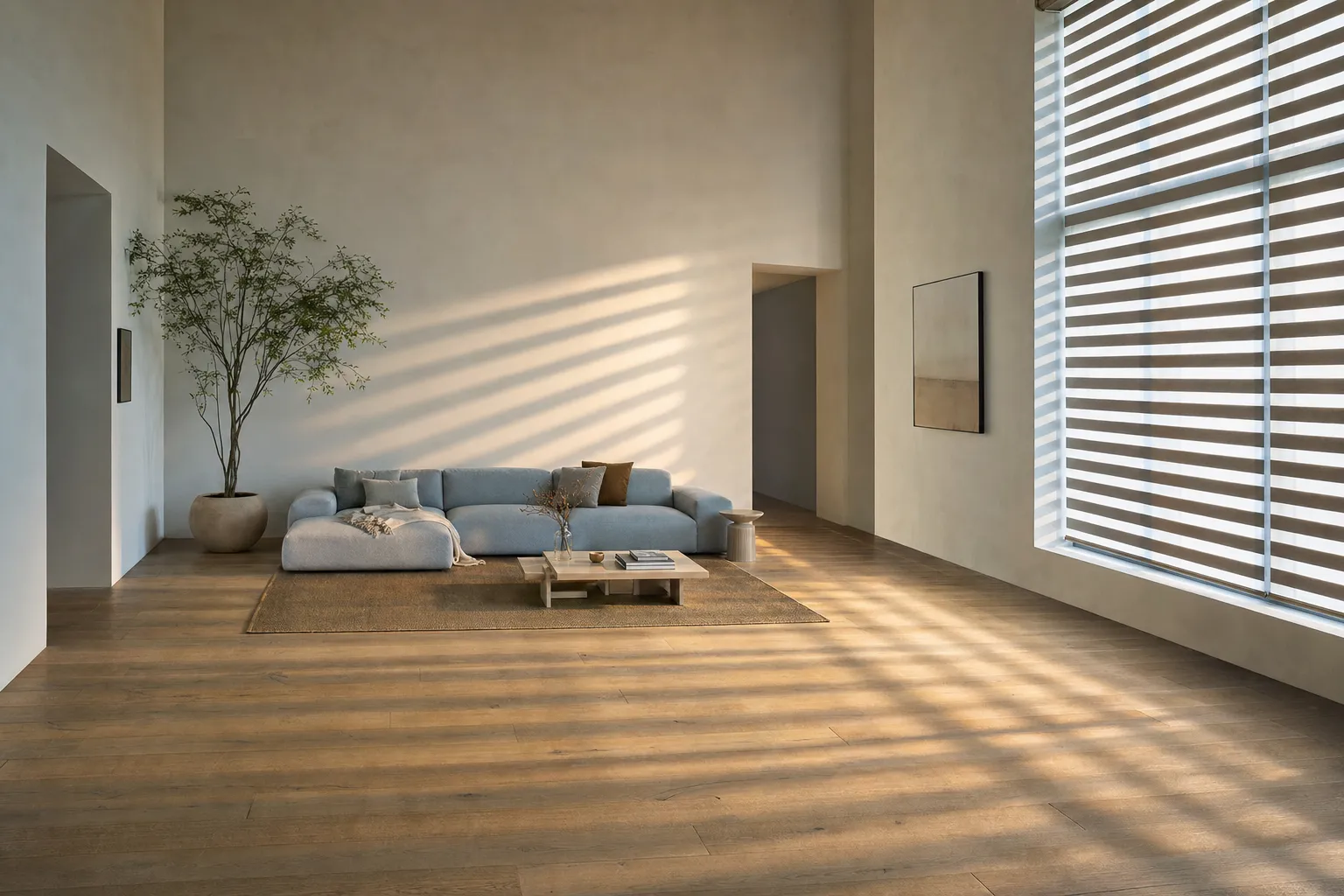
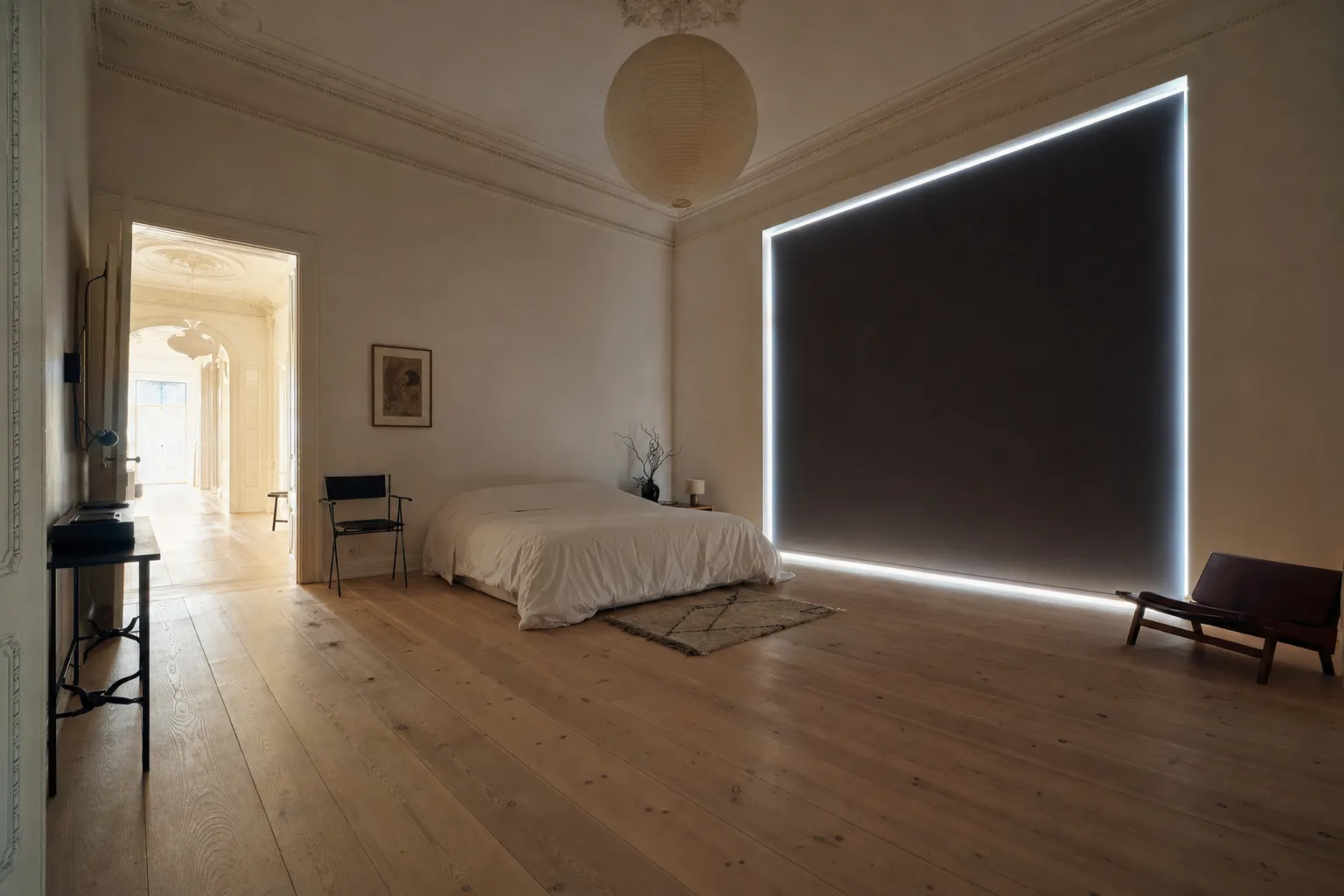
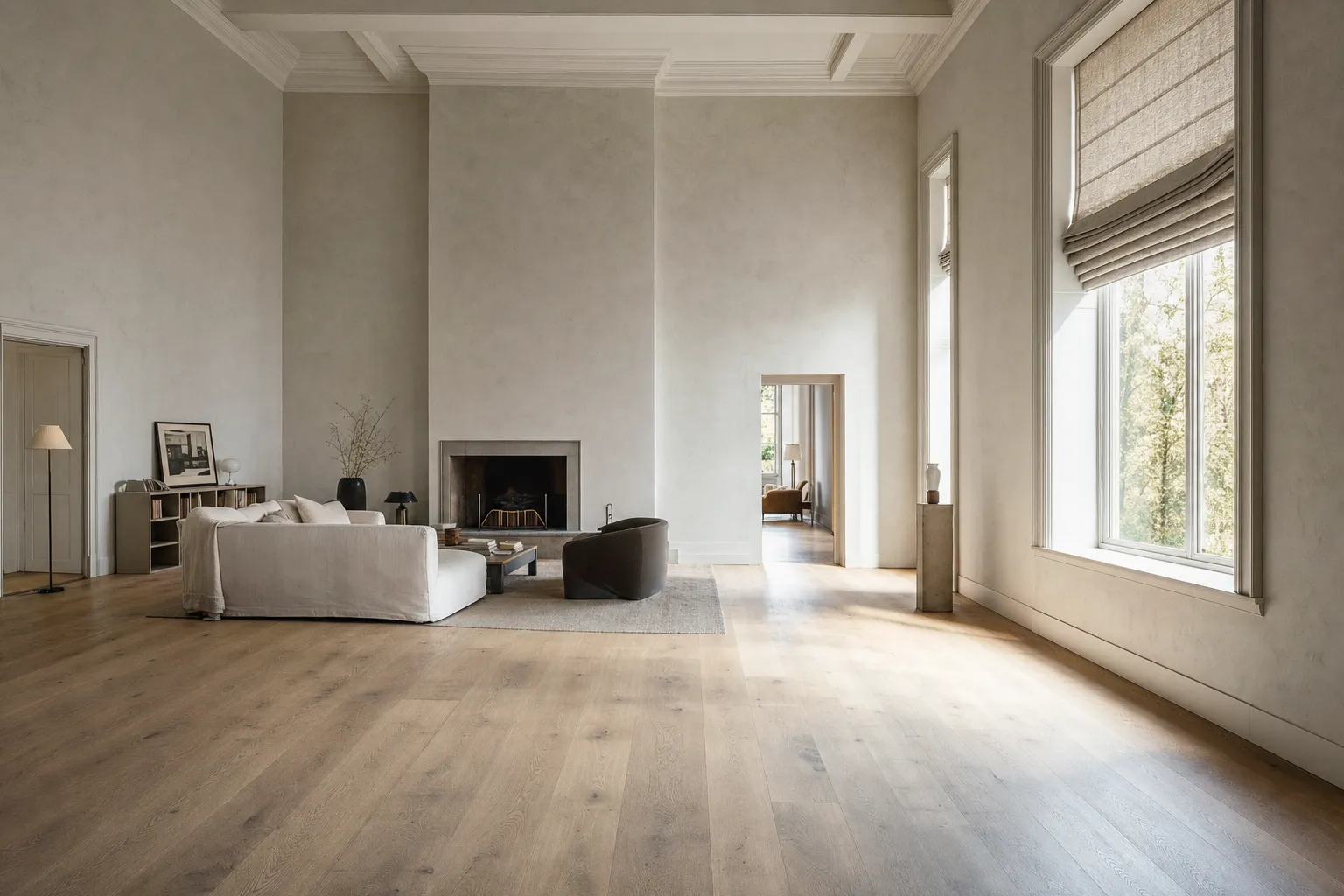
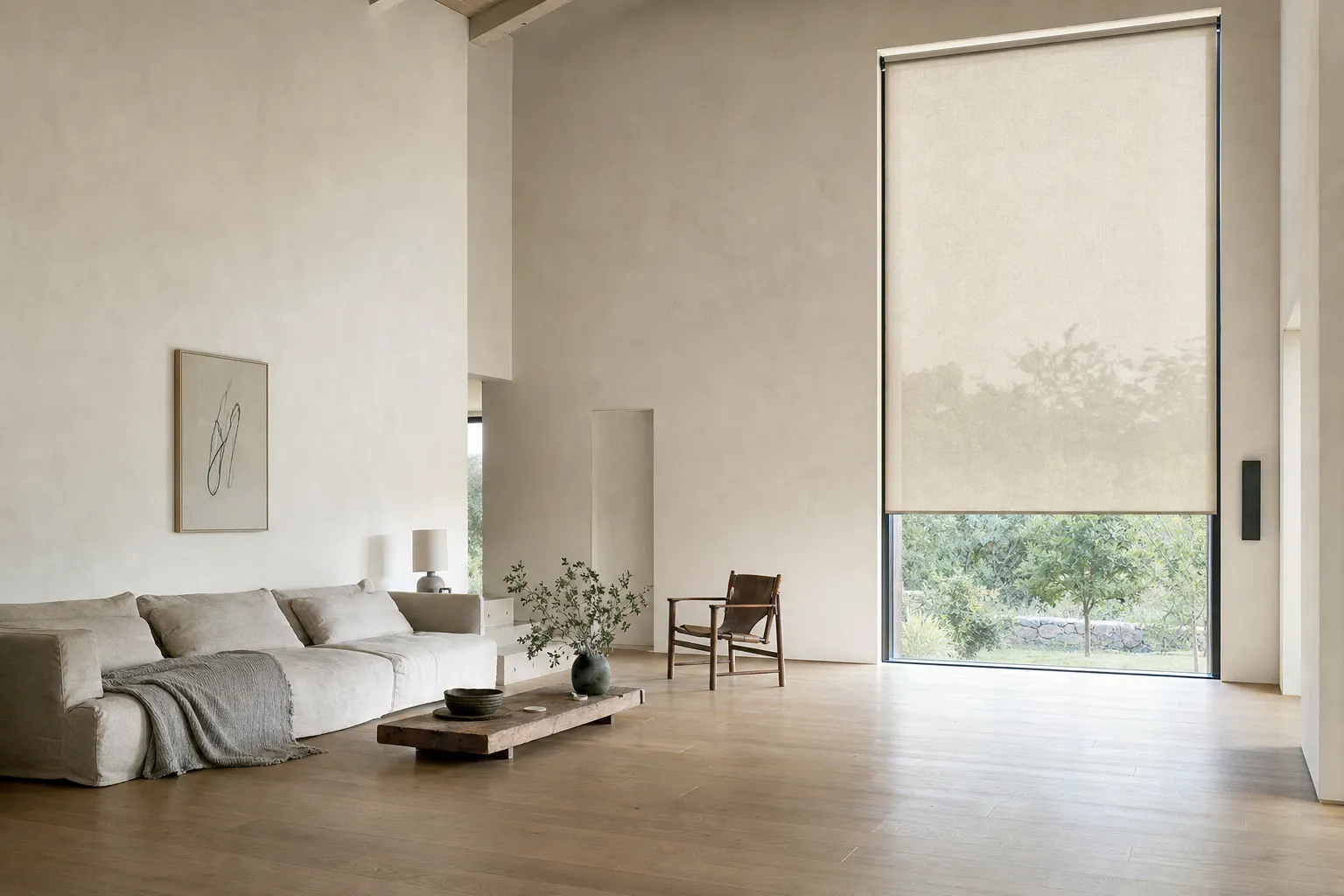
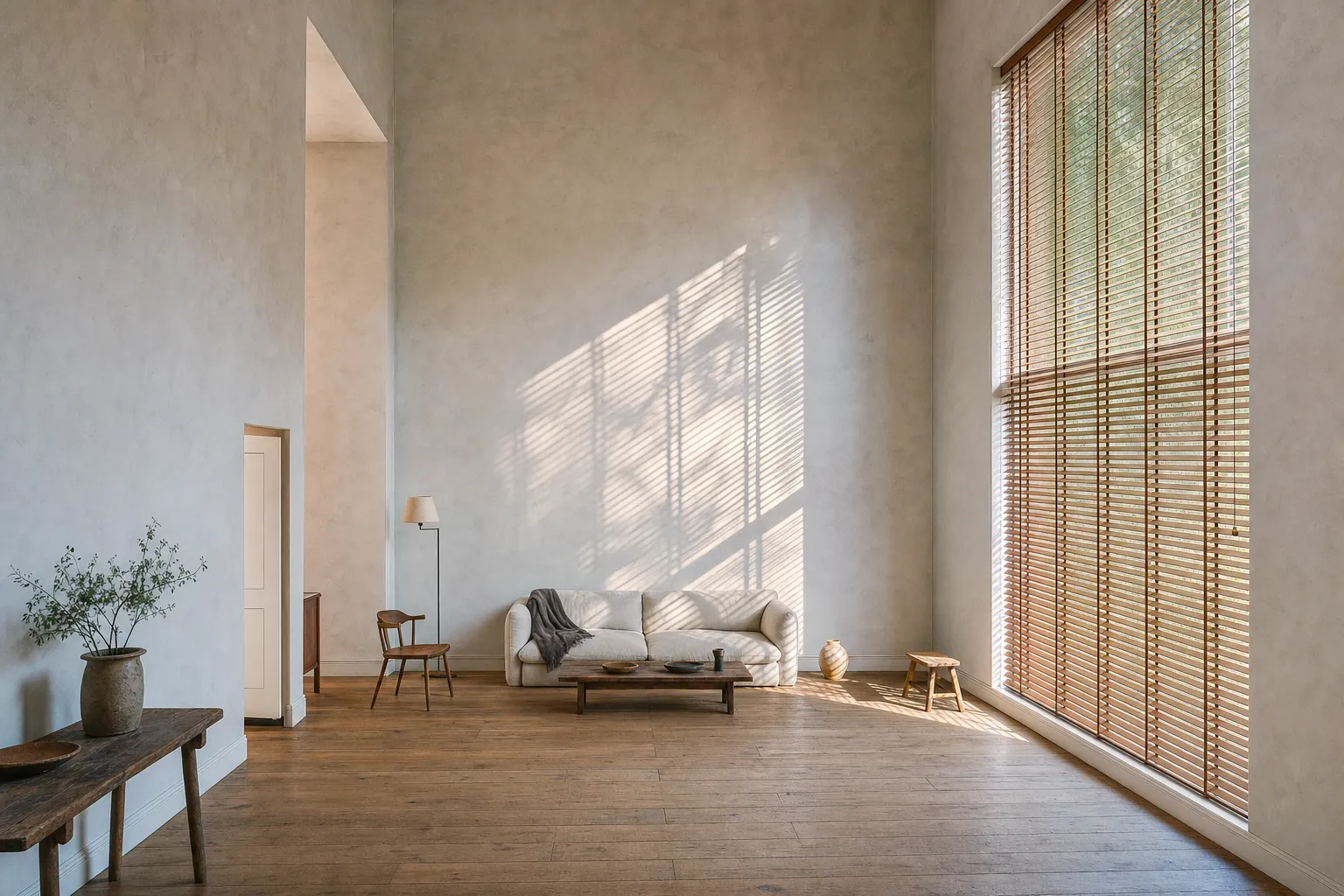
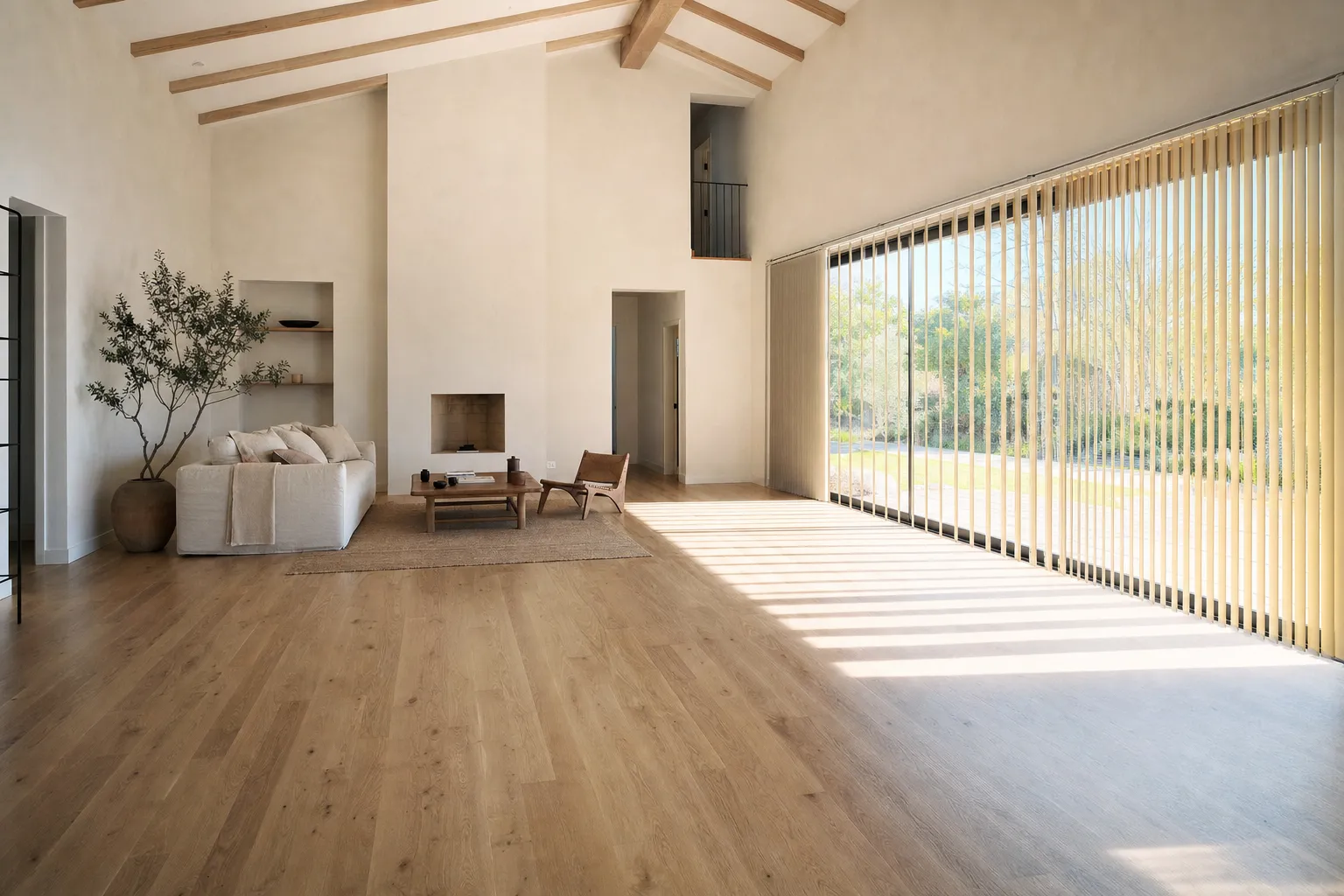
Bring us the arch, the rake and the transom. Those are the ones worth deciding first.
Our commitment
We templated the curve, so a panel that does not follow it is on us.
If it does not fit, we remake it
You never held the tape.
Nothing owed before you agree
No deposit, no card.
Licensed and insured
Both, before we come in.
Your date, in writing
Set at the quote. It does not move.
We will tell you not to buy
If a stock size does it, you hear so.
Cordless where a child sleeps
Standard, at no extra charge.
Reviews on Google
What people said afterwards.
Rated 4.8 out of 5 — the ones below are quoted in full, with a link to check each on Google.
I was blown away by the exceptional customer service from Blinds Company! Their staff was knowledgeable, friendly, and helped me find the perfect blinds for my living room. The installation was quick and flawless. I highly recommend them!
Merdan BerdiyevI'm thoroughly impressed with Blinds Company. From the initial consultation to the final installation, their team delivered exceptional service, expertise, and quality.
Oleksandr Stakhurskyi
Real names, real dates, and a link to all of them — including the ones we would not have picked.
Read them on GoogleQuestions
Before you book
Can you cover an arched window over the front door?
Sometimes properly and sometimes not, and the honest answer depends on whether you need it to move. A fixed shaped panel cut to the arch covers it neatly and stays where it is. A blind that opens and closes cannot follow a curve, so it either stops at the spring line and leaves the arch bare, or it mounts above the whole thing and covers the shape from outside. We show you both at the visit rather than guessing at what you meant.
What about the transom above a window?
Usually best treated as its own opening, with a separate small blind, or left uncovered on purpose. Running one blind over both the window and the transom means mounting well above the head, which makes the whole assembly taller than the wall wants and puts the roll where the ceiling is. In a room where the transom is the only source of morning light, leaving it bare is often the better decision.
Our family room ceiling is vaulted and the glass follows it. Options?
For angled glass the practical answers are a shaped fixed panel, a cellular blind on a track that holds it against the slope, or nothing. A standard blind relies on gravity to stay flat, and on a slope gravity pulls it away from the glass. Anyone offering an ordinary roller for a raked window is describing a blind that will hang in mid-air.
Do the two-storey foyer windows need a motor?
If you want them to move, yes. A bottom bar twelve feet up cannot be reached from the floor, and a pole is a thing people use twice. Where the window is purely architectural and never needs adjusting, a fixed panel is cheaper and better. The question we ask is whether that window has a job or is just there.
What goes on the small window over a bath or in an ensuite?
Something that tolerates moisture and does not need two hands, which rules out most fabric. A faux-wood venetian or a PVC roller both wipe clean and do not warp, and a small opening high on the wall wants a product that can be set once and left. What we would avoid is a fabric roman over a bath: steam is a slow argument that fabric loses, and the batten pockets are where it shows first.
Do you make anything for a window that is a permanent fixture — never opened, never adjusted?
Yes, and for shaped and very high windows it is often the better product. A fixed panel is cut to the exact opening, including a curve or a rake, held in place, and it stays. It filters light permanently rather than being operated. Compared with a motorized blind on the same window it costs less, has nothing to fail, and follows a shape a moving blind physically cannot. The only question is whether you will ever want that window to change, and that is worth answering honestly before spending on a motor.
Is there a charge for the visit in Woodbridge or Kleinburg?
No, and no travel line appears on the quote for anywhere in the GTA. The measure, the samples and the written quote cost nothing, with no deposit taken at the door.
An arch is three numbers and a card template, and two people will describe the same one three different ways. Ring, and we will come and take the template.