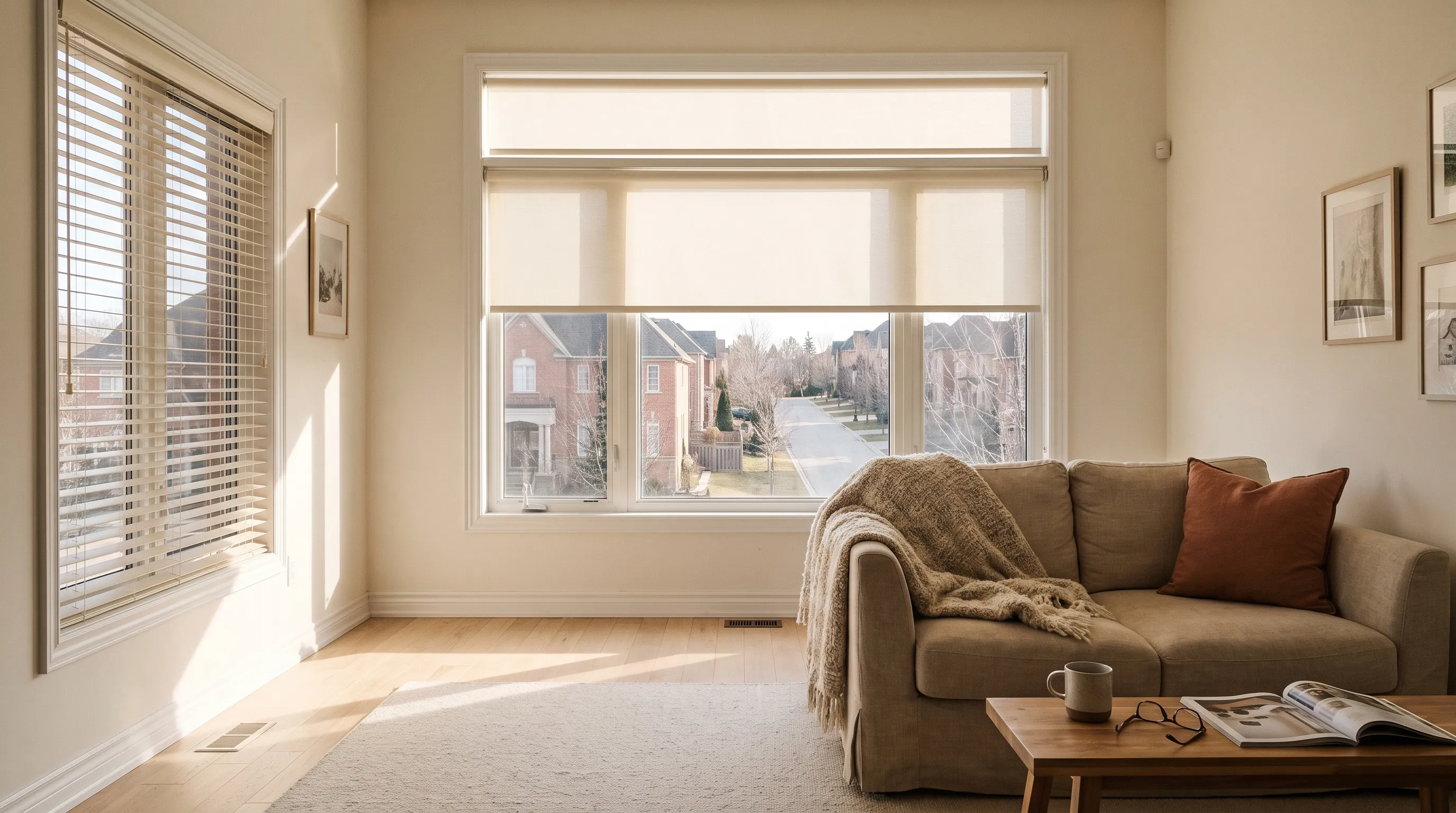
Blinds in Richmond Hill
Made-to-measure blinds and shades across Richmond Hill, on a town built along a ridge where the ground rises and the sightlines run a long way. Measured in your own rooms, fitted by the people who took the numbers.
Blinds Company · Rated 4.8 out of 5 on Google
Free in-home measure · open 8am–9pm, 7 days
In short
Richmond Hill sits on high ground, and that is not scenery — it is the reason the windows here behave differently. Houses on the rise have long, unobstructed views west and nothing between them and the late sun; houses below the ridge lose the light early and want the opposite. Same street, same builder, completely different brief, which is why the answer comes from standing in the room rather than from a form. The visit costs nothing.
Book
Let's measure your light.
We come to you, measure at your own windows, and go through fabrics and fits together. The visit costs nothing.
$99 off when you order three or more blindsApplied to your written quote at the measure.
Rather just talk?(437) 782-5452Open 8am–9pm, 7 days
A town on a ridge, and what that does to light
Richmond Hill is built along high ground — the land rises through the middle of the town and keeps rising north toward the moraine. It is the single physical fact that changes the most about specifying a window covering here, and almost nobody thinks to mention it when they ring.
What elevation gives you is distance. A house on the rise, particularly one facing west, often has nothing between its glass and the horizon: no neighbouring roof line, no mature street trees at the right height, nothing that cuts the sun off early. On a sheltered street in an older suburb the difficult hour ends when the sun drops behind the house opposite. Up here it does not end until the sun sets.
That turns a one-hour problem into a two or three hour one, and it changes the fabric. A screen chosen on a sample board for “west-facing” will usually be one step too open once it is hanging in a room with an open western horizon. It is one of the few situations where we will actively push somebody tighter than the number they arrived with, and the way to settle it is not an argument — it is holding two candidates against the glass at half past five.
Below the ridge the inverse applies. Houses in the lower, older parts of town lose the sun earlier and often have mature trees doing part of the work already. Those rooms rarely need much, and the money is better spent elsewhere in the house.
What the exposure actually costs, beyond comfort
Two or three hours of direct western sun on a room, most days of the year, does things that are easy to miss until they are permanent.
Floor finishes fade in a band that tracks the light across the room, and the line between faded and unfaded is visible once a rug is moved. Leather dries and lightens. Anything on the wall opposite the window — art, photographs, a timber finish — takes the same dose. None of that happens in a season, and all of it is irreversible.
This matters practically because it changes who the blind is for. A blind bought for comfort only gets closed when somebody is in the room and uncomfortable. A blind bought partly for preservation needs to close when the house is empty, which is exactly when nobody is there to close it.
That is the honest argument for automating one or two windows in a house like this, and it is a better argument than convenience. Convenience is a nice-to-have. A floor that does not have a stripe across it in six years is a number.
Mill Pond, and the older streets
The area around the Mill Pond and the older residential streets nearby are a different job entirely and they are the pleasant part of working in this town.
Deep reveals, windows with proportions somebody thought about, and casings worth leaving visible. The default there is an inside mount: the reveal will swallow a headrail completely, the trim keeps framing the glass, and the room stays the room it was designed to be.
The catch is the one that comes with every older frame. Wood moves, sills settle, and a window that has been in place seventy years is rarely still a rectangle. A product ending in a rigid horizontal shows a dropped sill as a widening line of daylight along the bottom, and there is no fabric that hides it. So both diagonals get checked on anything that looks doubtful, and where the opening has gone out of true we say so and mount outside, where an overlap covers what an inside mount would put a frame around.
There is a second thing about these houses worth naming. They frequently have one or two windows that are genuinely better left uncovered — a north-facing divided window with good proportions, a small landing window, something with leaded glass. Covering every opening because every opening exists is how a house like that loses its character, and we will say so at the visit.
Jefferson, Oak Ridges and the newer estates
North of Gamble and up through Oak Ridges the housing changes completely: built mostly since the late nineties, large, and drawn with a lot of glass.
Squareness stops being a question. These frames went in recently and they are true, which makes the fitting straightforward and means one measurement per direction would usually be enough. We still take three, because the cost of checking is thirty seconds and the cost of not checking is a remake.
What replaces it is depth and reach.
Depth, because modern construction gives shallower reveals than older walls. There is often not enough room inside the opening for a product whose fabric has to wrap a tube twice, which is what a zebra does. Where that is the case the blind goes on the face of the wall or on the ceiling, and mounting at the ceiling has a quiet advantage: it covers the head of the glass, so there is no band of sky sitting above a blind fitted inside the reveal.
Reach, because a great many of these houses have a room open to the storey above, or a stair window running up two floors. A bottom bar at nine or twelve feet is not operable by a person standing on the floor, and a blind that is not operable spends years in whatever position it was left in. Those windows want a motor, and it is worth deciding deliberately rather than discovering.
Backing onto the moraine
A good number of properties in the north of the town back onto conservation land or onto the moraine itself, and it is worth separating that from the ravine condition common further south in the GTA.
A ravine lot has canopy immediately behind the glass. That gives dense summer shade and a bare, low-sun winter, and you can specify around it because it is reliable.
Moraine land is more mixed — open meadow, scattered stands, land that changes as planting matures. The shading is inconsistent from one property to the next and from one decade to the next. Given that, the sensible approach is to specify for the exposed condition, because a blind can always be left open and cannot be made tighter after the fact.
There is a second, smaller effect. Open land behind a house means no wind shelter, and on a blustery day a window that is opened for air moves anything hanging loose in front of it. On rooms where the window is genuinely used for ventilation, a product with some weight at the bottom is worth the small extra cost, if only for the noise.
Bayview Hill, and rooms designed around one window
The established estate streets — Bayview Hill and the pockets like it — have a feature that the newer estates north of them mostly do not: rooms that were designed around a particular window rather than rooms that happen to contain one.
A formal dining room with a single large window centred on the wall. A study with a bay. A principal bedroom with glass positioned to frame something. In those rooms the window is the composition, and a blind that draws attention to itself competes with the thing the room was built to do.
The guidance there is restraint and it is easy to state. Take the colour from the wall rather than from the fabric book, so the blind reads as part of the surface it sits against instead of as an object hanging on it. Keep the stack out of the glass — anything that gathers over the top fifth of the window when raised has changed the proportion somebody chose. And where the window has a shape or a division worth seeing, mount inside the reveal so the frame stays legible.
The bay window is the specific case worth calling out, because it is the one most often got wrong. A bay is not one wide opening; it is three or five separate openings meeting at angles. Treated as a single unit it produces a blind that either cannot follow the geometry or has to sit across the front of the whole thing like a curtain track, which removes the bay entirely. Each section gets its own blind, measured separately, with the angles taken — and the corners are where the millimetres matter, because two blinds meeting at an angle either look deliberate or look like a mistake.
Some of these houses are now thirty or forty years old, which is old enough for frames to have moved slightly and old enough that a window has often been replaced in one room and not in another. That is worth knowing before an order rather than after: two windows in the same room that look identical can have reveals differing by fifteen millimetres, and a blind cut to the wrong one of them will not go in.
The rooms people actually ring about
West-facing family rooms, for everything described above. This is the most common single reason somebody in this town calls, and it is a solvable problem rather than a taste question.
Primary bedrooms with tall glass. The height is the issue as much as the darkness: a bedroom window that reaches high enough to be awkward is one nobody adjusts, and a bedroom blind that is not adjusted daily is not doing its job.
Two-storey front halls. Almost always architectural rather than functional, and worth asking whether they need to move at all. If the hall is not uncomfortable and nothing is fading in it, a fixed panel or nothing at all saves the largest line on the quote.
Kitchens over a sink. Short, wide, and the one window where every centimetre of view counts. A product that stacks to almost nothing at the head wins here even in a house where something softer would look better.
What the visit is like
We ring back first and ask which rooms are a problem and what the problem is — brightness, being overlooked, a room that goes dark early, a floor that is fading. The product is what comes out of that, not what goes into it.
Then a time, and enough of it. Every opening gets its own numbers. Depth gets taken before fabric is discussed, because depth rules on what is possible and fabric only on what is preferred. Anything awkward — a crank handle, a deep sill, a duct along the head, a radiator under the glass — gets written down while we are standing in front of it.
Samples come out at the window rather than at the kitchen table, and on a west-facing room we will suggest a time of day for that rather than whatever is convenient. A fabric that reads perfectly at eleven in the morning can be a stop too open at six on a ridge.
You keep a written quote with a line for every opening, no deposit and no card.
The one thing we would tell a neighbour
Work out which windows have a job before you think about which product you want.
In most houses here there are three or four windows doing real work — the west glass, the bedrooms, whatever the kitchen looks out of — and a dozen that simply need something tidy and matching. The instinct is to specify the whole house at one level, and it produces a house where the hard windows are under-specified and the easy ones are over-specified.
Name the three, spend there, and keep the rest simple. It costs less and the house works better.
Last updated .
Everything we make
The rest of the range, in Richmond Hill.
Each is wrong somewhere. Its page says where.
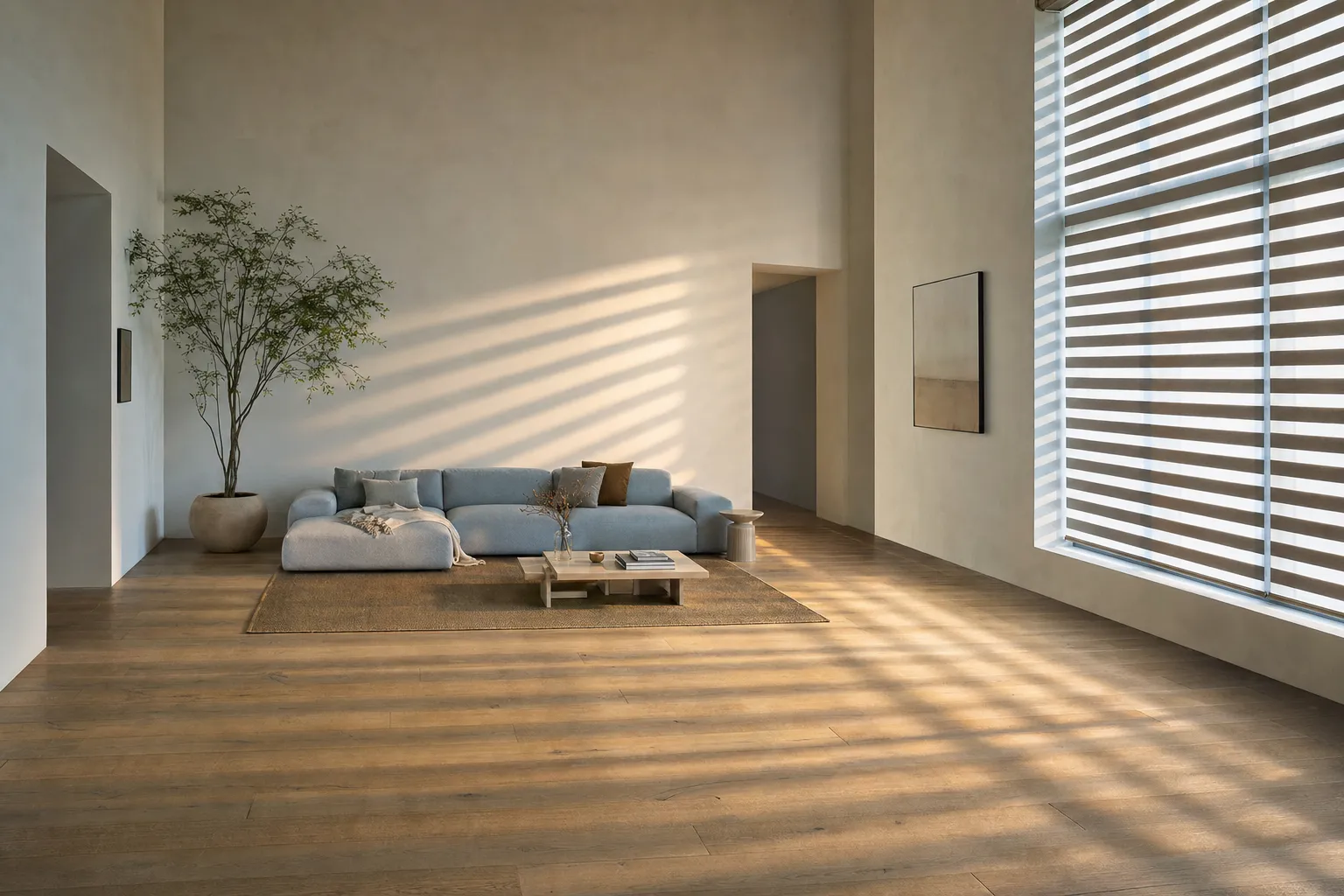
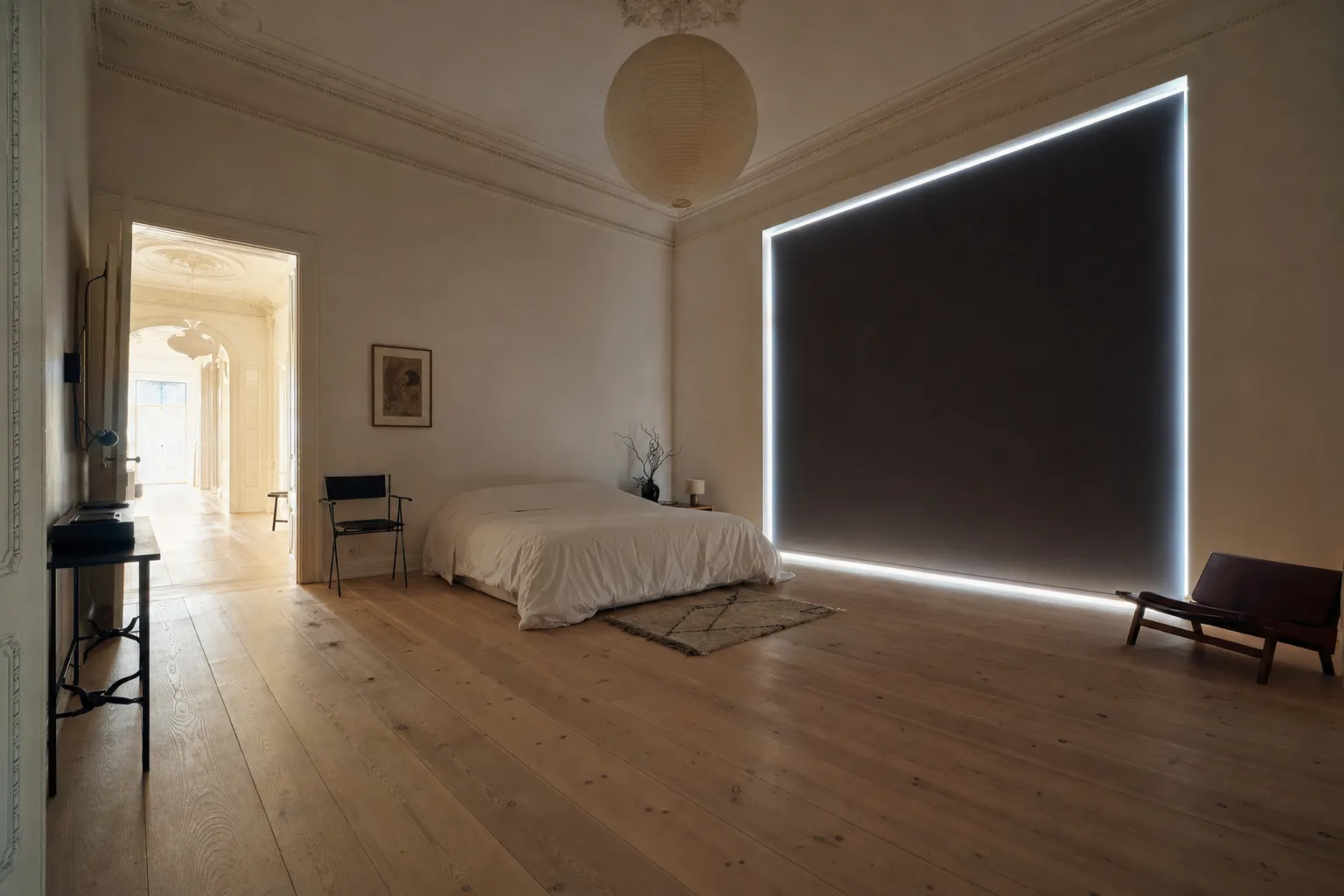
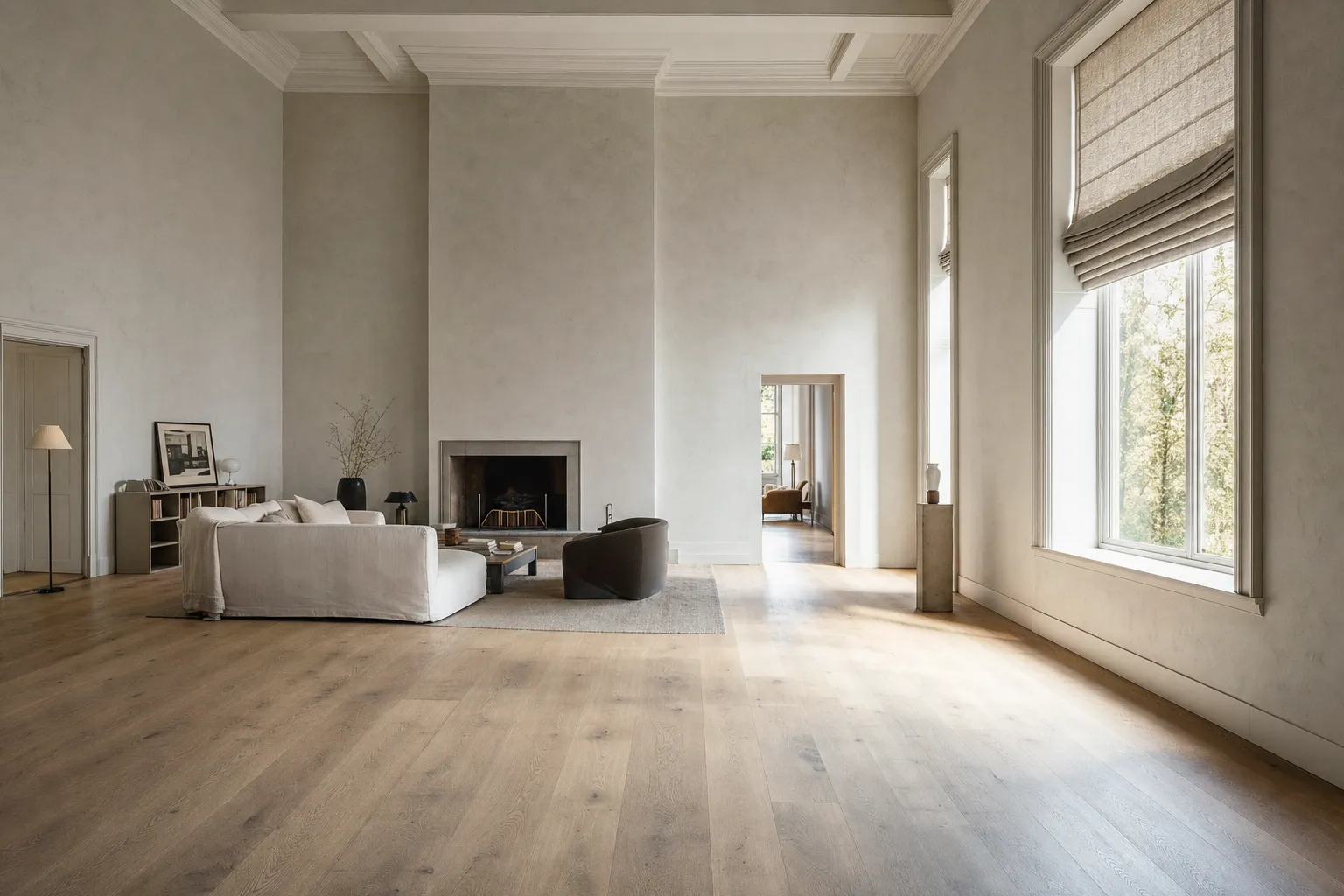
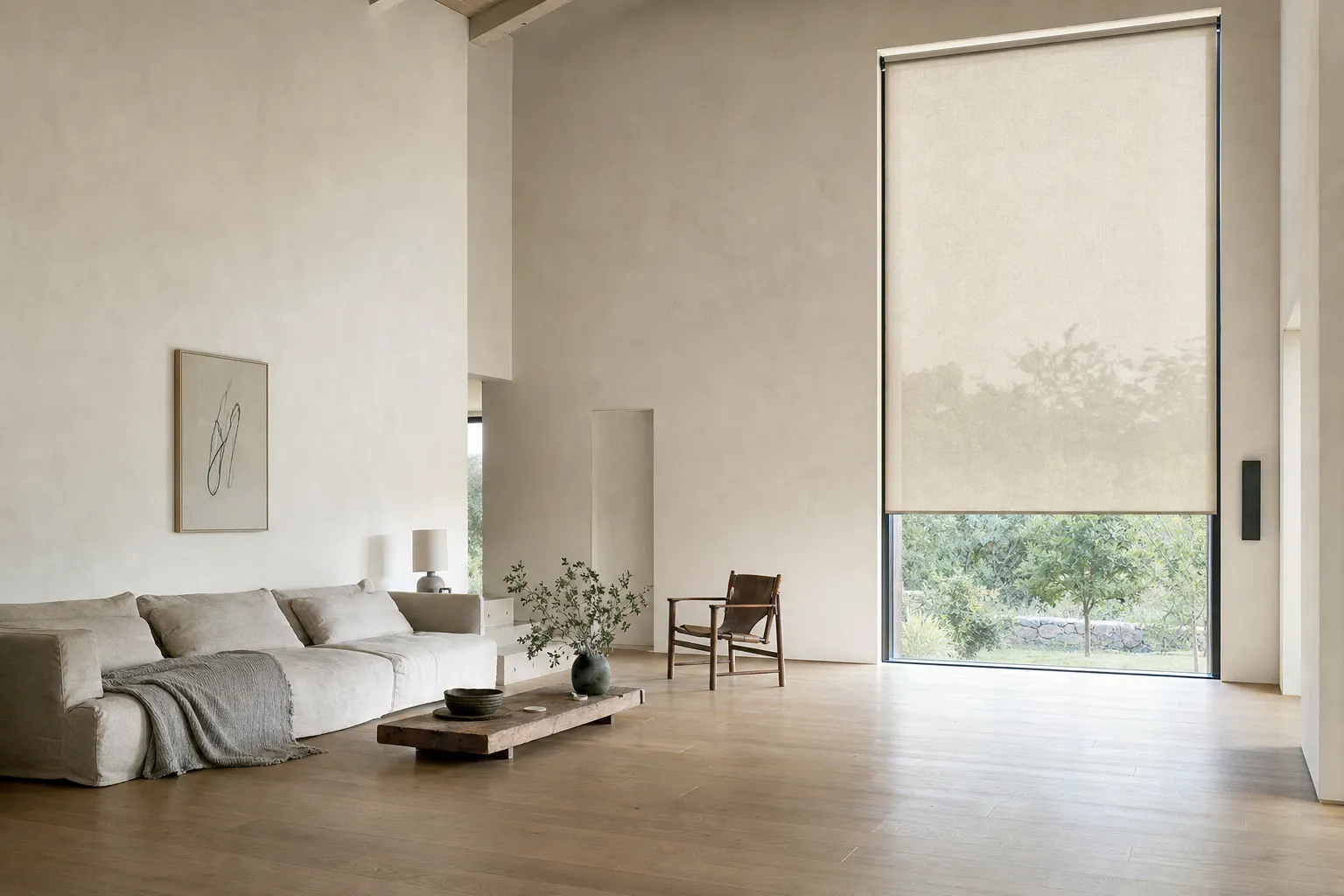
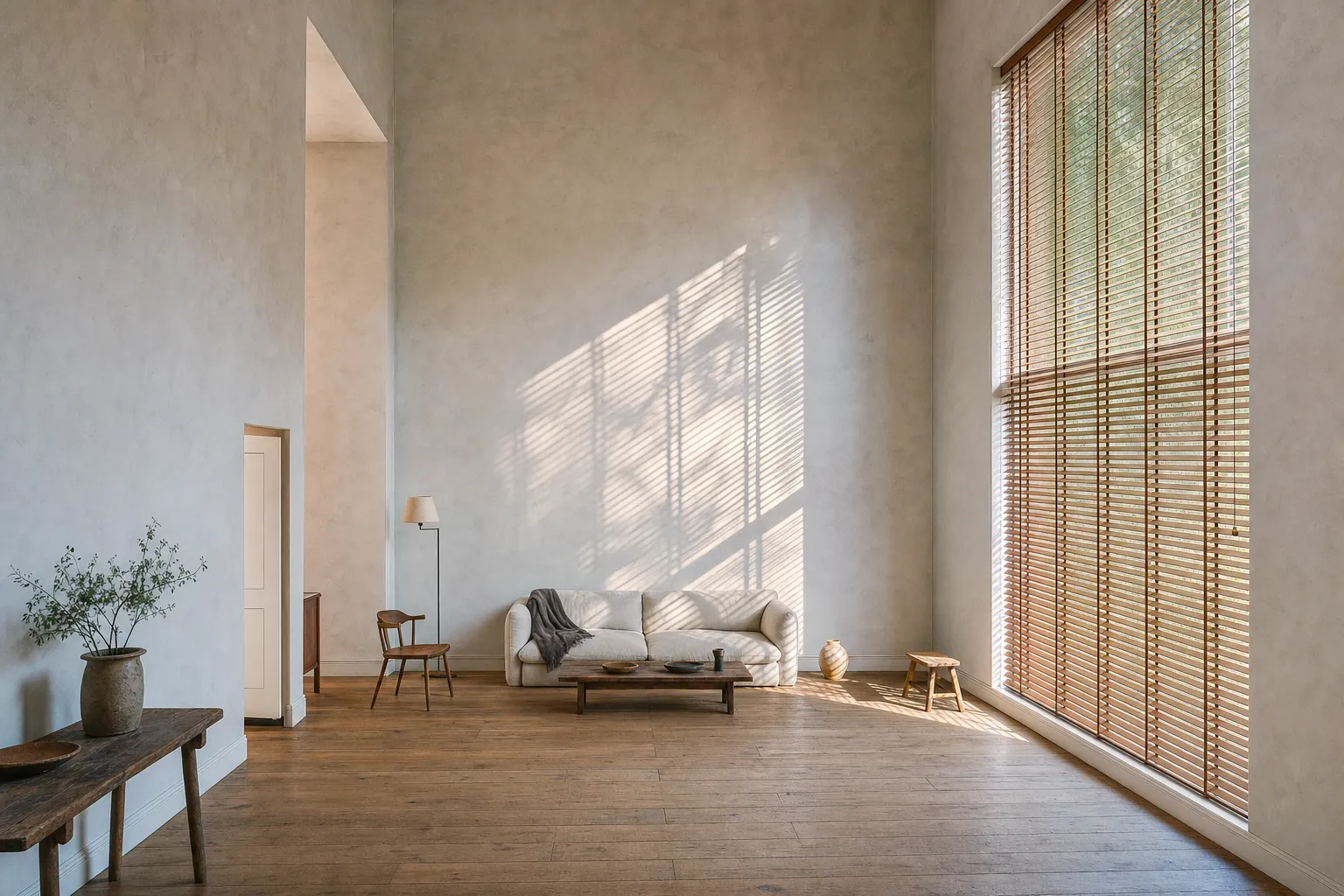
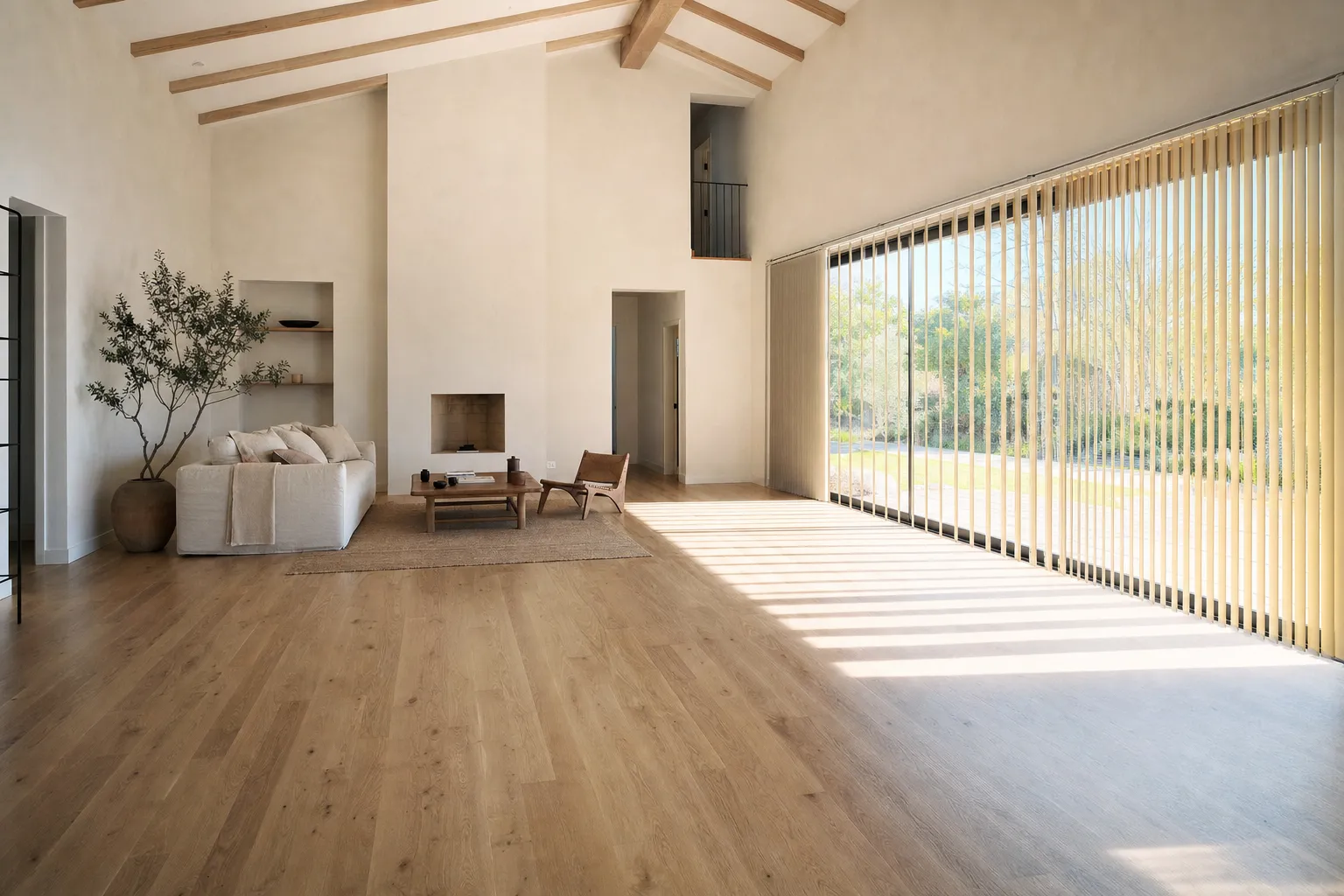
Which side of the ridge you are on decides half of this. We will come and look.
Our commitment
We took the numbers on the ground, so an opening that fights back is ours.
If it does not fit, we remake it
You never held the tape.
Nothing owed before you agree
No deposit, no card.
Licensed and insured
Both, before we come in.
Your date, in writing
Set at the quote. It does not move.
We will tell you not to buy
If a stock size does it, you hear so.
Cordless where a child sleeps
Standard, at no extra charge.
Reviews on Google
What people said afterwards.
Rated 4.8 out of 5 — the ones below are quoted in full, with a link to check each on Google.
I was blown away by the exceptional customer service from Blinds Company! Their staff was knowledgeable, friendly, and helped me find the perfect blinds for my living room. The installation was quick and flawless. I highly recommend them!
Merdan BerdiyevI'm thoroughly impressed with Blinds Company. From the initial consultation to the final installation, their team delivered exceptional service, expertise, and quality.
Oleksandr Stakhurskyi
Real names, real dates, and a link to all of them — including the ones we would not have picked.
Read them on GoogleQuestions
Before you book
Do the newer subdivisions have rules about window coverings?
Freehold streets here sometimes do, usually through the subdivision agreement rather than a condominium declaration, and usually about what the street sees rather than what you see. It is a backing-colour rule in practice, it is easy to satisfy, and it lives in a document nobody has opened since closing. We ask rather than assume, because a blind that has to come down again is nobody's good day.
Why does being up on the ridge change what I need?
Because nothing is in the way. A house on the high ground north of Elgin Mills often has an uninterrupted western horizon, which means the sun stays on the glass at full strength until it actually sets rather than being cut off by a neighbour's roof at six. The practical effect is that the difficult window is difficult for two or three hours rather than one, and a fabric chosen for a sheltered street will be a stop too open.
We back onto the moraine. Is that the same as backing onto a ravine?
Not quite. A ravine gives you canopy directly behind the glass, so the back of the house is shaded in summer and exposed in winter. Moraine land is more often open or lightly treed, which means the shading is inconsistent and changes with what has been planted rather than being reliable. We would rather specify for the exposed case and let you open the blind.
Are the Mill Pond houses different to work on?
Yes, and pleasantly so. The older streets around the pond have deep reveals and windows with proportions worth keeping, which usually argues for an inside mount that hides the headrail completely. The complication is age: those frames have moved, so we check both diagonals before promising a product that ends in a rigid straight bar.
What about the newer houses in Jefferson and Oak Ridges?
Square openings, shallow reveals, tall glass, and often a room open to the floor above. Squareness makes the fitting straightforward. Depth and reach become the constraints instead, which is why so many of those houses end up with a motor on two or three windows and something perfectly ordinary everywhere else.
Do you cover Oak Ridges and the north end?
All of it, up to and past Bloomington. There is no travel charge on the quote and the visit is free wherever in the GTA you are.
How long does a whole-house measure take?
Between forty minutes and an hour and a half depending on the number of openings and how many of them are awkward. It is longer than people expect, because every window gets its own set of numbers rather than one window being measured and the rest assumed to match.
If your west windows are unusable between four and seven, that is a solvable problem and it takes one visit to specify. The number is answered by the crew.