Blinds in Scarborough
Custom blinds and shades in Scarborough, measured at home and chosen around the windows you actually use. Start with the room that needs more privacy, less glare or a covering that clears the handle.
Blinds Company · Rated 4.8 out of 5 on Google
Free in-home measure · open 8am–9pm, 7 days
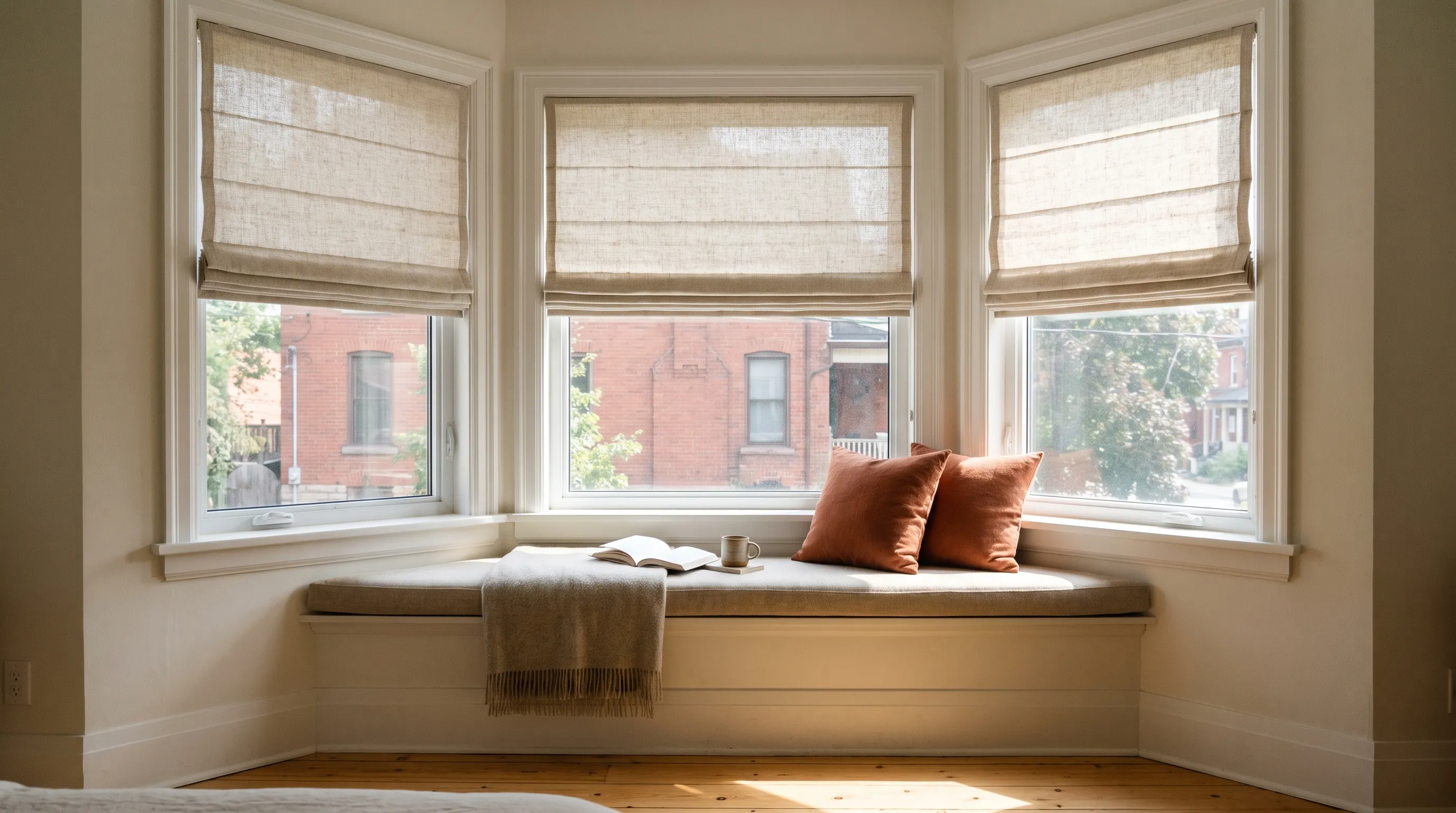
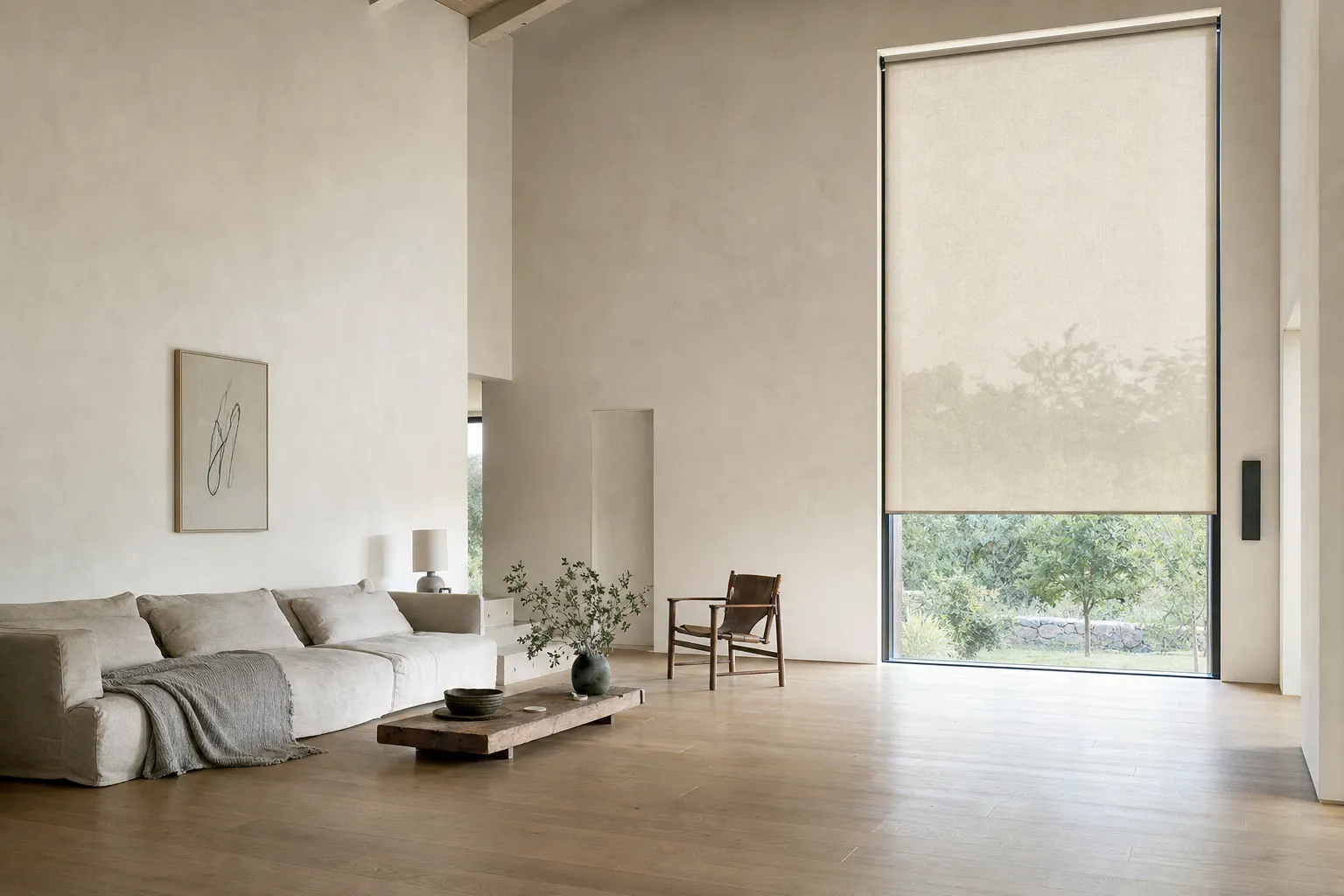
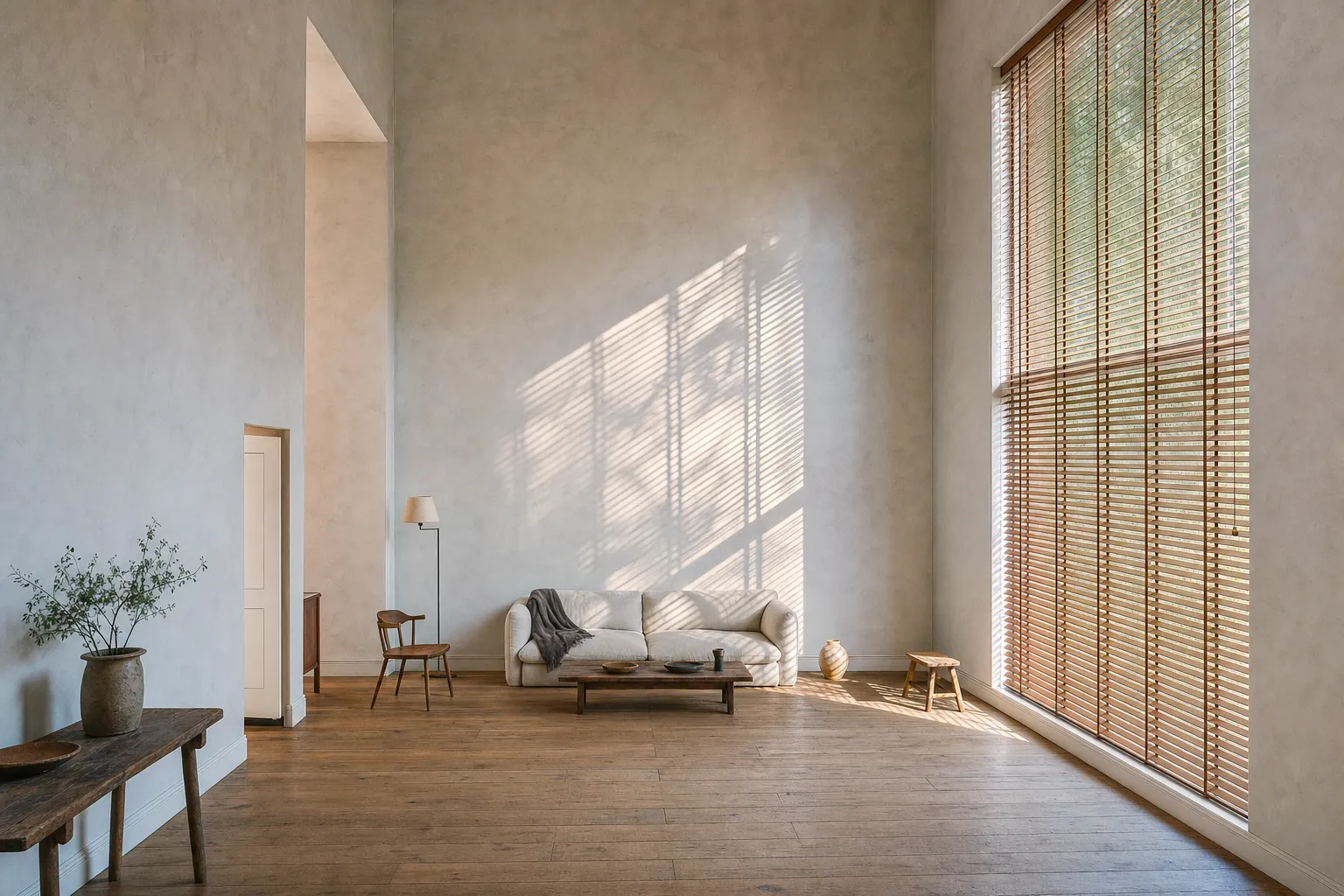
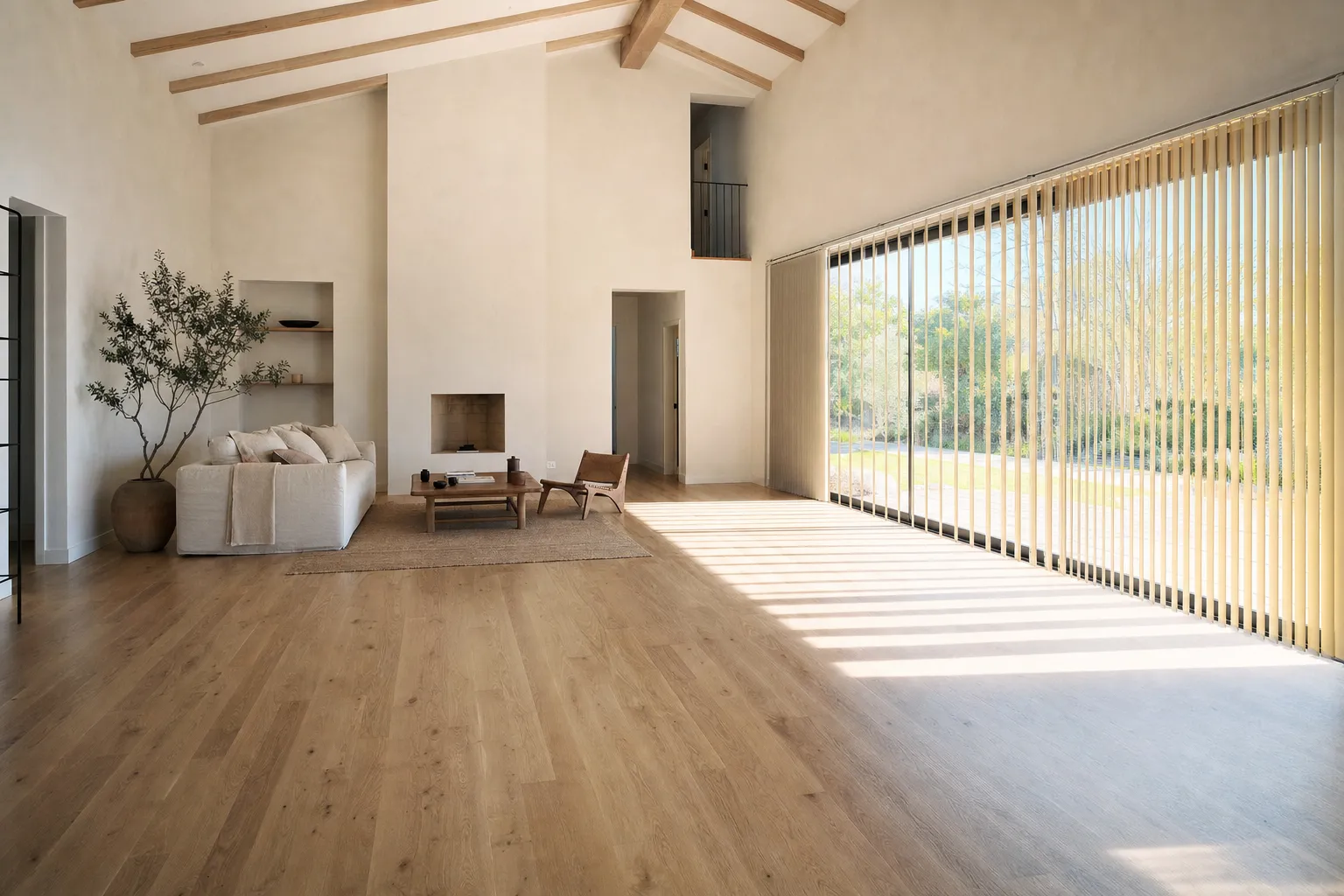
Illustrative room photograph; not a local installation.
In short
Blinds Company serves Scarborough within Toronto. The in-home visit is free: we measure the openings and discuss fabrics and fit beside your windows. A bay, a bedroom and a glazed door can need different answers in one home.
Book
Let's measure your light.
We come to you, measure at your own windows, and go through fabrics and fits together. The visit costs nothing.
$99 off when you order three or more blindsApplied to your written quote at the measure.
Rather just talk?(437) 782-5452Open 8am–9pm, 7 days
A Scarborough address is the starting point, not the specification
Scarborough is included in the Toronto area we serve. That answers whether you can ask for a visit; it does not tell us what to put on your windows. Two rooms in the same home can have opposing needs. You might want the front room open to daylight, the bedroom sheltered from early brightness and the kitchen clear of an opening handle. Treating those as one order for one fabric is how a tidy shopping list becomes an awkward daily routine.
Begin with the room that is hardest to live with now. Describe the problem in ordinary terms: people can see in when the lights are on, the television catches a reflection, or the blind must be lifted every time you open the window. Those descriptions are more useful than choosing between product names without seeing the opening. They establish what the new covering must improve and what it must leave alone.
The free in-home measure brings that discussion to the actual glass. Blinds Company offers custom blinds, shades, curtains and installation, so the conversation can follow the room rather than stop at one mechanism. There is no need to present every opening as a blinds problem if a different covering would suit the way you use it. The photograph above is an illustration of a room arrangement, not evidence of a job completed in Scarborough.
Divide a front window into useful parts
A front-facing window can be a source of daylight, a view and a privacy concern at the same time. If yours has several panes, look at what each one does before deciding that the entire opening should move as a single piece. The pane beside a reading chair might need shading while the other side remains raised. A small opening section might need access every day. A fixed central pane might be the part you want to keep clear.
For a bay window, the angle between the frames adds another question. Rails that work perfectly on a flat wall can meet at an awkward corner when they follow the bay. Compare the depth available above each pane and consider where the fabric or folds will sit when raised. A handle projecting into the reveal can change the mounting position even when the glass widths appear identical. Equal-looking panes should still be assessed individually.
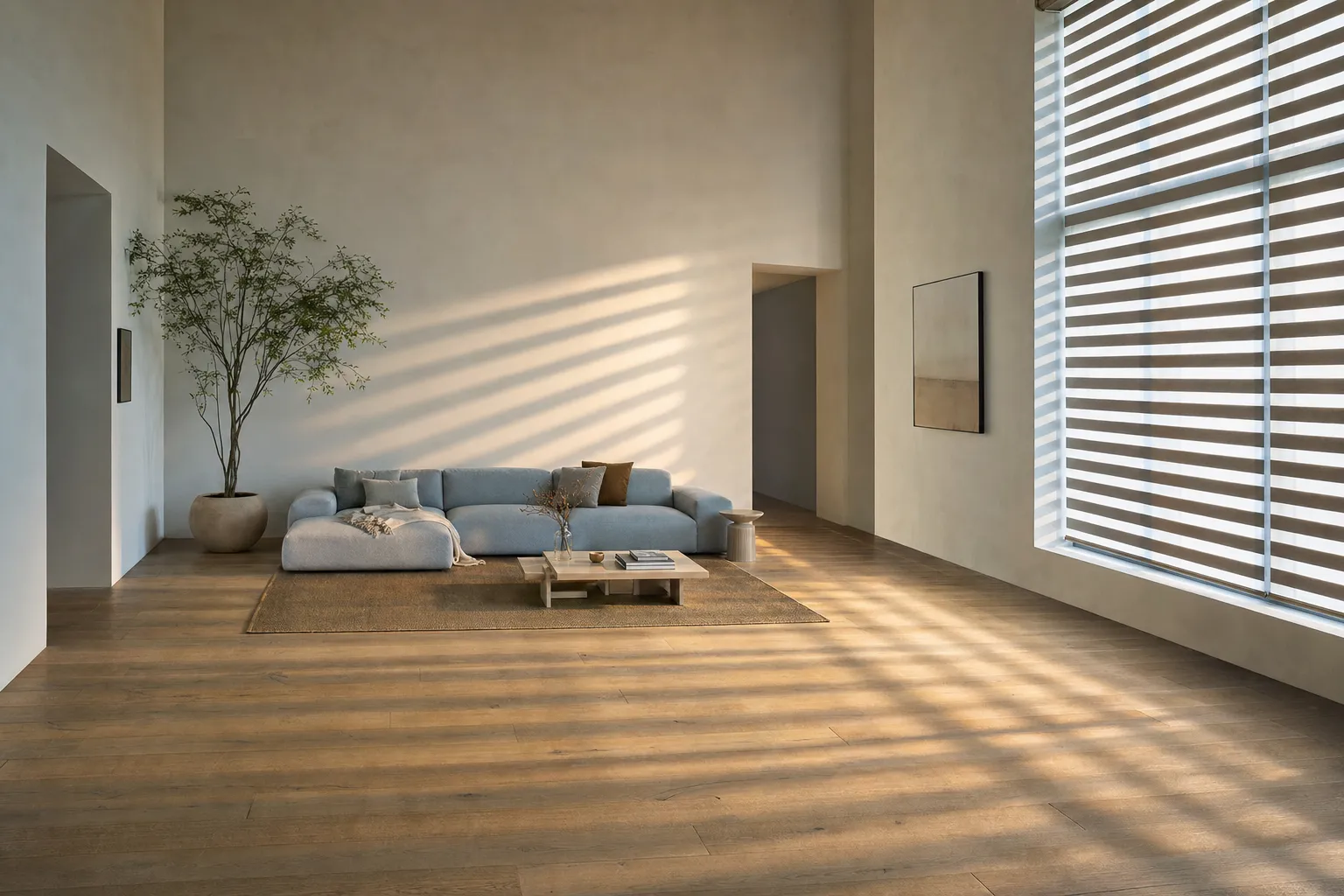
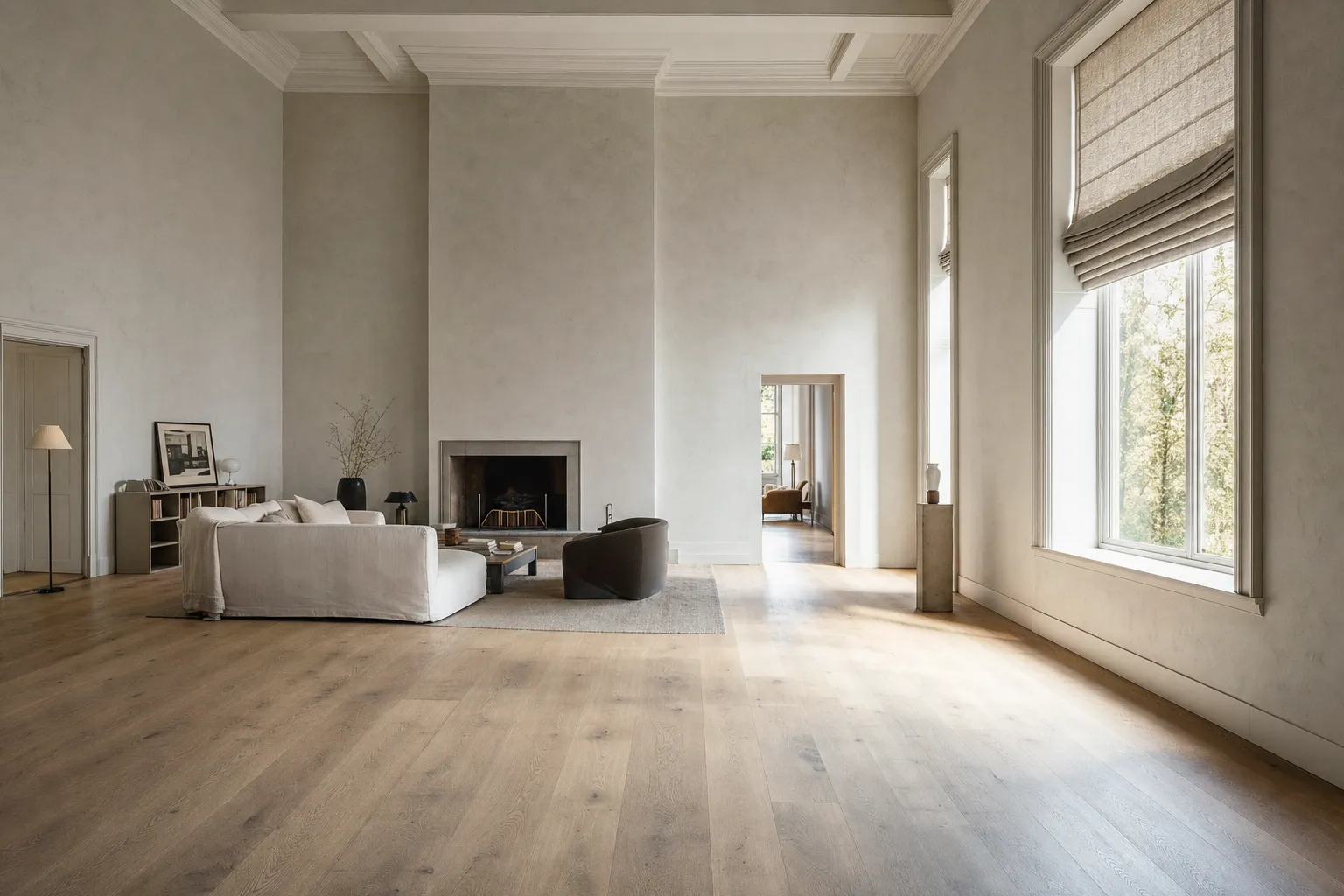
Roman shades offer a fabric fold at the top, while rollers gather around a tube. Slatted blinds can change the angle of incoming light without being lifted completely. These are different behaviours, not a ranking from basic to premium. Picture the covering at the position you will use most often and ask which part of the window remains visible. Our bay-window page explains the arrangement choices in more detail.
Privacy has a daytime setting and an evening setting
Stand where you normally sit and look at the window from that height. The privacy question may involve the lower part of the glass rather than the whole opening. If you want daylight above eye level, a covering that has useful intermediate positions can be easier to live with than an all-or-nothing solution. The right arrangement also depends on whether the room is overlooked directly or only when somebody passes outside.
Daytime screening and evening privacy should be considered separately. An open weave can soften brightness while leaving some view, but its appearance changes with the light on each side. After dark, a lit interior can become easier to see from outside. A fabric chosen only under strong daylight may therefore answer the wrong half of the problem. Describe your evening routine as carefully as your daytime routine during the visit.
Opaque rollers, curtains or a combination can be discussed when the room needs a more complete visual barrier. The colour you see from the sofa and the surface facing outside are also separate decisions. If a building has appearance rules, obtain those rules before choosing the final covering. We do not assume that every Scarborough building has the same requirements or that a product can satisfy them without checking the actual wording.
A sleeping room needs a plan for the edges
The word blackout refers to the light-blocking part of a fabric; it does not describe every gap around an installed blind. A bright line at the edge can be noticeable in a room that is otherwise dark. Before comparing colours, think about where light currently enters: at the side, above the rail, beneath the bottom bar or through the covering itself. Different entry points call for different discussions about fit.
An inside mount leaves the trim visible and keeps the covering close to the glass. An outside mount can allow more overlap around the opening, but it needs suitable space and fixing positions on the surrounding surface. Neither choice should be made from a glass-width measurement alone. The sill, wall, nearby furniture and window hardware all affect what can be fitted and how easily it can be used.
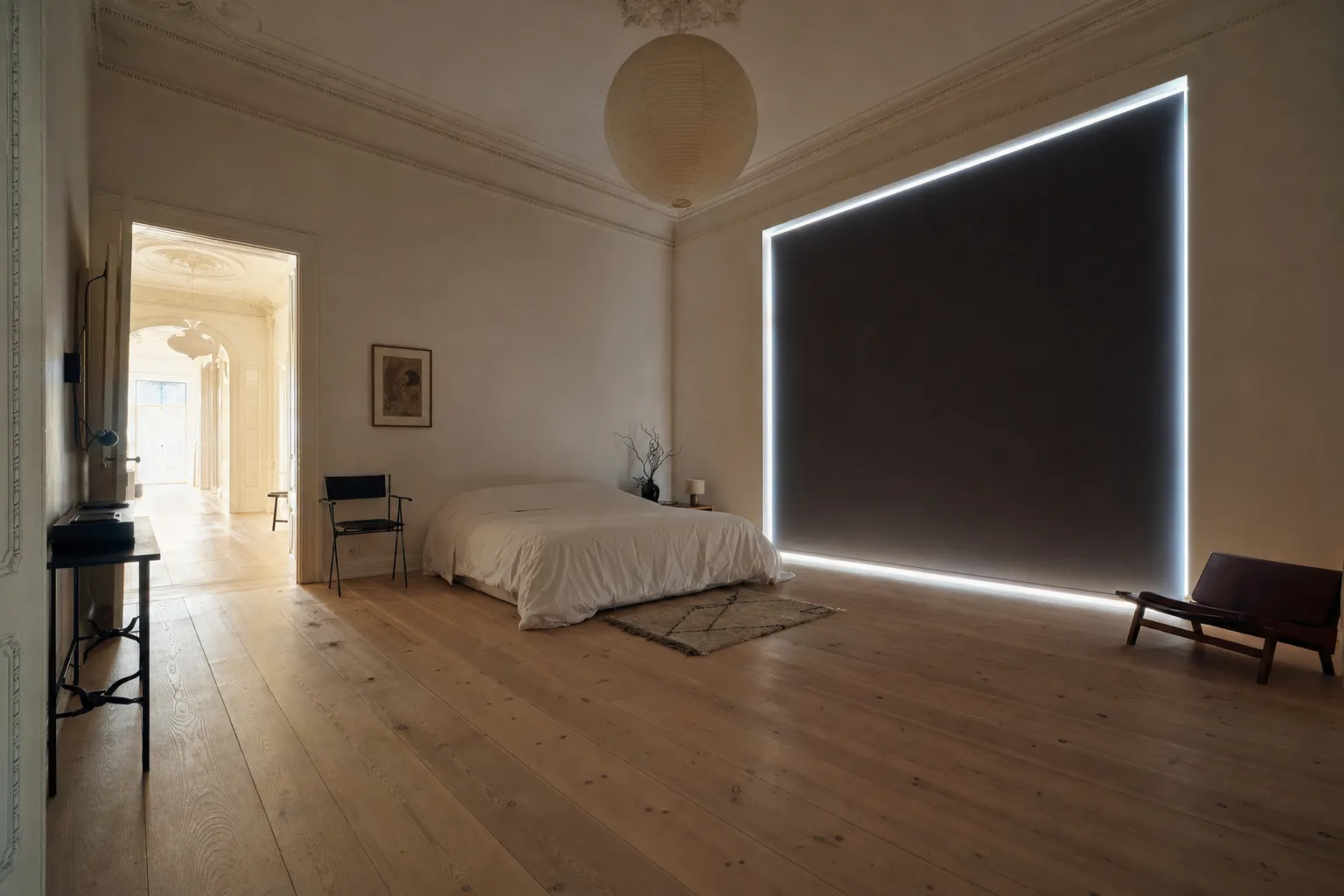
Also consider the raised position. A shade that performs well while lowered may gather in front of the part of the window you need to open. If you sleep at unusual hours, say so instead of relying on the room being called a bedroom. A room used by a daytime sleeper can need a different emphasis from one used only at night. Start with blackout blinds for the material question, then settle the mounting question at the opening.
Keep the routes through the room clear
A glazed door is not just a tall window. Its handle, hinges and path through the room matter every time somebody uses it. Check where a lowered covering would hang relative to the handle and whether opening the door would bring it against a wall or adjacent frame. A blind mounted above the surrounding opening behaves differently from one moving with the door, so describe which movement you want to keep.
Where furniture stands close to glass, the operating position deserves attention too. Reaching around a sofa to adjust a shade may be tolerable once and irritating several times a day. Moving the control to a more accessible side or discussing a motorized option can change the routine. That conversation should include power and access; the presence of a motor does not make an unsuitable fixing or obstructed opening disappear.
Trace the reflection from the working seat
If a desk is beside the window, check the screen while seated rather than judging glare from the doorway. A covering can preserve useful daylight without leaving a bright strip reflected in the monitor. You may only need to shade one section or part of the day. Record the place where the reflection appears and bring that observation to the measure instead of trying to estimate the right fabric from an online room photograph.
What to discuss during the free measure
The visit covers measuring your windows and talking through fabrics and fits in your home. Make it easier to compare options by identifying a clear purpose for each opening. A short note such as “keep the view while working” or “privacy once the lamps are on” helps prevent the same fabric being selected by habit for rooms with different jobs. You can bring colour preferences without treating them as a finished specification.
Show the window in the positions you use. Open the handle, point out any sill projection and explain which furniture will stay. If decorating work is planned, mention whether the trim or surrounding wall will change. A measurement taken before an opening is altered may need another check. That is a reason to discuss the order of work, not a reason to guess a future finished dimension.
Blinds Company is licensed and insured and has 5+ years in business. At the measure, explain which openings belong in the proposal and which materials you are still comparing. Keep the agreed installation date in the written quote. Use the booking page to ask for a measure and describe the room that matters most.
Make the final choice one opening at a time
A consistent home does not require every window to use an identical mechanism. A shared colour family can connect a roller in one room with a roman shade in another, while each responds to its own clearance and light needs. Decide what should match visually, what needs to work independently and where a difference is useful. That is a more durable plan than ordering the same product simply because the windows belong to one address.
Before agreeing, picture the everyday positions: fully raised for cleaning, partly lowered while reading and closed with the room lights on. Consider whether you can reach the control without moving furniture and whether the door or opening pane still has its normal travel. These checks turn a catalogue preference into a usable choice. They also reveal the small compromises that are much easier to discuss before the covering is made.
If several rooms need attention, put them in order rather than trying to solve the entire home in one sentence. Start with the opening that causes the greatest interruption and use its requirements to guide the next conversation. Scarborough is a served destination; the useful next detail is your room and your window. Tell us what you want to change, and we can discuss that beside the glass during a free measure.
Last updated .
Everything we make
The rest of the range, in Scarborough.
Each is wrong somewhere. Its page says where.
Bring the awkward front window into the conversation first; the measure is free.
Questions
Before you book
Should every pane of a bay have its own blind?
Often that is the practical arrangement, but the angles and the opening sections decide. Separate coverings can follow the bay and leave one pane open for a view. The rails must also clear one another where the frames meet. Ask to compare the raised position as well as the closed position; a neat line at the bottom does not prove that the mechanisms fit at the top.
Can a screen blind give privacy after sunset?
Do not assume it will. A screen is useful for managing daylight and glare, but visibility changes when the room becomes brighter than outside. If evening privacy matters, consider an opaque fabric or an additional covering. The useful question is what somebody outside could see with your lights on, rather than whether the material looks dark in a sample.
What information helps before a Scarborough visit?
Identify the room, say what bothers you and mention any difficult access. A photograph that includes the frame and surrounding wall helps explain a bay or an opening behind furniture. You do not need to choose a product from a catalogue before asking for the measure. Keep the final sizing for the visit, where the reveal and the moving parts can be checked together.
Does a blackout fabric stop every trace of light?
An opaque cloth can block light through its surface while light still enters beside the covering. For a bedroom, the overlap, mounting position and space around the frame deserve as much attention as the fabric. Describe the amount of darkness you want and the time you sleep. That allows a useful discussion of the whole window rather than a promise based on a label alone.
Tell us which Scarborough room you keep adjusting throughout the day.