Blinds in Oakville
Made-to-measure blinds and shades for Oakville, with a free visit to compare fabrics at your own glass. Plan the rooms around the view you want to keep and the privacy you need when the day ends.
Blinds Company · Rated 4.8 out of 5 on Google
Free in-home measure · open 8am–9pm, 7 days
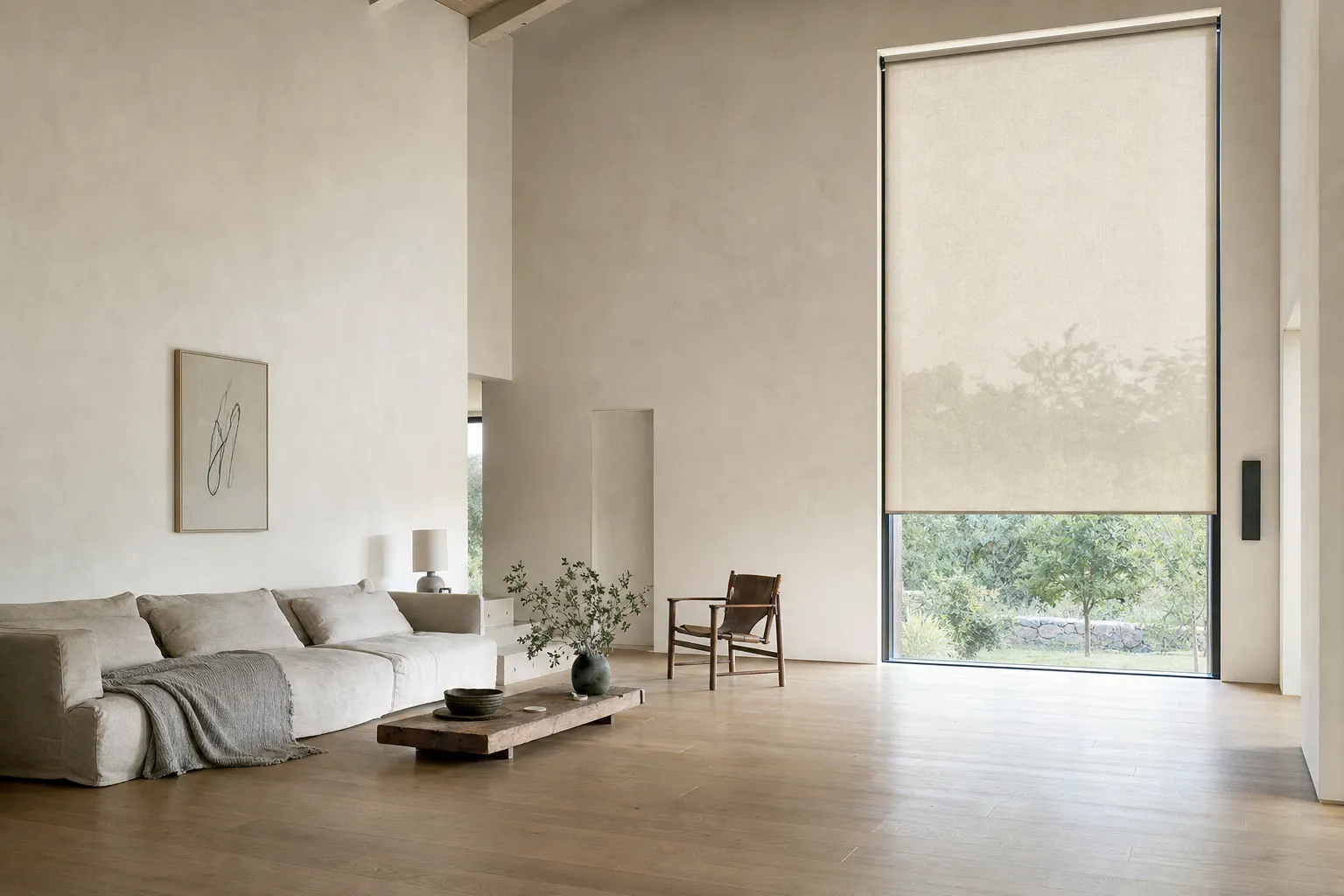
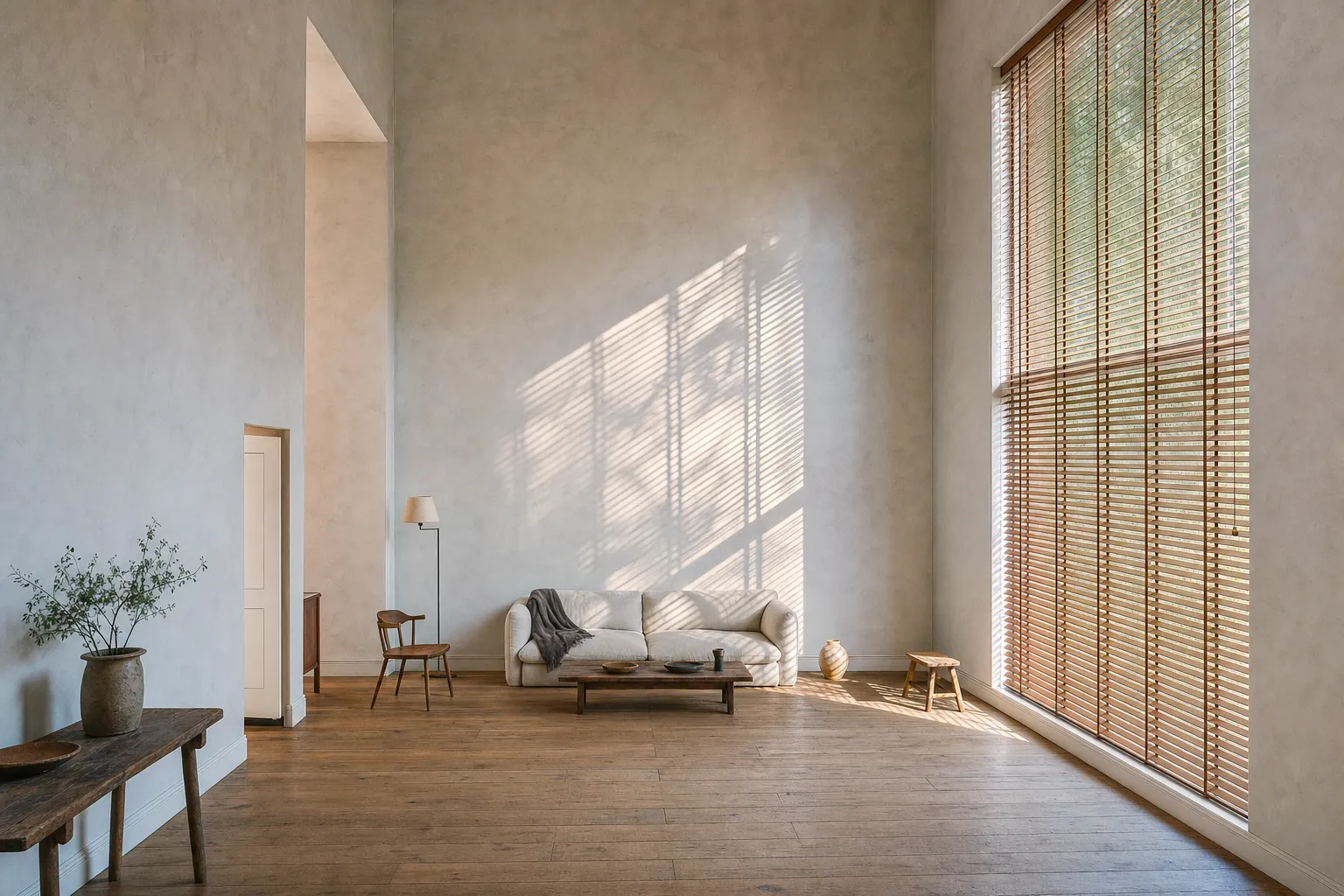
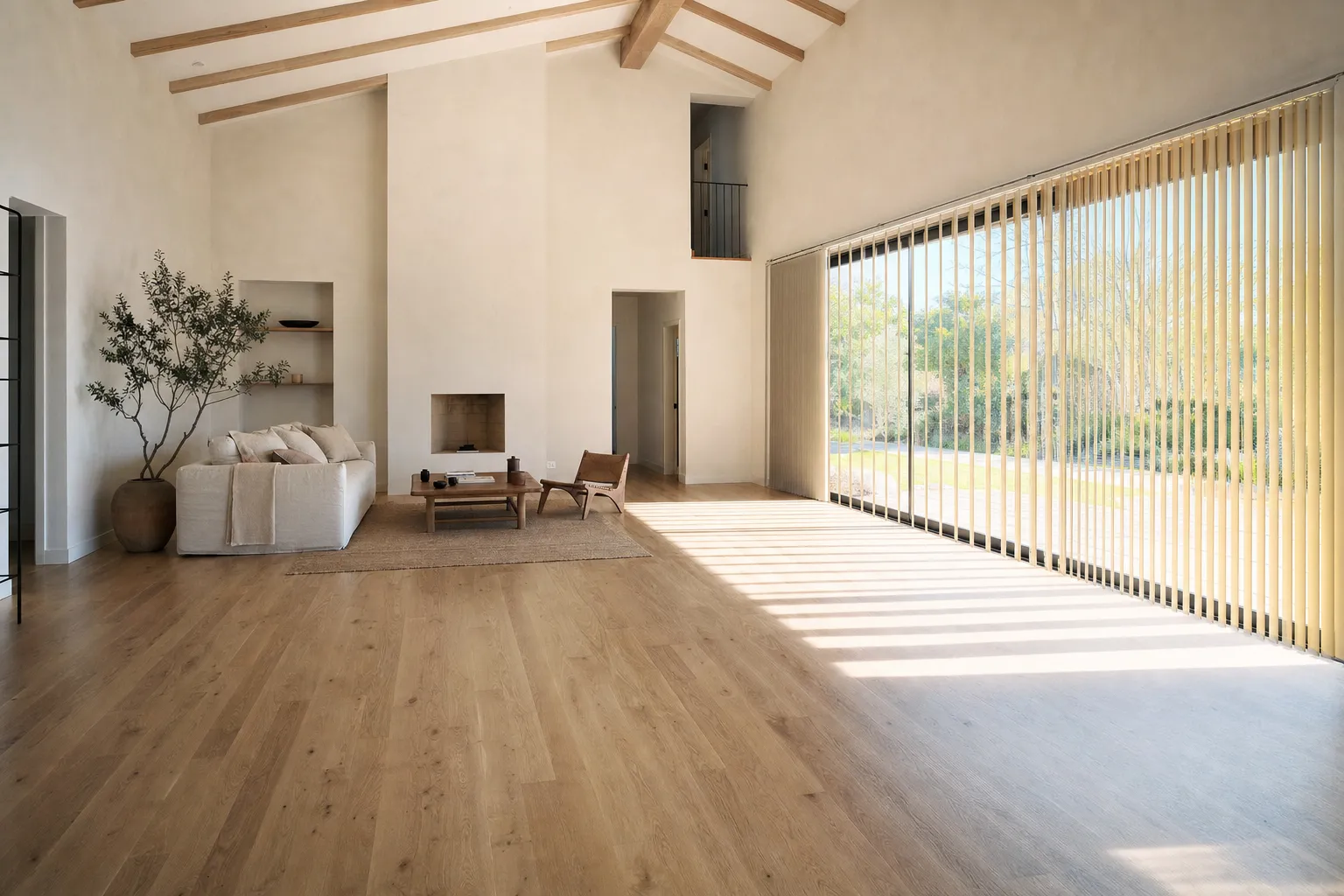
Illustrative room photograph; not a local installation.
In short
Oakville is on our service list. Blinds Company measures at home, discusses the fabric and fit, and offers blinds, shades, curtains and installation. The starting point is what your opening must do, not a fixed product for every room.
Book
Let's measure your light.
We come to you, measure at your own windows, and go through fabrics and fits together. The visit costs nothing.
$99 off when you order three or more blindsApplied to your written quote at the measure.
Rather just talk?(437) 782-5452Open 8am–9pm, 7 days
Start with the view you would miss
For an Oakville measure, it helps to begin with the view rather than a product picture. What do you want to keep seeing when the sun becomes uncomfortable? It might be a garden, the sky above another roof or simply enough daylight to avoid switching on a lamp. The answer determines how much visual openness matters and whether partial adjustment would be more useful than closing an entire expanse of glass.
Write down what you want the room to keep and what you want the covering to change. “Keep the garden, reduce the reflection on the television” is a clearer brief than “something modern.” A screen material may be relevant to that daylight problem, but it needs a separate conversation about night-time privacy. A pale appearance does not establish opacity, and a darker appearance does not establish how much view will remain.
Blinds Company serves Oakville with home measuring and fitting. We offer a free in-home measure so fabrics and fits can be discussed at the window itself. Describe the view, the light and the space around each opening; two windows at one address can call for different treatments. The illustrated room above shows a roller arrangement; it is not presented as a completed local installation.
Give the large window an operating plan
If your main room has broad glazing, think about the movements you want before comparing materials. A single continuous blind brings one lower edge and one operation. Separate blinds let you shade the busy side of a room while leaving another section open. That independence can matter when a reading chair, television and dining table share the same space but react differently to the light.
The divisions already in the frame are useful clues. Aligning a covering division with a frame member can make a gap less conspicuous, but the mechanism width and fitting surface still need checking. Do not assume that the visible glass boundary is where a rail can be fixed. A shallow recess, handle or nearby wall may change the arrangement. The measured opening and the chosen product must be considered together.
Look at the raised position too. A roller gathers tightly around its tube; a roman shade retains a stack of fabric folds; a slatted blind also gathers when lifted. The available space above the glass determines how those different stacks affect the view. If the clear top edge is important to you, say so early. Compare roller blinds with roman shades by their movement, not by treating one photograph as a universal answer.
A patio route is part of the specification
A door used to reach an outdoor space has a traffic pattern as well as a light pattern. If it opens several times during a meal or while children move between spaces, a covering that needs a separate adjustment on every trip may become frustrating. Explain how often the route is used and which part of the opening actually moves. That description is more useful than calling the glass a patio window.
For a sliding opening, consider where the covering will gather when the passage is clear. For a hinged door, follow the swing and the handle’s travel. In either case, the lowered position must be compared with the everyday movement of the door. A fabric that brushes the handle or a rail that occupies the wrong part of the frame can spoil a choice that otherwise suits the room perfectly.
You can also separate the stationary glazing from the moving section. That may allow the fixed side to stay shaded while the passage remains available, provided the mounting and alignment work for the opening. The patio-door discussion explains why access comes before a broad product label. Bring a photograph of the whole door and nearby wall if you want to describe the arrangement before we visit.
Test evening privacy with the lamps in mind
A sample held against bright glass can look convincing and still leave the room more visible than expected after sunset. The balance of light changes: outside becomes dark while indoor lamps illuminate the people and furniture behind the covering. An open weave that was useful for a daytime view should not be assumed to become an opaque screen at night. Those are different performance questions.
For a room used mainly in the evening, decide how private it should feel with the lights you actually use. A table lamp close to glass can create a very different impression from a ceiling light farther into the room. If you are considering a second layer, explain whether it is for privacy, softness or decoration. A practical layer should earn the space it occupies when open as well as when closed.
Leave room for the fabric beside the glass
Curtains and drapery are among our confirmed services. They can be considered alongside blinds rather than treated as a separate problem for somebody else. However, the side space, fixing position and travel of the fabric need to be planned. If a window sits near a doorway or a cabinet, fabric gathered beside it may compete with that feature. The measure is the time to see those relationships at full size.
Follow the sun through the room, not through a sales label
One covering can be useful in several positions during the day. The important observation is where the light becomes disruptive, not whether the room faces a direction associated with strong sun in general. A roof overhang, another building or a tree can change the light at the glass. Judge the actual opening and the actual place where you sit, read or work.
If a bright patch crosses the table for a short period, you may value a quick adjustment more than a permanently dark material. If a screen reflection lasts for hours, a different degree of filtering may be worth discussing. A room used for a video call also has a camera problem: bright glass behind you can matter even when your eyes feel comfortable. Explain that use so it becomes part of the fabric comparison.
For a sleeping space, attention shifts to light entering through and around the covering. More overlap can be useful, but it needs a suitable fixing surface and room around the frame. Do not transfer a living-room choice to a bedroom merely to keep the order simple. A consistent colour can connect the spaces while their opacity and movement remain different.
Compare samples beside the finishes that will stay
Bring the stable parts of the room into the colour decision: flooring, trim, a sofa you plan to keep or the wall finish around the opening. A fabric viewed in isolation can appear neutral and then look surprisingly warm against a cooler wall. Backlighting also changes the appearance. The free visit gives you a place to discuss that relationship at your windows rather than relying on a screen’s colour display.
If you plan to redecorate, distinguish what is decided from what is still tentative. A covering ordered to match a temporary finish may feel wrong when the room is complete. Likewise, a future change to trim or doors can affect a measurement. Explain the sequence before settling the order. It is better to identify an unfinished surface than to treat the current dimension as the permanent one.
For an apartment or a building with common appearance requirements, obtain the relevant rules and share them before final selection. Check the requirements that apply to your own property. The outward-facing material, fixing method or access arrangements may matter, but the actual rules should set those requirements. A building name alone is not a substitute for the written information.
Turn the conversation into a room-by-room decision
At the measure, separate the decisions that can be shared from the ones that should differ. A colour family might run across the home, while the mechanism follows the opening. The main-room glass can prioritise a view, the door can prioritise passage and the bedroom can prioritise darkness. Naming those priorities avoids choosing one compromise and expecting it to work equally well in every room.
Blinds Company has 5+ years in business and is licensed and insured. The confirmed offer is the free visit to measure and discuss fabrics and fits. No fixed product price, delivery period or warranty term is asserted here. Review the proposal for your actual windows, and keep installation timing in the written quote rather than interpreting an illustrative room as a promise about your own project.
Before booking, choose a few openings to discuss and give each a simple job. You can use the free-measure enquiry even if you have not settled on a product. Mention a difficult door, a large pane or a privacy concern so the conversation starts in the right place. The result you are aiming for is a room that remains pleasant to use throughout its normal day, with the view and access you wanted to preserve.
Last updated .
Everything we make
The rest of the range, in Oakville.
Each is wrong somewhere. Its page says where.
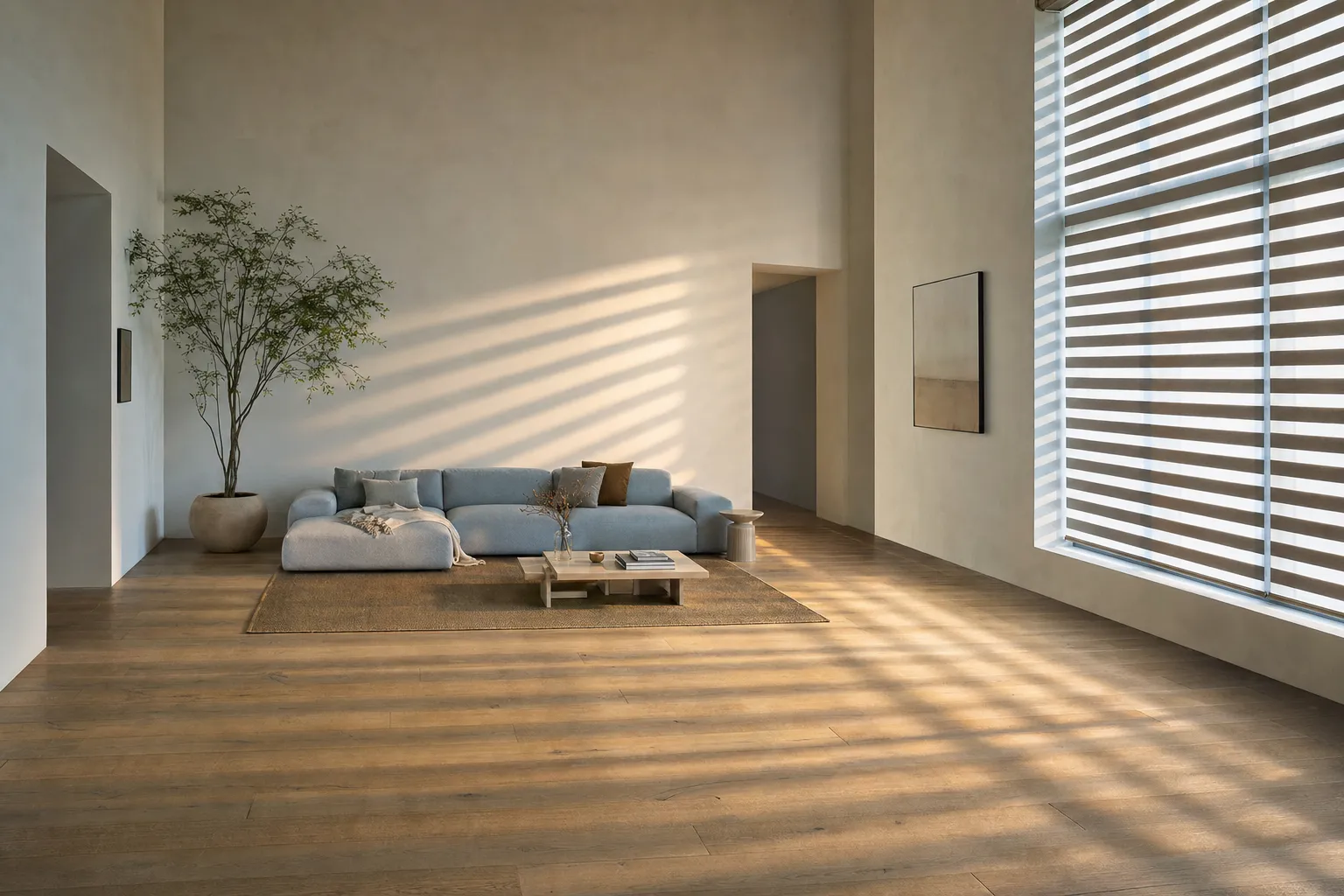
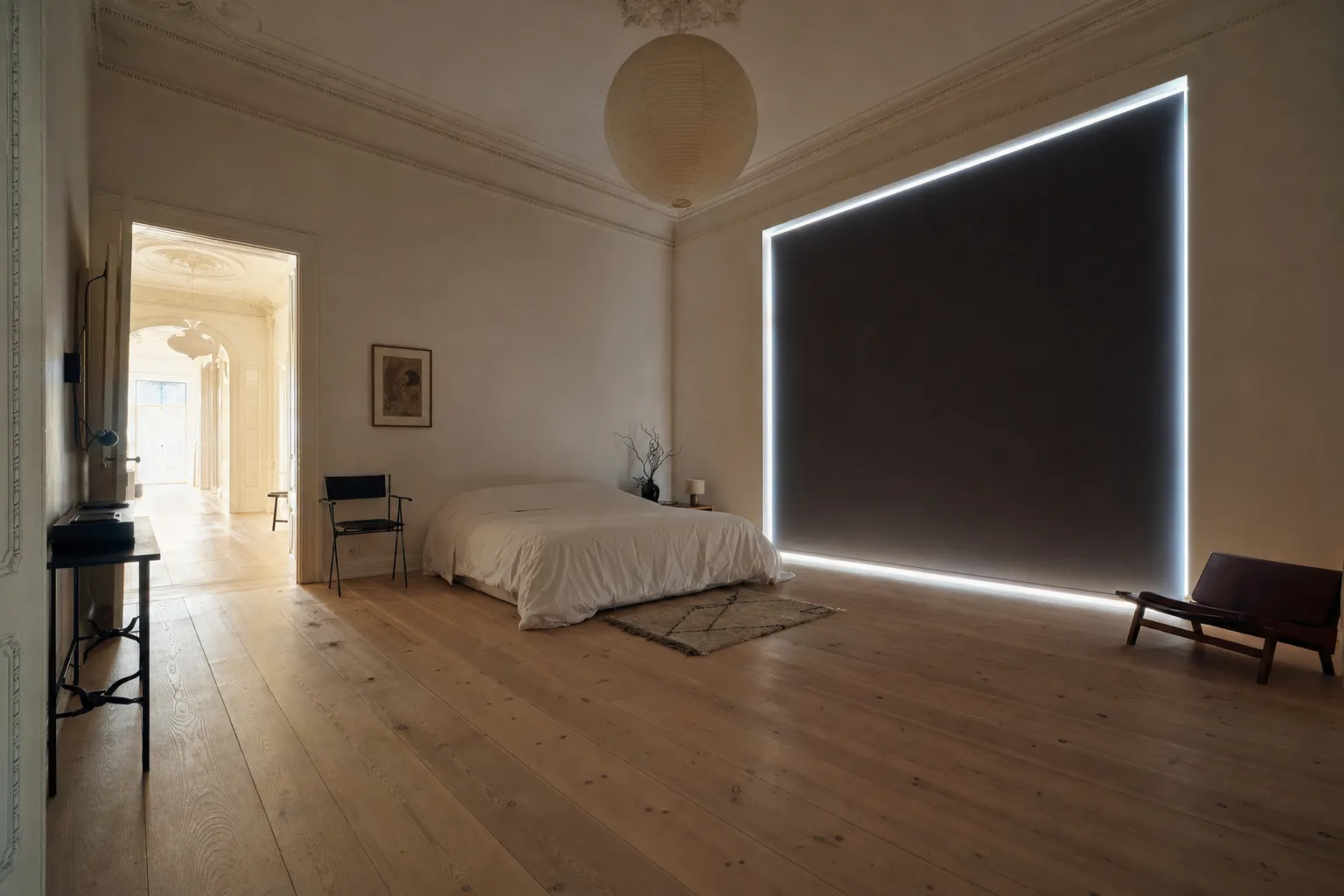
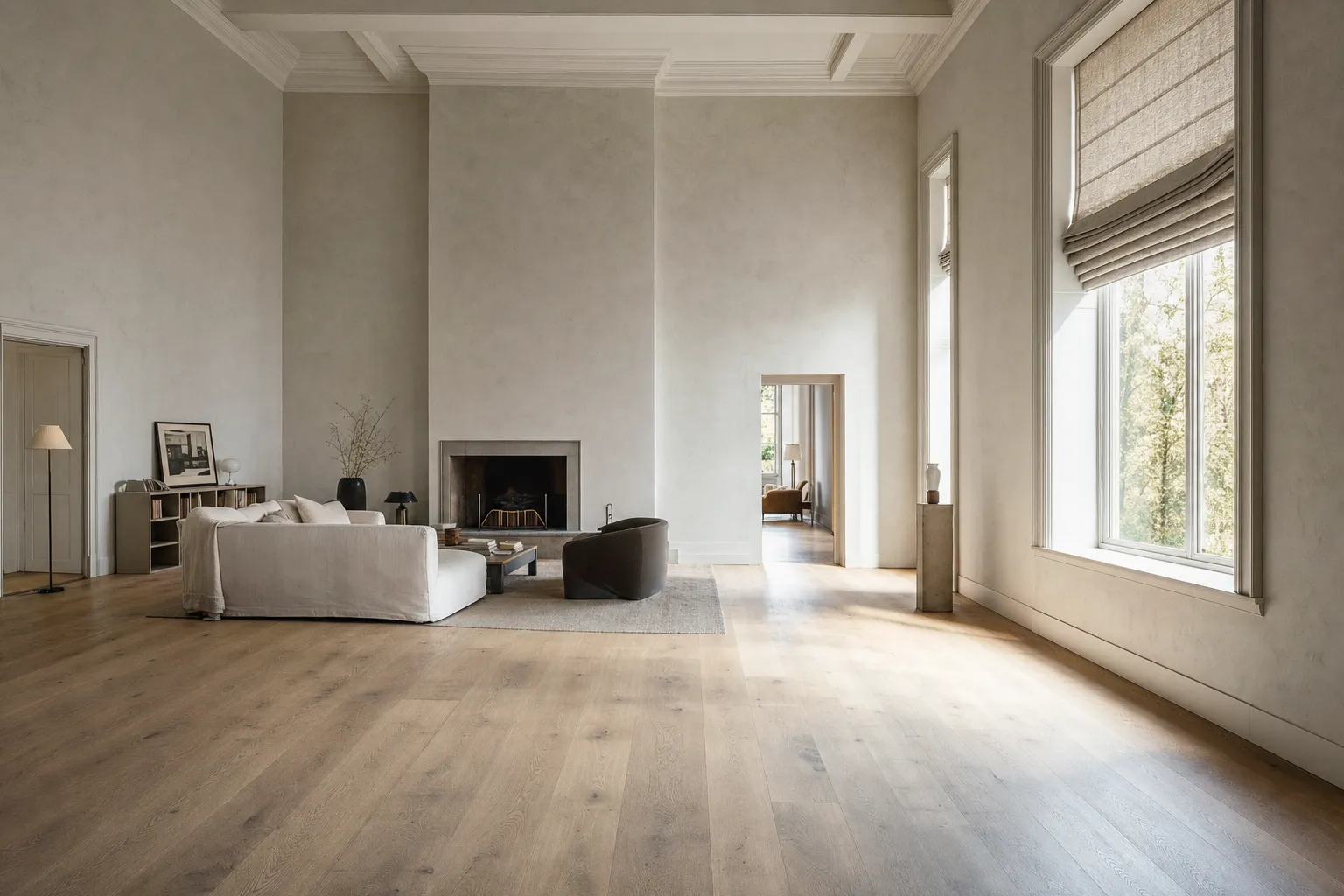
Show us the view you want to preserve and the part of the room you want to shade.
Questions
Before you book
Is one large roller better than two smaller coverings?
A continuous covering can look calm, while separate sections allow different positions across the glass. The width, supporting surface and opening parts decide what is practical. If one side faces a desk and the other side faces a view, independent movement may be useful. Check where the gap between sections would fall rather than treating the choice as appearance alone.
Can the patio door still be used while a blind is down?
That depends on where the blind sits and which direction the door travels. A covering across an entire opening may need to be raised or moved before you pass through. Hardware attached to a door has different clearance questions. Show the complete movement during the measure, including the handle position, and explain whether the door is used occasionally or repeatedly throughout the day.
Should I choose the fabric colour before the visit?
A favourite colour is a useful starting point, but keep it provisional. The same sample can look warmer, cooler or more transparent against your own daylight. Compare it with the room finishes and check the outward-facing appearance if that matters to the building. You are choosing a surface that will spend much of its time lit from behind, not simply a paint chip.
Can curtains and blinds be considered together?
Yes, both are in the company's service list. Discuss what each layer would contribute: a blind might handle daytime glare and curtains might provide a different evening appearance. The wall space for the track or pole and the place where open fabric gathers still need checking. Two layers should have separate useful jobs rather than make an already difficult opening harder to operate.
Which Oakville window would you like to leave open to the view for longer?