Blinds in Milton
Made-to-measure blinds and shades across Milton, a town where most of the houses are younger than the people living in them. Measured in your own rooms and fitted by the crew that took the numbers.
Blinds Company · Rated 4.8 out of 5 on Google
Free in-home measure · open 8am–9pm, 7 days
In short
Almost everything we measure in Milton was built in the last twenty-five years, which makes it the most predictable place in the GTA to fit a blind and the place where the most blinds are already on the windows. The openings are square and the frames are true, so the interesting question is not whether something will fit — it is whether the builder's blinds are worth replacing, and in which rooms. Usually the answer is four of them. The visit is free.
Book
Let's measure your light.
We come to you, measure at your own windows, and go through fabrics and fits together. The visit costs nothing.
$99 off when you order three or more blindsApplied to your written quote at the measure.
Rather just talk?(437) 782-5452Open 8am–9pm, 7 days
The newest town we work in
Milton grew faster than almost anywhere in the country through the 2000s and 2010s, and the result is a town where the overwhelming majority of houses are under twenty-five years old.
For fitting blinds, that is unusual and it simplifies half the job. The openings are square, because the frames went in recently and nothing has had time to settle. The reveal is a consistent depth across a window rather than varying by a centimetre from one end to the other. Two windows in the same room are the same size as each other. A measurement taken at the top is very likely to match the one taken at the bottom.
None of that is true in a century house, and it means the conversation here starts somewhere different. Almost nobody in Milton rings us because a blind will not fit. They ring because the blinds they already have are not doing the job, and they want to know which ones are worth changing.
The same plan, mirrored, facing the other way
Walk a street in Beaty or Scott and you will see the same four or five house plans repeating, and roughly half of them flipped left to right. That is normal subdivision practice and it produces something genuinely useful: your neighbour’s house is often your house reversed.
It also produces a trap that catches people every year.
The plan is the same, so the windows are the same size in the same rooms — but the orientation is not. Your kitchen faces east and theirs faces west. Your primary bedroom takes the morning sun and the identical bedroom four doors down takes the afternoon. Two houses that are physically the same building need close to opposite specifications, and the advice that worked next door is frequently the wrong advice for you.
We hear the consequence regularly, and it always sounds like this: someone across the street had a particular fabric fitted, it looked excellent, the same thing was ordered for the matching window, and it is not right. Nothing was mis-sold. It was matched to the wrong variable.
The useful version of the neighbour comparison is the reverse one. Find the house on your street with your orientation rather than your floor plan — the one whose back faces the same way yours does — and look at what works there. Orientation decides the fabric. The plan only decides the sizes.
The second thing repetition gives you is honest pricing information. In a street of identical plans, we have often measured the same window before, so a question like “what would the family room cost” has a genuine answer on the phone rather than a range. That is worth using: it lets you decide whether the visit is worth booking before anybody arrives.
What builder blinds are, honestly
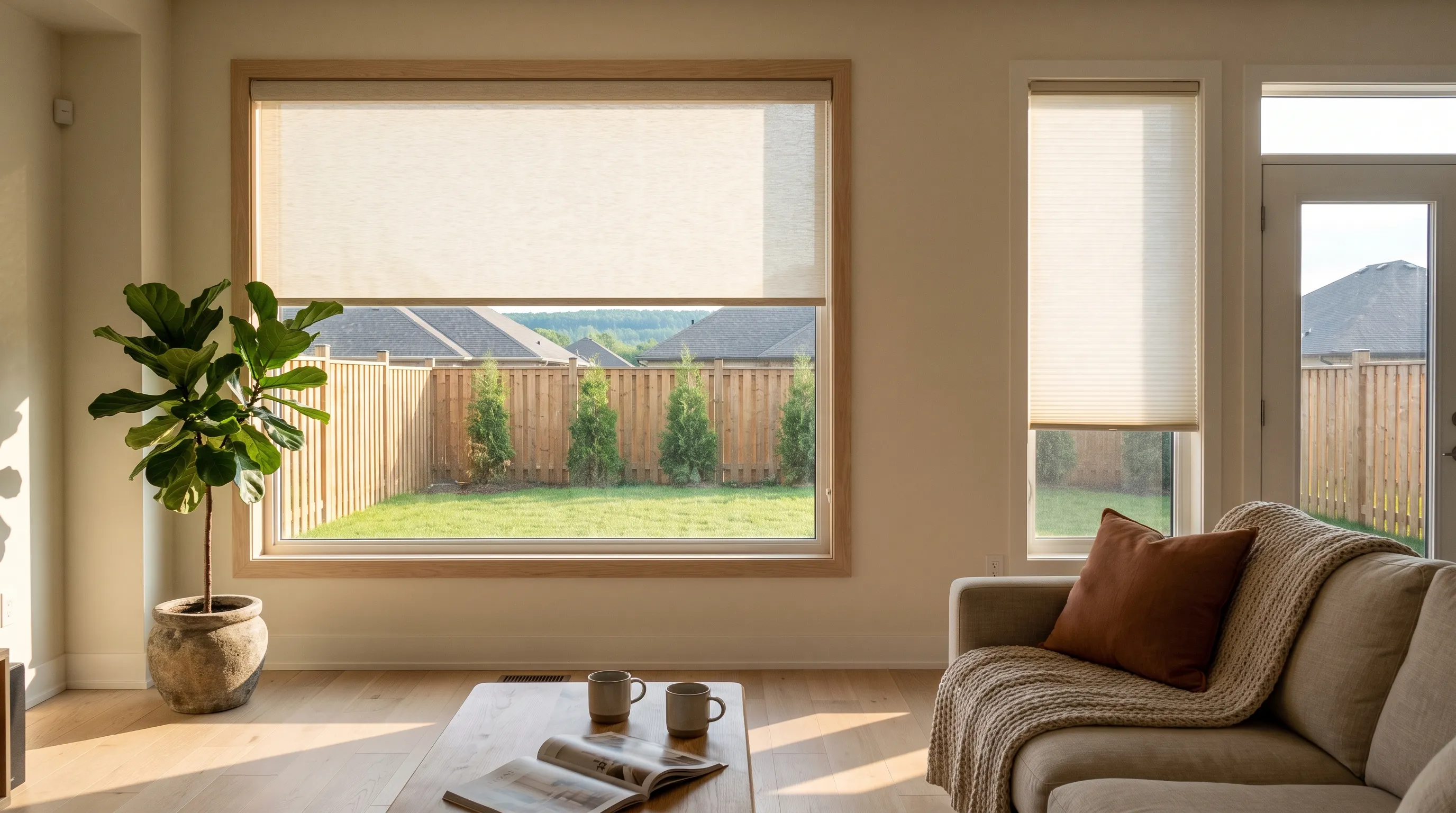
Nearly every house here came with something on the windows, and it is worth being fair about what that something is: a single specification chosen once at a volume price for the whole street, usually a light-filtering roller or a thin faux-wood venetian in a standard size.
The issue is not quality — it is that one choice cannot serve twenty openings facing four directions. The bedroom got the hallway’s cloth. And because a standard size is fitted inside the opening, the clearance gaps down the sides are wider than a measured blind would need, which nobody notices in a hall and everybody notices at half past five in June.
The four windows worth doing
If somebody rings from a Hawthorne Village or Harrison house and asks what to replace, the honest answer before we have seen it is usually: four windows.
The room somebody sleeps in that faces east. In a subdivision with wide streets and low fences there is nothing between an east window and the sun at half past five in June. This is the only window in the house with a testable result: either the room is dark enough to sleep in at that hour or it is not.
Whatever faces west in the living space. In most of these layouts the family room is at the back and a good number of those backs face west. Between four and seven in the afternoon that room becomes unpleasant, and the household quietly migrates elsewhere without anyone deciding to.
A child’s room, if there is one. Partly for darkness and partly because builder blinds fitted before 2021 may have a cord. New blinds sold in Canada have had to meet limits on reachable cords since 1 May 2021, but a blind already hanging on a wall is exempt by age rather than by being safe.
The window over the kitchen sink, if the builder put something there that blocks the view. This is a comfort item rather than a necessity, but it is the window most looked through in the house.
Everything else — the landing, the hall, the powder room, the basement, the formal room nobody sits in — can keep what it has.
Wind off the escarpment
Milton sits at the foot of the Niagara Escarpment with a good deal of open agricultural land to the west, and there is not much between that open ground and a subdivision.
This matters for exactly one thing, and it is a thing nobody thinks about until it happens: a window that is actually opened. On a breezy day anything hanging loose in front of an open window will move, and a light roller or an unweighted vertical will knock against the frame for as long as the window is open. It is not damage. It is just irritating enough that people stop opening the window.
The fix costs very little — a weighted bottom bar, a slightly heavier cloth, or a product that clears the opening rather than hanging across it. It is worth asking for on the rooms you ventilate rather than paying for it throughout the house.
The escarpment has a second, smaller effect on the west-facing rooms in the newer parts of town. It is high enough to cut the last part of the afternoon on some streets, which means a west window in Milton is sometimes an easier brief than a west window on flat ground further east. That varies by street and by how far up the slope you are, and it is another reason the specification is made in the room.
Old Milton, which is a different town
The original core around Main Street is a genuine exception to everything above: older housing, deeper reveals, wooden frames, and openings that have had decades to move.
Those get treated the way any older opening does. Diagonals checked before anything that ends in a rigid bar is promised. Inside mount where the reveal allows, because a deep reveal hides a headrail completely and keeps the casing visible. Outside mount where the opening has gone out of true, with the honest trade acknowledged: the overlap forgives the error and it also covers the trim.
The pleasant part of that work is that once the geometry is settled, the decision goes back to being about the room rather than about the window.
Stacked townhouses and back-to-backs
Milton has a large stock of townhouses, including back-to-back and stacked forms in the newer phases, and they bring a specific problem: living space on the middle floor, facing another row of living space across a narrow gap.
The sightline between those two rows is close and level. That is the floor where people spend their evenings, and it is why a fabric that manages a bright day and a lit evening with one product sells so well in these communities — closing something solid at dusk and having something sheer through the day, without hanging two separate things.
The upper floor bedrooms want something different again, and the ground floor is usually a garage and a small room that needs almost nothing. Buying one fabric for all three levels is tidy and it serves the middle floor while failing the top.
What the visit involves
A call first, asking which rooms bother you and how — not what you would like to buy.
Then a visit, which in a house of this age is quicker than in an older one because the geometry cooperates. Every opening still gets its own numbers; we do not measure one window in a row of three and assume.
The part that takes the time here is different: looking at what is already hanging, room by room, and saying plainly which of it is fine. That is not a sales conversation and it usually shortens the quote rather than lengthening it.
Samples get held up at the window, in the room’s own light, at roughly the hour the room misbehaves. You keep a written quote with a line for every opening, and there is no deposit and no card.
The advice we give most often here
Do not replace the lot.
The instinct when the builder blinds start annoying you is to treat all of them as the problem, because they arrived together and they look the same. But the ones in the hall have never bothered anybody, and they never will. Four windows in a Milton house are doing the work that matters, and doing those four properly costs a fraction of doing twenty-two adequately — and produces a house that feels considerably better.
Last updated .
Everything we make
The rest of the range, in Milton.
Each is wrong somewhere. Its page says where.
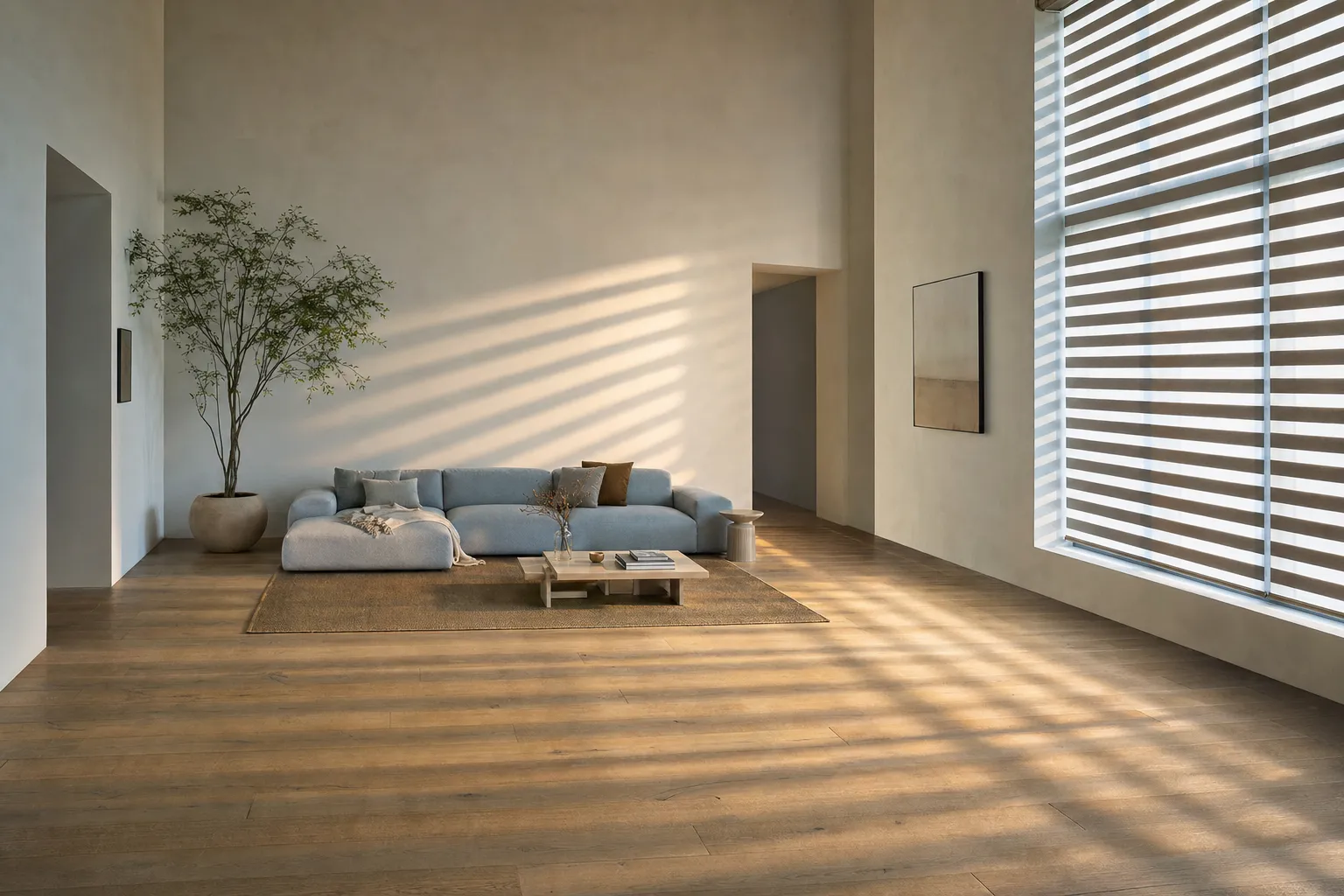
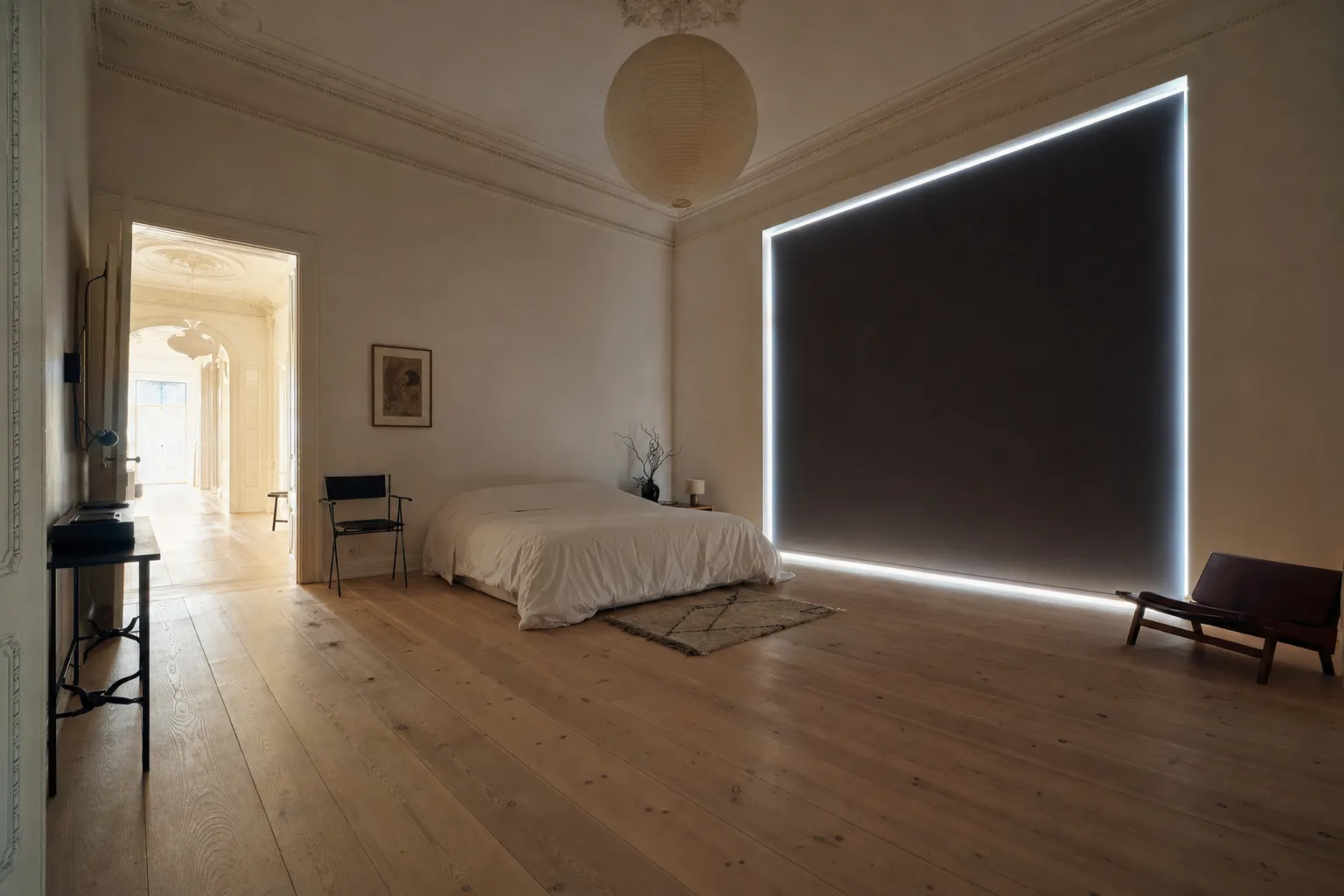
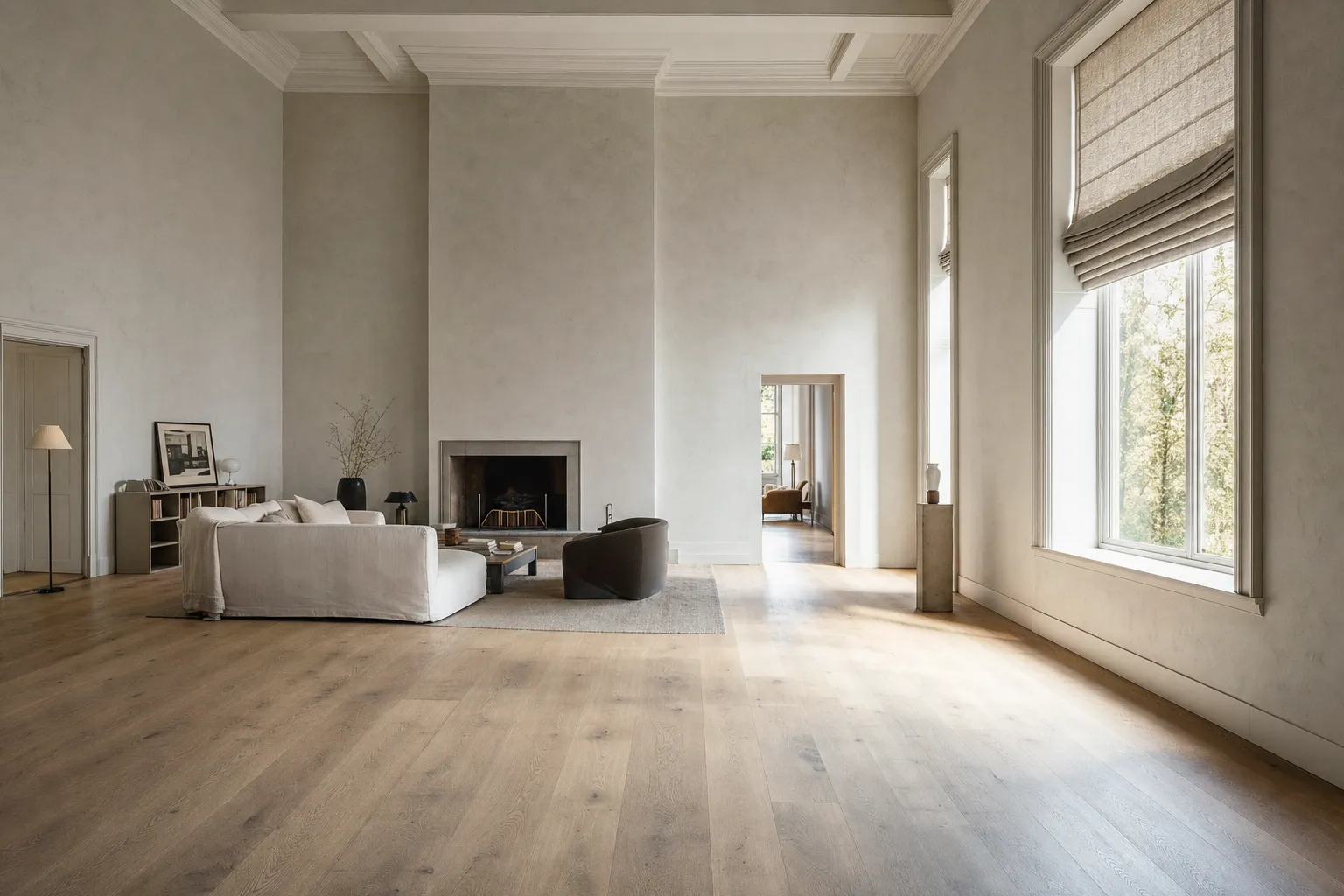
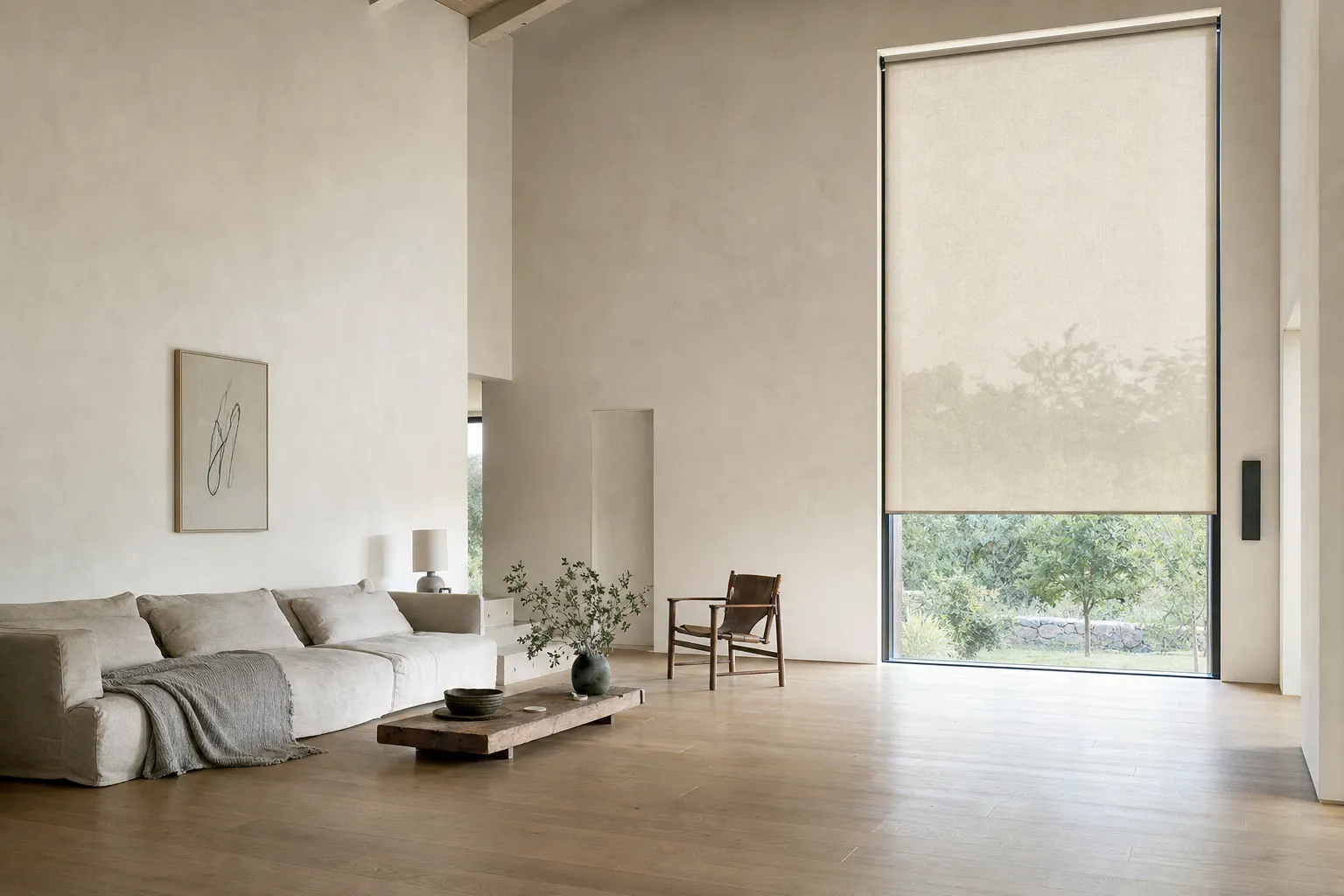
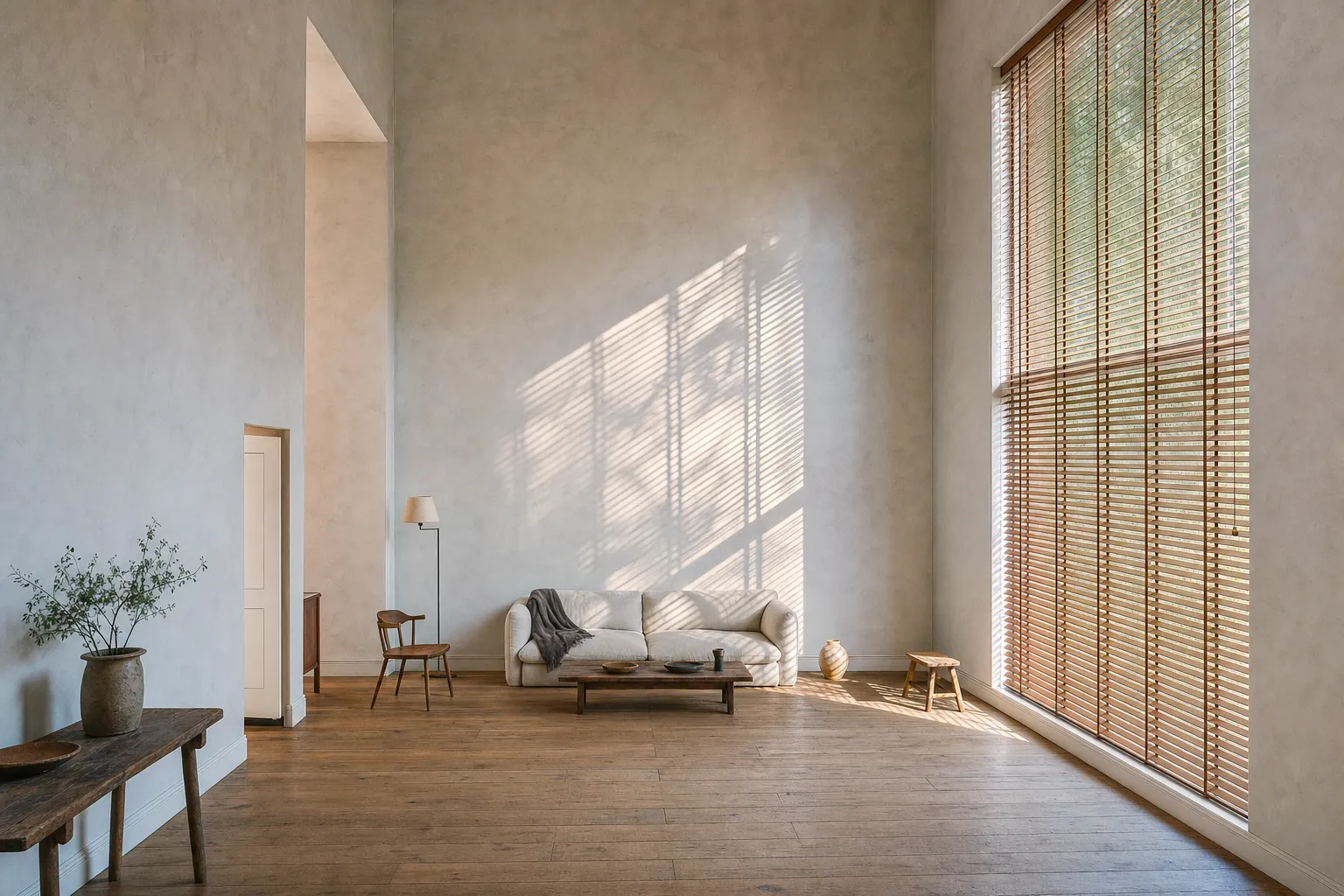
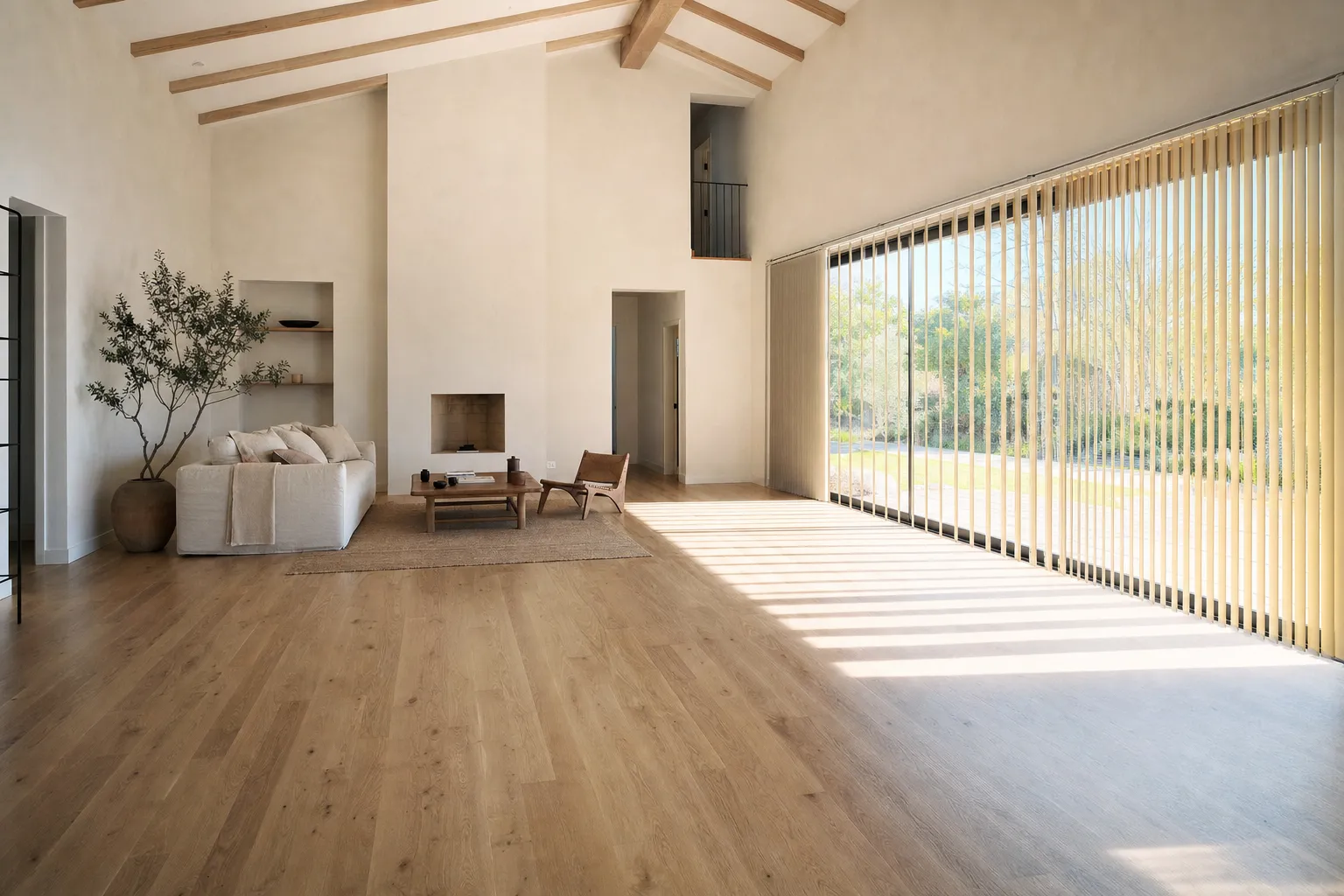
Four windows are worth doing properly. We will tell you which four for nothing.
Our commitment
Your frames are square, so if it does not sit right the fault is ours.
If it does not fit, we remake it
You never held the tape.
Nothing owed before you agree
No deposit, no card.
Licensed and insured
Both, before we come in.
Your date, in writing
Set at the quote. It does not move.
We will tell you not to buy
If a stock size does it, you hear so.
Cordless where a child sleeps
Standard, at no extra charge.
Reviews on Google
What people said afterwards.
Rated 4.8 out of 5 — the ones below are quoted in full, with a link to check each on Google.
I'm thoroughly impressed with Blinds Company. From the initial consultation to the final installation, their team delivered exceptional service, expertise, and quality.
Oleksandr StakhurskyiHighly recommend Nick and his team. They installed blinds in my house. Looks wonderful, cheers
Timur Shafikov
Real names, real dates, and a link to all of them — including the ones we would not have picked.
Read them on GoogleQuestions
Before you book
The house is four years old. Is anything likely to have moved yet?
Not the frames. What does move in the first few years is the drywall around them, as the house dries out and settles — so a reveal can end up a few millimetres out of square even though the window itself is perfectly true. It is small, it is normal, and it is why we still measure three times across rather than once even in the newest houses here.
The house came with blinds. Which ones are worth replacing?
Usually the bedrooms and whatever faces west, and usually nothing else. Builder blinds are one specification bought for every unit on the street, so the same light-filtering cloth went into the hallway and into the room where somebody is trying to sleep at half past five in June. They are genuinely fine in a hall, a landing or a powder room. Replacing all of them is the most common way to spend money here without improving anything.
Why are the openings so consistent in Milton?
Because the housing stock is new. Most of what we measure went up between 2001 and today, so the frames are square, they have not settled, and the reveal is the same depth from one end of a window to the other. That makes the fitting straightforward and moves the whole conversation onto fabric and operation instead of geometry.
Does the escarpment affect anything?
Wind, mostly, and it is a real consideration on a window you actually open. Milton sits at the foot of the escarpment with a lot of open ground west of the town, and there is little to break the wind before it reaches a subdivision. Anything hanging loose in front of an open window will move and make noise. A weighted bottom bar costs very little and solves it.
We have a bungalow in Old Milton. Different rules?
Yes — that is the one part of town where the frames have had time to move, so we check both diagonals before recommending anything that ends in a rigid straight bar. The reveals are usually deeper too, which is an advantage: a deep reveal will hide a headrail completely and keep the trim visible.
Can you match what is already on the other windows?
Often closely, rarely exactly, and it is worth being honest about that before you order. Builder ranges change and the cloth on your windows has been in the sun for a few years. Matching within a room is straightforward; matching a five-year-old blind in the next room usually means matching the colour it is now rather than the colour it was.
Do you charge to come out this far west?
No. Milton is inside the area we cover as standard and no travel line appears on the quote. The measure and the written quote cost nothing.
If the builder's blinds are annoying you in exactly two rooms, that is a small job and worth a phone call rather than a project.