Blinds in Woodbridge
Blinds and shades in Woodbridge, measured for the whole opening rather than just the glass. Look at the reach, the raised position and the moving parts before deciding which covering belongs in each room.
Blinds Company · Rated 4.8 out of 5 on Google
Free in-home measure · open 8am–9pm, 7 days
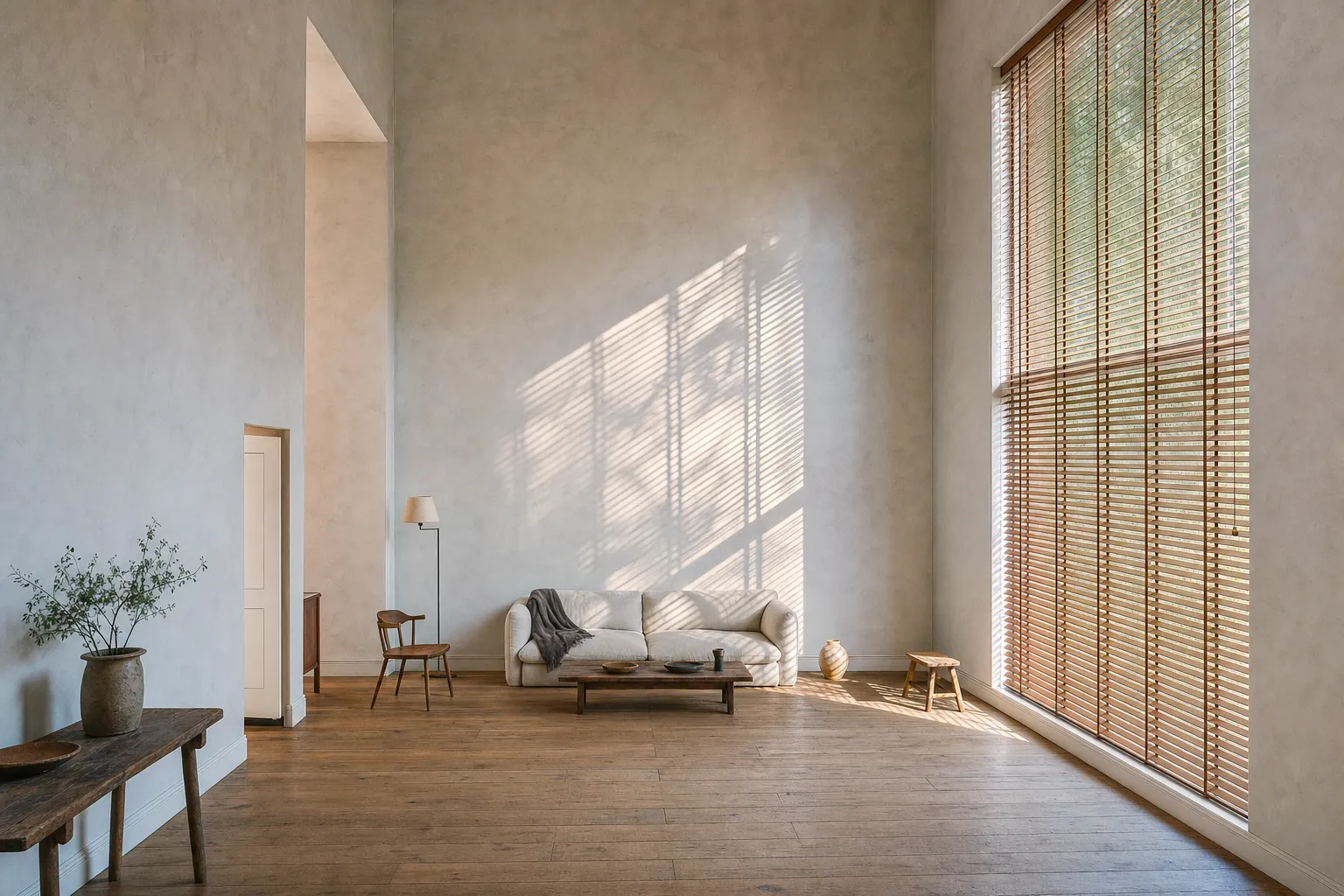
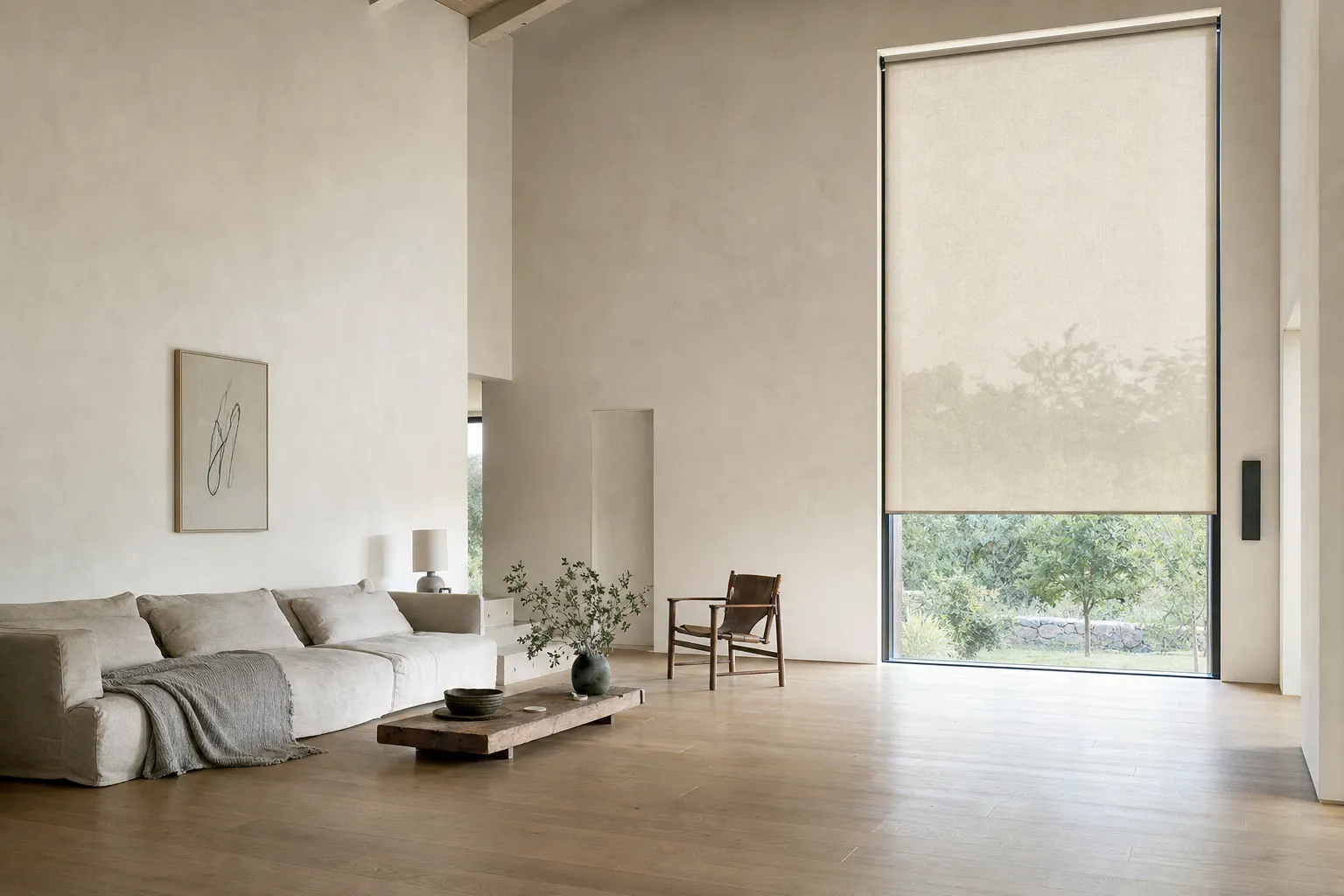
Illustrative room photograph; not a local installation.
In short
Our free home measure is available in Woodbridge. Blinds Company offers custom coverings and installation, with fabrics and fits discussed where they will be used. Clear access and comfortable adjustment are part of choosing a practical window treatment.
Book
Let's measure your light.
We come to you, measure at your own windows, and go through fabrics and fits together. The visit costs nothing.
$99 off when you order three or more blindsApplied to your written quote at the measure.
Rather just talk?(437) 782-5452Open 8am–9pm, 7 days
Measure the opening as a moving space
For a Woodbridge home, the useful starting point is not just how wide the glass looks. Consider the opening as a space containing a frame, handles, fixing surfaces and a covering that must move. A successful arrangement leaves those movements comfortable. A blind that sits neatly while closed can still be inconvenient if it blocks a handle, gathers in front of an opening pane or puts its control behind furniture.
Walk through your ordinary adjustment before the visit. Which side do you approach from? Do you reach across a chair? Is the window opened regularly, or does it remain fixed while the blind changes position?
Those details tell us more than a broad style preference. They also explain why two windows of similar size can need different mounting or control decisions.
Woodbridge is included in the owner’s selected service destinations. Blinds Company offers a free in-home measure and a range of blinds, shades, curtains and installation. We can discuss the fabric and fit at your own openings without assigning a supposed local house style to the address. The tall-window photograph is illustrative; it is not a claim that the pictured room or installation belongs to a Woodbridge customer.
Check a tall window from the floor where you use it
If your room has a tall opening, stand at the positions from which you normally see and adjust it. The top of the glass may matter visually from the doorway while the lower part matters for privacy from a chair. Treat those as different observations. A product photograph taken at window height can hide the fact that the control will be beyond a comfortable reach in your room.
Keep the control within comfortable reach
Motorized blinds are among our confirmed services, and they can be considered where manual adjustment would be awkward. The discussion still needs to include how the chosen system is powered, how it can be accessed and which controls are available. A remote or an app is part of a system, not a blanket promise of compatibility with every device you already own. Confirm the details for the actual proposal.
Installation access and later maintenance are also separate from daily operation. Furniture, a stair edge or other room features may change what can safely be reached. Show them in a wide photograph if you are explaining the opening before the measure. The motorized-blinds page introduces the control question; the visit is where it can be connected to your real layout.
Paired windows can share a line and keep their independence
Two openings on one wall often look like one decision, but their light and use can differ. One might sit behind a reading chair and the other beside a television. If both blinds always move together, you can end up shading a view you wanted to keep merely to solve glare elsewhere. Independent adjustment is worth considering when the room has more than one activity.
For visual consistency, discuss the features you want to align. The lower edges might meet when the coverings are partly lowered, or the headrails might share a height when everything is raised. Identical cloth does not automatically create either result. Different frame depths or mounting positions can alter how matching blinds appear, so each opening should be assessed rather than ordered from the other one’s dimensions.
Also decide whether a difference should remain visible. A door next to a fixed window may need a different movement, and forcing a visual match can make access worse. A coordinated colour or texture can connect the pair while allowing the mechanisms to suit their jobs. That is a useful compromise to discuss openly rather than expecting one product to answer every part of a mixed opening.
Tilt and lift answer different questions
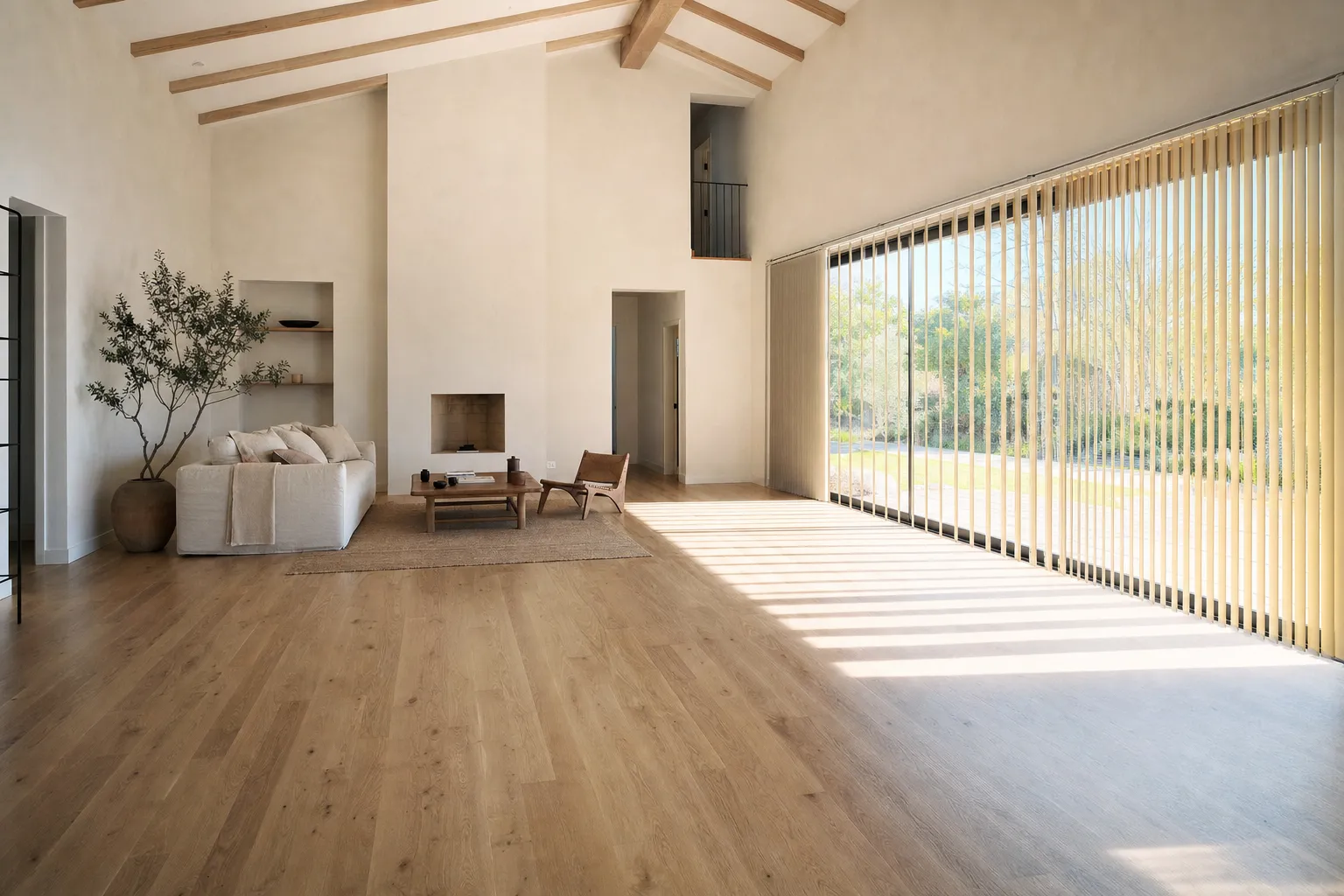
Slatted blinds can change the angle of light without being lifted clear of the glass. That can be useful when you want to moderate brightness while keeping a degree of openness. Lifting a slatted blind is another movement, with its own gathered stack. Think about which movement you expect to use daily, because a product chosen for its closed appearance may spend most of its life tilted.
With a roller or a roman shade, the height of the lower edge becomes the main adjustment. A roller winds onto its tube, whereas roman fabric forms folds above the opening. Either can suit a room, but they occupy different amounts of visible space when raised. If the upper glass is important to a view or to opening a pane, look at that position before choosing the material.
Window ventilation remains a separate movement. A tilting blind does not create room for a projecting handle, and a raised shade is not necessarily clear of a top-opening section. Demonstrate the pane’s path and compare it with the covering’s path. The venetian-blinds page describes slat adjustment, while the measure checks whether that behaviour is practical at your frame.
Leave a usable route around glazed doors
When a door shares the wall with other glazing, begin with the passage through the room. Follow the path a person takes carrying a bag or a tray, and notice where fabric or a lowered bar would sit. A covering that is easy to move from a standing position beside the window may be inconvenient when the door is used repeatedly from the opposite side.
The door’s handle and swing need their own space. If a covering moves with the door, it must coexist with the hardware attached to it. If it spans the surrounding opening, it may need to be moved clear before the door is used. Explain which behaviour would suit your routine. Neither arrangement should be promised from a close photograph that omits the wall, hinges and adjacent surfaces.
For curtains, account for the open stack as well as the closed span. The gathered fabric can narrow a passage or sit near furniture. For vertical or panel-style movement, discuss where the covering goes when the opening is clear. Our door-covering page is a useful starting point, but the full route through your Woodbridge room is what settles the practical questions.
Put comfort ahead of a matching catalogue picture
A room photographed with every blind at exactly the same height can look calm, but that is only one moment. Your room may need different positions while somebody reads, watches television or works near the glass. Picture those activities before deciding that coordinated appearance must mean coordinated movement. The covering should support the routine you have, not require the room to stay arranged like a display.
Privacy should also be judged from the normal seats and doorways. A material that filters daylight may not provide the evening barrier you want once indoor lights are on. If the room has several uses, identify which one demands the strongest privacy and whether an additional layer would have a real purpose. Do not rely on a fabric’s apparent darkness in a photograph to answer that question.
In a bedroom, light at the edges can matter even when the material is opaque. In a work area, a bright gap can reflect into a monitor. Those different consequences should be discussed as part of the fit. A shared colour family can still run through the home while opacity and coverage vary. Matching should make the home feel considered without concealing the windows’ individual needs.
Bring an access list to the free visit
For each opening, note any handle, nearby furniture or difficult reach that affects it. This list does not need technical words or exact dimensions. Describe what you do now and what you would like to become easier. If an opening is part of future work, say what will change. The final fit should relate to the finished surfaces rather than a guessed future arrangement.
Blinds Company is licensed and insured, with 5+ years in business. The free offer covers coming to your home, measuring at the windows and discussing fabrics and fits. Read the quoted work alongside the materials and fitting choices you discussed and keep the installation date in the written quote.
Use the measure booking page to describe the Woodbridge room you want to improve. Start with the window that interrupts the daily routine most often: the one you cannot reach, the pair you constantly adjust or the door whose covering gets in the way. That makes the visit a focused conversation about usable openings, with the visual choices following the practical plan.
Last updated .
Everything we make
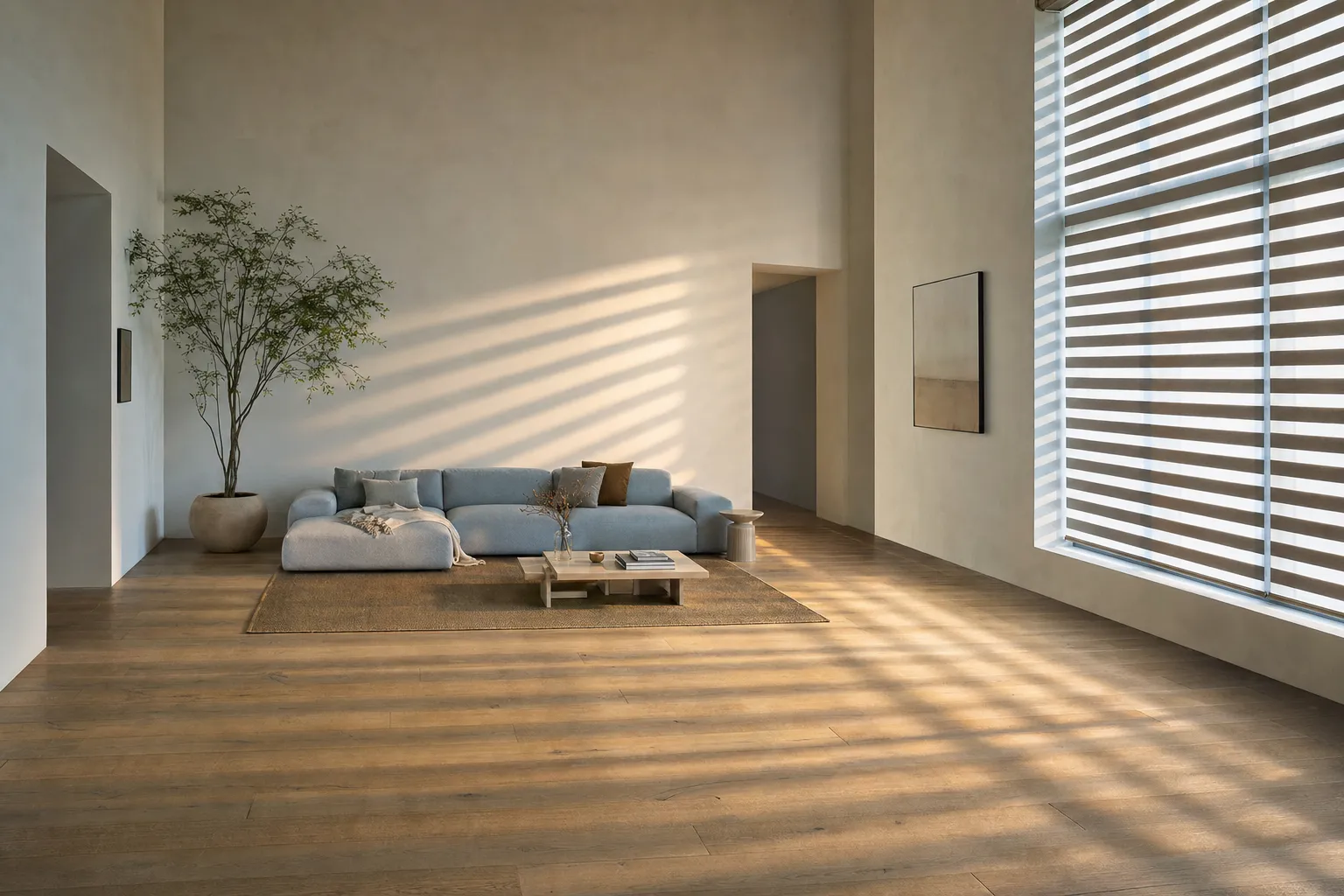
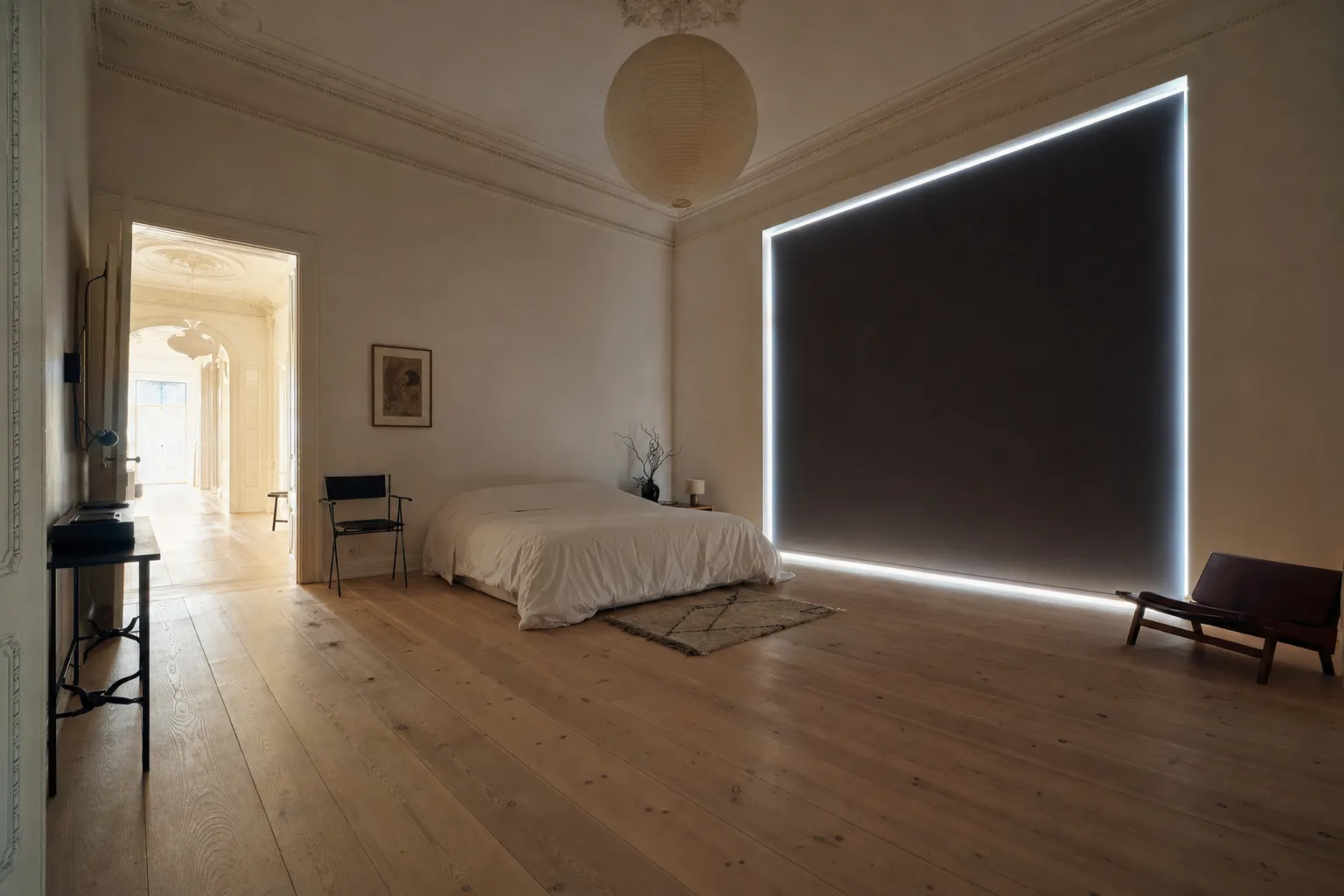
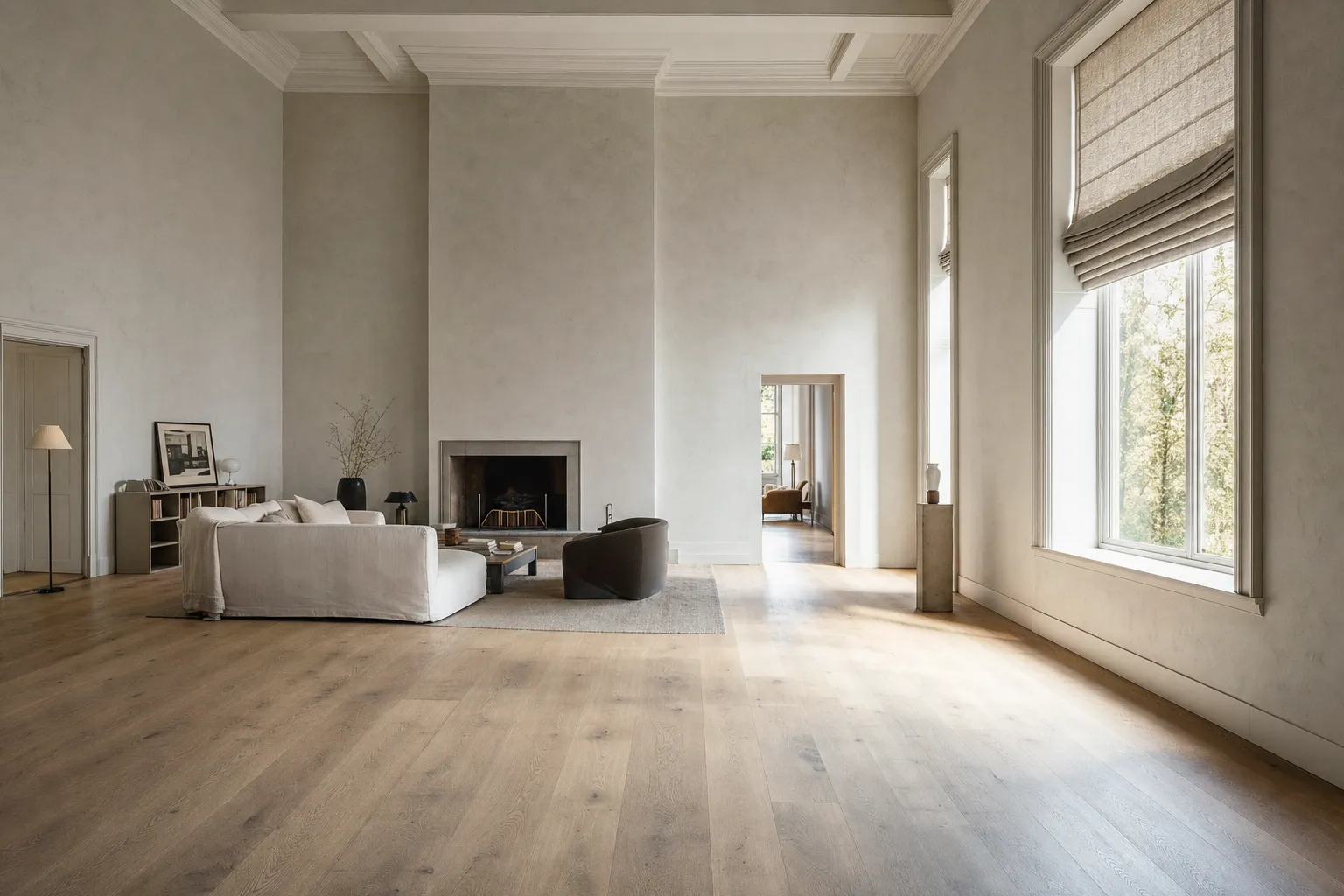
The rest of the range, in Woodbridge.
Each is wrong somewhere. Its page says where.
If you cannot reach that window comfortably, make it the first one we discuss.
Questions
Before you book
Must paired blinds always move at the same time?
No. Independent adjustment can be useful if the two openings serve different parts of the room. A shared visual line can still be considered when the blinds are at rest. If you want coordinated movement, discuss the available control system and confirm its limits for the selected product. Matching widths and matching behaviour are separate decisions.
What should I mention about a hard-to-reach opening?
Explain the height, what stands below it and how you currently adjust or clean it. A photograph from farther back is often more useful than a close picture of the glass. Access for measuring, fixing and later maintenance all deserve consideration. Do not assume that a motor alone solves the physical work of reaching the opening when installation or servicing is needed.
Is tilting a blind the same as opening the window?
Tilting slats changes the direction and amount of light through the covering. It does not move the window frame or guarantee clearance for its handle. Demonstrate the opening pane separately, then consider the blind in its lowered and raised positions. The two movements need to coexist without the mechanism or fabric occupying the handle's path.
Can I keep a large sofa close to the glazing?
Often the furniture can stay, but show the position before settling the control side and the fabric travel. A blind may need clear space to move, and a curtain needs somewhere to gather. Think about a seated person's reach as well as the view from across the room. The best arrangement should not depend on shifting the sofa every time you want daylight.
Show us the Woodbridge opening that is awkward to reach or move around.