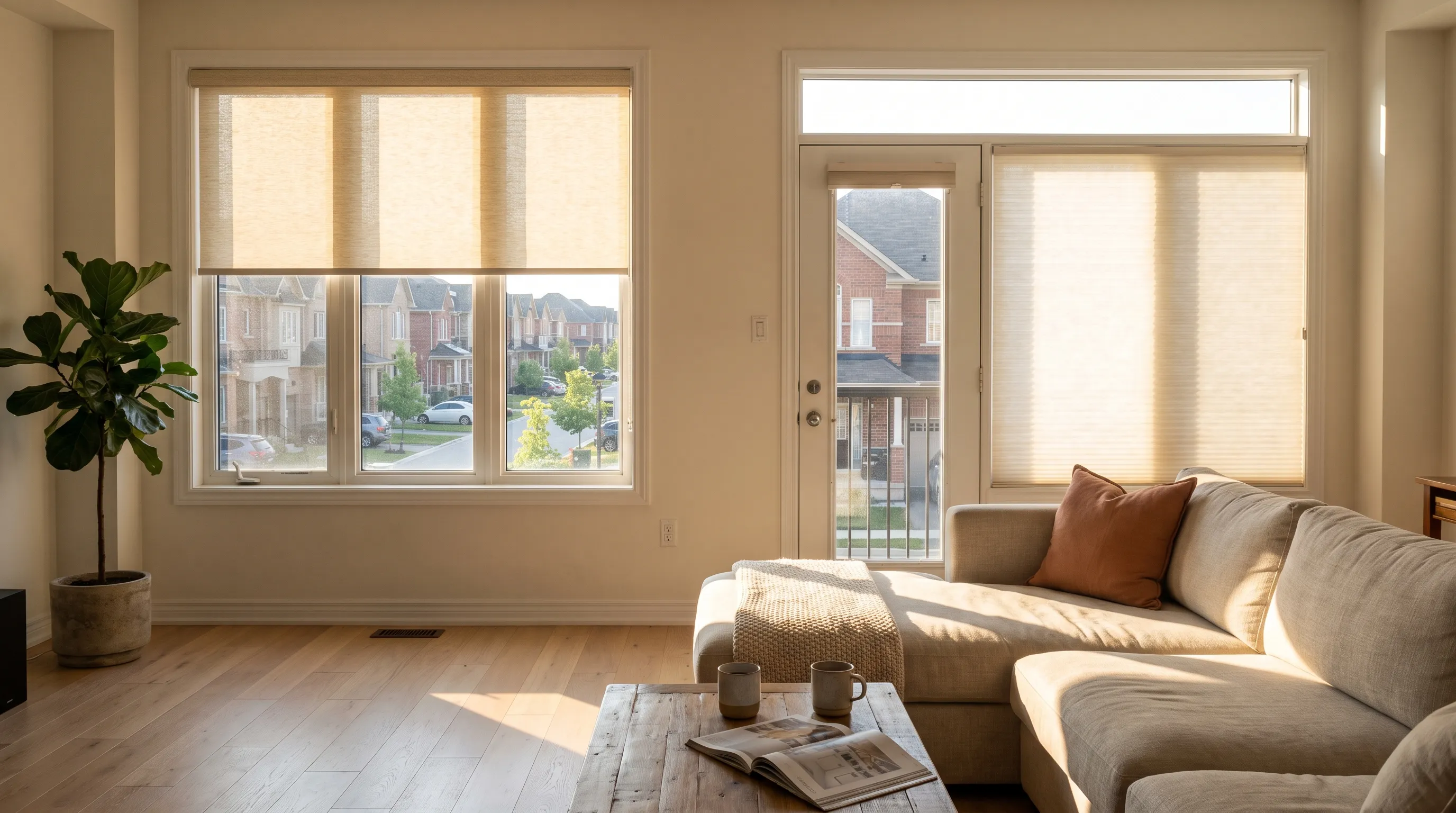
Blinds in Brampton
Made-to-measure window coverings — blinds and shades — across Brampton, measured in your own rooms and fitted by the crew that took the numbers. Most jobs here are whole houses rather than single windows, and the quote is itemised so you can see why.
Blinds Company · Rated 4.8 out of 5 on Google
Free in-home measure · open 8am–9pm, 7 days
In short
We measure, make and install custom blinds throughout Brampton, and the thing that makes this city different is the count. A newer Springdale or Mount Pleasant house has twenty to thirty openings in it, so the decision is almost never about one window — it is about which rooms get which product and in what order. The visit is free, the quote is itemised per opening, and nothing is owed if you do half the house now and the rest next year.
Book
Let's measure your light.
We come to you, measure at your own windows, and go through fabrics and fits together. The visit costs nothing.
$99 off when you order three or more blindsApplied to your written quote at the measure.
Rather just talk?(437) 782-5452Open 8am–9pm, 7 days
Twenty-five windows, not one
Most cities send us a room. Brampton sends us a house.
The newer subdivisions here — Springdale, Mount Pleasant, Fletcher’s Meadow, Credit Valley — were built with generous glass and a lot of it. Count the openings in a two-storey detached house in Springdale and you will get somewhere between twenty and thirty, before the basement. That changes what the job actually is. Choosing a fabric for one window is a taste decision. Choosing for twenty-five is a sequencing decision, and the useful question is not “which blind” but “which rooms first, and what has to match what”.
So the quote is itemised per opening. Not because it looks thorough — because almost nobody here does the whole house at once, and a single total tells you nothing about where to start. With a line per window you can take the three bedrooms now, leave the great room until spring, and know the price will not have moved underneath you.
It also makes an honest conversation possible about where the money should go. In a house with twenty-five openings, four of them are doing ninety per cent of the work: the west-facing great room, the primary bedroom, the child’s room, and whatever the kitchen sink looks out of. The rest can be simple.
What the housing here actually asks for
Springdale, Mount Pleasant, Fletcher’s Meadow, Credit Valley. Newer detached and semi-detached, square openings, shallow to moderate reveals, and a lot of two-storey volume — great rooms open to the second floor, and a tall window over the front door. Squareness makes the fitting easy. Height makes the operation hard, and that is the trade this part of the city keeps making.
Castlemore and the estate lots. Larger houses, wider spans, and windows that are genuinely oversized rather than merely tall. Width is its own engineering problem: a tube has to carry its own weight across the span without bowing, so past a certain point the answer is a thicker tube or two blinds sharing a bracket line with the seam landing on a mullion, where the eye already expects an interruption. What you cannot do is order the same blind wider and hope.
Bramalea and the older sections. Nineteen-sixties and seventies planning, which means openings that have had sixty years to move and window units that have often been replaced once. The six measurements matter here in a way they do not in Springdale: the difference between the top and the bottom of one window is sometimes the difference between a blind that runs and a blind that catches.
Downtown Brampton. A genuine mix — century houses on the streets around the core, walk-ups, and newer infill. Nothing about it is predictable, which is why we measure it rather than assume it.
The reach problem, said plainly
A great room open to the second floor is the best thing about a modern Brampton house and the hardest thing to dress.
The window is often twelve to eighteen feet at the top. A corded blind at that height is not an option — the cord would have to be long enough to be a hazard by the standard the regulations were written to. A spring-balanced cordless blind is operable only if you can reach the bottom bar, which at nine feet you cannot, even with the pole nobody uses twice.
So the honest specification for those windows is a motor, and we say so at the measure rather than selling a manual blind that becomes furniture. Battery motors have made this much less of a project than it used to be: a rechargeable tube motor needs no wiring, charges two or three times a year, and pairs to a remote or a wall switch. Where there is power in the ceiling or a wall already, hardwired is better and quieter.
What we will not do is fit a manual blind you cannot operate and let you discover it in week two.
The order we would do a Brampton house in
Nobody has to take this advice, but it is what we would do in our own house, and it is what the itemised quote is designed to let you do.
First: the rooms people sleep in. A bedroom that is not dark is a room that costs somebody an hour of sleep every summer morning, and in a house facing east across a wide subdivision street there is nothing between the sun and the glass at half past five in June. This is also the only room where a blind has a measurable job you can test — either you can read the time on a phone screen at 6am without it hurting, or you cannot.
Second: whatever faces west. In most of Springdale and Mount Pleasant that is the back of the house, which is also where the family actually sits. The problem there is not privacy and it is not darkness; it is that between four and seven in the afternoon the room becomes unusable, and everybody quietly stops using it.
Third: the front room the street can see into. Brampton’s newer streets put houses close together with the living space at the front, and after dark a lit room with bare glass is a lit stage. Worth doing, but it is a comfort problem rather than a use problem, which is why it is third.
Last: the hallway, the landing, the powder room, the basement. These want something plain that matches, and almost any product does the job. If a builder left blinds on them, they are the ones worth keeping.
The reason for saying this out loud is that the natural instinct is the exact reverse — to start with the room guests see. That room is usually the one that needs the blind least.
What “builder blinds” actually are, and what is wrong with them
Almost every newer house here came with something on the windows, and the question of whether to rip them out is the most common one we get asked in this part of Peel.
They are not fraud and they are not junk. They are a single specification bought for an entire street at a volume price, which means they were chosen without anybody knowing which way your particular house faces or what the room is for. Typically that is a light-filtering roller or a thin faux-wood venetian, cut to a standard size and mounted inside the opening because that is fastest.
Three things follow from that, and all three are the reason people call us:
The fabric is a compromise across every room in the house, so the bedroom got the same light-filtering cloth as the hallway. The mount is inside the opening, so a blackout job is impossible before you even discuss fabric. And the sizing is standard rather than measured, so the gaps are wider than they need to be — which nobody notices in a hall and everybody notices at dawn.
What we usually recommend is not a rip-out. It is: replace them in the four rooms above, leave the rest, and stop paying to solve a problem you do not have in a powder room.
Rooms with a second storey above them
Roughly a third of the Brampton houses we walk into have a space that is open to the floor above — a great room, a foyer, sometimes a stairwell with a tall window following it up.
These are worth thinking about differently, because a blind up there is not solving a privacy problem. Nobody is looking in at fourteen feet. It is solving a heat and glare problem, and often an acoustic one that nobody mentions: a double-height room with hard glass, hard floor and a hard ceiling is a room where a television is hard to hear, and a fabric blind is the largest soft surface you can add to it without buying furniture.
That changes the specification. It means fabric weight matters more than opacity. It means the blind is going to live mostly closed or mostly open rather than being adjusted daily, which makes a motor and a schedule genuinely useful rather than a gadget. And it means the colour is chosen against the wall rather than against the view, because from the sofa you are looking at it as a wall.
Basement suites and second kitchens
A large share of the houses we measure in this city have a finished lower level that somebody actually lives in — a registered second unit, an in-law arrangement, a grown child who has not moved out. It is common enough here that we plan for it, and it has its own set of problems that nothing above ground shares.
The windows are short, wide and high on the wall. A basement opening is often thirty to forty centimetres tall and sits near the ceiling, which inverts everything about how a blind is chosen. Stack depth becomes critical, because a product that gathers into folds will eat most of a thirty-centimetre drop and leave you with a permanently half-covered window. That rules out a roman almost automatically and makes a slim roller or a small venetian the sensible pair.
The light problem is inverted too. Upstairs the argument is about too much sun; in a lower unit the argument is that there is barely any, and the occupant does not want to lose the little that comes in. So a blackout in a basement bedroom is usually wrong even though blackout is usually right in a bedroom — what is wanted is privacy from a walkway at ankle height, with the daylight kept.
Egress is the third thing, and the one people forget. A bedroom window in a legal second unit has to open and be climbed through, which means whatever covers it cannot be fixed in place, cannot need two hands, and cannot have a channel down the sides that stops the sash. We note which windows are egress at the measure and specify around them rather than discovering it at installation.
And because these units are usually let or lived in by someone other than the owner, the durability question is real: a blind in a rented lower unit gets operated by people who did not choose it. That is an argument for a plain mechanism with fewer things to break, not for the cleverest product on the sample board.
Cordless in a house full of children
In any room a child uses, cordless is what we fit, at no extra charge, and this city asks the question more often than any other place we work.
Since 1 May 2021, a corded window covering sold in Canada has had to meet limits written for a small child’s neck — the free length of a reachable cord and the size of any loop it can form. The straightforward way to meet them is to have nothing reachable at all, which is why a spring inside the tube or a motor has replaced the chain on almost everything we make.
The part worth knowing is what the rule does not cover. It governs what is sold, not what is already hanging on your wall. A blind fitted in 2012 in a bedroom that is now a nursery is perfectly legal and is exactly the one to deal with first.
What the visit actually involves
A call back first, and the question is which rooms and what is wrong with them — not which product you are after. Product is the answer; the room is the question.
Then a time. In a house this size the measure takes longer than people expect, usually forty minutes to an hour, because twenty-five openings is twenty-five sets of six numbers plus two diagonals wherever the opening looks suspect.
You get samples held up against your own glass, in your own light, at roughly the hour that the room misbehaves. Showroom lighting flatters everything; a west-facing Springdale family room at five in the afternoon flatters nothing, which is exactly why that is when the sample tells the truth.
And you get a written quote with a line for every opening, so the sequencing above is something you can actually do instead of something we said.
The mistake that costs the most here
It is not the fabric. Fabric is a sample you can hold up and judge in ten seconds, and if you get it wrong the blind still works.
It is buying by the window rather than by the room. Twenty-five openings priced as one number encourages a decision made on total cost, and total cost pushes people toward doing everything at one level of quality — which in practice means the bedroom gets what the hallway needs, or the hallway gets what the bedroom needs and the budget runs out at the top of the stairs.
Four windows in this house are doing almost all of the work. Spend there, be plain everywhere else, and the house will feel better than one where every opening got the same middling answer.
Last updated .
Everything we make
The rest of the range, in Brampton.
Each is wrong somewhere. Its page says where.
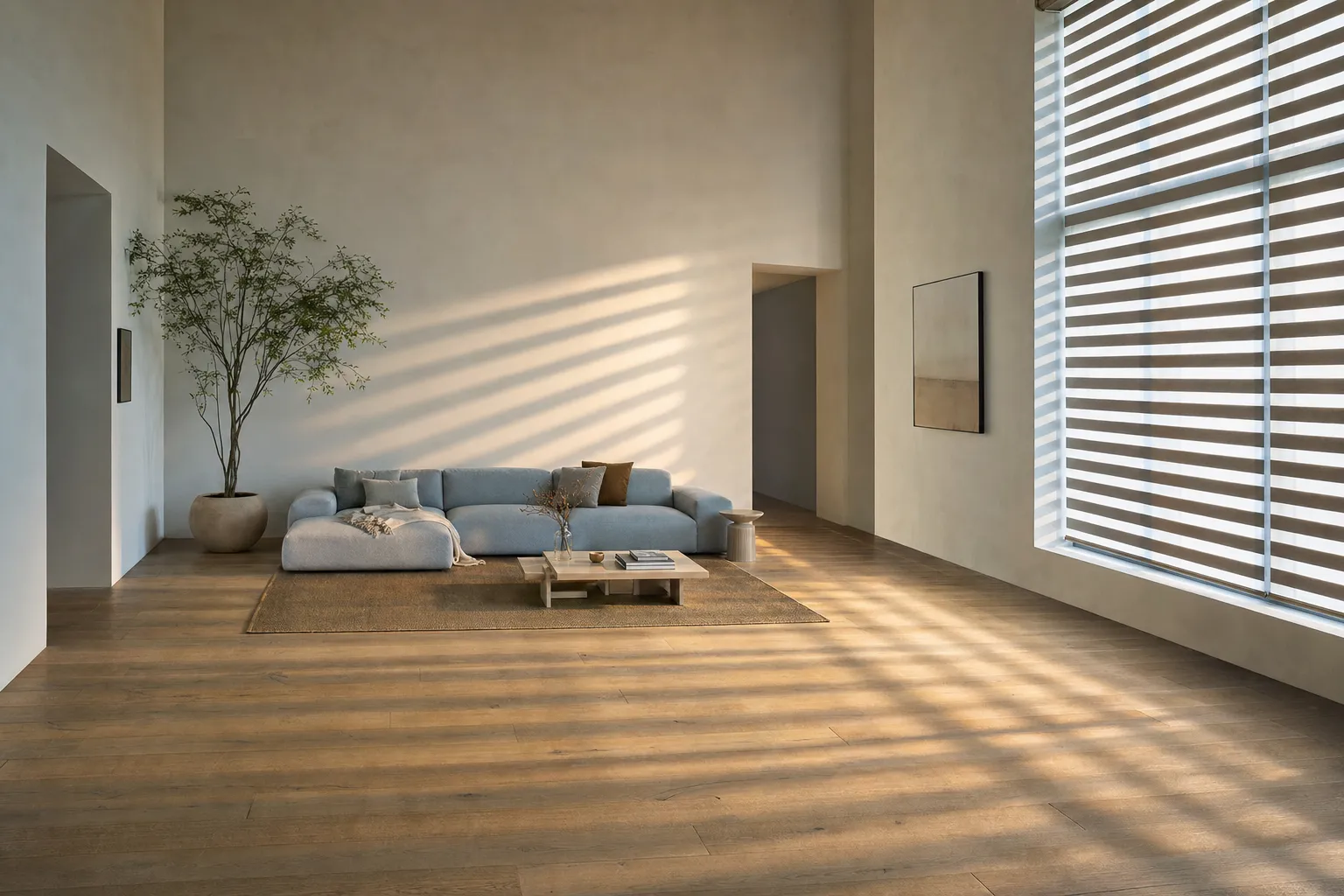
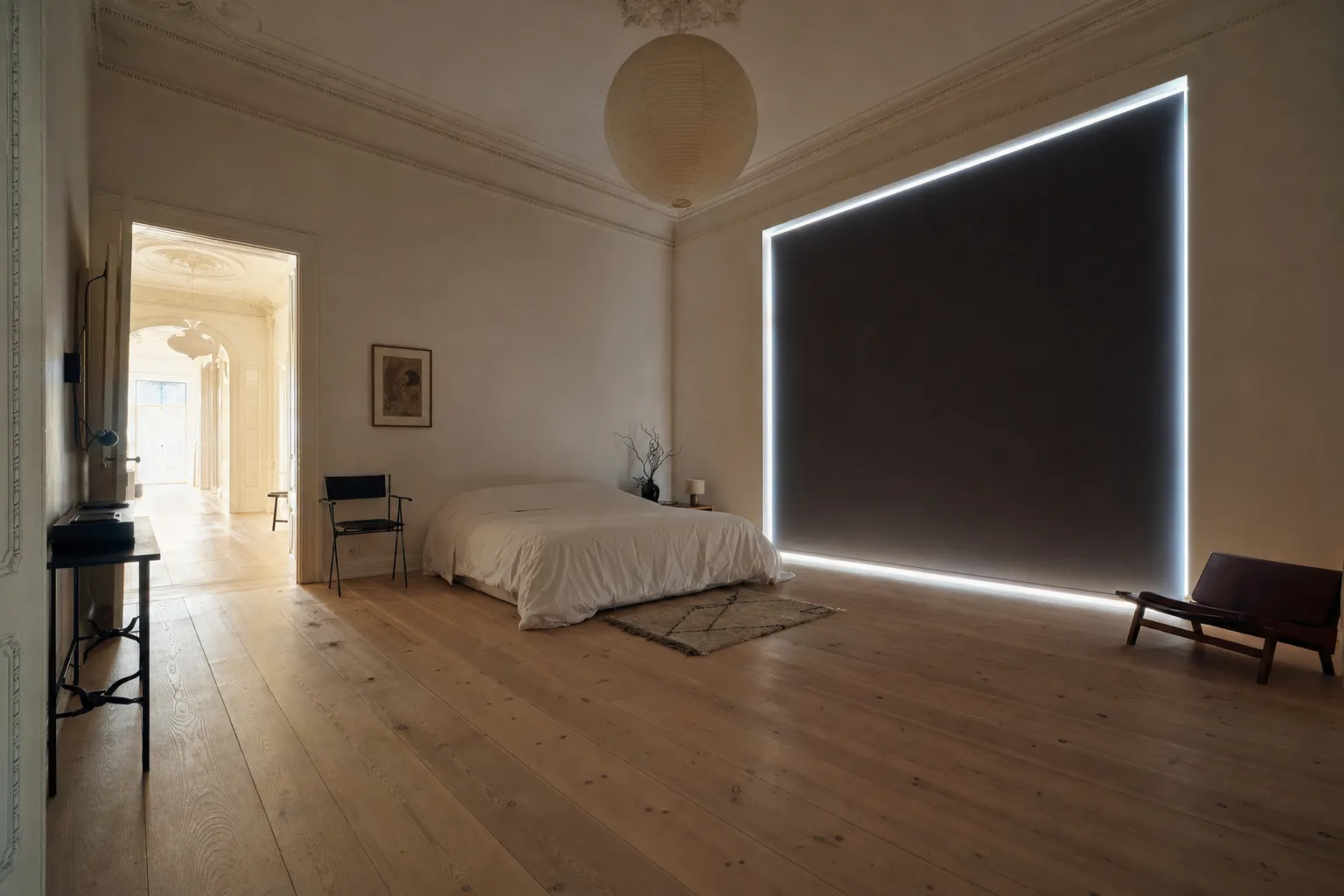
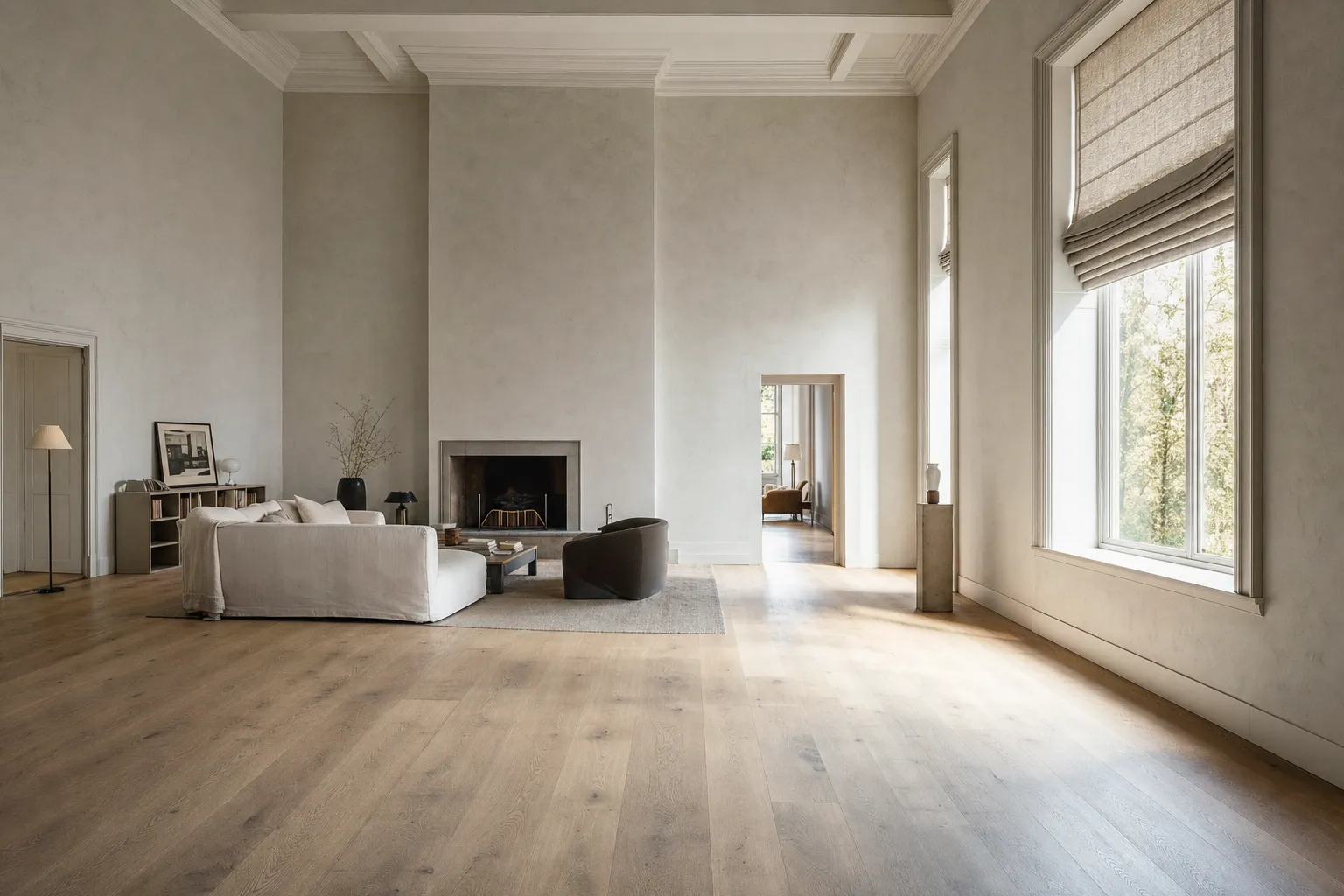
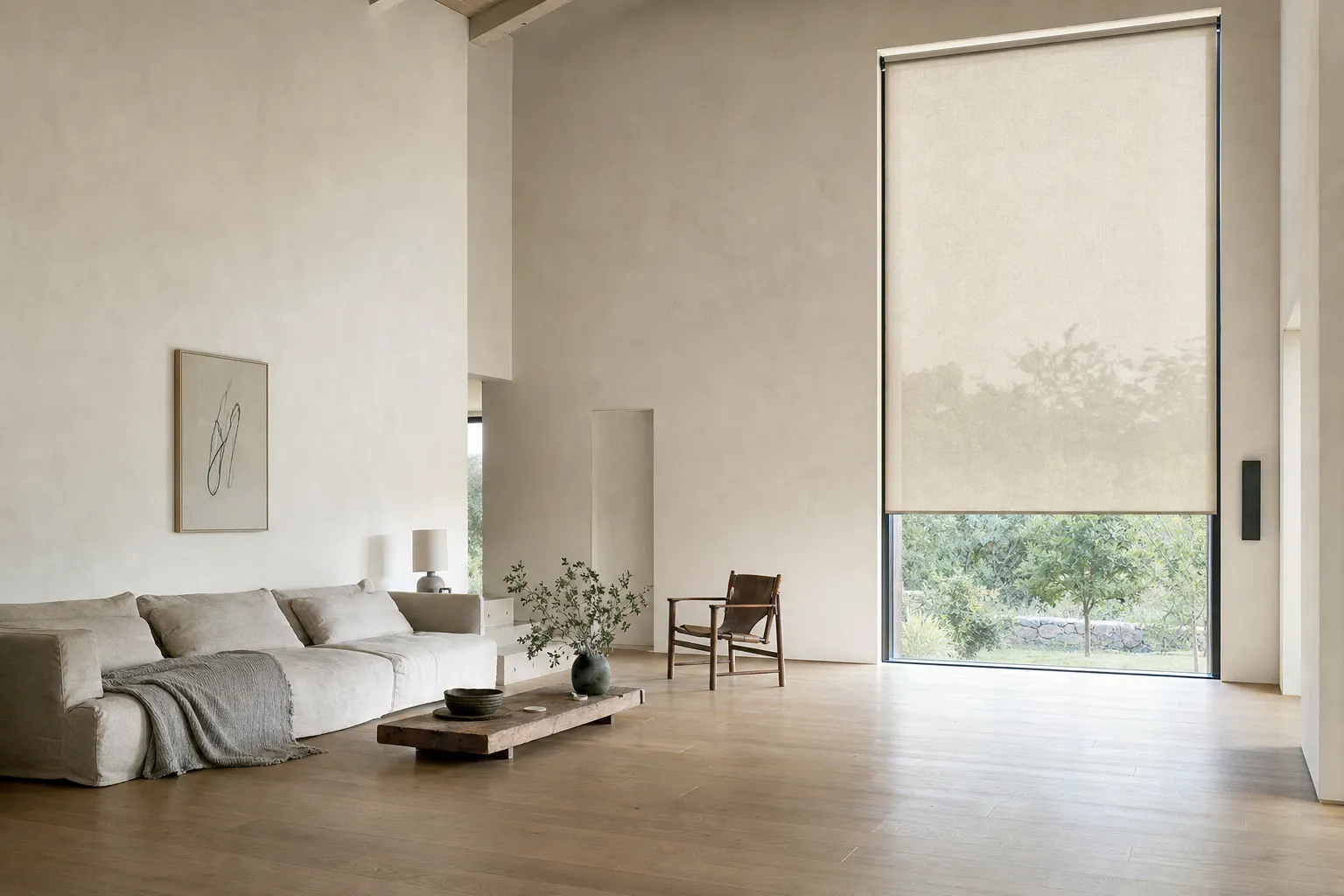
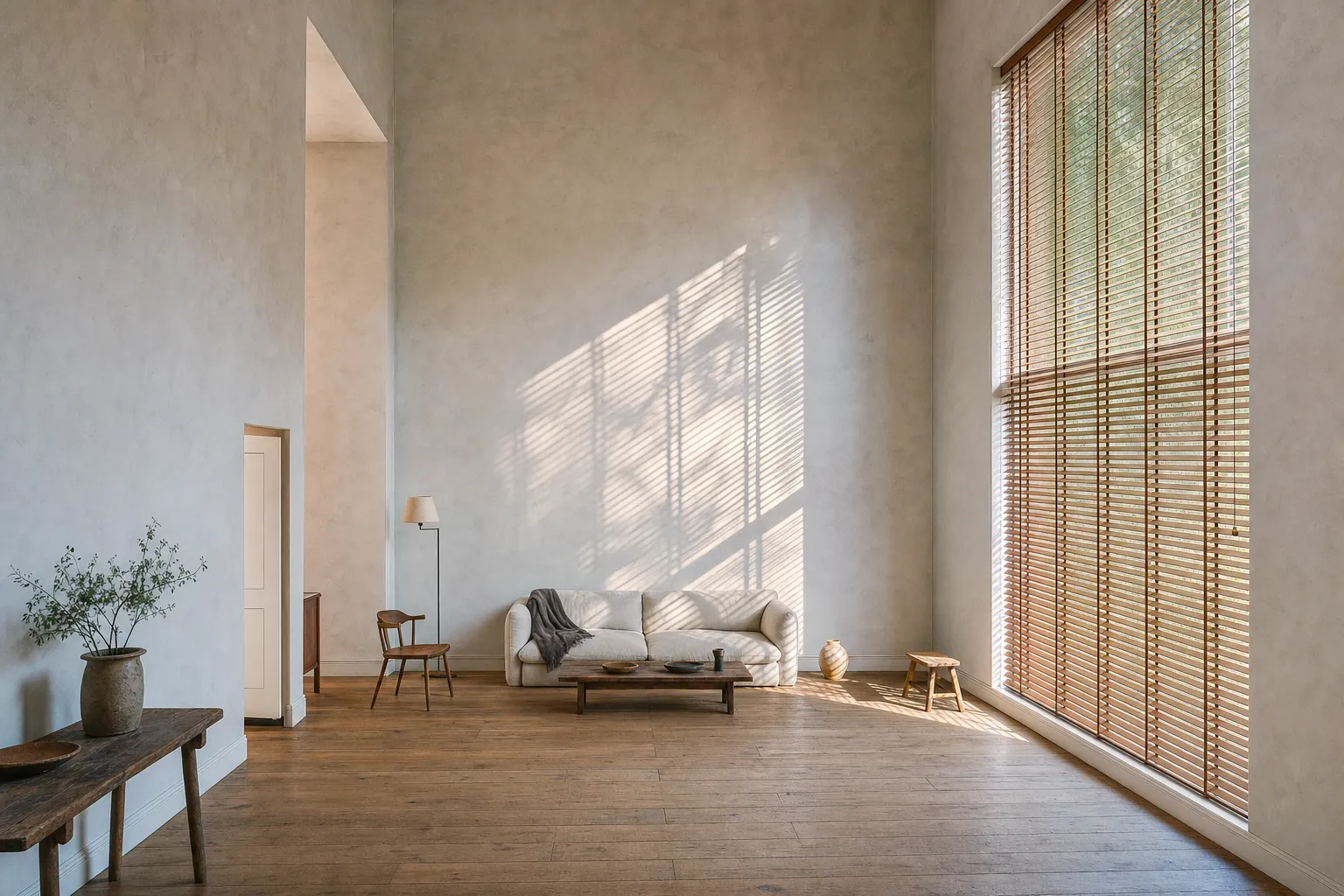
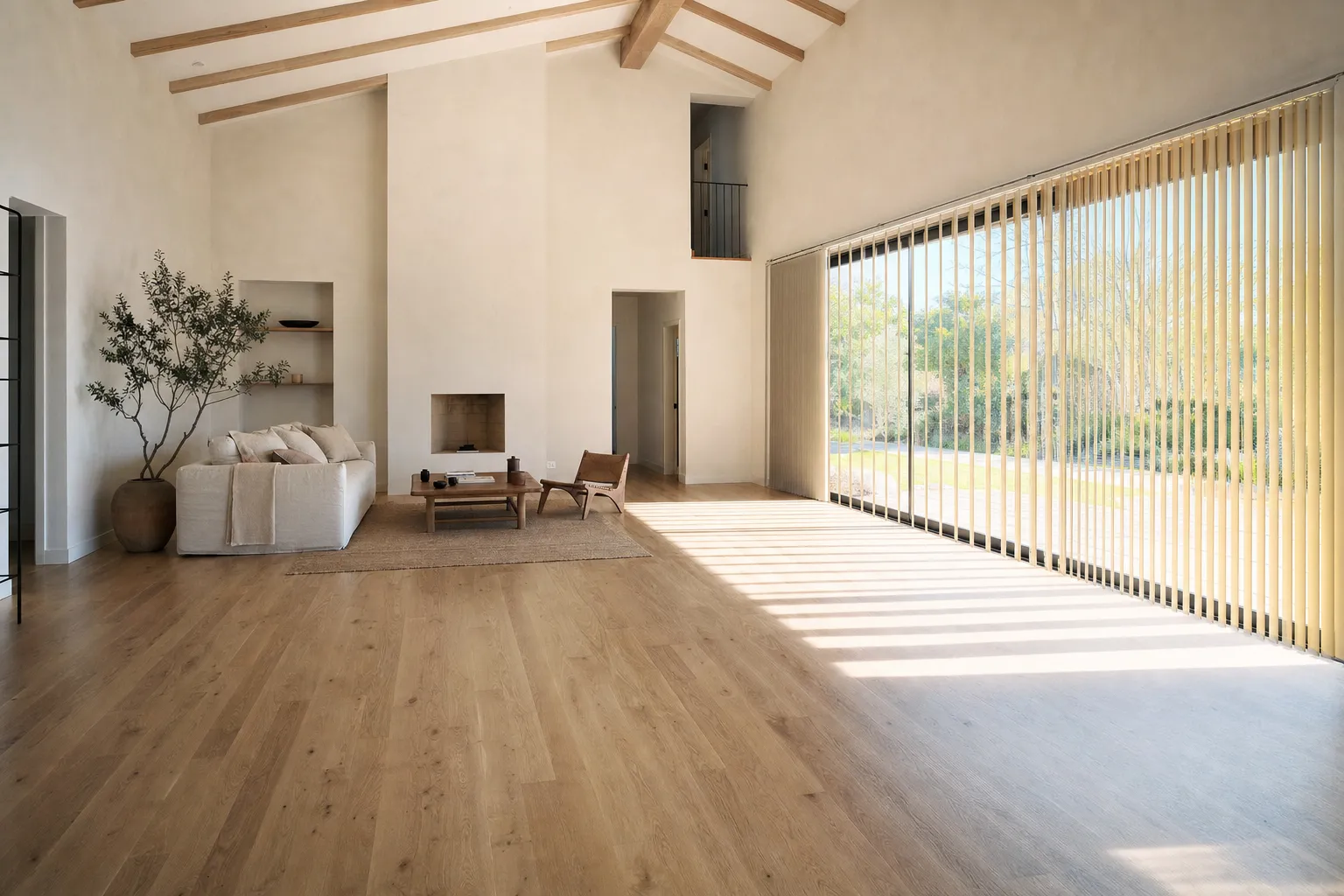
Twenty-five openings, one visit, and a price on every line so you can do it in stages.
Our commitment
We counted your windows and took every number, so a bad fit is ours to remake.
If it does not fit, we remake it
You never held the tape.
Nothing owed before you agree
No deposit, no card.
Licensed and insured
Both, before we come in.
Your date, in writing
Set at the quote. It does not move.
We will tell you not to buy
If a stock size does it, you hear so.
Cordless where a child sleeps
Standard, at no extra charge.
Reviews on Google
What people said afterwards.
Rated 4.8 out of 5 — the ones below are quoted in full, with a link to check each on Google.
I'm thoroughly impressed with Blinds Company. From the initial consultation to the final installation, their team delivered exceptional service, expertise, and quality.
Oleksandr StakhurskyiHighly recommend Nick and his team. They installed blinds in my house. Looks wonderful, cheers
Timur Shafikov
Real names, real dates, and a link to all of them — including the ones we would not have picked.
Read them on GoogleQuestions
Before you book
Do you quote a whole house, or window by window?
Both, on the same sheet. Every opening is priced on its own line, and the total sits at the bottom. That matters more in Brampton than almost anywhere else we work, because a newer house here often has twenty-five or more openings and almost nobody does all of them at once. An itemised quote lets you take the bedrooms this month and the great room later at the same price per window.
Can you do the two-storey windows over the front door?
Yes, and they are the most common reason we are called back out. A blind whose bottom bar sits nine or ten feet up is a blind nobody adjusts, so it ends up permanently down or permanently up. That is where a motor stops being an upgrade and becomes the thing that makes the product work at all. We measure the reach at the visit and say plainly which windows need one.
What do you fit on a patio door?
Usually a vertical, sometimes a wide roller, occasionally a panel track. The deciding fact is that a door has to keep working: whatever covers it must stack clear of the opening in about the width of a hand, and it has to survive being pushed past several times a day. Verticals are still the most honest answer to that, which is why so many Brampton houses have them.
Do you charge extra to come out to Brampton?
No. There is no travel line on the quote for anywhere we work, and Brampton is a short run from the rest of Peel. The visit costs nothing whether you buy or not.
The builder left blinds in the house. Are they worth keeping?
Some of them, in the rooms that do not matter. Builder-grade blinds are chosen to a price for every unit on the street, so they are usually a light-filtering roller or a thin faux wood in a standard size, mounted to the opening rather than to the room. They are fine in a hallway. In a bedroom that needs to be dark, or on the west-facing glass, they are the thing you are trying to fix.
Not sure which four windows are worth spending on? That is the most useful thing we do on the phone, and it takes about five minutes.