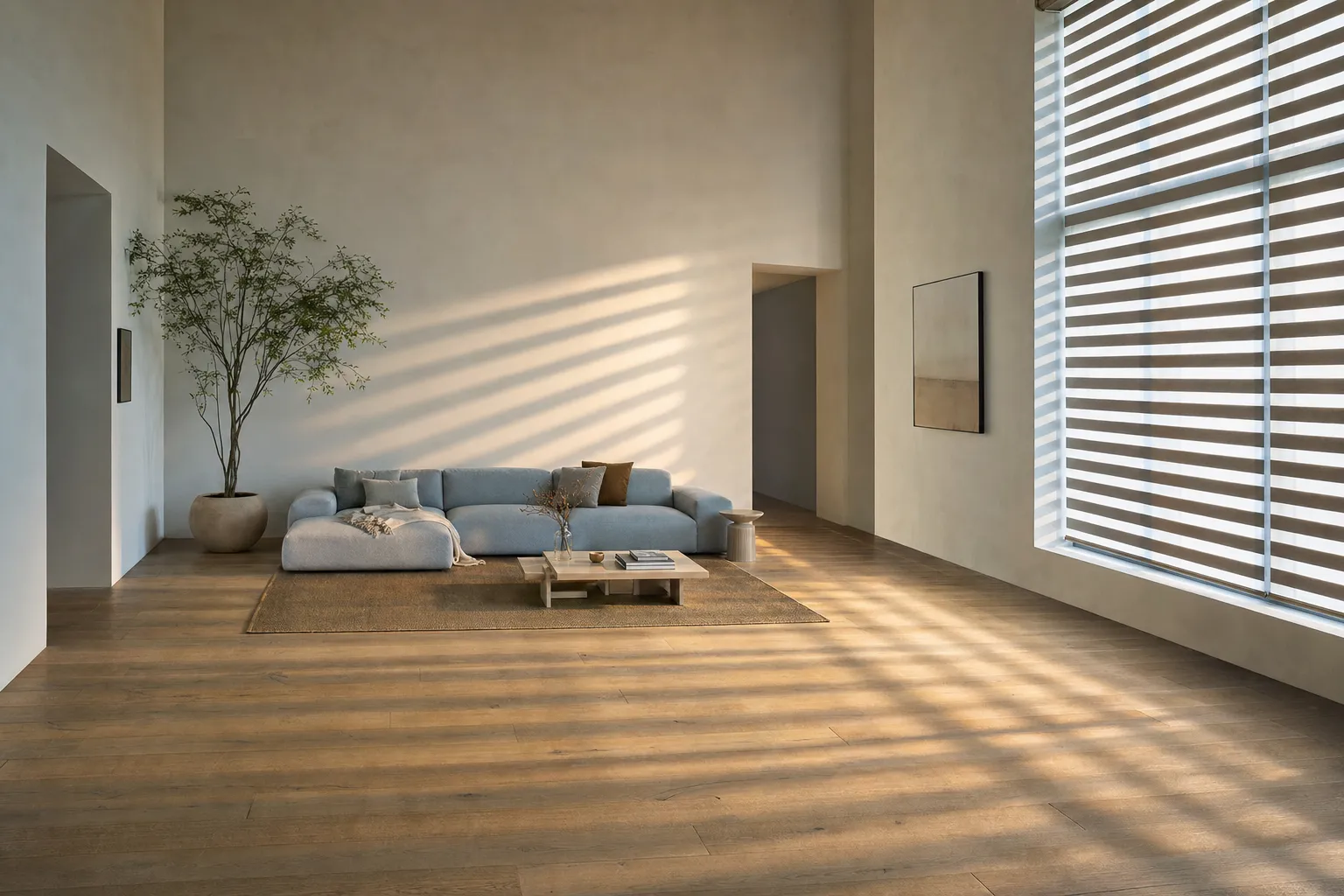
Zebra blinds in Brampton
Zebra blinds made to your openings and fitted across Brampton. On a newer subdivision street the sightline is house-to-house rather than sidewalk-to-window, which changes both the fabric and how many windows actually need this product.
Blinds Company · Rated 4.8 out of 5 on Google
Free in-home measure · open 8am–9pm, 7 days
In short
Zebra blinds made to your openings and installed in Brampton. Houses close together on wide-fronted subdivision streets, where the front rooms face each other across forty feet and the requirement changes at dusk.
Book
Let's measure your light.
We come to you, measure at your own windows, and go through fabrics and fits together. The visit costs nothing.
$99 off when you order three or more blindsApplied to your written quote at the measure.
Rather just talk?(437) 782-5452Open 8am–9pm, 7 days
In a room
What zebra blinds look like once they are up.
The product, not our installations — a gallery of rooms we did not fit would be somebody else's portfolio with our name on it.
The geometry here is different, and it changes the fabric
Zebra blinds sell in Brampton for the same underlying reason they sell anywhere — the requirement at a window changes between two in the afternoon and eight in the evening — but the distances involved are not the same, and distance is what sets the fabric.
On a narrow downtown lot the sidewalk is a few metres from the glass and somebody walking past is looking in at a steep angle. That case needs a tight sheer band, because the viewer is close and almost level with the room.
On a Brampton subdivision street the front elevation faces another front elevation across a road, two driveways and two lawns — usually somewhere between twelve and twenty metres. At that range the sightline into a room is shallow, the viewer is moving, and the eye cannot resolve much through even a fairly open weave.
The practical consequence is that you can specify a more open sheer here than you could downtown and still get the privacy you wanted, which means you keep more daylight and more view. It is one of the few places where the newer geometry is an advantage rather than a compromise.
The exception is the side yard. Between two houses on adjacent lots the gap is often three or four metres, and a side window looks straight into a neighbour’s side window at the same height. That is a downtown-tight case sitting in a suburban house, and it wants a much tighter fabric than the front of the same building.
What it looks like from the road
On a street of repeated house plans this matters more than it does anywhere with varied architecture, and almost nobody thinks about it until the blinds are up.
Every front elevation on a Brampton subdivision street shows the same two or three windows in the same positions. When one house does something different at the glass, it reads immediately — not as bad, necessarily, but as visible.
Three practical consequences.
The backing is what the street sees, not the fabric. A zebra’s outward face is the reverse of the cloth, and on most ranges that is a pale neutral whatever the room side is. So a charcoal zebra in your living room does not put a dark rectangle on the elevation, which is the thing people fear and the reason some of them pick a fabric they do not want.
Consistency across your own frontage matters more than the colour. Two windows on the same elevation with visibly different treatments is the thing the eye catches. The same product at the same height across the front looks deliberate even in an unusual colour.
Half-open is what the street mostly sees. A zebra’s characteristic look from outside is the banding, and the band positions differ between a blind that is closed and one that is aligned. If the two front windows are usually set differently — one room in use, one not — the elevation shows two different patterns. Some people mind that and some do not; it is worth deciding before rather than discovering after.
None of this is a rule and no one is enforcing anything. It is the sort of thing you notice on your own house for a year and then stop seeing, so it is better raised at the measure than left.
The side-yard window, which is a different problem
Everything above concerns the front elevation, where the distances are generous. The side of the house is the opposite case and it gets specified separately.
Between two houses on adjacent lots the gap is often three or four metres, and the windows sit at matching heights because the plans repeat. A side window on the ground floor looks straight into a neighbour’s side window at the same level, at close range, with nothing between.
That is a tighter geometry than a downtown lot in some houses, and it changes the answer in three ways.
The sheer has to be tight. At three metres a fairly open weave stops working; the eye resolves the room behind it. This is the one place in a Brampton house where a 1–3% sheer band is right.
The daytime reversal is worse. Two houses that close together often means the neighbouring wall is shading your side window, so the room behind it is not much brighter than the gap outside. A screen or a sheer works by an imbalance of light, and where that imbalance is small the effect is weak even at noon.
Sometimes the answer is not a zebra. If the window is a bathroom, a stairwell or a utility room — which on these plans it frequently is — an opaque blind, or obscure film on the glass, does the job permanently for a fraction of the cost, and nobody needs adjustable light in a stairwell.
The rooms where a side window genuinely wants a zebra are the ones used in the day and looked out of: a ground-floor bedroom, a den, a side-facing dining area. Those are worth doing properly.
Which windows this is actually for
Short version, because the sequencing argument for a whole Brampton house is worked through on the Brampton page and the whole-house roller case on the roller page.
For this product specifically: the front living room, a back family room if it is overlooked, a ground-floor room used as an office, and the side windows in the section above. Two or three windows in a typical house.
Not bedrooms — a zebra cannot make a room dark. Not the upper glass of a two-storey window, because nobody is looking in at nine feet. Not hallways, landings or the powder room, which are looked past rather than through.
What the bands actually do, and the ratio nobody mentions
A zebra is a single loop of fabric with alternating sheer and solid stripes, wrapping the tube and passing itself. Rolling it a little offsets the two layers: line the sheers up and light comes through; slide the solids over the sheers and it closes.
The specification that decides how well each state works is the ratio between the bands, and it is almost never stated on a quote.
A fabric with a wider solid band and a narrower sheer closes better and gives a dimmer room when open. The reverse gives a brighter room and a weaker close. Ranges differ considerably, two samples can look identical on a card, and this is the difference you will actually live with.
The second specification is the opacity of the solid band. Some are genuinely opaque; others are a denser weave that still passes light. If the evening matters to you, ask about that by name.
The third is whether the sheer is brilliant white. A bright white sheer glows when the sun is behind it — which in a south-facing Brampton front room in July is a lot of glow. An off-white or warm grey sheer is quieter and, in most of these houses, the better match to the trim.
Depth, which decides whether you can have it at all
This is where zebra enquiries fail in newer housing, and it is worth checking before anybody falls in love with a sample.
The trick that makes a zebra work — the fabric passing itself — means there are two thicknesses of cloth with a gap between them at every point. It needs meaningfully more room front to back than a plain roller, and more again with a cassette.
Newer construction gives shallow reveals. A window frame in a subdivision house often sits close to the finished wall, and there is frequently less usable depth than the plaster suggests once the frame liner is accounted for.
Where the depth is not there, the answer is not “no”. The blind mounts on the face of the wall or above the opening, which works, looks deliberate, and covers the head of the glass so no band of daylight sits above the blind. What it costs is a slightly larger presence on the wall, and it is a decision better made with a tape at the measure than discovered on installation day.
Upstairs at the front, which is the hard room
The bedrooms over the garage and across the front of a Brampton house are where this product’s limits meet a real requirement, and it is worth working through because the obvious answer is wrong.
The room faces the street. It is used in the evening with the light on, and it is slept in. So it wants two things a zebra can only half deliver: privacy after dark, and darkness in the morning.
What people try. A zebra, because it worked downstairs. It gives good daytime privacy, a pleasant amount of light, and a closed state that is private enough at night. Then in June the sun comes up at half past five and the room is not dark, and the blind gets blamed for something it never claimed to do.
What actually works. A blackout roller for the sleeping, mounted above and outside the opening with a generous overlap so the perimeter does not leak. Then, if the room is used in the day — a home office, a teenager’s room, a nursery where somebody sits — a zebra in front of it for everything that is not sleeping.
When one product will do. If the room is genuinely only slept in, skip the zebra entirely and put the money into doing the blackout properly. Nobody needs adjustable daytime light in a room they are not in during the day.
The reason this comes up so often here is the elevation. On a newer subdivision street the second-storey bedrooms face the road with large windows and no tree cover, which is the combination that makes both problems acute at once.
Cords, in one paragraph
Cordless is what we fit in any room a child uses, at no extra charge — a spring in the tube or a motor, no chain. The Canadian regulation behind that, what it does and does not cover, and what to do about the blinds already hanging in your house are set out on the cordless blinds guide. The one point worth repeating here: the rule governs what is sold, not what you own, so a blind fitted years ago in a room that is now a nursery is legal and is exactly the one to deal with first.
What it costs against a plain screen, and when that is worth it
People arrive having priced a screen roller and wanting to know why this is more.
The honest answer is that a zebra is roughly twice the fabric — it is a continuous loop passing itself, so a two-metre drop uses about four metres of cloth — plus a larger tube to carry it and, usually, a cassette because the roll is more visible. None of that is markup; it is material.
So the question is not whether it is worth it in general. It is whether the specific room needs two states.
Worth the difference: a room whose requirement genuinely changes between the afternoon and the evening, where the alternative is either being overlooked or living in the dark.
Not worth the difference: a room with one constant problem. If the complaint is glare and only glare, a screen at the right openness solves it completely and costs less. If the complaint is being overlooked all day, an opaque roller or a sheer solves it. Paying for adjustability you never use is the most common way money goes wrong on this product.
A useful test: if you can say what position the blind will be in at three in the afternoon and at nine in the evening, and the two answers are different, buy the zebra. If they are the same, buy the simpler thing.
Keeping the sheer bands clean
The one maintenance point specific to this product, and the one that shortens a zebra’s life when it is got wrong.
The sheer sections are held in place by the weave of the solid ones. They are not a separate layer glued on; they are the open part of a single cloth. That means anything that stresses the sheer — scrubbing, pulling, a hard vacuum nozzle — works the threads at the boundary between the two bands, and once that boundary distorts it does not come back.
What works: a soft brush attachment on the lowest suction, blind fully lowered and closed, both faces, twice a year. On a kitchen or hallway blind that is genuinely all it needs.
What to do about a mark: as little water as will move it, on a soft cloth, blotted rather than rubbed, then leave the blind fully down until it is dry so it does not roll damp. A damp zebra rolled up marks itself where the layers touch.
What not to do: never immerse it, never machine-wash the fabric even where somebody tells you the cloth is washable, and never use anything abrasive on the solid bands — some are coated, and the coating is what makes the closed state work.
The Brampton-specific note is dust rather than grease. Newer subdivisions on the growing edge of the city sit near open ground and construction, and the fine dust that carries in through open windows in summer settles into the sheer bands where it is more visible than it would be on a solid fabric. It vacuums out easily if it is done before a season’s worth builds up, and it is much harder once it has.
What the visit settles
We ring back and ask which rooms bother you and how — being overlooked, glare, a room that is unusable at a particular hour. The product is the conclusion, not the question.
At the visit, depth is measured before fabric is discussed, because on a newer house depth decides what is possible. Each opening gets its own numbers. Then samples, held against your own glass at roughly the hour the room misbehaves, in both the open and closed positions — on this product those are two different fabrics as far as your eye is concerned.
And the part that usually shortens the quote rather than lengthening it: walking the house and saying which windows do not need this.
You keep a written quote with the fabric named, the band ratio stated and a line for every opening — so the two or three windows that need this can be told apart from the twenty that do not, and so it can be compared against anyone else’s. Nothing owed either way.
Last updated .
Everything we make
The rest of the range, in Brampton.
Each is wrong somewhere. Its page says where.
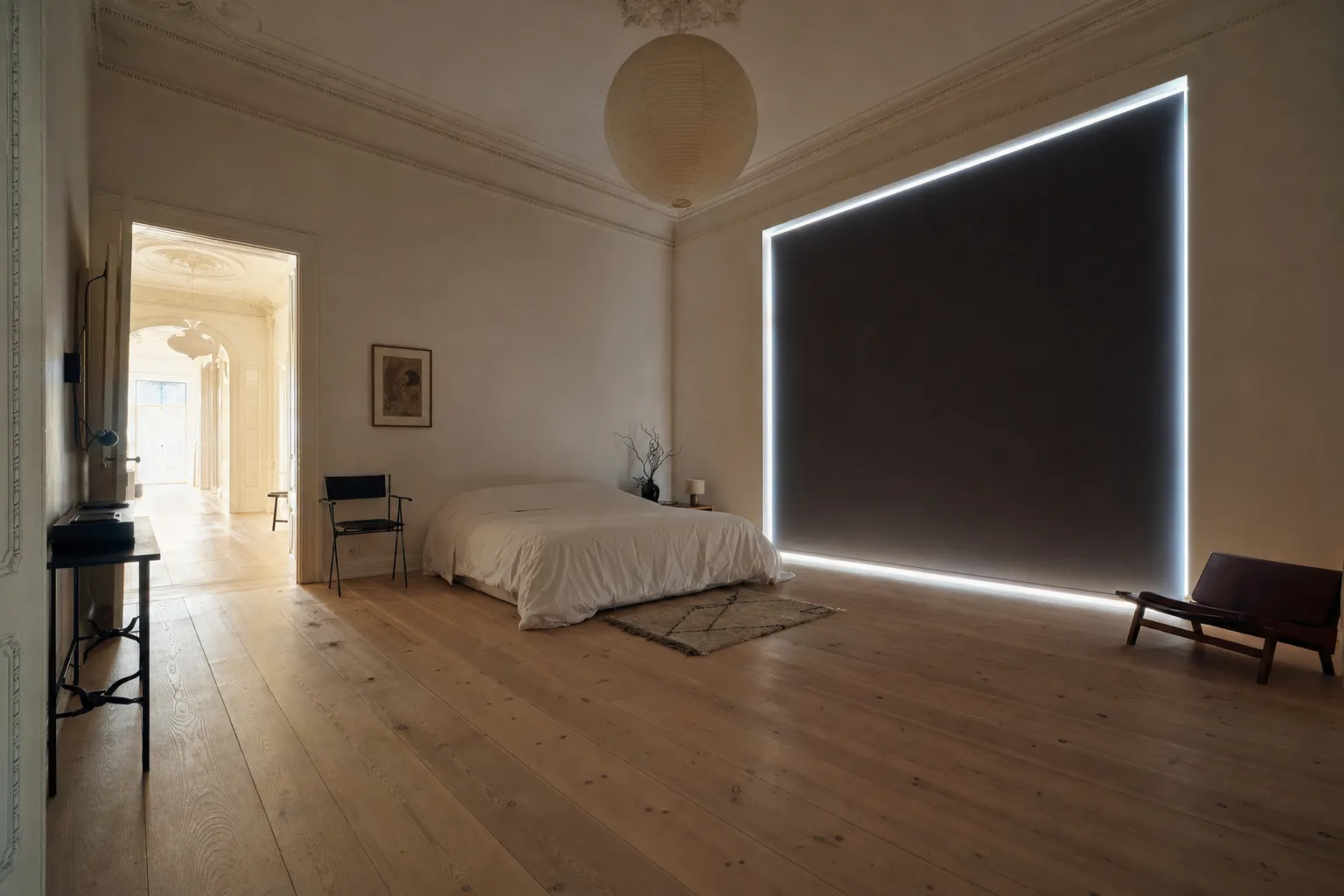
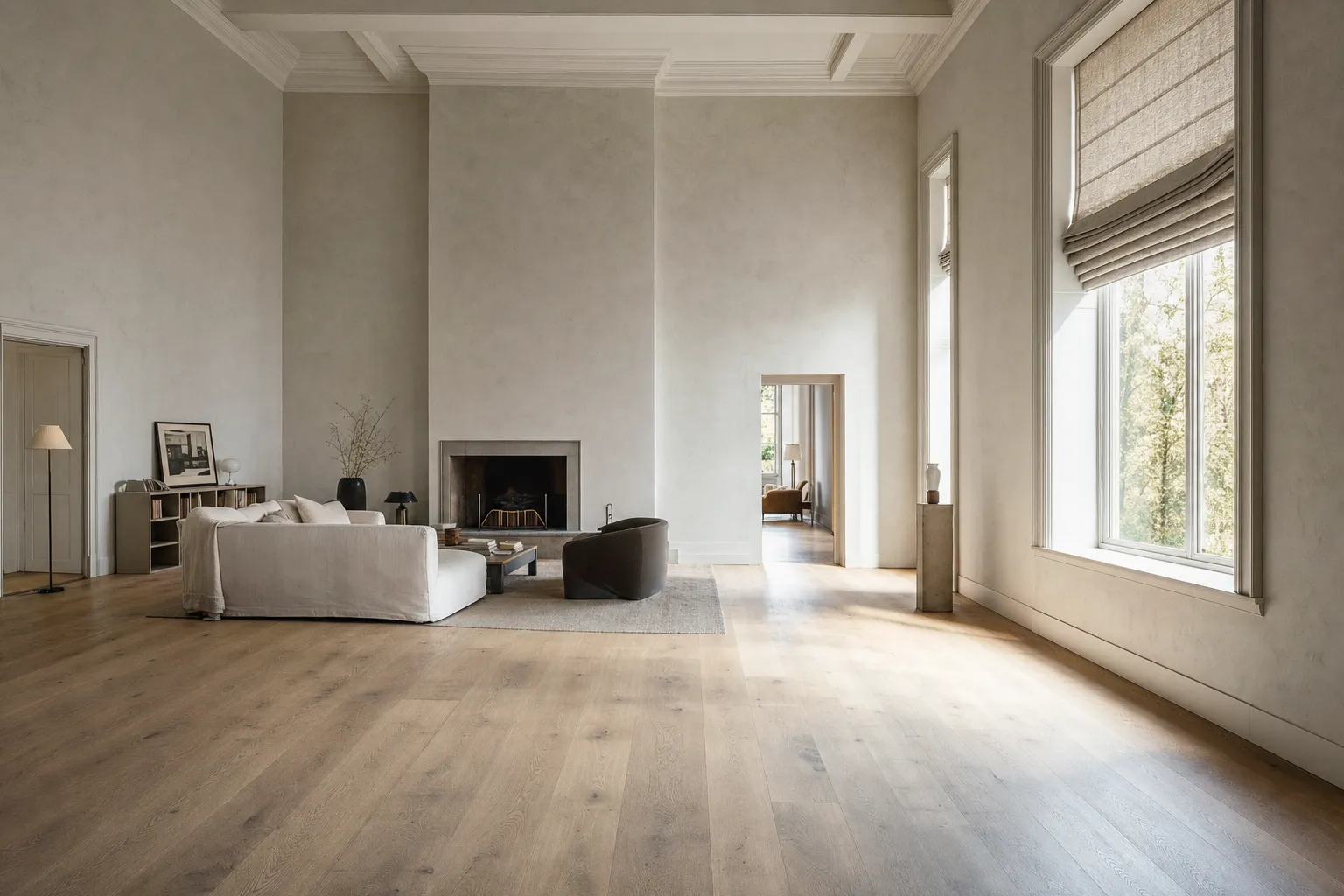
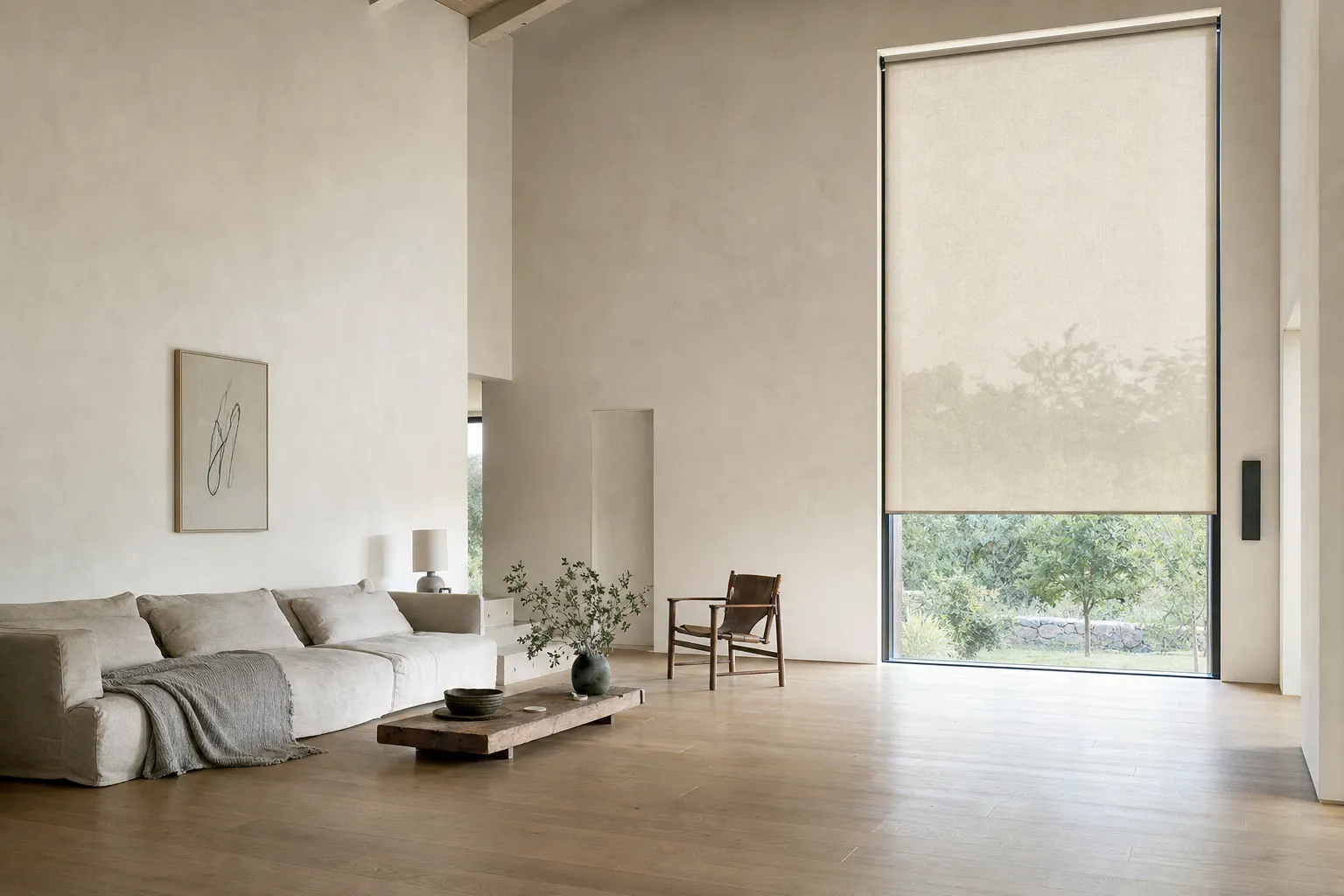
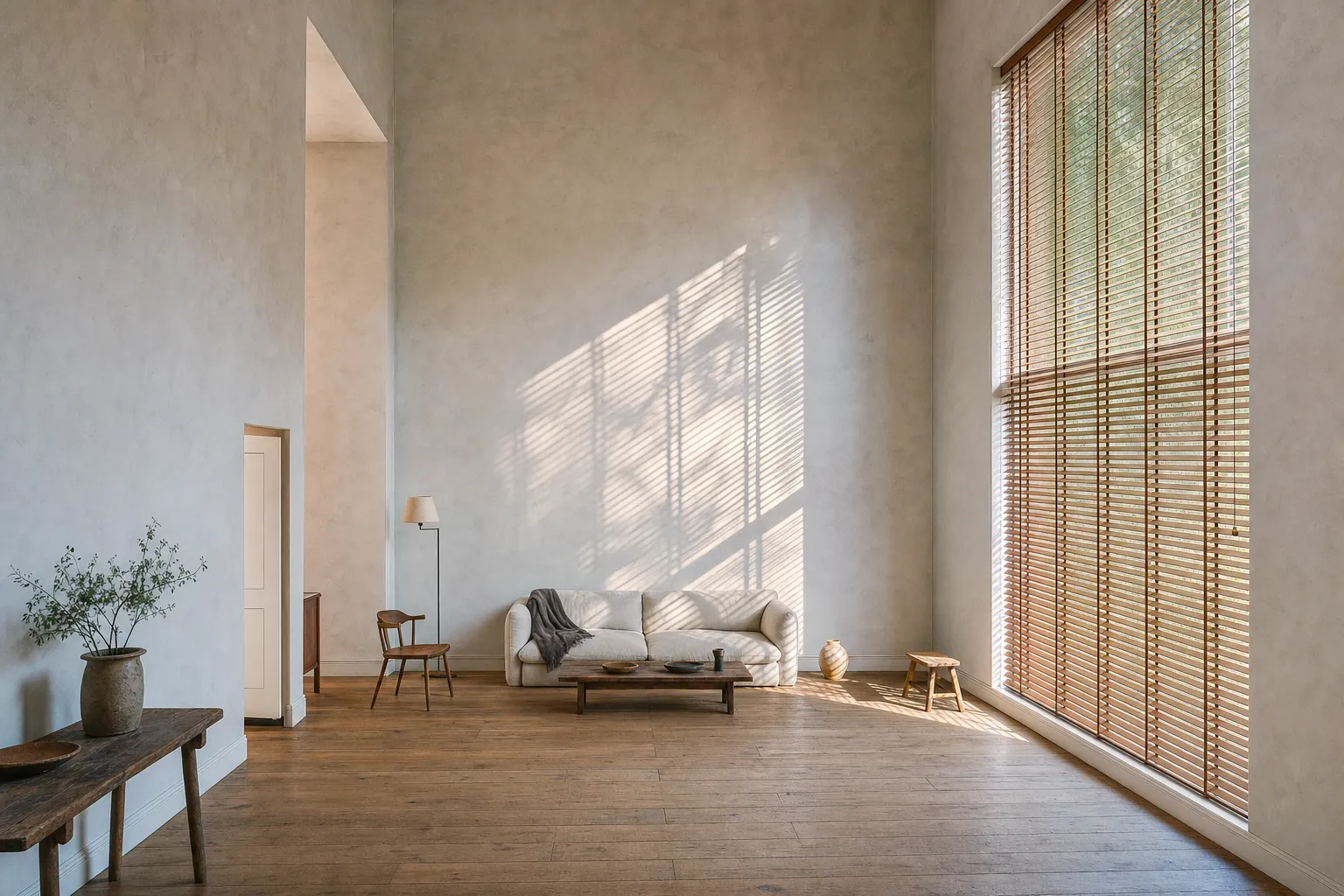
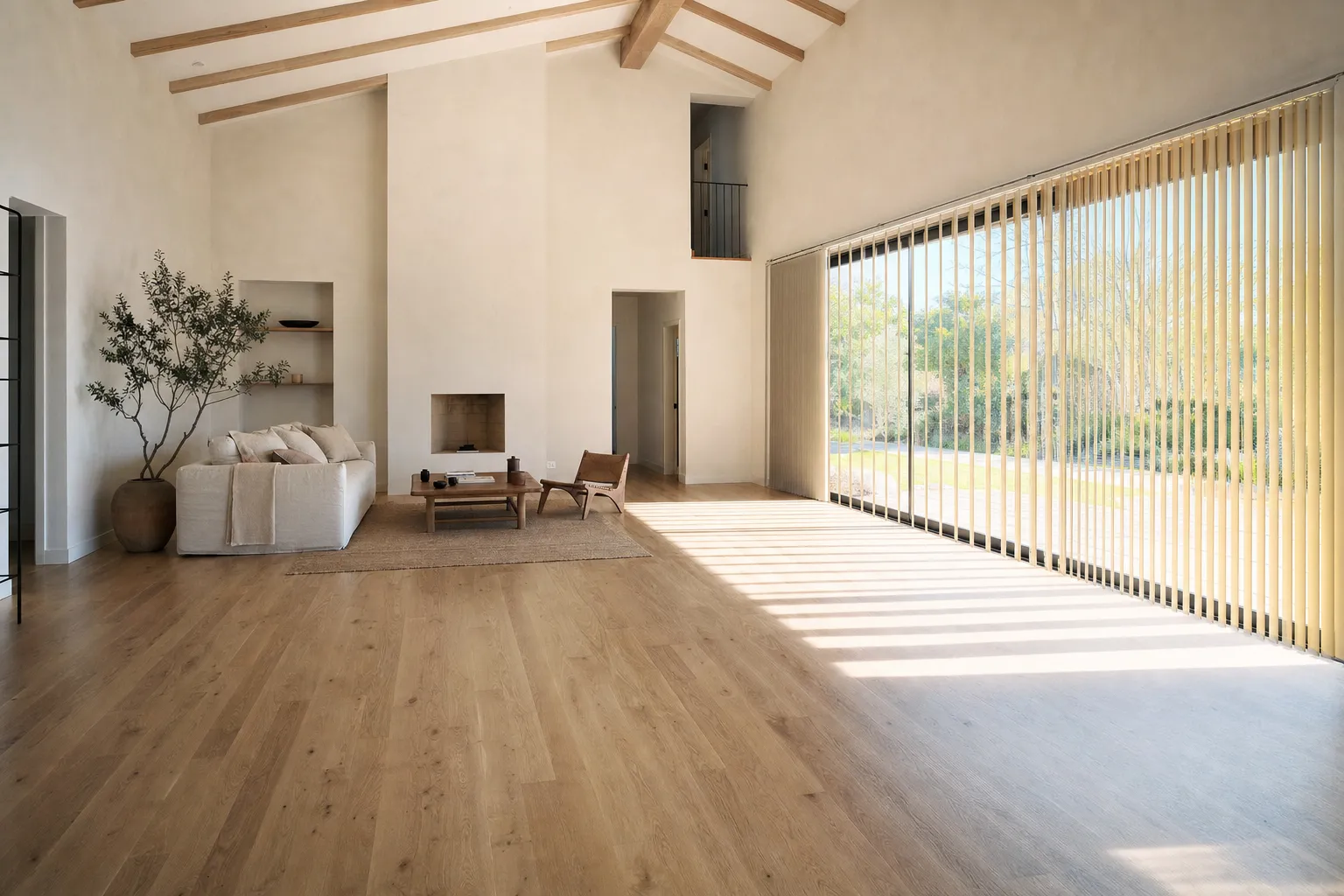
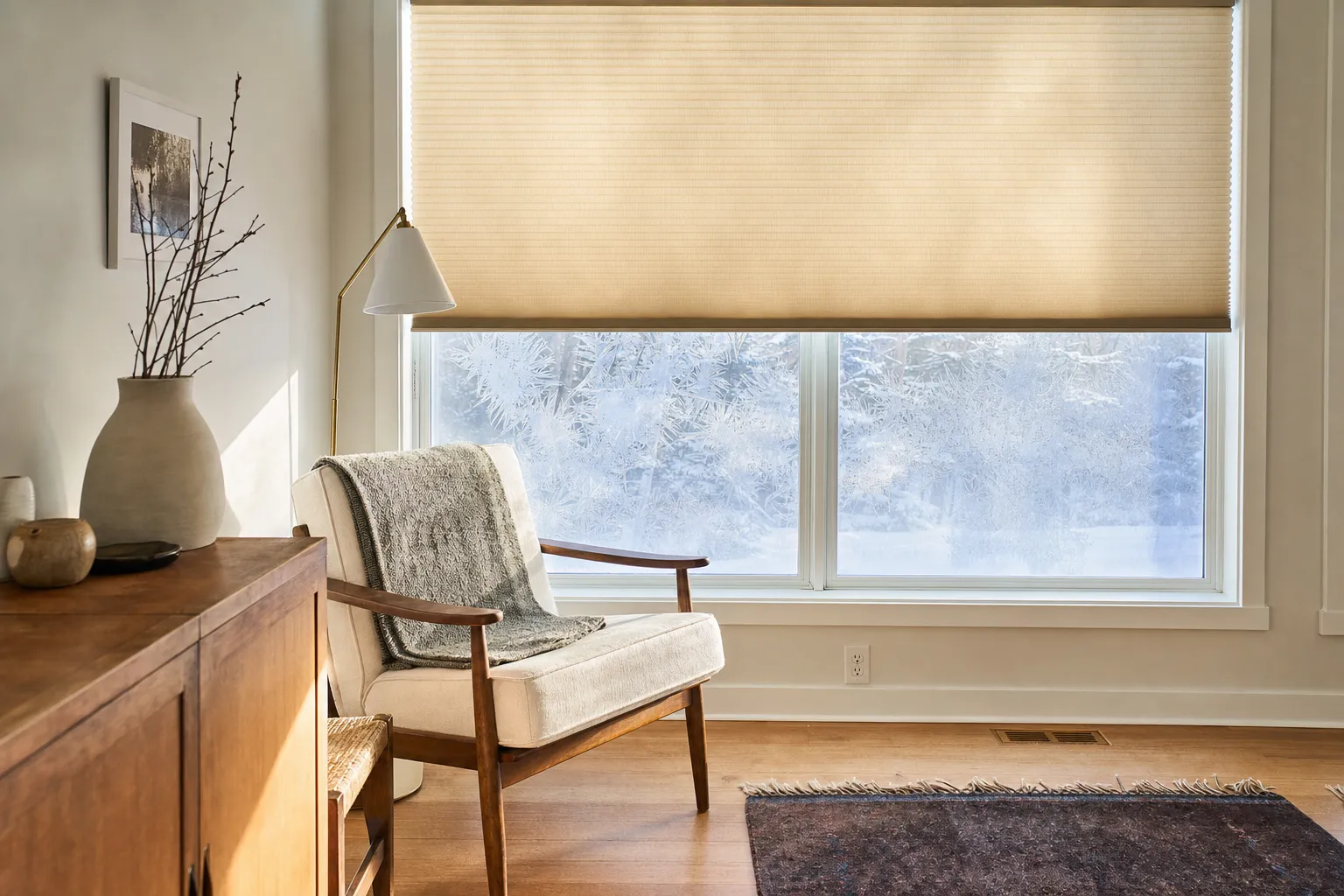
Two or three windows in the house need this. We will tell you which, for nothing.
Our commitment
We judged which rooms needed it, so a window that did not is not on your quote.
If it does not fit, we remake it
You never held the tape.
Nothing owed before you agree
No deposit, no card.
Licensed and insured
Both, before we come in.
Your date, in writing
Set at the quote. It does not move.
We will tell you not to buy
If a stock size does it, you hear so.
Cordless where a child sleeps
Standard, at no extra charge.
Reviews on Google
What people said afterwards.
Rated 4.8 out of 5 — the ones below are quoted in full, with a link to check each on Google.
Highly recommend Nick and his team. They installed blinds in my house. Looks wonderful, cheers
Timur ShafikovNick has delivered the greatest service as I recently moved in to my new townhome and needed to have blinds for all three floor windows. Not only the price was the best, but he accommodated all my requests in the process. Definitely worth every penny
Anton Kovunov
Real names, real dates, and a link to all of them — including the ones we would not have picked.
Read them on GoogleQuestions
Before you book
How many windows in a Brampton house actually need zebra blinds?
Usually two or three, not twenty-five. The product earns its price where the requirement changes during the day — the front room facing the street, the family room at the back if it is overlooked, occasionally a bedroom used as an office. Everywhere else something simpler does the same job for less, and quoting zebra throughout a house is how a reasonable idea becomes an unreasonable number.
Our neighbours are forty feet away, not six. Does that change it?
It changes the fabric rather than the answer. At forty feet across a street the sightline into a room is shallow and a more open sheer band still breaks it comfortably, which means you keep more light and more view than a house on a narrow downtown lot could. On a tighter side-yard gap between two houses, the geometry is closer to the downtown case and the fabric goes tighter.
Will zebra blinds work on a two-storey great room window?
The lower glass, yes. The upper glass is a different question: nobody is looking in nine feet up, so the day-and-night behaviour that justifies a zebra is not doing anything there. On those windows a plain screen or a fixed panel is usually the better buy, and the money saved goes into motorising the one that does need to move.
We have small children. Is there anything about a zebra specifically?
Two things beyond the cordless lift, which is standard here at no extra charge. The fabric is a continuous loop, so on a low window a child can pull the whole loop round — harmless to them, and it untensions the blind, which is a call-out rather than a hazard. And the sheer bands mark easily with sticky hands, so in a playroom the solid-heavy fabrics are the practical choice.
Do zebra blinds give privacy at night?
Closed, they give a great deal and not total. The solid bands overlap but do not seal, so from a lit room at night somebody opposite sees shapes rather than detail. For most front rooms that is enough. For a bedroom it is not, and the honest answer there is a blackout with the zebra in front of it.
Is there a charge to come out to Brampton?
No, and no travel line appears on the quote. The measure, the samples held against your own glass and the written quote cost nothing, with no deposit.
Where we work
Zebra blinds across the GTA.
The same crew measures and fits in every one of these. The visit is free wherever you are on this list.
- TorontoZebra blinds
- MississaugaPeel
- BramptonYou are here
- EtobicokeToronto
- Richmond HillYork
- North YorkToronto
- VaughanZebra blinds
- MiltonHalton
- BurlingtonHalton
- MarkhamYork
9 of these have a page of their own so far; the rest are covered by the same crew on the same terms, and their pages are being written. Not sure whether you are inside it? Call and ask — the answer takes ten seconds.
If you are pricing zebra blinds for a whole house, the useful call is about which rooms genuinely need them. That conversation takes five minutes.