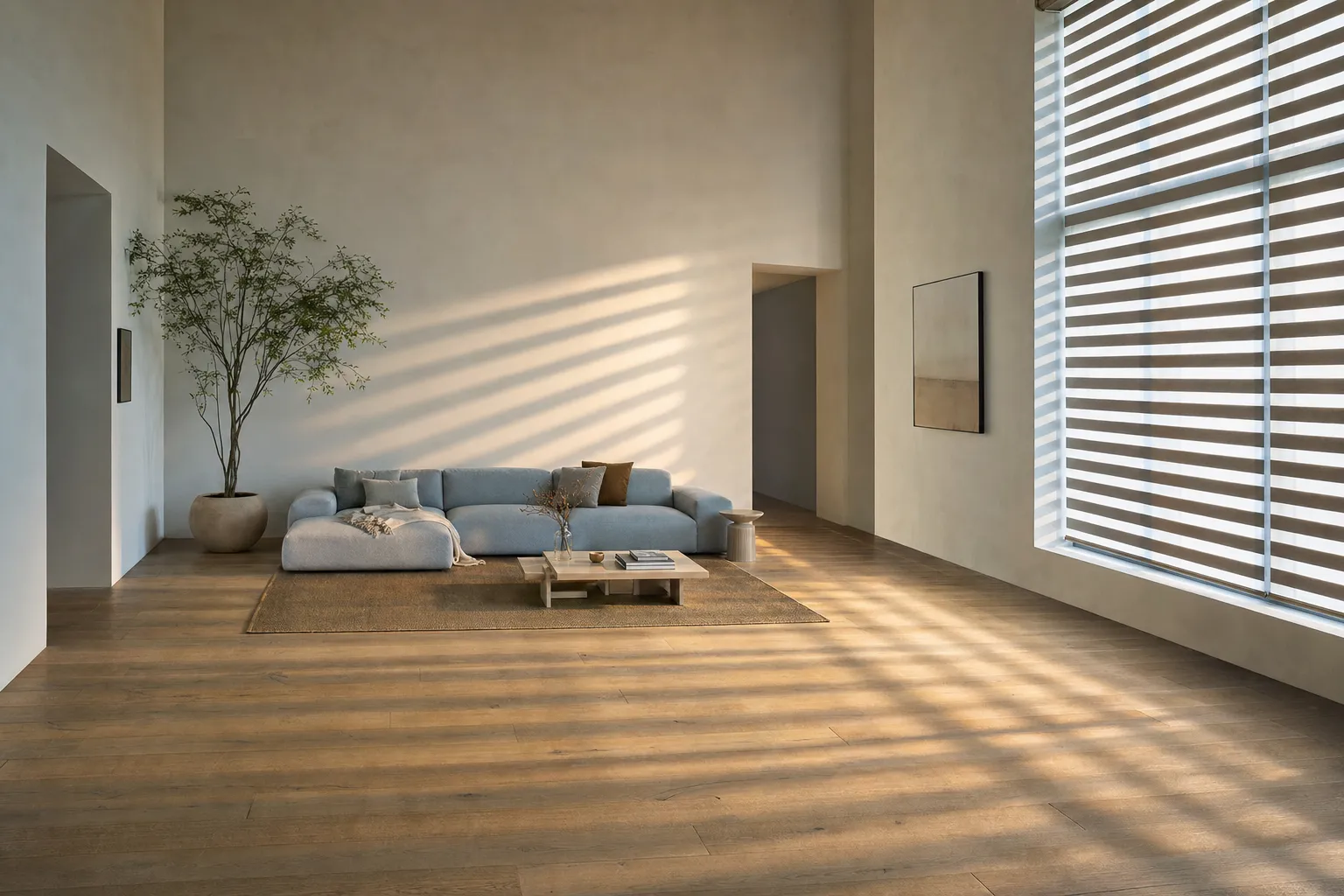
Zebra blinds in Vaughan
Zebra blinds made to your openings and fitted across Vaughan. In a house built around arches and raked gables, the zebra goes on the rectangles — and the useful conversation is which of your windows are rectangles with a daytime problem.
Blinds Company · Rated 4.8 out of 5 on Google
Free in-home measure · open 8am–9pm, 7 days
In short
Zebra blinds made to your openings and installed in Vaughan. A shape-heavy house has a handful of ordinary rectangles in it, and those are exactly the windows a zebra suits — so the job is knowing which ones they are.
Book
Let's measure your light.
We come to you, measure at your own windows, and go through fabrics and fits together. The visit costs nothing.
$99 off when you order three or more blindsApplied to your written quote at the measure.
Rather just talk?(437) 782-5452Open 8am–9pm, 7 days
In a room
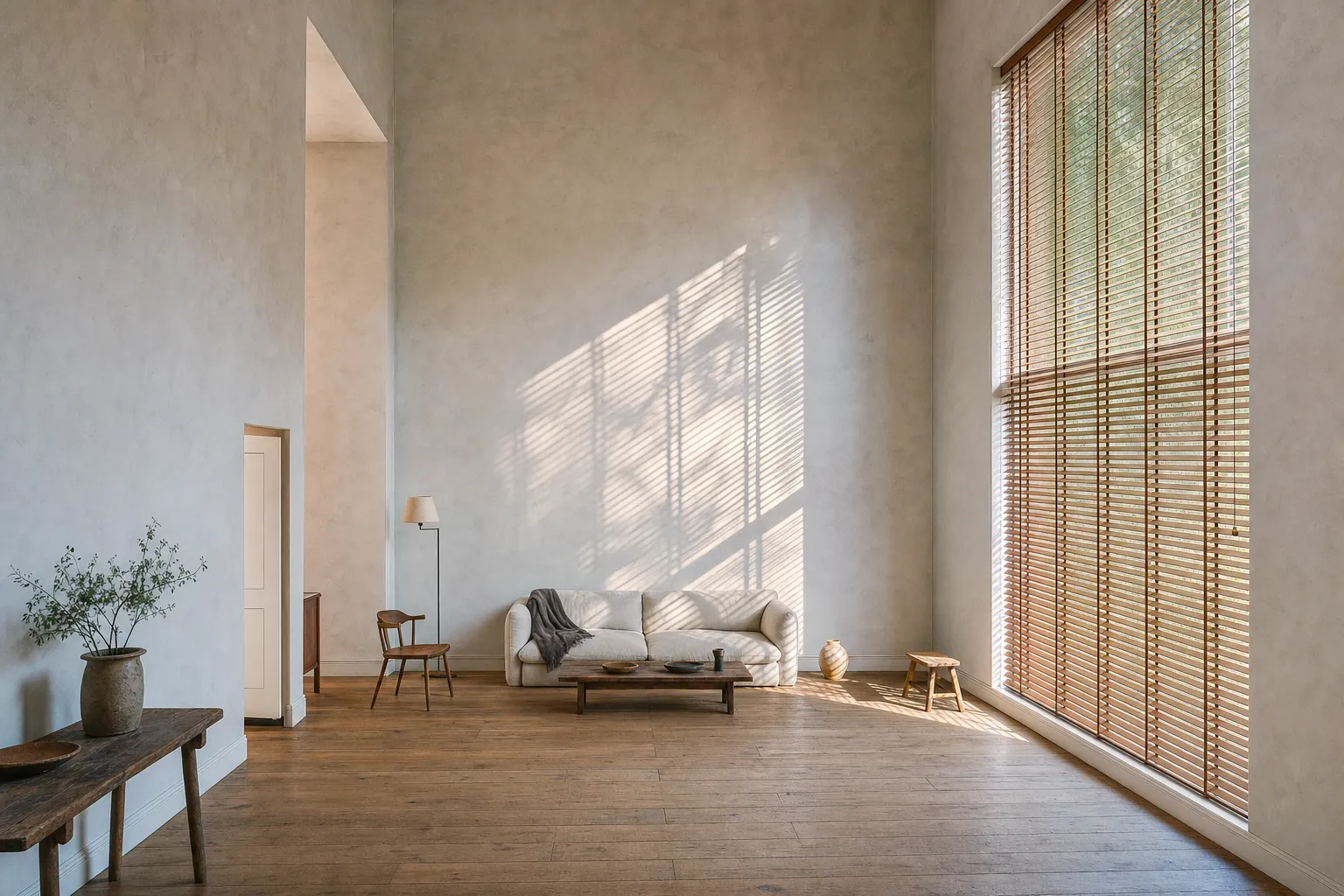
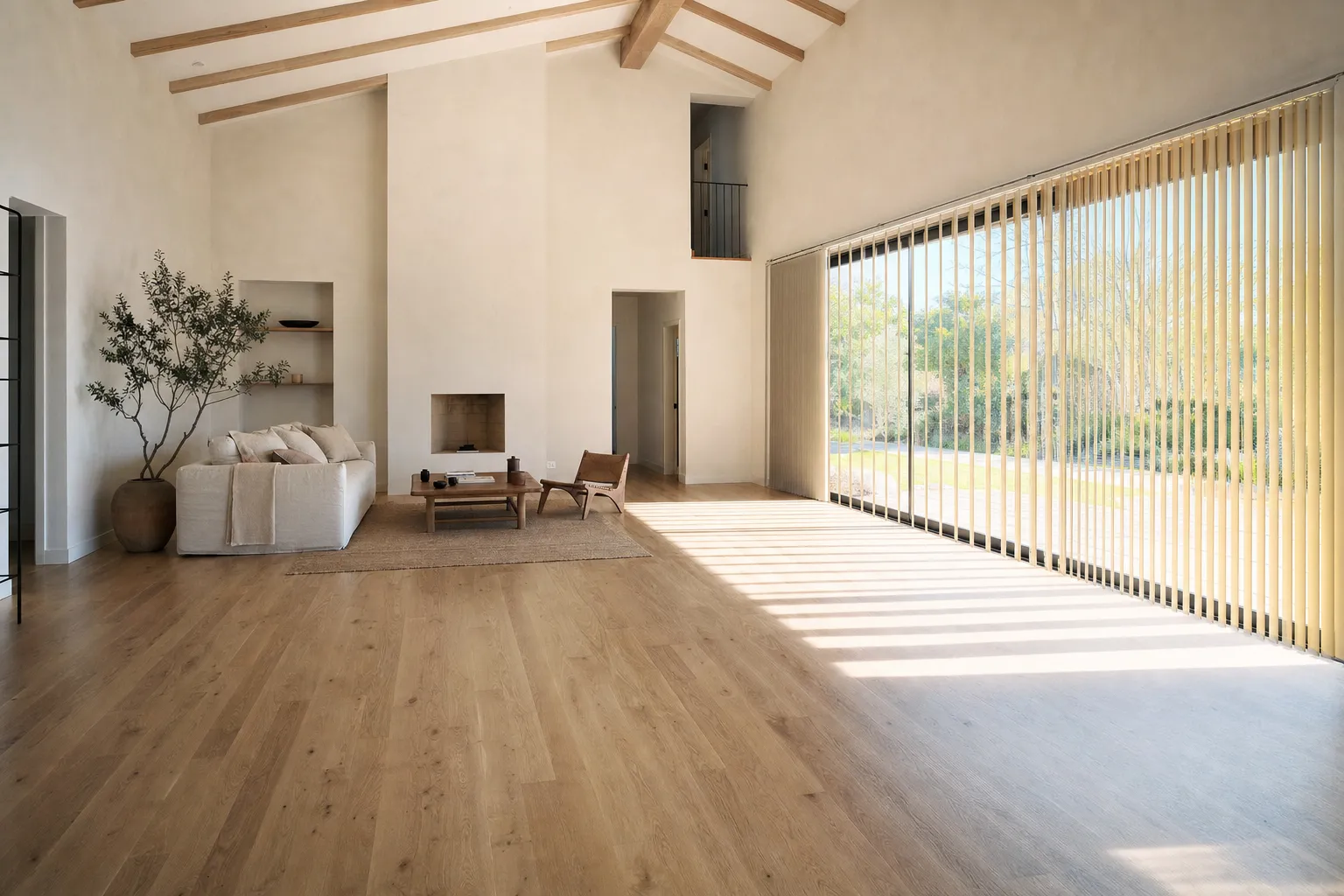
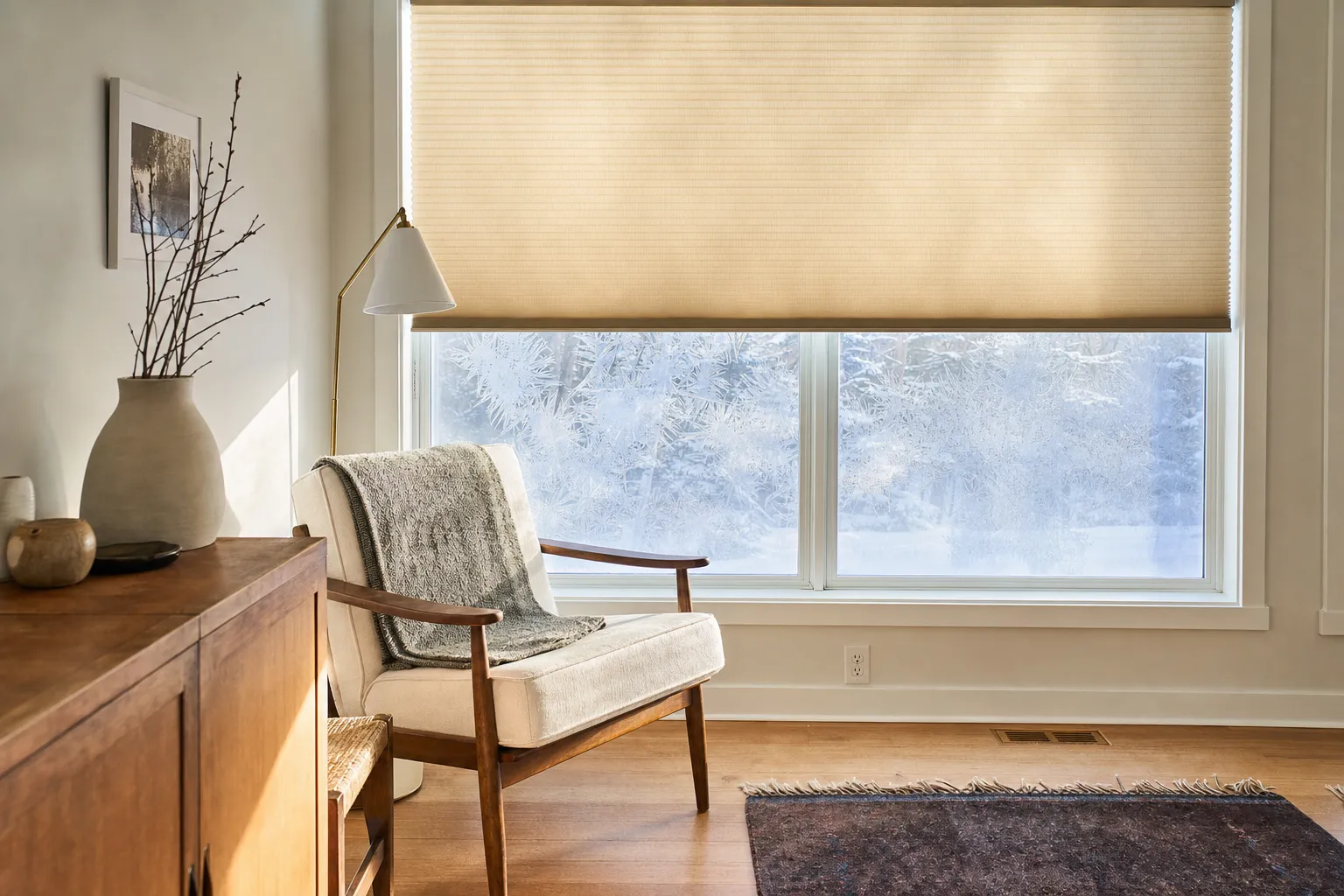
What zebra blinds look like once they are up.
The product, not our installations — a gallery of rooms we did not fit would be somebody else's portfolio with our name on it.
Finding the rectangles
Most of what makes a Vaughan house interesting at the window makes it hostile to this product, so the honest starting point is subtraction.
A zebra rolls. It ends in a straight rigid bar. That means every arched head, every raked gable and every angled transom in the house is out, for the same reason a roller is — and the treatments those openings actually take are set out on the Vaughan page.
What is left, in a typical large house here, is a surprisingly short list: the front sitting room, a den or office, the family room’s lower glass, sometimes a dining room, and the bedrooms. Take the bedrooms out — a zebra cannot make a room dark — and you have three or four windows.
That is not a disappointing answer, it is the useful one. Three or four windows specified properly costs a fraction of a whole-house quote and produces a house where the rooms that needed help got it.
The failure mode we are called in to correct is the reverse: a quote for zebra blinds throughout a house where half the openings physically cannot take the product, written by somebody who priced from a plan.
Depth, in one paragraph
A zebra’s fabric passes itself, so it needs meaningfully more room front to back than a plain roller — enough that in newer construction it often will not sit inside an opening a roller fits comfortably. Where that happens the blind mounts above the opening or to the ceiling, which works and looks deliberate. The reveal arithmetic, the bulkhead question and what to do when the ceiling is out of level along a long glazed wall are on the roller page for this city, because they apply identically to both products. The only zebra-specific addition: never force one into a reveal it does not fit, because the fabric brushing the glass marks the sheer bands within a season.
The dining room, which is the one formal room this suits
Most of the rooms a zebra belongs in are casual. The exception in these houses is the formal dining room, and it is worth its own note because people rule it out.
The instinct is that a banded blind is too contemporary for a room with a coffered ceiling and panelled walls. Sometimes true. But a Vaughan dining room usually has two specific problems that this product answers better than anything softer.
It is used almost entirely after dark, and looked into from the street. These rooms sit at the front of the house with generous glass. Closed solid bands give real evening privacy without the weight of drapery, in a room that is often already carrying a lot of visual weight.
It is unused and sunlit for most of the day. Which means fading — a table, a rug, whatever is on the sideboard. A zebra left in its aligned position filters continuously without anybody adjusting it, and can be closed properly when the afternoon sun is direct.
The specification that makes it work in a formal room is the low-contrast fabric described below, in a tone taken from the trim rather than from the wall. High-contrast bands in a panelled room fight the panelling.
Where it is genuinely wrong: a dining room with a bay of divided-light windows, where the bands and the glazing bars set up two competing horizontal rhythms. There the answer is something plain, or nothing.
Two-storey glass: the bottom only
The great-room window that runs up through the double-height space is the one people most want covered and the one where a zebra is least useful above head height.
The reason is that a zebra’s value is the change between two states, and that change is about people — being seen, or not, at a particular hour. Nine or twelve feet up there is nobody to be seen by. The upper glass has a heat and glare problem, not a privacy one, and a product costing twice a screen to solve a problem it does not have is the wrong purchase.
So the arrangement that works: a zebra on the lower glass, level with the room, doing the day-and-evening job. Above it, either a plain screen sized to the upper opening, or a fixed panel, or nothing at all — decided by whether anything in the room is uncomfortable or fading when the sun is on it.
The visual question that follows is whether two different products on one window looks wrong. It does not, provided the join lands on the transom bar or mullion the architecture already put there, and provided the backing colour matches so the elevation reads as one window from outside.
Where an arch sits over a rectangle
The most common Vaughan window that can partly take a zebra, and the arrangement worth knowing about.
A great many first-floor windows here are a plain rectangle with a half-round or a segmental arch sitting directly on top of it. The rectangle is an ordinary opening; the arch is a shape.
Split them. The rectangle takes a zebra, doing the day-and-evening job in the part of the window level with the room. The arch takes a fixed shaped panel in the same fabric family, which follows the curve properly and never needs to move — because nothing about an arch two and a half metres up requires adjusting.
Two details make it read as one window rather than two products.
Match the family, not necessarily the exact cloth. The panel is a single layer and the zebra is banded, so an identical fabric is not available. What matters is that the tone and the backing match, so the elevation is consistent and the interior reads as one decision.
Land the join on the spring line. The top of the zebra’s headbox and the bottom of the panel meet where the curve begins, which is a line the architecture already drew. Anywhere else and the eye sees two blinds.
Band scale, which nobody checks on a sample card
The mechanics — what the ratio between the bands does, how opaque the solid is, whether the sheer glows — are on the zebra blinds page. One thing is specific to houses with windows this size, and it is the mistake we see most.
Band height is a property of the fabric, not of the window. A cloth with 75 mm bands has 75 mm bands whether it is hanging on a bathroom window or on a two-and-a-half metre great-room opening. What changes is how many of them you are looking at.
On a small window, six or seven bands read as a texture. On a tall one, thirty of them read as a pattern — and a fabric that looked quietly striped on a 20 cm sample card can look emphatically striped on the wall. Low contrast between the sheer and the solid is what keeps a big window calm; high contrast is a decision to make the blind a feature.
Two ways to check it before ordering, both of which take a minute at the measure. Hold the sample at the height the blind will hang rather than at waist level, because the angle you view the bands from changes how strongly they read. And step back to where you usually sit in that room — a pattern that is obvious at arm’s length often disappears at four metres, and the reverse is also true.
The related question on a wide wall: two blinds side by side will not keep their bands aligned with each other over time, because they are independent mechanisms and each drifts with use. If that would bother you, one wider blind is the answer, within the span the tube will carry flat.
Motorising one, and why the weight changes the sums
Vaughan produces more motorised zebra enquiries than anywhere else we work, because the windows are large and a large zebra is a heavy object. Worth setting out what that actually means, because the arithmetic is different from a roller’s.
A zebra carries roughly twice the cloth. The fabric is a continuous loop, so a two-and-a-half-metre drop is about five metres of material hanging on the tube. Add a wide opening and the load on the mechanism is considerable.
Three consequences follow.
The tube is sized for the weight, not just the span. A tube that would comfortably carry a screen roller across the same opening can be under-specified for a zebra, and an under-specified tube bows — which on this product is worse than on a roller, because a bowed tube also puts the two fabric layers out of parallel and the bands stop lining up cleanly across the width.
A battery motor works harder, so it charges more often. On a modest window the difference is nothing — two or three charges a year either way. On a wide, tall zebra in a room where the blind is cycled twice daily, a battery that would last a year on a roller is a two- or three-times-a-year job. Where there is any prospect of power at the head of the window, hardwired is the better answer on this product specifically.
Spring lift has a lower ceiling here. A spring is balanced against the weight it has to hold at every position, and twice the fabric is twice the problem. Past a size that varies with the cloth, a spring becomes either stiff or unreliable, and we specify a motor instead rather than sell an unpleasant mechanism.
The useful practical note: if the room’s blinds are going to be motorised anyway, zebras and rollers can share one remote and one schedule, so a house does not end up with two systems. That is a decision to make at the first order rather than the second, because retrofitting the first blind into the second system is rarely possible.
And the honest limit: motorisation solves reach and it solves scheduling. It does not solve alignment between two adjacent blinds, it does not reduce the depth the product needs, and it does not make a zebra dark. Anything sold on those grounds is being sold on the wrong grounds.
What the visit settles
We ring back and ask which rooms bother you and how.
At the house the first pass is the inventory: which openings are rectangles at all, and of those, which have a requirement that changes between afternoon and evening. That is usually a much shorter list than people expect and it is the most useful thing we do.
Then depth, at every candidate window, before any conversation about fabric — because on newer construction depth decides whether this product is available at that opening.
Then samples, held against your own glass at the hour the room misbehaves, in both the open and the closed position, and at the height the blind will actually hang.
You keep a written quote with a line for every opening, so the three windows that need this can be separated from the twenty that do not. No deposit, no card, nothing owed either way.
Last updated .
Everything we make
The rest of the range, in Vaughan.
Each is wrong somewhere. Its page says where.
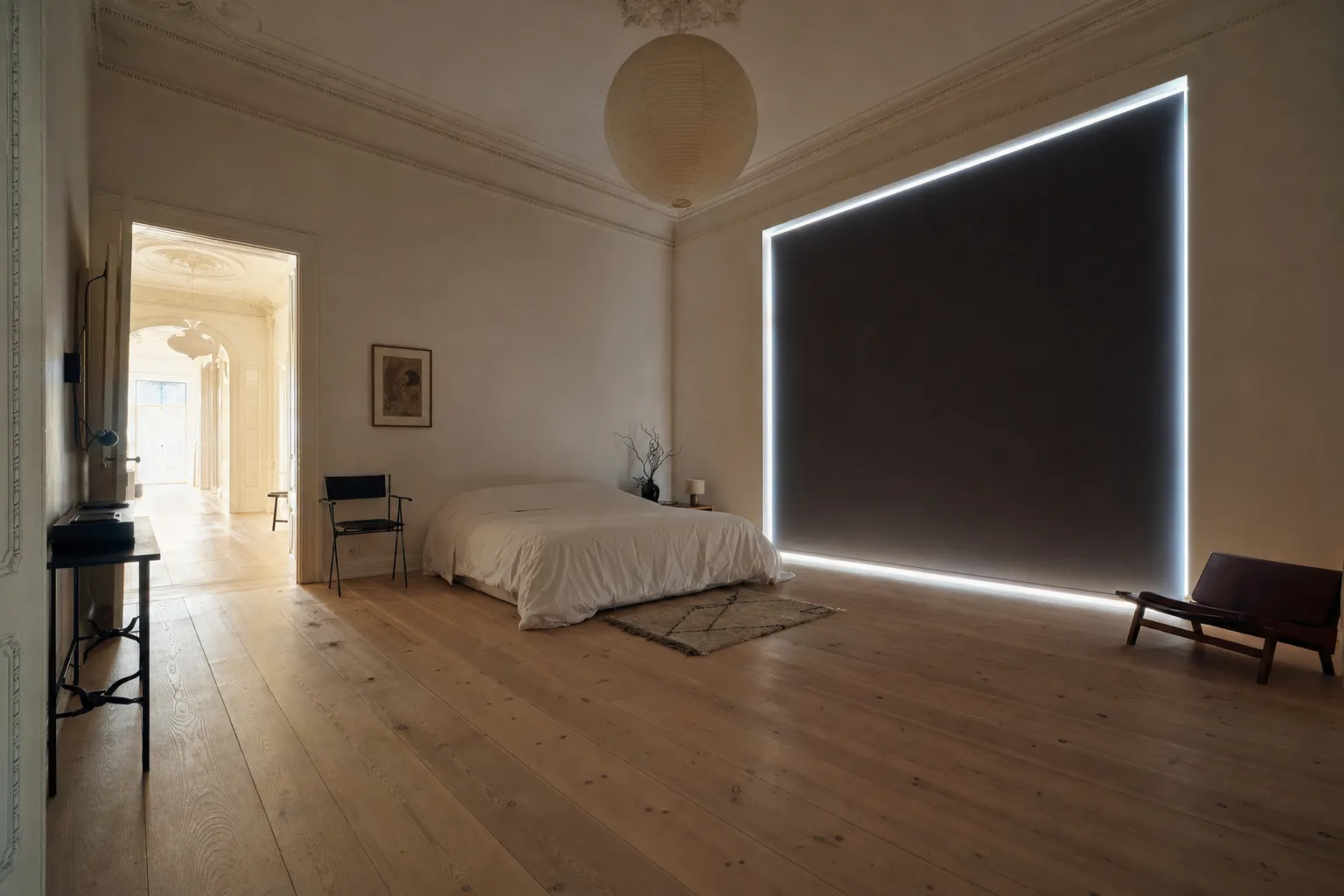
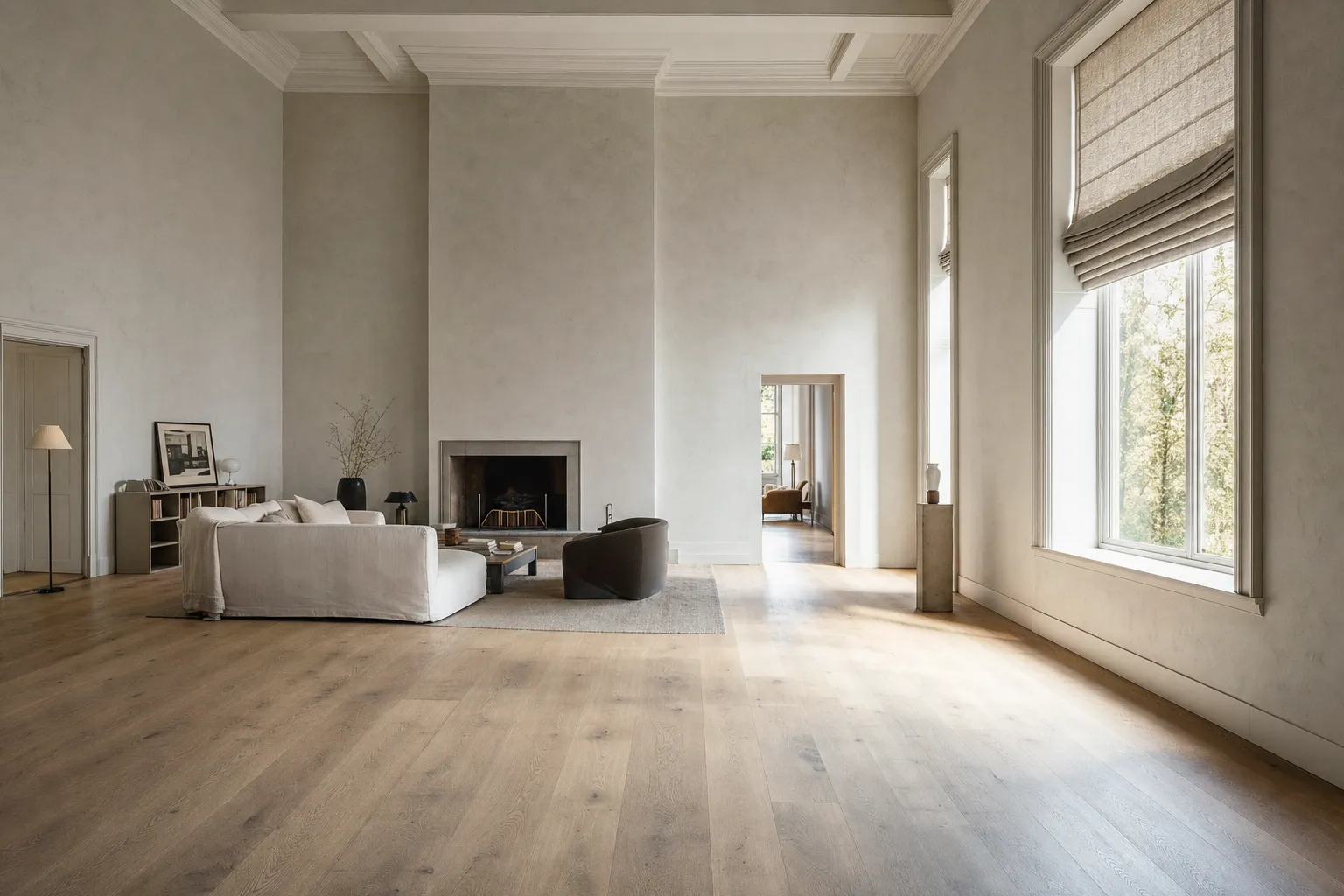
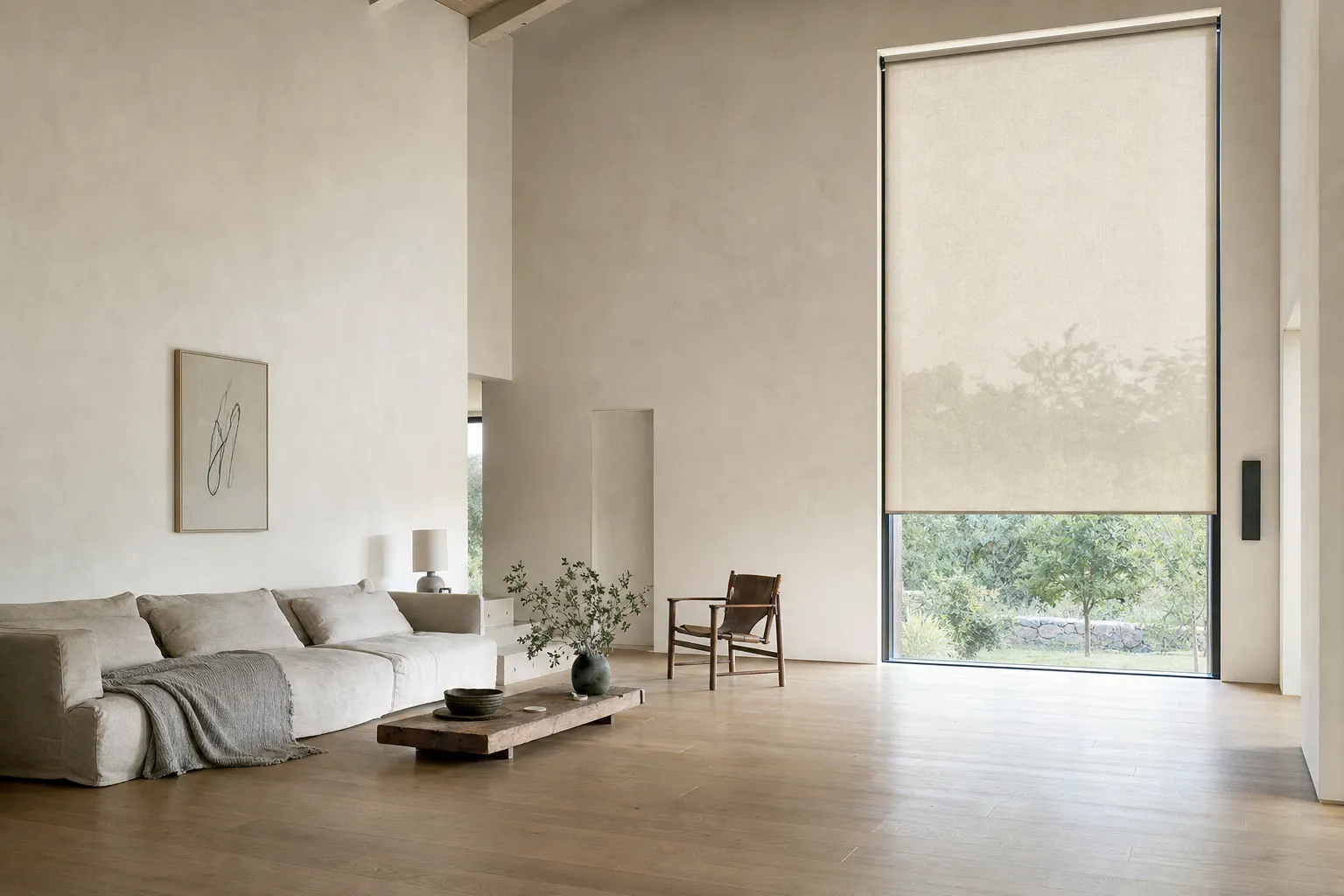
The rectangles with a day-and-evening problem. Usually three of them. We will find them.
Our commitment
We checked the depth before promising the product, so a zebra that will not fit is ours.
If it does not fit, we remake it
You never held the tape.
Nothing owed before you agree
No deposit, no card.
Licensed and insured
Both, before we come in.
Your date, in writing
Set at the quote. It does not move.
We will tell you not to buy
If a stock size does it, you hear so.
Cordless where a child sleeps
Standard, at no extra charge.
Reviews on Google
What people said afterwards.
Rated 4.8 out of 5 — the ones below are quoted in full, with a link to check each on Google.
I'm thoroughly impressed with Blinds Company. From the initial consultation to the final installation, their team delivered exceptional service, expertise, and quality.
Oleksandr StakhurskyiHighly recommend Nick and his team. They installed blinds in my house. Looks wonderful, cheers
Timur Shafikov
Real names, real dates, and a link to all of them — including the ones we would not have picked.
Read them on GoogleQuestions
Before you book
Can a zebra blind go on an arched or angled window?
No. A zebra is a rolling product ending in a straight bar, so it cannot follow a curve and it will hang away from raked glass exactly as a roller does. On a shaped opening the answers are a fixed shaped panel or a cellular blind on side tracks, and on a window that is an arch above a rectangle you can put a zebra on the rectangular part and a panel on the arch.
Why does a zebra sometimes not fit where a roller does?
Depth. A zebra's fabric is a continuous loop that passes itself, so there are two thicknesses of cloth with a gap between them and the assembly needs noticeably more room front to back than a plain roller. Newer construction in this city gives shallow reveals, so it is common for a roller to fit inside an opening where a zebra has to mount on the wall face instead.
Which rooms in a Vaughan house are they actually for?
The ground-floor rooms with ordinary rectangular windows that are used both in the afternoon and in the evening — a front sitting room, a den or office, a family room that is overlooked. Usually three or four windows in a large house. Not bedrooms, because a zebra cannot make a room dark, and not the tall architectural glass, because nobody is looking in up there.
Do the bands line up between two blinds side by side?
At the moment they are installed, if both are set together. Not permanently — they are independent mechanisms and they drift relative to each other with use. On a wall where two blinds sit side by side and alignment would bother you, one wider blind is the answer, subject to width limits.
Is a cordless zebra harder to balance than a cordless roller?
Slightly, and it matters on a big window. A zebra carries roughly twice the fabric of a roller for the same drop, so a spring has more weight to hold at every position. On the large openings common in this city that is the point where we specify a motor rather than a heavier spring — an under-balanced spring is unpleasant to use and gets worse rather than better with age.
Do you cover Woodbridge, Maple, Kleinburg and the VMC towers?
All of Vaughan. The older streets are the simplest work — rectangular openings and deep reveals — and the towers are the tightest, because depth is the whole question there and a zebra needs more of it than most products.
Where we work
Zebra blinds across the GTA.
The same crew measures and fits in every one of these. The visit is free wherever you are on this list.
- TorontoZebra blinds
- MississaugaPeel
- BramptonZebra blinds
- EtobicokeToronto
- Richmond HillYork
- North YorkToronto
- VaughanYou are here
- MiltonHalton
- BurlingtonHalton
- MarkhamYork
9 of these have a page of their own so far; the rest are covered by the same crew on the same terms, and their pages are being written. Not sure whether you are inside it? Call and ask — the answer takes ten seconds.
If somebody has quoted zebra blinds for a whole Vaughan house, half those windows cannot take one. Ring and we will tell you which half.