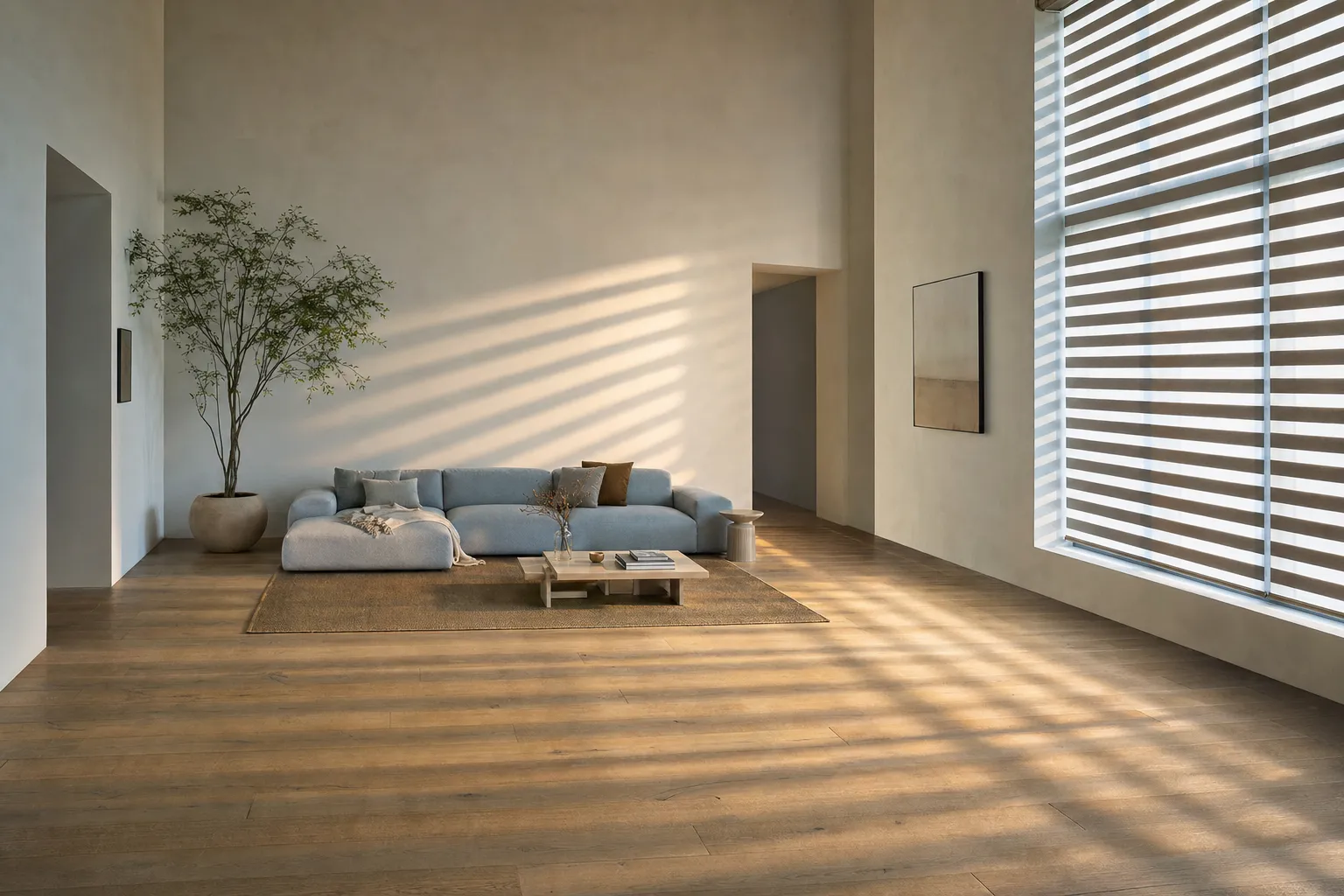
Zebra blinds in Toronto
Zebra blinds made to your openings and installed across Toronto. The reason they sell here is narrow lots: you can break the sightline from the sidewalk without giving up the daylight.
Blinds Company · Rated 4.8 out of 5 on Google
Free in-home measure · open 8am–9pm, 7 days
In short
Zebra blinds made to your openings and installed in Toronto. Daytime privacy on a street where the sidewalk is six feet from the window — the specific reason Toronto front rooms buy this product.
Book
Let's measure your light.
We come to you, measure at your own windows, and go through fabrics and fits together. The visit costs nothing.
$99 off when you order three or more blindsApplied to your written quote at the measure.
Rather just talk?(437) 782-5452Open 8am–9pm, 7 days
In a room
What zebra blinds look like once they are up.
The product, not our installations — a gallery of rooms we did not fit would be somebody else's portfolio with our name on it.
Why this product sells in this city
Toronto’s residential lots are narrow, and the older ones put the front window close to the sidewalk. That produces a very specific complaint, and we hear it several times a week: the room is not too bright, it is too visible. People sit at an angle to avoid the window, or they keep a roller half down all day and lose the daylight they paid a premium for.
A zebra blind answers that particular problem better than anything else in the range, because the adjustment is continuous. You are not choosing between covered and uncovered. You are choosing how much of the sightline to break, and there is a position — usually about a third closed — where somebody walking past sees nothing useful and you still see the street, the trees and the weather.
Where we fit them across the city
The bulk of the zebra blinds we install in Toronto go into three situations. Front rooms on narrow east-end lots, for the reason above. Home offices, where the complaint is a specific hour of glare on a monitor rather than general brightness. And condo living rooms, where a single wide band of fabric suits the proportion of the glass better than slats do.
Bay windows are their own job. Each section is a separate blind, measured and mounted on its own, with the angle between sections worked out on site. A bay covered as though it were one wide window is the most common piece of bad work we get called in to replace, and it is always a measuring decision rather than a manufacturing one.
The thing to decide before you order
Night-time. With the lights on inside, the sheer bands reverse and the room reads as silhouettes from the street — which on a Toronto front room, with the sidewalk right there, is exactly the situation you were trying to fix.
The fix is not a different zebra fabric. It is a second layer: a blackout roller on its own bracket behind the zebra, so the window has a day setting and a night setting. That costs more, and we would rather tell you at the measure than have you find out in week two.
How it is made and fitted
Cut to the measurements taken in your rooms — three across, three down, to the tightest number. Manufactured under our own name rather than bought in and badged. Cordless as standard where a child can reach it. Installed by the same crew that measured, with drop sheets down and the packaging leaving with us.
The visit is free and takes under an hour. You get a written quote per opening and no obligation attached to it.
The two questions we get asked in this city more than anywhere else
“Will people see in from the condo across the street?” By day, no — the sheer bands are much harder to see through when it is brighter outside than in, and that is most of the daylight hours. By night, with your lights on, yes. The effect reverses completely and silhouettes show. Downtown, where the building opposite is forty metres away and at the same height, this matters more than it does on a side street in Leaside, and it is the first thing we raise rather than the thing you find out in week two.
“Will they work on my floor-to-ceiling glass?” Usually, and the constraint is depth rather than height. A zebra wraps the tube twice, so it needs more room front to back than a plain roller — around 65mm to sit inside a reveal without touching the glass. A lot of newer buildings do not have it, and then the answer is a ceiling or bulkhead mount, which looks deliberate and often better. We measure the reveal before we talk about fabric.
The same product in a house and in a tower
Zebra blinds sell in both halves of this city and for two entirely different reasons, which is worth separating because the specification follows.
In a house, on a narrow lot, the reason is the sidewalk. The requirement is to break a sightline at close range while keeping the daylight, and the decision is about the closed state — how well the solid bands actually cover when somebody walks past at eye level three metres away. Depth is usually available, because a century reveal is generous. The product is doing a privacy job.
In a condominium, twenty floors up, nobody is looking in and privacy is not the point at all. The reason is glare and heat on a wall of glass with no eaves, no trees and nothing opposite. The requirement is about the open state — how much the sheer bands cut at four in the afternoon while keeping the view that the unit was bought for. Depth is the constraint, because the reveal is shallow or absent, and this is where a zebra most often loses to a plain roller.
The practical upshot: in a house, choose the fabric on the opacity of the solid band. In a tower, choose it on the openness of the sheer, and check the depth before falling for anything.
One shared point. In both cases the blind is being asked to work at a specific hour rather than all day, so the sample goes up at that hour or the choice is a guess.
Which room in a Toronto house this actually suits
The product sells here for one reason, and it is worth being specific about where that reason applies, because it does not apply everywhere in the same house.
The front room, first floor. This is the case. Glass facing a sidewalk a few metres away, a room used through the day, and an owner who wants the daylight and the view of the street without being on display to it. Nothing else in the range does both at once.
A side window on a narrow lot. Rarely. A side window on a Toronto semi usually faces a brick wall a metre away, so there is no sightline to break and no view to keep. Money spent on a zebra there buys nothing a plain screen would not.
The kitchen at the back. Sometimes, and it depends entirely on the garden. On a deep lot backing onto other gardens, no. On a shallow lot backing onto a lane or onto the rear windows of the next street, yes — and that is a room where the light matters, so the ability to open the bands fully is worth having.
A bedroom. No, and this is the one we get asked about most. A zebra’s closed state is not dark, and a bedroom that is not dark is a bedroom that failed. If the room needs to be both private in the evening and dark at night, that is two products, and the honest arrangement is a blackout with a zebra in front of it — not a zebra asked to do a job it cannot.
A stair landing or a hall. Usually not worth it. Those windows are looked past rather than through, nobody sits in them, and the adjustable quality that justifies the product is never used.
The pattern is that a zebra earns its price in exactly the rooms where the requirement changes during the day. In every other room something simpler does the same job for less.
The sightline test, which takes two minutes and settles it
Before anyone spends money, this is the thing to do, and almost nobody does it.
Go outside. Stand on the public sidewalk directly in front of the window, then at each end of your own frontage, and look in. Then walk to the far side of the street and do it again. Note what you can actually see from each position: the whole room, the top half, a reflection, nothing.
Four things change the answer and none of them is on a floor plan.
Lot width. On a nine-metre frontage in the old city the sidewalk is close enough that the angle into the room is steep and you see a lot. On a wider lot the same window is barely legible from the street.
Grade. Toronto front rooms are very often a metre above the pavement, because the house sits over a basement. That elevation does most of the privacy work by itself — a passer-by is looking at your ceiling, not at your sofa. Where the house is level with the street, or below it, the problem is entirely different and much worse.
The porch. A roof and a railing between the glass and the street cut the angle dramatically.
What is opposite. A house across a residential street is one thing. A bus stop, a school gate, a park bench or a corner store is another, because it puts people stationary and facing you rather than walking past.
The reason this matters for the product: a zebra is a daytime answer. If the test shows you are genuinely exposed, and the room is used in the evening, a zebra by itself will disappoint — see the section below. If the test shows you are exposed for an hour when people walk to the subway and invisible the rest of the time, a zebra is exactly right.
What happens after dark, said plainly
This is the one thing about the product that gets skated over in showrooms, and it is the reason a small number of people are disappointed with an otherwise perfect blind.
A zebra’s open state works because it is brighter outside than in. Light passing through the sheer bands scatters, so from the street you get a bright, textured surface rather than a view of a room.
After sunset that reverses completely. The room is now the bright side, and a sheer band with a lit room behind it shows shapes moving. In the closed state the solid bands overlap and the blind is far more private — but the overlaps are not a seal, and in a dark street with a lit room you will see banding from outside.
So the honest specification for a front room used in the evening is one of three things, and we will ask which before quoting:
Accept it and close them properly. For most people, closed zebra bands in an ordinary living room are private enough. Silhouettes are visible from directly opposite at night; detail is not.
Choose a fabric with a denser solid band. The solid sections vary considerably between ranges. A heavier, more opaque solid gives a much better closed state, at the cost of a slightly less delicate open one.
Layer. A zebra for the day, something opaque behind it for the night. More money, and the only arrangement that genuinely does both.
What we would not do is tell you it is private after dark because it is private at two in the afternoon. Those are different questions and this page answers both.
Century windows, and where the bands sit
Two Toronto-specific fitting notes that apply to this product and not to a plain roller.
The bands are a horizontal pattern, and so is a divided window. On a sash with horizontal glazing bars, or a bay with a transom, the blind’s bands and the window’s own lines will either align or almost align, and almost is worse than not at all. It is worth deciding at the measure whether to line the head of the blind up with a glazing bar or to sit it clearly clear of one.
Depth is tighter than it looks in an old reveal. A zebra needs meaningfully more room front to back than a roller, and a century reveal that appears generous often has a storm sash latch, a sash lift or a deep sill nose eating into it. We measure the clear depth to the nearest obstruction, not to the plaster.
Where the depth is genuinely not there, the answer is to mount on the face of the trim or above the opening. On a window with mouldings worth seeing that is a real cost, and it is one of the few cases where we will suggest a different product rather than a worse mount.
What we see across Toronto’s housing stock
In a downtown condo the usual brief is glare on a screen between two and four, and a view worth keeping the rest of the time. That is a mid-openness sheer band with a dark solid band, and it is the most common specification we fit in the city.
In a semi north of Bloor the window is smaller, the room is darker, and the brief is usually daytime privacy from a sidewalk two metres away. That is a tighter sheer band, and often a lighter solid one so the room does not lose what light it gets.
In an east-end townhouse with three floors of windows, the practical question is whether every opening needs the same thing. It rarely does — the ground floor faces the street and the top floor faces the sky — and quoting them as one job with two specifications is normal rather than awkward.
Last updated .
Everything we make
The rest of the range, in Toronto.
Each is wrong somewhere. Its page says where.
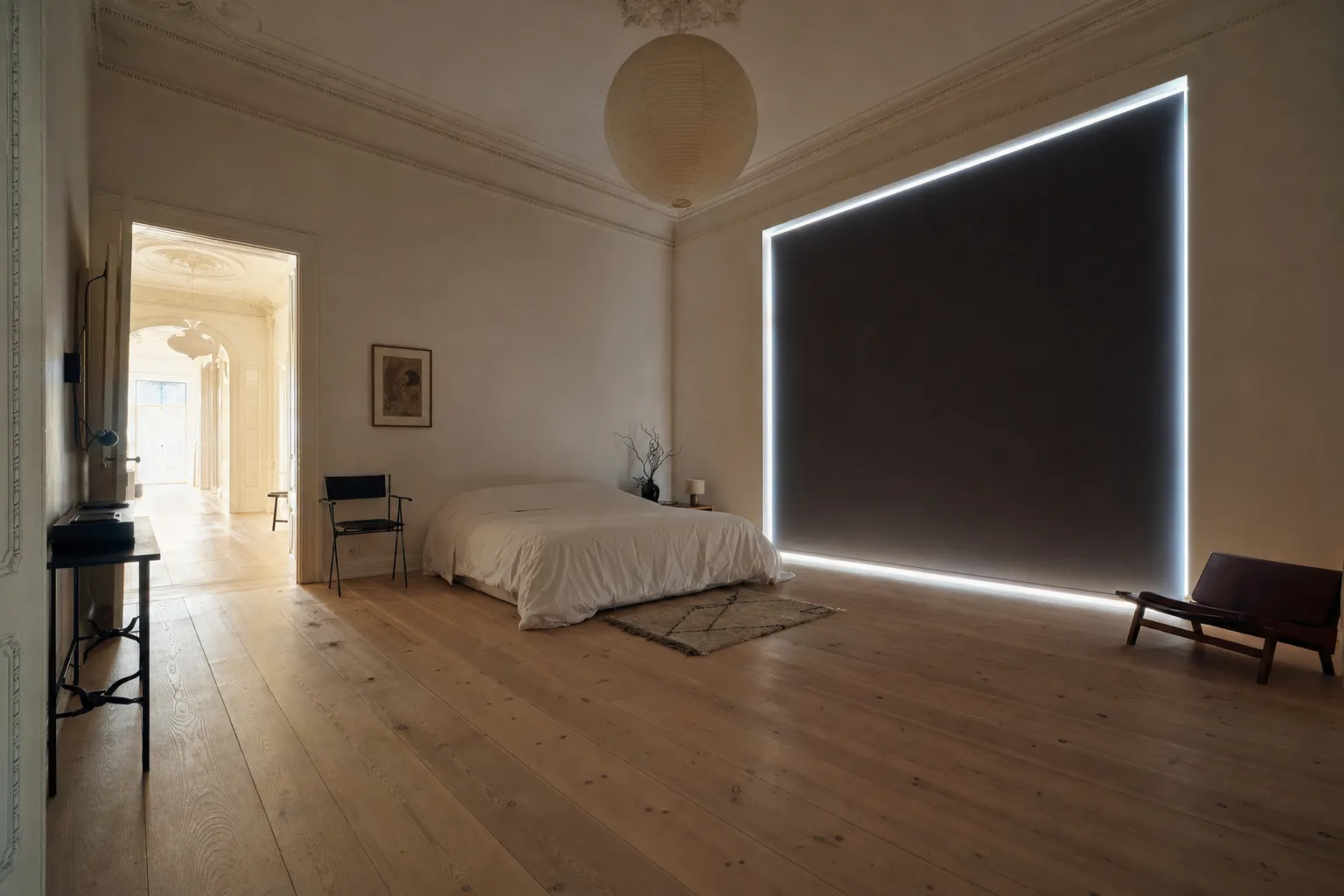
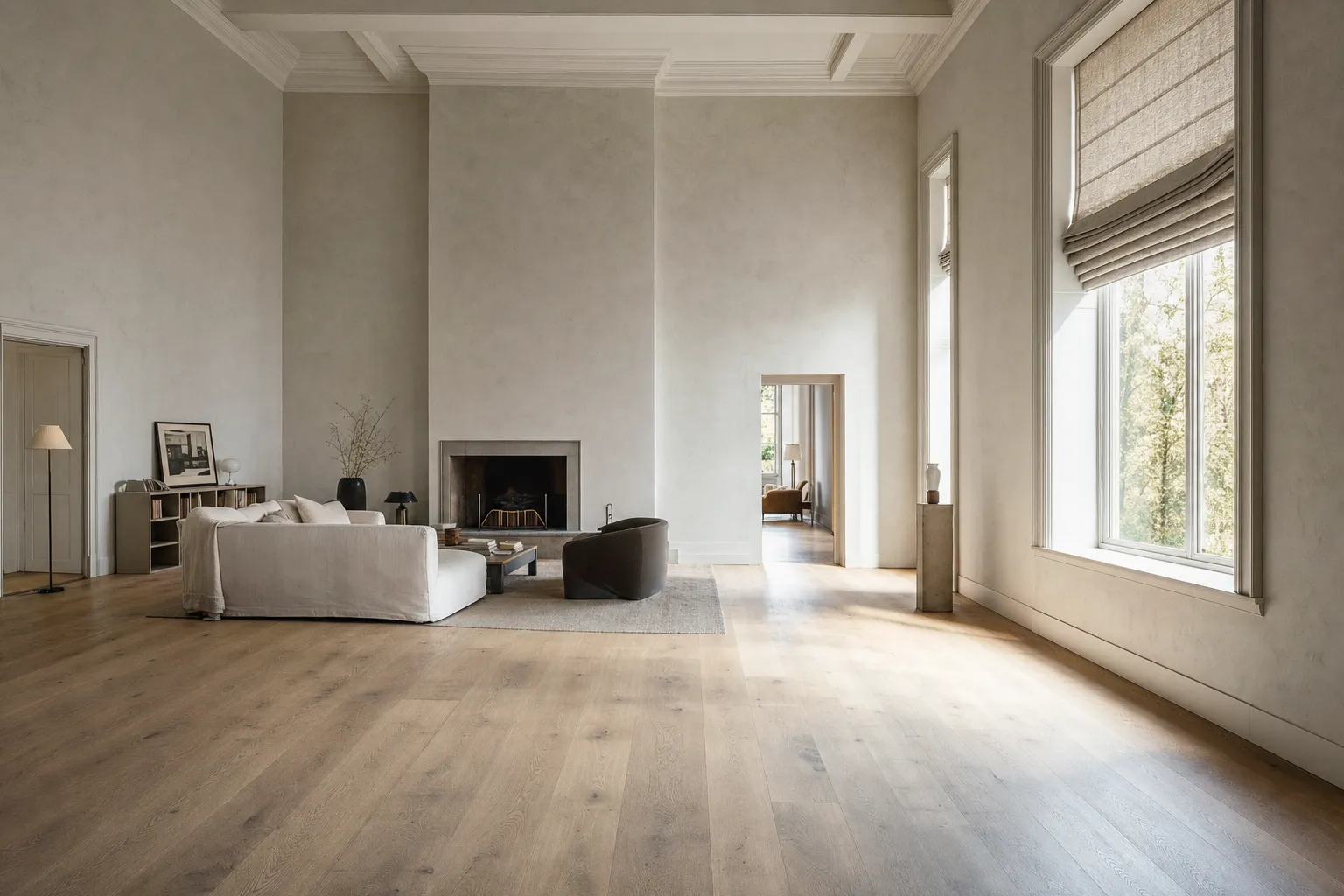
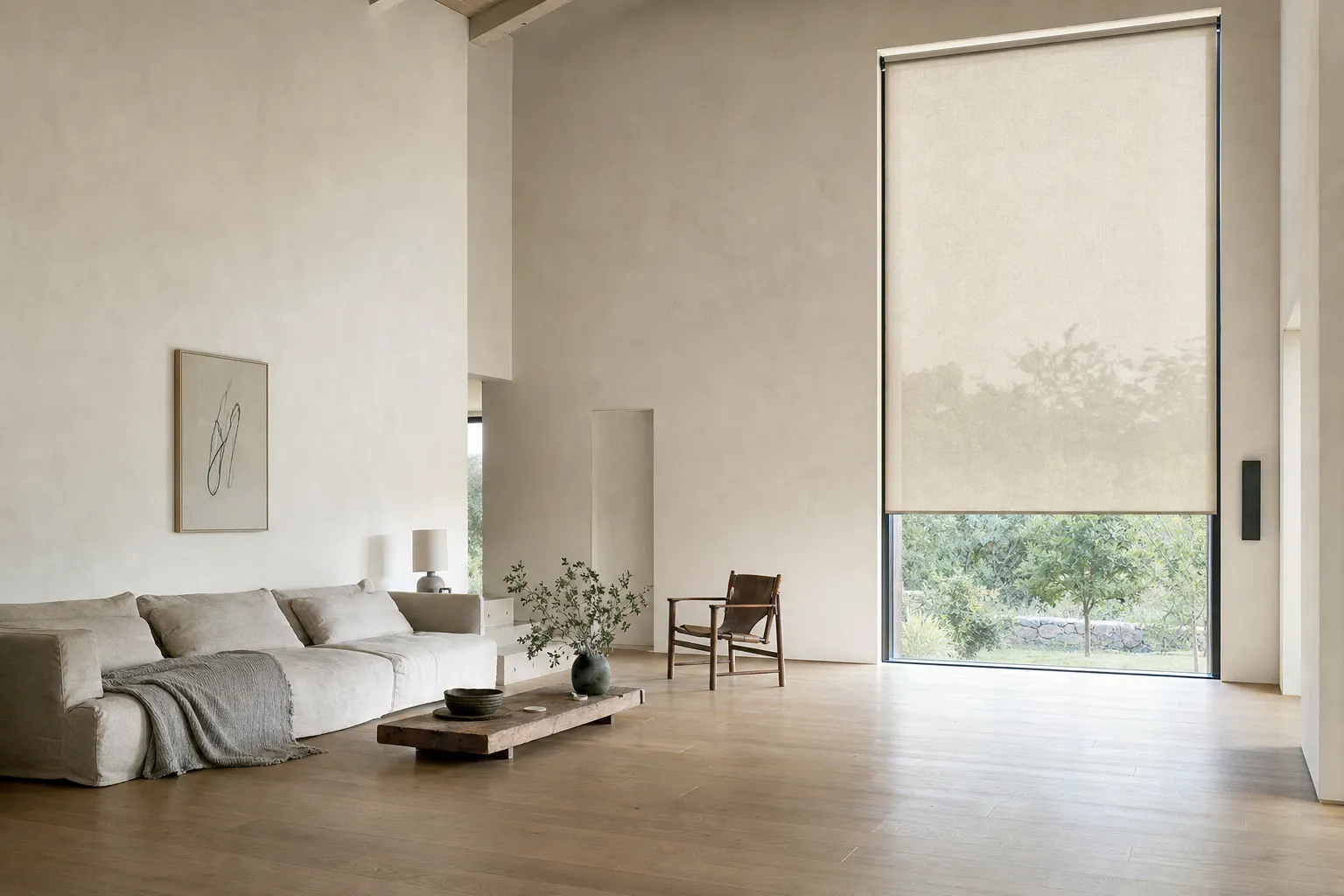
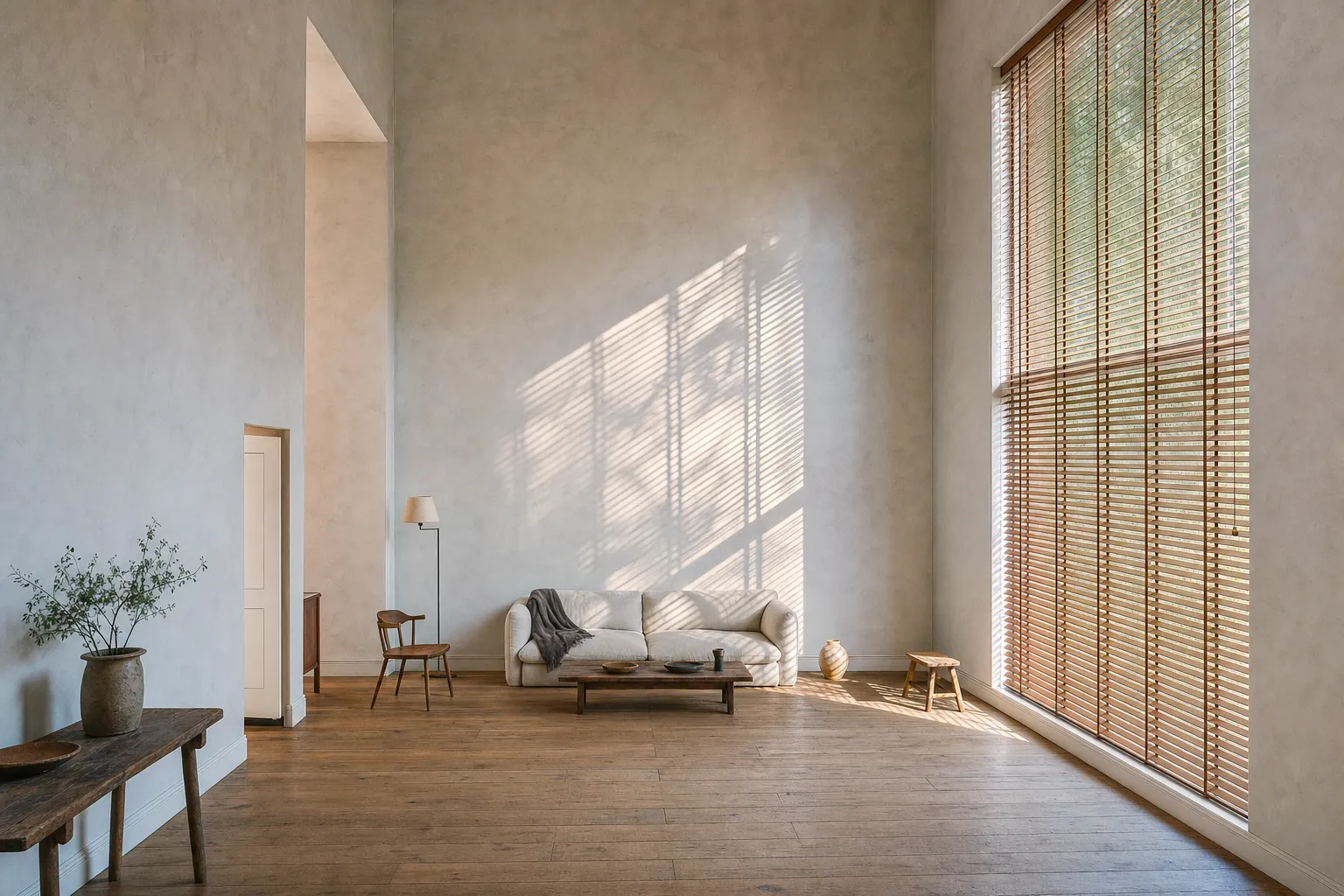
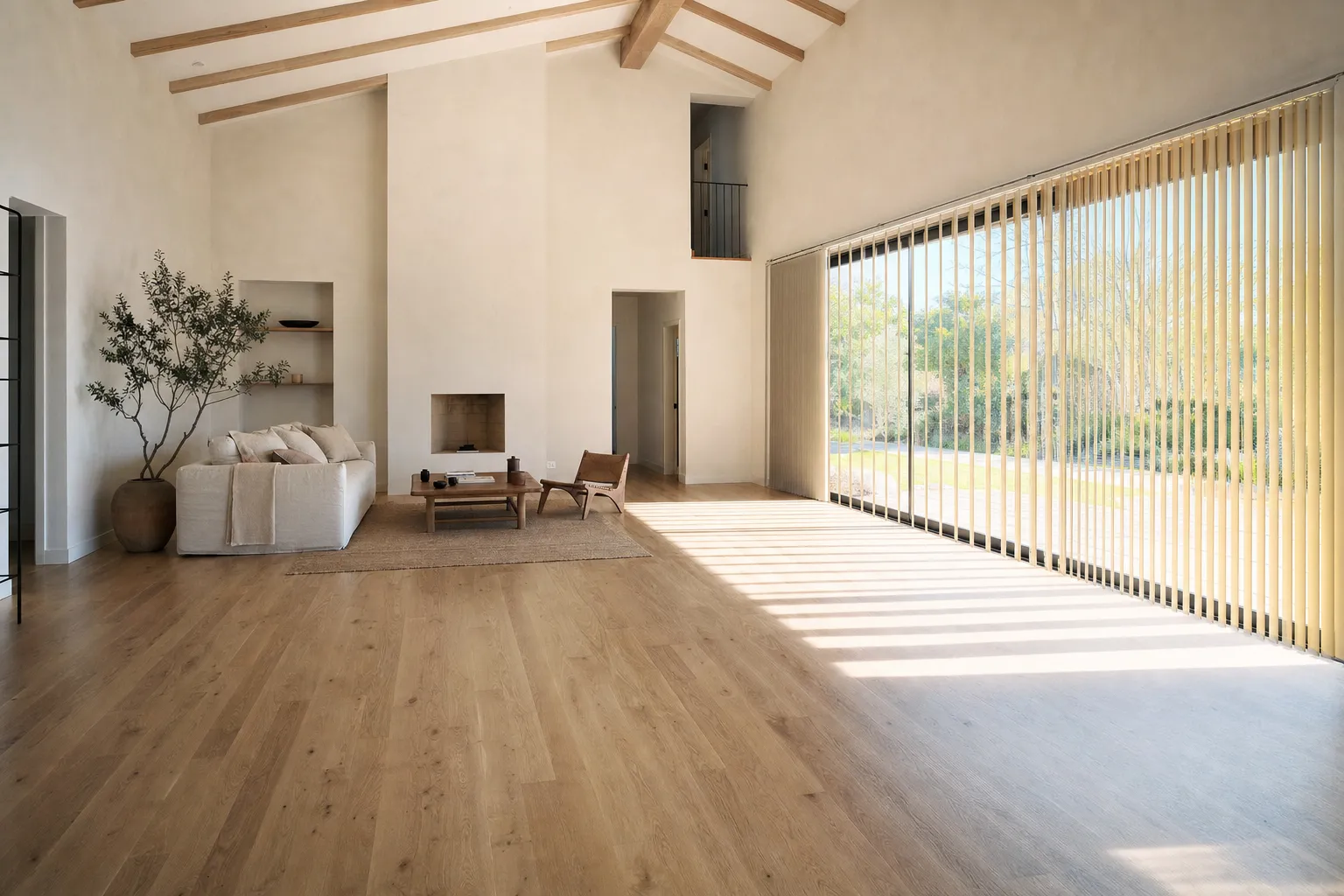
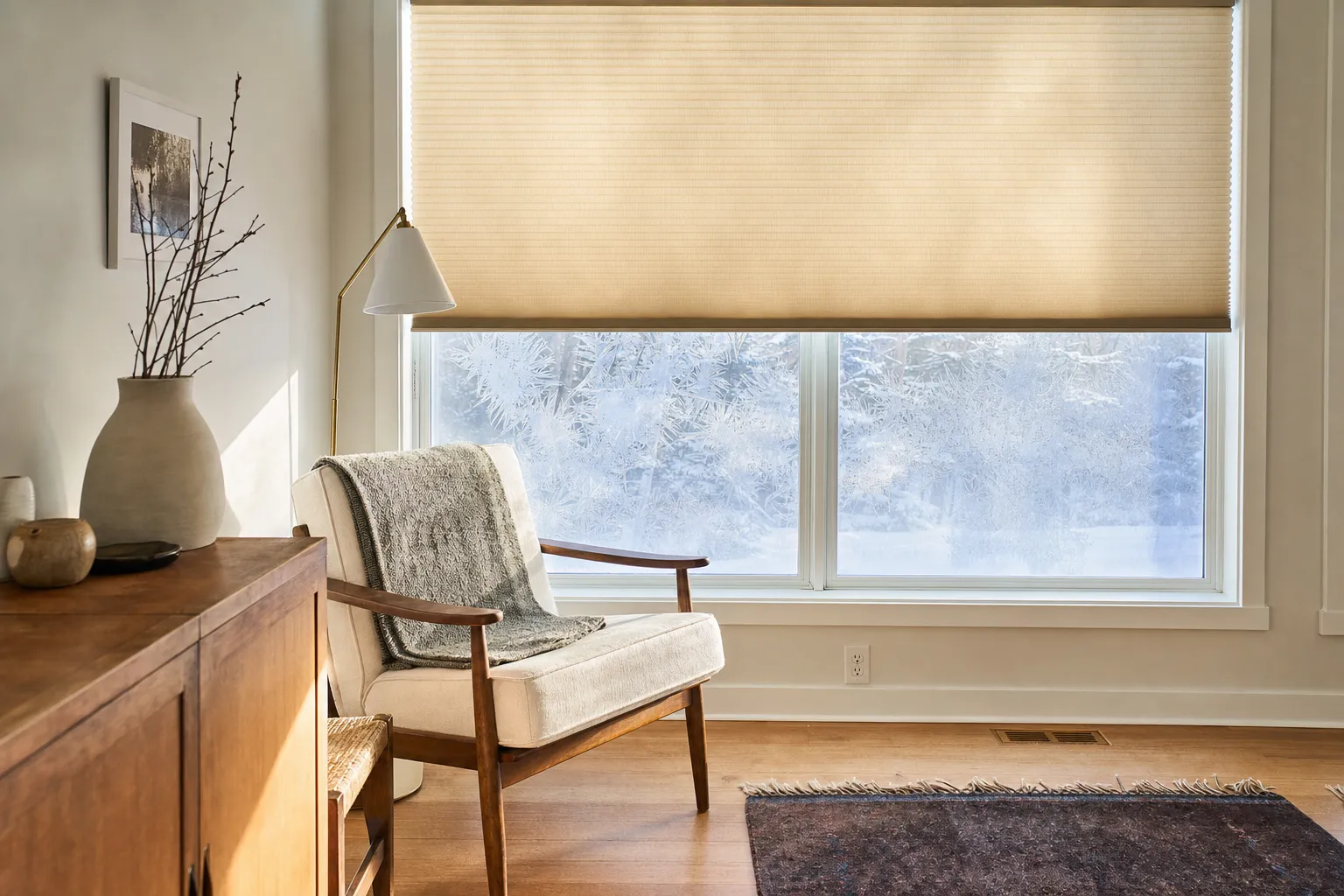
Stand on your own pavement and look in. That is the measurement this product answers.
Our commitment
We judged the sightline from the street, so a blind that leaves you exposed is ours.
If it does not fit, we remake it
You never held the tape.
Nothing owed before you agree
No deposit, no card.
Licensed and insured
Both, before we come in.
Your date, in writing
Set at the quote. It does not move.
We will tell you not to buy
If a stock size does it, you hear so.
Cordless where a child sleeps
Standard, at no extra charge.
Reviews on Google
What people said afterwards.
Rated 4.8 out of 5 — the ones below are quoted in full, with a link to check each on Google.
I was blown away by the exceptional customer service from Blinds Company! Their staff was knowledgeable, friendly, and helped me find the perfect blinds for my living room. The installation was quick and flawless. I highly recommend them!
Merdan BerdiyevI'm thoroughly impressed with Blinds Company. From the initial consultation to the final installation, their team delivered exceptional service, expertise, and quality.
Oleksandr Stakhurskyi
Real names, real dates, and a link to all of them — including the ones we would not have picked.
Read them on GoogleQuestions
Before you book
Do zebra blinds work on the old sash windows in a semi?
Yes, and the thing to check is the depth rather than the width. A zebra needs noticeably more room front to back than a plain roller because its fabric wraps the tube twice, and a century reveal that looks generous often has a sash lift, a storm latch or a deep sill nose eating into it. We measure the clear depth to the nearest obstruction rather than to the plaster.
Are zebra blinds a good idea for a Toronto front room?
They are the most common answer we give for one, and the reason is the lot width. On a street where the sidewalk sits a few feet from the glass, the problem is not brightness, it is being on display in your own living room. Sliding the bands part-closed breaks that sightline while keeping the room lit and the street visible.
Will they work on a bay window?
Yes, but each section is its own blind, measured and mounted separately with the angles accounted for. A bay treated as one wide opening is the single most common bad result we are asked to replace.
What about at night, with the lights on?
They reverse. From outside, a lit room behind a zebra blind shows silhouettes. On a front room facing a sidewalk that matters, so we either put a blackout roller behind them or recommend something else for that window.
Do they suit a condo?
Often, because the wide clean band of a zebra suits big glass. The limit is reveal depth and total width — past a certain span the tube deflects and the bands stop aligning, so we split the opening. Both get measured on the day.
Where we work
Zebra blinds across the GTA.
The same crew measures and fits in every one of these. The visit is free wherever you are on this list.
- TorontoYou are here
- MississaugaPeel
- BramptonZebra blinds
- EtobicokeToronto
- Richmond HillYork
- North YorkToronto
- VaughanZebra blinds
- MiltonHalton
- BurlingtonHalton
- MarkhamYork
9 of these have a page of their own so far; the rest are covered by the same crew on the same terms, and their pages are being written. Not sure whether you are inside it? Call and ask — the answer takes ten seconds.
If the room is used after dark, a zebra alone will not do it, and that is worth five minutes on the phone before you spend anything.