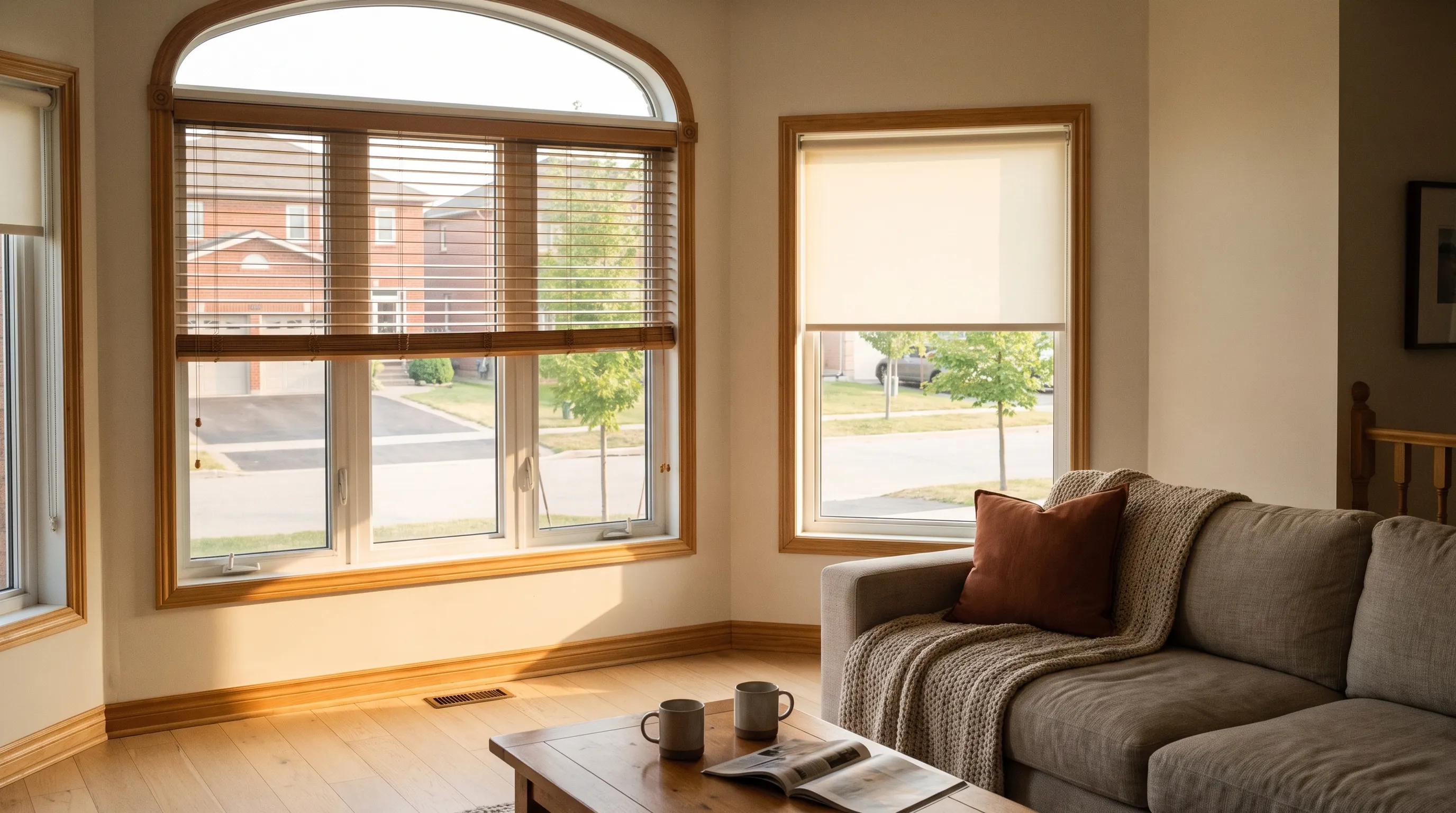
Blinds in Mississauga
Made-to-measure blinds and shades across Mississauga, measured in your own rooms and fitted by the people who took the numbers. The visit is free and costs you nothing if the answer turns out to be a stock size.
Blinds Company · Rated 4.8 out of 5 on Google
Free in-home measure · open 8am–9pm, 7 days
In short
We measure, make and install custom blinds and shades throughout Mississauga. Every opening is measured three times across and three times down, and the visit costs nothing.
Book
Let's measure your light.
We come to you, measure at your own windows, and go through fabrics and fits together. The visit costs nothing.
$99 off when you order three or more blindsApplied to your written quote at the measure.
Rather just talk?(437) 782-5452Open 8am–9pm, 7 days
The measure is the product
Everything else about a blind is a catalogue choice. The measurement is the part that cannot be bought online, and it is the part that decides whether the thing looks fitted or looks bought.
Every opening gets measured three times across — top, middle, bottom — and three times down, at the left, the centre and the right. The blind is cut to the tightest of those six numbers, never the average. In a Mississauga house from the 1970s or 1980s that is usually a formality, because the openings are square. In a 1950s bungalow in Cooksville or Clarkson it is not, and the difference between the top and the bottom of one window is often the difference between a blind that runs and a blind that catches.
We also measure the reveal depth before anything else, because that number decides what is possible rather than what is preferred. A zebra needs more room front to back than a plain roller, since the fabric wraps the tube twice. A cassette needs more again. A shallow reveal does not mean you cannot have the product; it means the blind mounts outside the opening instead, and it is far better to know that at the quote than on installation day.
What Mississauga’s housing actually asks for
The city is not one kind of building, and the specification changes with it.
The lakeshore — Port Credit, Lorne Park, Clarkson. Older detached houses, mature trees, and windows that face water or west. The two complaints here are afternoon glare off the lake and rooms that go dark early under the canopy. Those pull in opposite directions, which is why this is the part of the city where a venetian earns its keep: tilting redirects the light instead of removing it.
Square One and the towers around it. Floor-to-ceiling glass, minimal reveals, and sometimes no reveal at all — the blind mounts to the ceiling or a bulkhead. Depth is the whole conversation. So is heat: a west-facing unit on a high floor in July is a different brief from the same layout facing north.
Erin Mills, Churchill Meadows, Meadowvale. Newer subdivisions, big windows in proportion to the rooms, and a lot of two-storey great rooms where the top of the glass is out of reach. That is where motorization stops being a preference and starts being the only sensible way to operate a blind you cannot get to.
Streetsville. A mix, and the one part of the city where you still find openings that have moved. Measured the same way as everywhere else, just with more of a spread between the six numbers.
Getting into a building without losing a week
Most of the condo work here needs the same two things before anyone arrives with tools: a certificate of insurance naming the corporation, and a booked service elevator. Neither is difficult. Both take longer to arrange than the installation itself, which is why we start them at the quote rather than on the day.
Some buildings also have rules about what the window looks like from outside. White or off-white backing is the usual one. It is a rule about the backing, not about the fabric you see from the sofa, so it rarely changes the room — but a blind that has to come down after installation is nobody’s idea of a good day, so we read the declaration rather than assume.
Parking is the third thing, and on a tower with no visitor spot it is worth planning a load-in window rather than circling. That is why the booking is a time and not a four-hour range.
What we fit here most
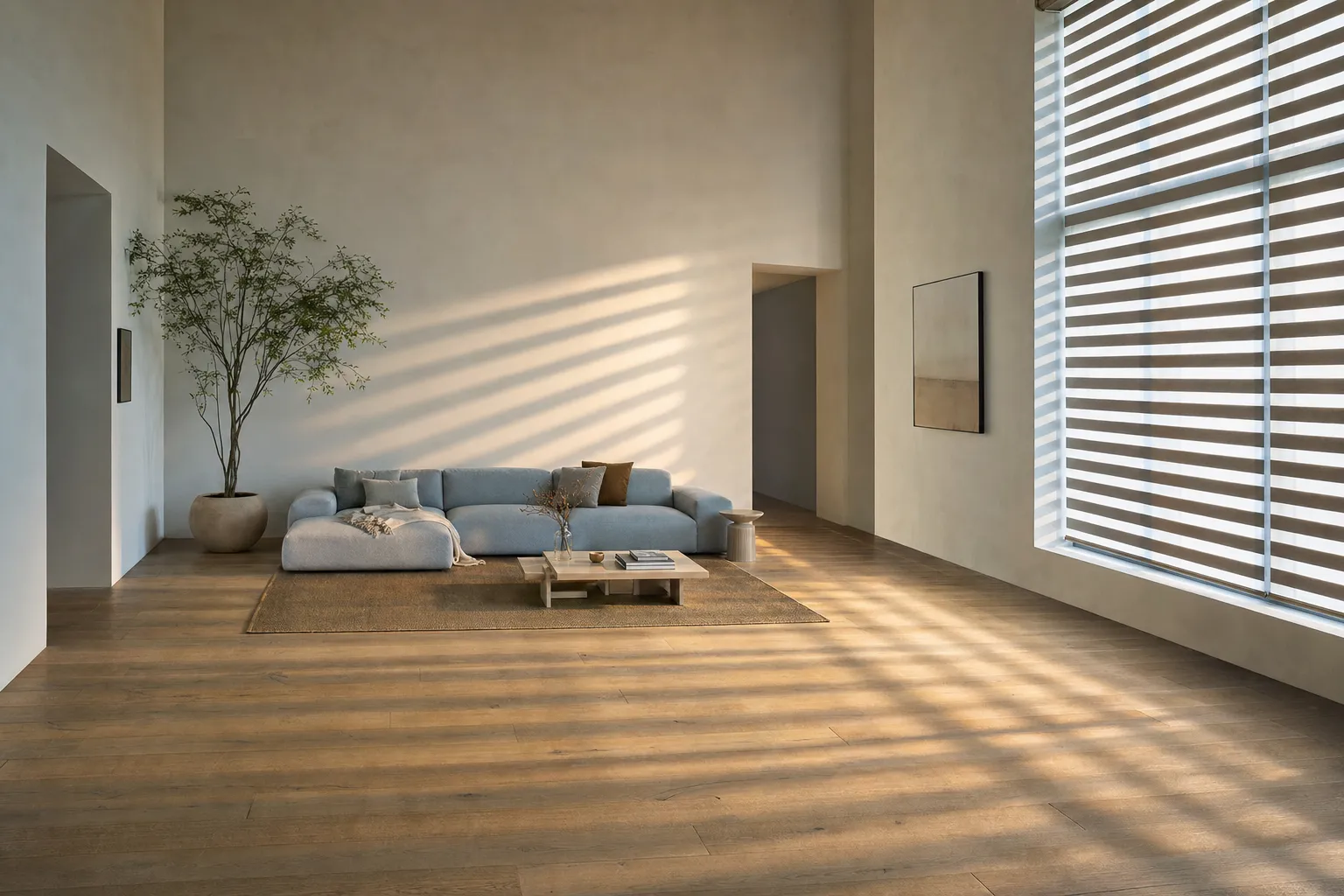
Zebra blinds in living rooms that face a street or a neighbouring tower — daytime privacy without giving up the view, adjusted by sliding the bands rather than by choosing between open and shut.
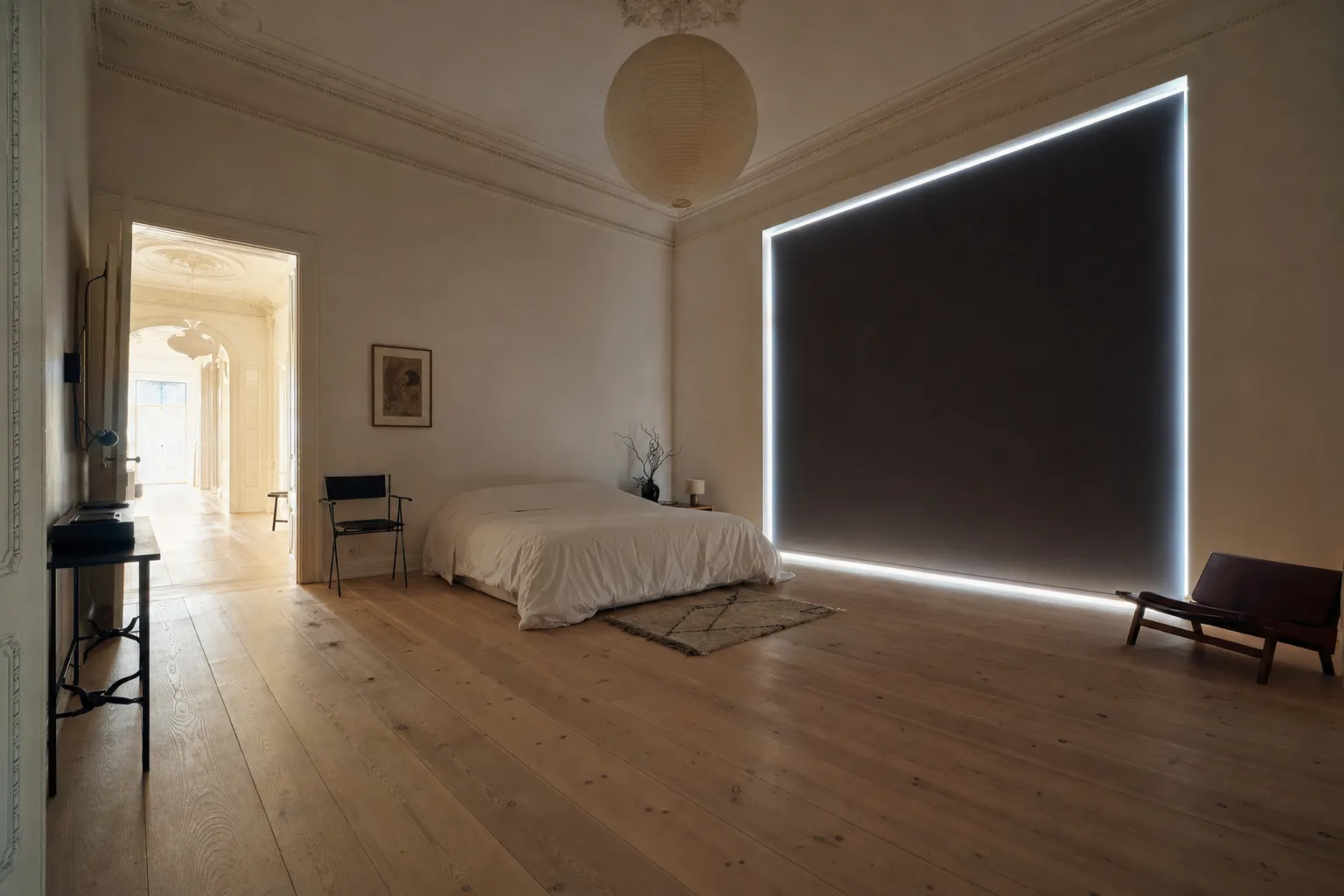
Blackout rollers in bedrooms, and the honest version of that product: the fabric is about sixty per cent of the result and the perimeter is the rest. A blackout blind with a five-millimetre gap down each side is a dark room with two bright lines in it.
Roller screens on west-facing glass, chosen on openness factor rather than colour. A tighter weave cuts more glare and keeps less view; nothing wins on both.
Faux-wood venetians in kitchens and bathrooms, because they wipe and do not warp, and real timber in a steamy room is a slow argument the steam wins.
Verticals on patio doors, which is still the only common covering that gets fully out of the way of a door in the space of a hand’s width.
The home office window, measured properly
More of this city works from home than we expected when we started, and the room it happens in is the one people most often get wrong — because it is the only room where the requirement is measurable rather than a matter of taste.
The complaint is almost always the same: glare on a screen, at a particular time, usually in the afternoon. The fix depends on where the light is relative to the monitor, and there are only three cases.
Window behind the screen. You are looking at the monitor and past it into bright glass. Your eye adapts to the bright background and the screen looks washed out. This is the worst case and the one a light fabric will not fix — the requirement is to bring the window’s brightness down toward the screen’s, which means a genuinely tight screen, 1–3%, or something opaque.
Window behind you. The glass is reflected in the screen. No fabric with any openness solves this, because the reflection is of the bright rectangle itself. The answer is an opaque blind or moving the desk, and we will say so rather than sell a screen that cannot work.
Window to the side. The easiest case and the most common. A medium screen, 5%, usually handles it, and the room keeps its view.
The measurement worth taking before we arrive costs nothing: sit at the desk at the hour the problem happens and note which of those three you are in. It changes the recommendation more than any other fact about the room.
One further thing specific to a working room. A blind that has to be adjusted at three every afternoon will be adjusted for a fortnight and then left. If the room is used daily and the problem has a schedule, that is the strongest case in a house for automating a single blind — not for convenience, but because it is the only way the correct position happens every day.
Two windows in one room that are not the same size
Newer housing produces this constantly, and it is the thing most likely to make a finished job look wrong when every individual blind is perfect.
A great room with a large window and a smaller one beside it. A bedroom with a wide window and a narrow one round the corner. A kitchen with a window over the sink and a door beside it. In each case the openings differ, and the eye reads the difference instantly when the blinds are down.
The decisions that fix it are made before anything is ordered.
Match the head height, not the opening. If two blinds in one room start at different heights the room looks untidy however well each fits. Where the openings start at different heights, mounting both outside the opening from a common line is usually better than mounting each inside its own.
Match the bottom where you can. Two blinds that finish at different heights are much less noticeable than two that start at different heights, but on a wall where both are visible at once it is worth setting the shorter one to finish on a line that means something — a sill, a chair rail, the head of a door.
Decide roll direction together. Two rollers with the fabric coming off opposite sides of the tube sit at visibly different distances from the glass. In one room they should match.
Consider one blind over two openings. Where a wall has two windows close together with a narrow pier between them, a single blind spanning the whole wall is sometimes the better answer — it turns an awkward pair into one deliberate surface. It costs more fabric and it covers the pier, and on the right wall it is transformative.
None of this appears on a form asking for widths and drops, and all of it takes about a minute to settle standing in the room.
When a stock size is genuinely the right answer
This city has more windows that a boxed blind will actually fit than anywhere else we work, and we would rather say so than take the order.
The reason is the housing. A subdivision built to a repeated plan produces openings in a small number of standard sizes, square, with consistent reveals. That is precisely the condition a manufacturer designs a stock range around.
So on a small, square, standard opening — a powder room, a landing, a basement window, a spare bedroom nobody sleeps in — a boxed blind cut down or fitted as-is is frequently fine, and the difference in the room is close to nothing.
Where it is not fine, and where the difference is immediate:
Anything wide. Stock ranges stop at modest widths, and a wide window gets either two boxed blinds with a visible join in the wrong place or a stock blind stretched past its sensible span.
Anything that has to be dark. A trimmed stock blind is trimmed on the width, so the clearance gaps get wider rather than narrower. In a bedroom that is the whole problem.
Anything not square. Trimming does not fix a taper.
Anything you will touch daily. Mechanism quality is where the price difference in a boxed blind actually lives, and it shows up in the third year rather than the first.
The honest summary is that a house here might have four or five windows worth measuring and a handful that genuinely do not need it. Hearing that at the door costs us the small items and saves you money, and we would rather have the conversation than pretend every opening is a bespoke problem.
Renting, and what a landlord will actually allow
There is a large rental stock in this city — the older towers along Hurontario and Burnhamthorpe, and a great many individually owned condominium units let out — and we measure in them regularly. The question is always the same, so here is the plain version.
You almost never need permission to replace a blind. Window coverings are generally treated as a fixture that the tenant may change, provided the original is kept and put back at the end. What you cannot do is alter the window, the frame or anything structural.
Keep what came off. Label it, keep the brackets, and put it in a cupboard. Almost every dispute we hear about is not about the new blind; it is about the old one being in a skip.
The building may still have an exterior rule. Independent of your landlord, the condominium corporation frequently specifies what the window looks like from outside. That is a rule about the backing, and it applies to a tenant exactly as it applies to an owner.
Choose fixings you can reverse. In a unit you expect to leave, a blind that fits inside the reveal with four screws into the timber or the frame liner is easily made good. Side channels screwed down the length of the reveal are not, and we would steer a tenant away from them for that reason alone even when the room would benefit.
The version of this that surprises people: a made-to-measure blind is often worth taking with you. Sizes repeat across a building — the same floor plan runs up the whole stack — and a blind sized for a 2,150 mm opening in one unit will very often fit the identical opening two floors up. Keep the measurements with the quote.
Bays, corners and windows that meet
Newer housing in this city produces two shapes that a form cannot describe, and both get decided with a tape in the room.
A corner window — two panes meeting at ninety degrees with no visible frame between them, common in the towers near Square One and in newer detached builds. Two blinds meeting at that corner either read as deliberate or read as an accident, and the difference is which one overlaps which. The rule we use: the blind on the less visible wall runs into the corner, and the one on the wall you see from the doorway runs over it, so the visible line is a clean edge rather than a butt joint.
A window that meets a door. Very common on a great room where the patio door and a fixed pane share one opening. The temptation is to run a single blind across the whole thing, and it fails the moment somebody wants to use the door. Two products, sized so the door’s covering clears the opening completely, is the answer — and matching the fabric across both is what makes it look like one decision rather than two.
Neither of these is expensive to get right. Both are impossible to fix afterwards.
Last updated .
Everything we make
The rest of the range, in Mississauga.
Each is wrong somewhere. Its page says where.
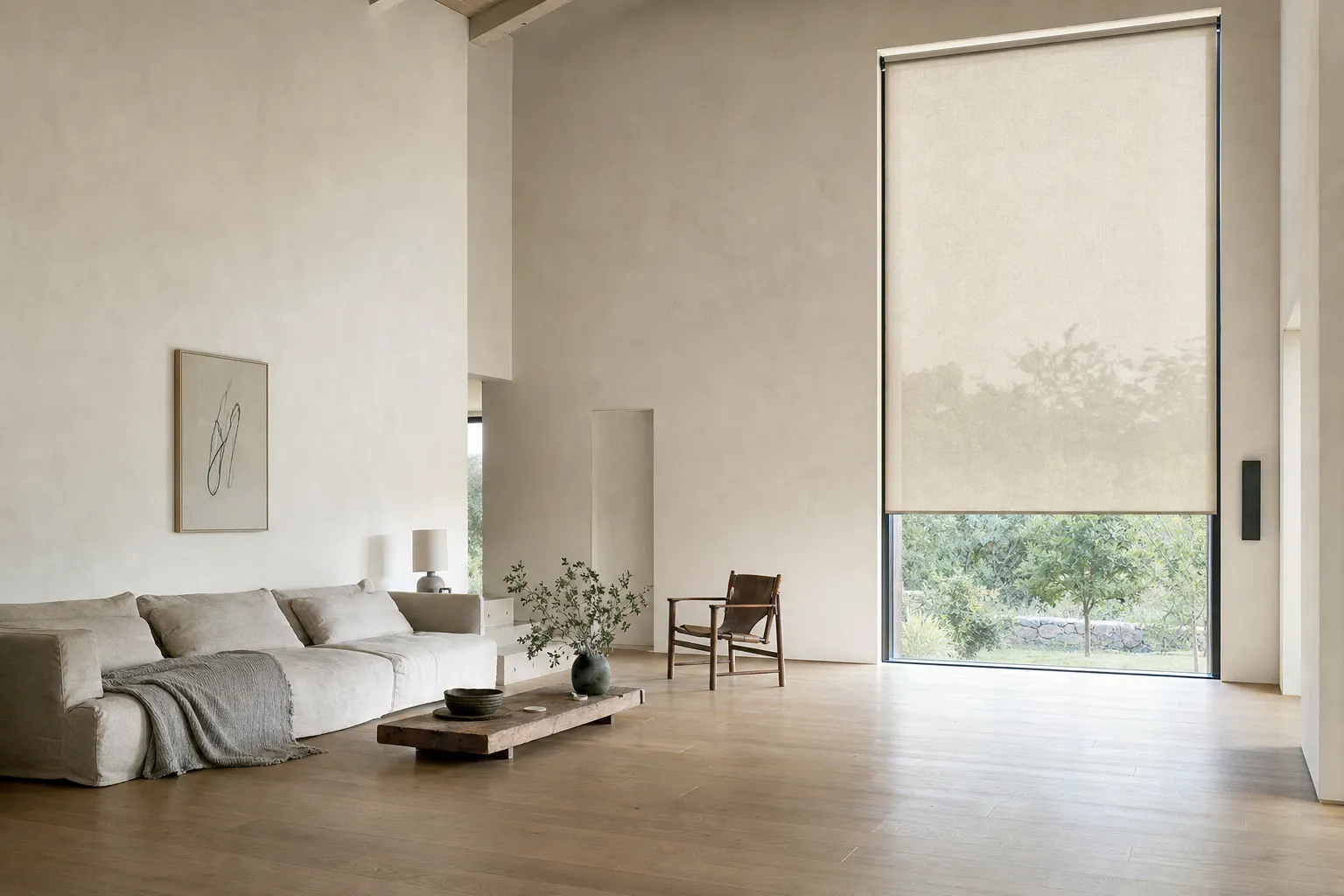
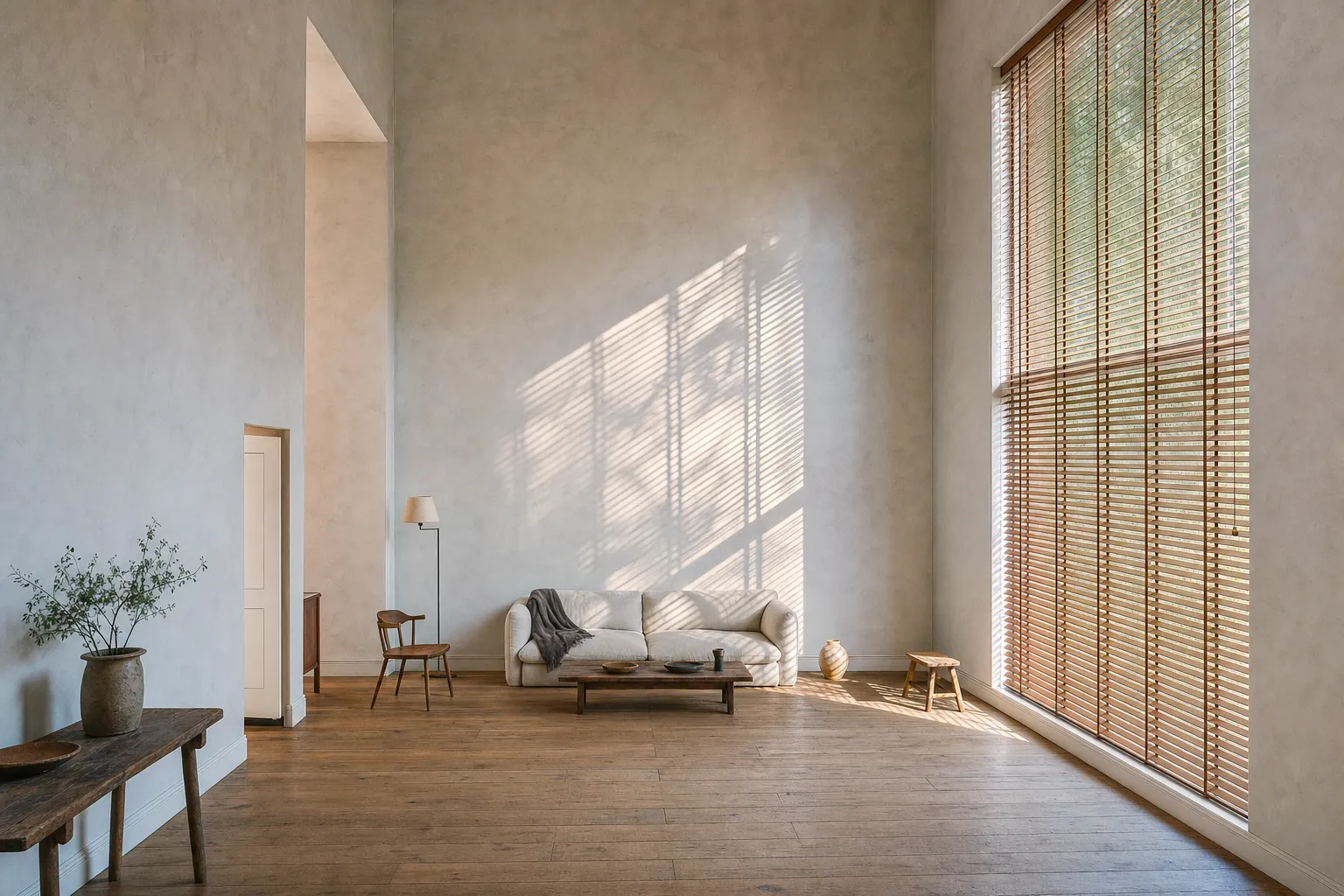
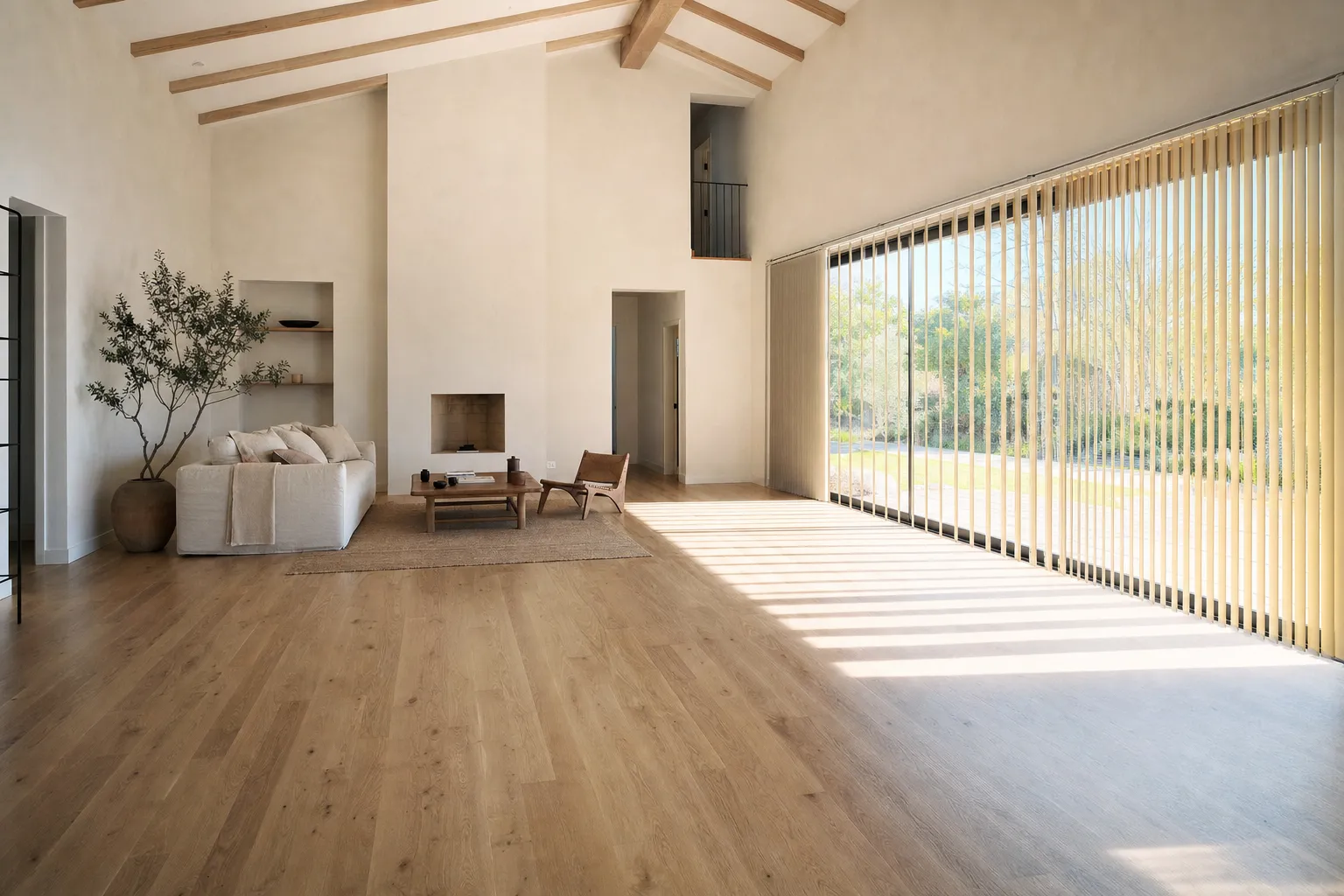
Ready to have your Mississauga windows measured? The visit is free and takes under an hour.
Our commitment
We take the numbers in your Mississauga rooms, so a fit problem is ours.
If it does not fit, we remake it
You never held the tape.
Nothing owed before you agree
No deposit, no card.
Licensed and insured
Both, before we come in.
Your date, in writing
Set at the quote. It does not move.
We will tell you not to buy
If a stock size does it, you hear so.
Cordless where a child sleeps
Standard, at no extra charge.
Reviews on Google
What people said afterwards.
Rated 4.8 out of 5 — the ones below are quoted in full, with a link to check each on Google.
Nick has delivered the greatest service as I recently moved in to my new townhome and needed to have blinds for all three floor windows. Not only the price was the best, but he accommodated all my requests in the process. Definitely worth every penny
Anton KovunovI was blown away by the exceptional customer service from Blinds Company! Their staff was knowledgeable, friendly, and helped me find the perfect blinds for my living room. The installation was quick and flawless. I highly recommend them!
Merdan Berdiyev
Real names, real dates, and a link to all of them — including the ones we would not have picked.
Read them on GoogleQuestions
Before you book
Can you fit blinds before the flooring goes in?
Better to wait, and the reason is the drop rather than the mess. A blind measured to a subfloor and fitted before an inch of engineered oak arrives is a blind that now finishes an inch high. On a full-length blind by a patio door that is visible; on a window it usually is not. If the schedule forces it, tell us the finished floor height and we work from that.
Do you work in the rental towers along Hurontario?
Regularly. Replacing a blind in a rented unit is normally fine provided the original is kept and put back at the end, and provided nothing is done to the window or the frame itself. Keep the old blind and its brackets — almost every dispute we hear about is not the new blind, it is the old one having gone in a skip.
Two windows in one room are slightly different sizes. Does that matter?
Only if the blinds start at different heights, and that is the part people get wrong. Two blinds beginning on one line look deliberate even when they finish differently; two beginning at different heights look untidy however well each one fits. Where the openings differ, mounting both above the openings from a common line is usually better than mounting each inside its own.
Do you charge for the measure in Mississauga?
No. The visit, the samples held against your own glass, the advice and the written quote cost nothing, and nothing is owed if you decide against it. There is no deposit and no card taken at the door.
Which parts of Mississauga do you cover?
All of it — Port Credit and Lorne Park down by the lake, Streetsville and Meadowvale in the north, Erin Mills, Churchill Meadows, Cooksville, Clarkson and the square-one towers in between. Nothing about the address changes the price of the visit.
Can you work in a condo with a management office?
Yes, and it is most of what we do near Square One and along the lake. Some buildings want a certificate of insurance naming the corporation and a booked service elevator. We start that paperwork at the quote rather than on the day, so tell us the building's name at the measure.
Do the newer buildings have rules about what the blinds look like?
Often, and it is worth checking before you choose a fabric. The common one is that the side facing the street has to be white or off-white; that is a rule about the backing, not about the room-side colour, so a dark blind in your living room is usually still allowed. We read the declaration rather than guess.
How is Mississauga different from Toronto for blinds?
Newer housing, on average, which means squarer openings and shallower reveals — the opposite trade from a century semi downtown. Squarer is easier to fit; shallower means depth is the constraint that decides whether a blind can sit inside the opening at all.
Somewhere in Mississauga we have not named, or a window you cannot describe on a form? Ring and describe it to a person.