Blinds in East York
Custom blinds and shades in East York, with the frame, sill and room layout considered together. A free home measure helps you plan privacy and light control without losing the space your window needs to open.
Blinds Company · Rated 4.8 out of 5 on Google
Free in-home measure · open 8am–9pm, 7 days
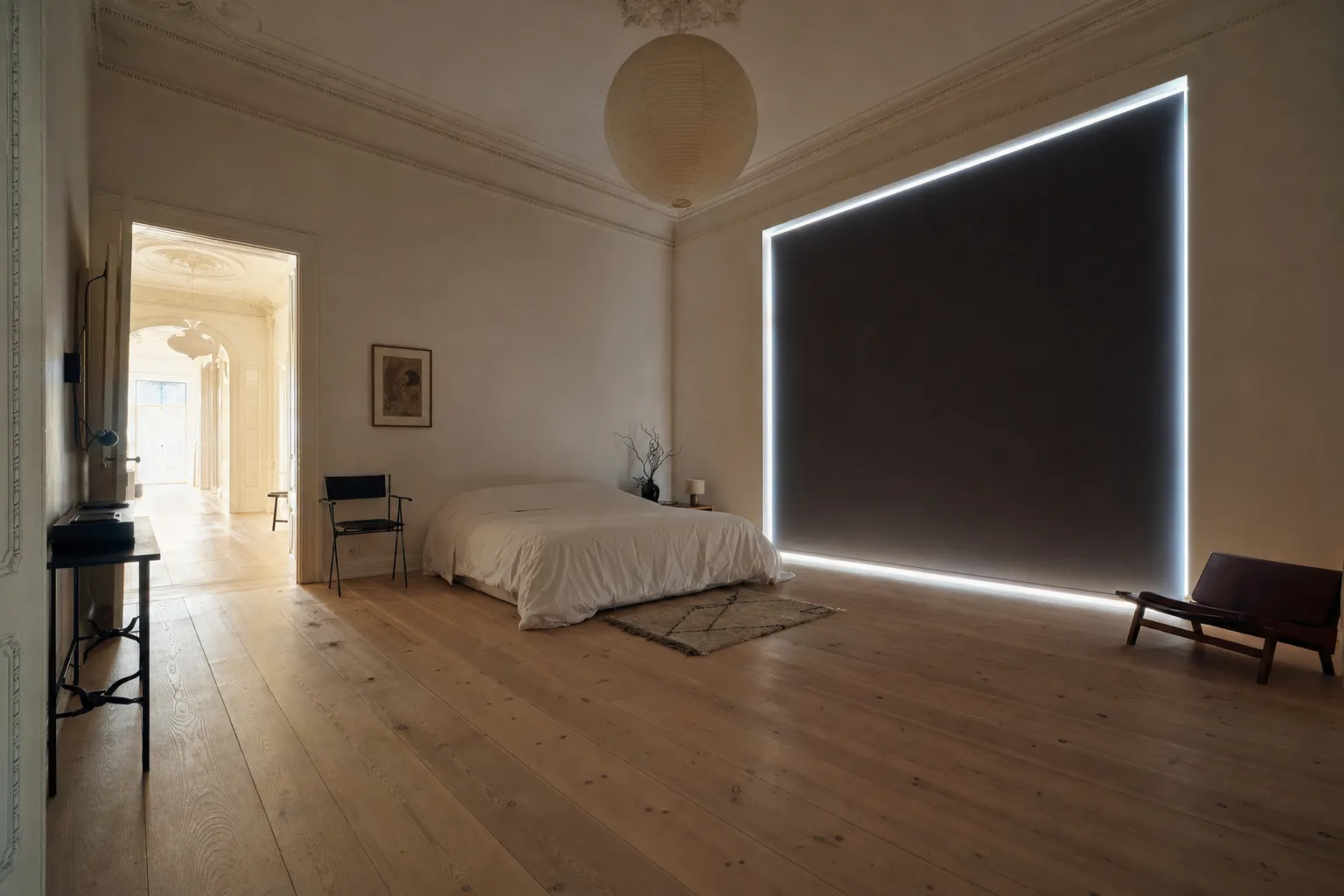
Illustrative room photograph; not a local installation.
In short
East York is included in the owner's selected Toronto service coverage. Blinds Company measures at home and discusses materials and fitting during a free visit. For a compact opening, clearance around handles and nearby furniture can matter as much as the fabric itself.
Book
Let's measure your light.
We come to you, measure at your own windows, and go through fabrics and fits together. The visit costs nothing.
$99 off when you order three or more blindsApplied to your written quote at the measure.
Rather just talk?(437) 782-5452Open 8am–9pm, 7 days
Look at the spaces beside the glass
For an East York window, start by looking at the narrow spaces that a product photograph usually hides. The gap behind a handle, the depth of the reveal and the edge beside a cupboard can decide whether a covering is comfortable to use. A fabric may look right across the glass while its mechanism needs more room than the opening provides. The complete fitting matters more than the appearance of a flat sample.
Describe the current inconvenience before selecting a replacement. Perhaps the bottom bar catches the handle, the blind must be lifted for ventilation or fabric sits too close to furniture. These are clear problems to bring to the measure. They explain what should change without requiring you to know the technical name of every fitting part.
Blinds Company serves East York in Toronto. Blinds Company offers a free visit to measure the openings and discuss fabrics and fits at home. Start with the edges of your own opening and how the room needs to work. The bedroom photograph is an illustration showing an opaque roller and visible edge light, not a claim of an East York installation.
Depth belongs to the hardware as well as the cloth
A slim-looking material can still need a tube, rail or bracket with a particular depth. Compare the mechanism with the space available rather than judging only the thickness of the fabric. A handle projecting into the reveal may use part of that space. The position of the frame and the movement of the pane can change where a covering can sit without interference.
An inside mount can keep the surrounding trim visible, but it must coexist with the opening’s hardware. An outside position can offer another arrangement and more overlap, provided the surrounding surface and room allow it. Neither is a universal answer to a shallow recess. Look at how the covering would sit when lowered and how it would gather when raised.
Replacement windows should be treated as new fitting information. The old blind can help explain a preference or a difficulty, but its dimensions are not automatically correct for the new frame. If replacement work is still planned, say so. The final measurement should correspond to the finished opening. A convenient existing number should not carry more authority than the frame that will actually remain.
Keep ventilation an ordinary action
Opening a window should not require a complicated sequence around its covering. Demonstrate how the pane moves and the path of the handle during the visit. A bottom bar can occupy the place your hand needs, while raised fabric can sit in front of an upper opening section. These interactions are easier to assess in motion than from the closed window alone.
If the opening is used several times a day, the adjustment effort matters. Consider whether you want the covering to remain lowered while the pane opens or whether moving it clear is acceptable. The practical options depend on the frame and mechanism. Explain the routine you want rather than assuming that every product marketed for small windows allows the same movement.
For a glazed door, the whole route through the room needs checking too. Follow the door’s travel, the handle and the nearby wall. A covering moving with the door behaves differently from one fixed across the larger opening. The patio-door information introduces that distinction. Your actual opening supplies the clearances that make the choice useful.
Compact rooms need a plan for the raised material
In a room where furniture is close to the window, the open covering can be as noticeable as the closed one. A roman shade keeps folded fabric above the glass. A roller gathers around its tube. Curtains occupy side space when open.
Compare those positions with the furniture, doorway and view you want to keep. The open stack should have a sensible place to live.
If a desk or a bed is close to the frame, consider the control side from the position in which you will use it. Reaching around a shelf every morning is a small inconvenience that repeats often. Explain which pieces of furniture will stay. If the layout is about to change, identify the intended arrangement so the control is not planned around a temporary obstruction.
One compact room can still benefit from different movements at different openings. The fixed pane may need glare filtering while a door needs clear passage. Coordinated colour or texture can connect them without insisting that the mechanisms match. Our roller-blinds page describes one compact option, and roman shades offer another fabric shape to consider.
Privacy depends on the setting outside and inside
Stand at the normal seats and notice which part of the window feels exposed. You may need screening at seated height while valuing daylight above it. That is a more useful brief than deciding to close all the glass by default. The distance and sightline in your actual room matter; no general rule is asserted about every East York street or building.
After sunset, check the requirement again with the room lights on. An open weave useful for daylight can behave differently when the interior is brighter than outside. If you want a stronger visual barrier, discuss an opaque fabric or a second layer with a specific purpose. A material’s colour in an online photograph does not establish evening privacy.
For a rental or managed building, permission and appearance requirements need their own confirmation. Obtain the actual information before agreeing to a fixing method or an outward-facing material. We offer no-drill blinds among the listed services, but the frame still needs to suit the selected system. A product name does not replace landlord permission or a building rule.
A dark fabric and a dark room are different results
For sleeping, identify the light that causes the difficulty. It might pass through the material, enter beside a rail or show along an edge. An opaque cloth addresses the surface, while the fitting arrangement influences the perimeter. The illustration on this page makes that distinction visible: dark material can coexist with bright lines around the opening.
Discuss the amount of darkness you want and the time you normally sleep. Inside and outside mounting positions offer different relationships to the frame, but they must be considered with the available surface and room clearance. The blackout-blinds explanation introduces the material; the actual opening determines the useful fit. This page does not promise complete darkness from a label alone.
If a heater or radiator is near the window, identify it as part of the room. Follow the applicable equipment and material instructions for safe clearances. No universal distance is supplied here, and a covering is not presented as a repair to a damaged or draughty window. Light control, heating equipment and window condition are related observations that still need distinct decisions.
Decide what should remain easy to reach
At the window
Picture a normal morning when the room is already in use. You may open a pane, put something on the sill and then lower the covering against the light. Show that sequence rather than judging each movement in isolation. A pull position that is comfortable beside an empty window may become awkward once a chair or bedside table returns to its usual place. Include the furniture you plan to keep when explaining the opening.
Around the fitting
Cleaning is another reason to look at access before choosing an arrangement. Ask how the selected surface and mechanism should be cared for, and use the instructions for that material. A fabric shade, a slatted blind and a curtain do not share one cleaning method. Leave yourself a practical route to the glass as well as to the covering. If a piece of furniture is unusually difficult to move, mention it while the fit is being considered.
This small access check makes the edge-light conversation more useful. The aim is a covering you can put in its helpful position without first rearranging the room. Identify the task that currently feels awkward and demonstrate it during the measure. It is a concrete way to connect your choice of opacity with the daily work around the window.
Make the free measure a focused conversation
You can prepare with a short description and a wide photograph of the awkward opening. Include its frame, the sill, nearby furniture and any projecting handle. Tell us which action is difficult now: opening, adjusting, sleeping or keeping privacy. Exact product names are optional at this stage. The visit is where the dimensions and the fitting space can be discussed alongside materials.
Blinds Company is licensed and insured and has 5+ years in business. Blinds Company’s home visit to measure and go through fabrics and fits is free. Keep your chosen materials and fitting arrangement with the proposal for the work. Review the details for your own proposal and keep the agreed installation date in the written quote, rather than inferring it from an illustrative photograph.
Use the measure enquiry to describe your East York room and the part of the opening that needs attention. A useful result should leave the frame easy to operate, the control easy to reach and the room comfortable at the times you use it. Start with those ordinary actions, then choose the appearance that belongs with them.
Last updated .
Everything we make
The rest of the range, in East York.
Each is wrong somewhere. Its page says where.
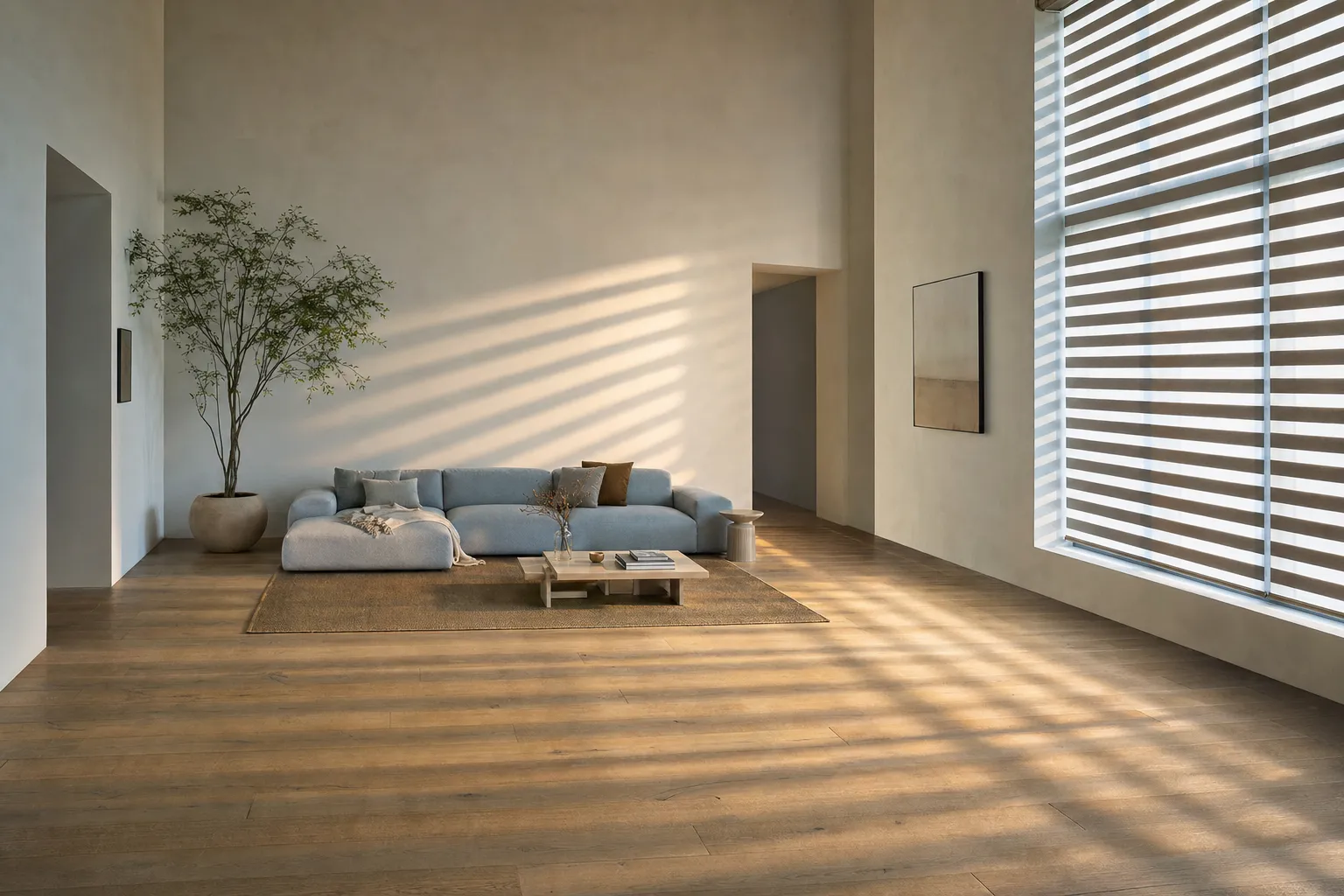
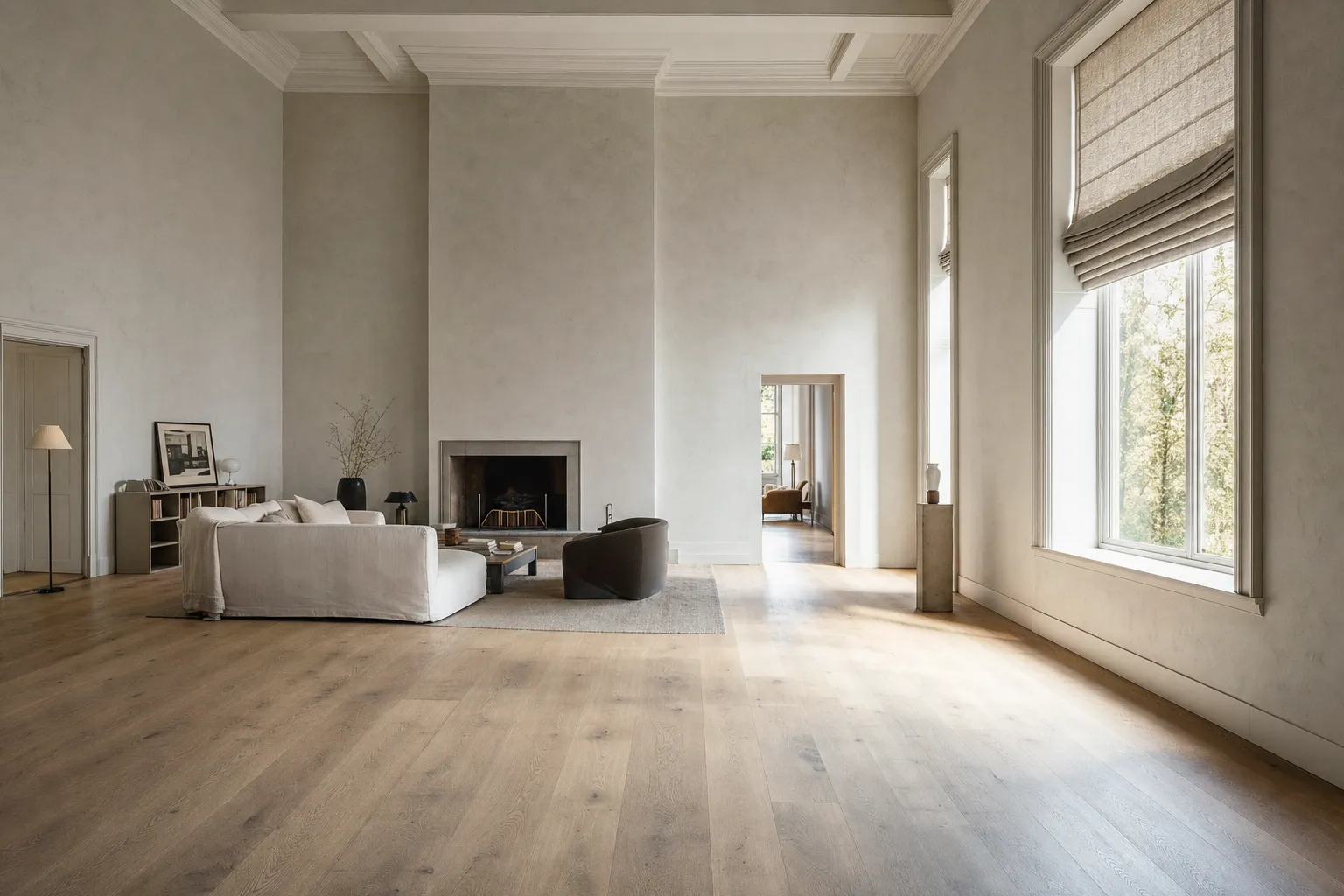
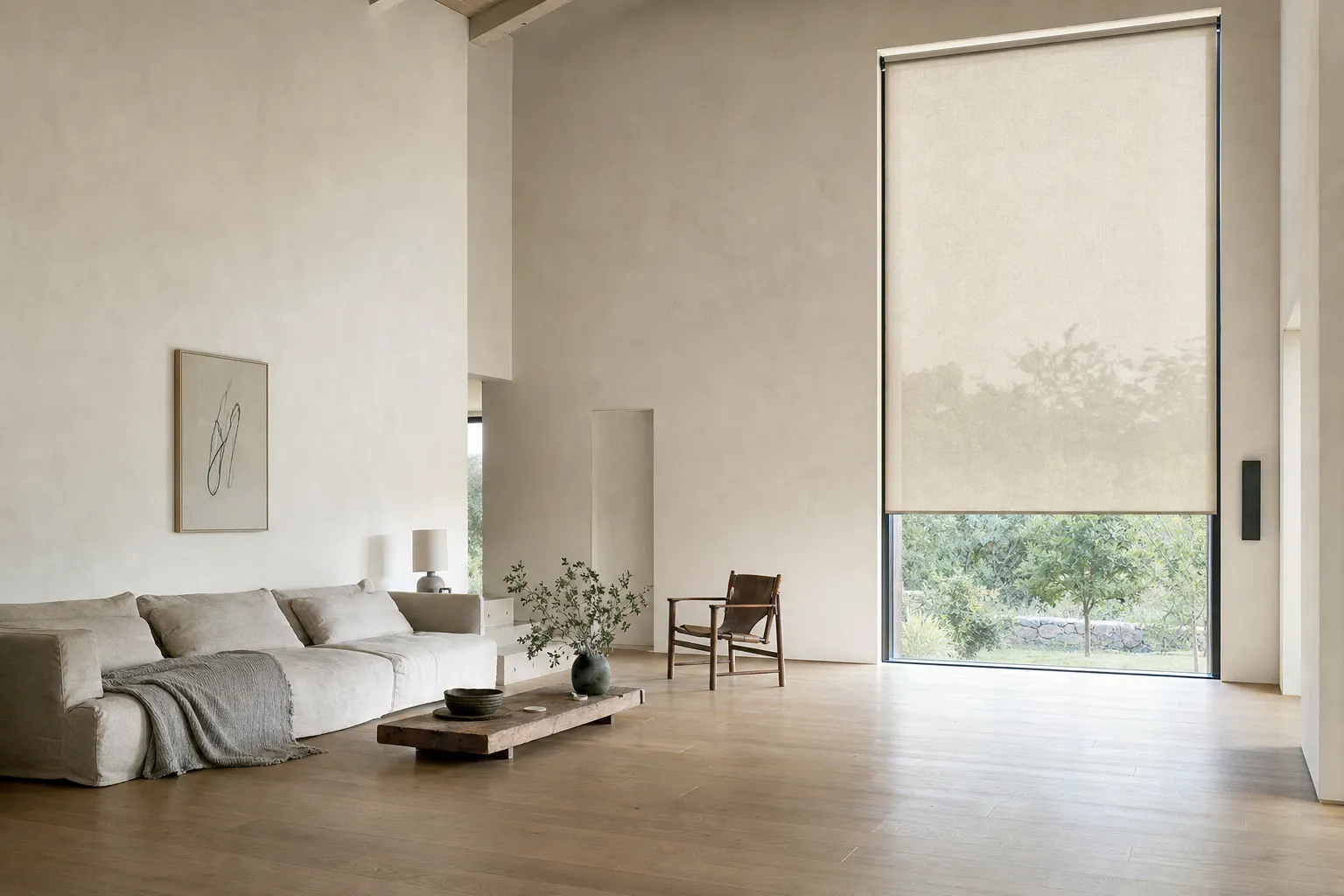
Show us the handle, the sill and the place where the existing blind catches.
Questions
Before you book
What if the recess looks too shallow for a blind?
The available depth should be compared with the specific mechanism and the moving hardware. An alternative mounting position may be worth discussing, but the surrounding surface and overlap must also suit it. Do not select a product solely because its fabric looks slim. The tube, rail, brackets and handle clearance are part of the space it needs.
Can a replacement window change a familiar blind's fit?
Yes. The new frame can have different depth, edges or hardware even when the overall opening appears unchanged. Use the old covering to explain what worked and what did not, rather than assuming its size should be repeated. If the window work is unfinished, make the planned change clear before relying on the current measurements.
Is a window beside a radiator only a fabric question?
No. Identify the heat source and follow the relevant equipment and material requirements. Clearance, fabric travel and access deserve consideration along with appearance. This page gives no universal safe distance and does not approve a particular arrangement from a picture. The actual appliance and the proposed covering must be assessed together.
Can one compact room use more than one type of covering?
Different openings can have different jobs even in a small room. A fixed pane, an opening pane and a glazed door may not need identical movement. Start with what each must do, then decide which colours or textures should connect them. A consistent appearance should support usable access rather than force a single mechanism into every opening.
Which East York opening needs a covering that works more comfortably?