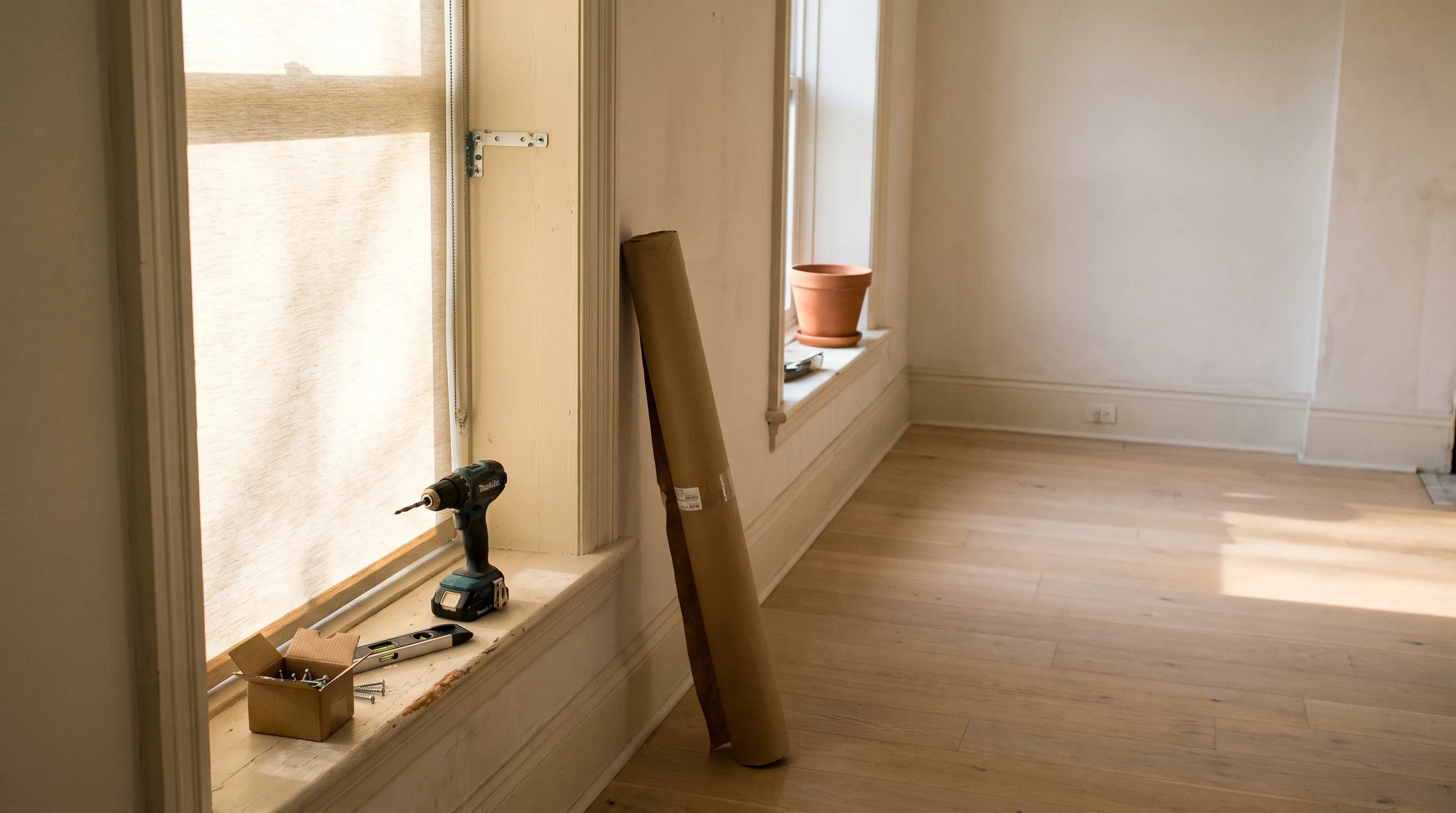
Blind installation in Toronto
Blind installation across Toronto by the crew that measured. In a house built before the war the question is never whether a blind can be hung; it is what the wall above the window is made of, and that is answered by knocking on it.
Blinds Company · Rated 4.8 out of 5 on Google
Free in-home measure · open 8am–9pm, 7 days
In short
Blind installation made to your openings and installed in Toronto. What a bracket actually goes into in a century house — lath, horsehair plaster, brick, a steel lintel — and why that decides more than the blind does.
Book
Let's measure your light.
We come to you, measure at your own windows, and go through fabrics and fits together. The visit costs nothing.
$99 off when you order three or more blindsApplied to your written quote at the measure.
Rather just talk?(437) 782-5452Open 8am–9pm, 7 days
In a room
What blind installation look like once they are up.
The product, not our installations — a gallery of rooms we did not fit would be somebody else's portfolio with our name on it.
The wall decides, not the blind
Every installation in this city comes down to one question asked at each window: what will actually hold a bracket here?
In a house built after about 1970 the answer is boring and consistent, which is why nobody thinks about it. In Toronto’s older housing it is different at nearly every opening, and it is the reason two identical blinds can take five minutes and forty minutes to hang in the same room.
Wooden lath and plaster. The standard interior of a pre-war Toronto house. Horizontal strips of wood with plaster pushed through the gaps to key it in place. It looks and sounds solid and it will not hold a loaded bracket: lath is thin, it splits along the grain, and a screw into it works loose over a season of a blind being pulled. A bracket in lath is a bracket that will be back on the floor.
The window’s own frame. In these houses the timber around the opening is substantial, often four or five centimetres of solid wood, and it is the best fixing available. This is one of several reasons an inside mount is so often right in an old house: the frame is right there and it will hold anything.
Studs. Present above the window, but not always where you want them and not always where a stud finder says, because a hundred years of alterations means noggins, patched openings and old nailing in odd places.
Brick. Behind the plaster on an exterior wall in a solid-masonry house. It holds extremely well with the right anchor and it is unforgiving of the wrong one — a plastic plug in old soft brick crumbles the hole and gives you nothing.
A steel lintel. Over some window openings, particularly where a wall has been altered. You find it when the drill stops. It is not a problem, it is a different bit and a different fixing, and it is one of the things that turns a ten-minute window into a twenty-five-minute one.
Knowing which of those you have takes about ninety seconds of knocking, probing and, where needed, a very small pilot hole in a place that will be covered. That is what the first part of an installation actually is.
What a bad fixing looks like a year later
Worth describing, because these are the faults we are called out to correct, and they are all installation faults rather than product faults.
The sagging end. One bracket into timber, one into plaster. The plaster side gradually pulls out under the weight and the blind hangs a few millimetres low at one end. Nobody notices for months and then cannot stop noticing.
The blind that has torn out entirely. Almost always a heavy blackout or a wide blind hung on plasterboard anchors that were rated for a picture frame.
The crack radiating from the screw. Old plaster is brittle. A screw driven without a pilot hole, or overtightened, starts a hairline crack that opens over a winter of the house moving.
The blind that fouls the sash. The fixing was fine; the position was decided without opening the window. In a house where the sashes still work this is the most annoying of the five, because the blind is perfect and the window is now unusable.
The one that is level with the ceiling instead of level. In a house that has settled, plumb and parallel-to-the-ceiling are different things, and picking the wrong reference means a blind that reads crooked in a room where everything else is crooked in the same direction. This one is a judgement call and it is made at the window: usually you level to the eye’s reference, which is the window itself.
Condos and towers, where the wall is easy and the building is not
Below Bloor, along the waterfront and up the Yonge corridor the fixing question mostly disappears. Concrete ceilings and slab edges take a masonry anchor and hold better than anything in a Victorian. Steel stud partitions need the stud, but they are regular and predictable.
What replaces it is access and rules, and both are settled before installation day rather than on it.
Most corporations want a certificate of insurance naming them before anyone comes up with tools, and most want the service elevator booked. Neither is difficult and both take longer to arrange than the fitting itself.
Many buildings also specify what the window may look like from outside. That is a rule about the backing rather than the room-side fabric, and it is in a declaration somebody has to actually read.
The two things that genuinely slow a tower installation are a bulkhead that turns out not to be structural — a light frame around a duct will not carry a wide blind — and a ceiling that is out of level along a long glazed wall, which over four metres is often five or six millimetres and shows as a wedge of daylight at the head.
The order of work in a renovation
We fit into a good number of Toronto renovations and the sequencing question comes up every time, so here it is plainly.
Measure after the windows and the trim are in. Not before. A measurement taken against a rough opening is a measurement against something that no longer exists once the casing goes on, and the reveal depth — which decides what product is possible — does not exist at all until the trim is fitted.
Measure before the floors go down, if you can, but confirm the finished floor height. A floor-length product’s drop changes by the thickness of the flooring plus the underlay, and that is easily fifteen or twenty millimetres.
Fit after painting. Always. Brackets fitted first get painted around, which looks like what it is, or get taken off and refitted, which puts two sets of holes in fresh plaster.
Fit after flooring. Both because of the drop and because an installation drops small metal things, and a new floor is the worst possible surface to find that out on.
The common mistake is ordering blinds early to hit a move-in date and having them arrive before the trim does. Blinds are quick to make relative to a renovation; there is very rarely a reason to measure early, and there is always a reason not to.
Not putting screws through the good woodwork
On a house where the trim is the reason somebody bought it, this is worth stating as a policy rather than leaving to the day.
The order of preference for a fixing on a window with original casing:
Inside the reveal, into the frame. The screws are invisible once the blind is up, the frame holds better than anything else available, and the casing is untouched.
Onto the wall above the casing. Where an outside mount is needed — a blackout, or an opening that is out of square — the brackets go into the wall above the moulding rather than through it. This needs a fixing that will hold in whatever is up there, which brings us back to the first section.
Through the casing. Only where there is genuinely nothing else, and only after saying so. It is sometimes the right answer on a window where the frame is soft with age and the wall above is hollow, but it should be a decision you made rather than one you discover.
Where a window has original glass in lead came or an old putty rebate, nothing gets fixed to the frame around the panel itself.
What you can do before we arrive
Small things that make a difference in an older house, none of them essential.
Clear about a metre in front of each window. Not the whole room — just enough for a step ladder to stand level, which in a room with a sloping floor is worth checking.
Say which sashes still open. It changes bracket positions and it is the one thing that cannot be seen from a closed window.
Point at anything you already know is odd: a wall that sounds hollow, a window that has been re-framed, a spot where a previous blind pulled out. All three change the approach and all three save time.
If a radiator sits under the window, we will already be planning around it, but a word about whether it still works and how hot it gets is useful.
Semis, and the wall you are drilling near
Half the older housing in the old city is semi-detached, and the party wall changes one thing about installation that nobody mentions until it happens.
Sound carries. A hammer drill into a shared masonry wall is loud on the other side in a way it is not through a stud partition. Where the window sits close to the party wall — which in a narrow semi is most of the front rooms — we knock next door first if anybody is home, and we do the noisy fixings in one go rather than spread across an afternoon. It costs nothing and it is the difference between a neighbour who shrugs and one who does not.
The party wall is often the soundest fixing in the room. Solid masonry, no cavity, and it takes an anchor properly. On a window whose outer edge is close to it, running the bracket into that wall rather than into the outside wall is frequently the better engineering as well as the quieter option — the exterior wall of a Toronto semi is the one that has taken a century of weather.
Settlement is asymmetric across it. The two halves of a semi have often had different work done underneath them — one side underpinned, one not — so a window on the party-wall side of the house can be measurably further out of true than an identical window on the open side. It is worth checking both diagonals on every front window in a semi rather than measuring one and assuming its twin.
And the twin house is a preview. Where the neighbouring half has already had blinds fitted, the same openings have already been solved once. Looking at what is there — how it was mounted, whether the trim survived, where the brackets went — is thirty seconds that occasionally saves an hour.
The first fixing is a test, not a guess
A wall can look uniform across a window and give three different answers to a drill. The centre may meet a timber header, one end may be old plaster over lath, and the other may land on masonry from an earlier alteration. The bracket schedule therefore follows the material found at each position; it is not one generic plug repeated because the first hole happened to hold.
The useful check happens before the blind is clipped in. A pilot point establishes what is behind the finish, the fixing is chosen for that substrate, and the bracket is tested while it is still visible. That is also the moment to move a position if a void, crumbled mortar joint or concealed metal edge makes the planned point unreliable.
Once the headrail covers the brackets, a poor fixing and a sound one can look exactly the same. Finding the difference while the ladder and tools are still in the room is the inexpensive version of the lesson.
What we leave behind
The blinds hung, operated once in front of you, and the offcuts and packaging taken away rather than left in the recycling.
A written note of what fabric and mechanism went where, which matters in a house where you may want a matching blind in another room two years from now.
And the honest bit: if a window did not go the way we wanted — an opening too far out of true for the mount we chose, a fixing that had to move — you hear about it before we leave rather than noticing it yourself in a fortnight.
Last updated .
Everything we make
The rest of the range, in Toronto.
Each is wrong somewhere. Its page says where.

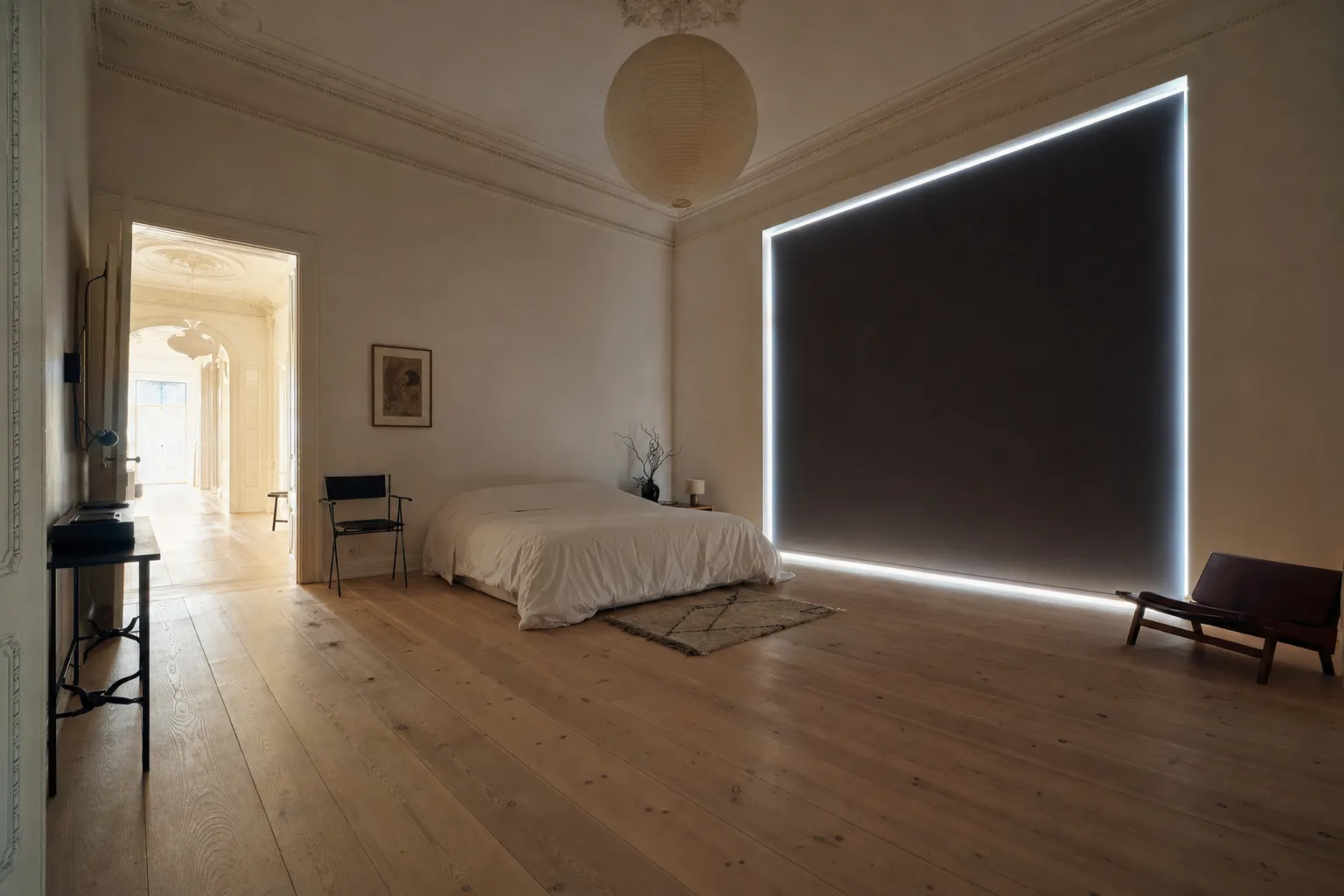

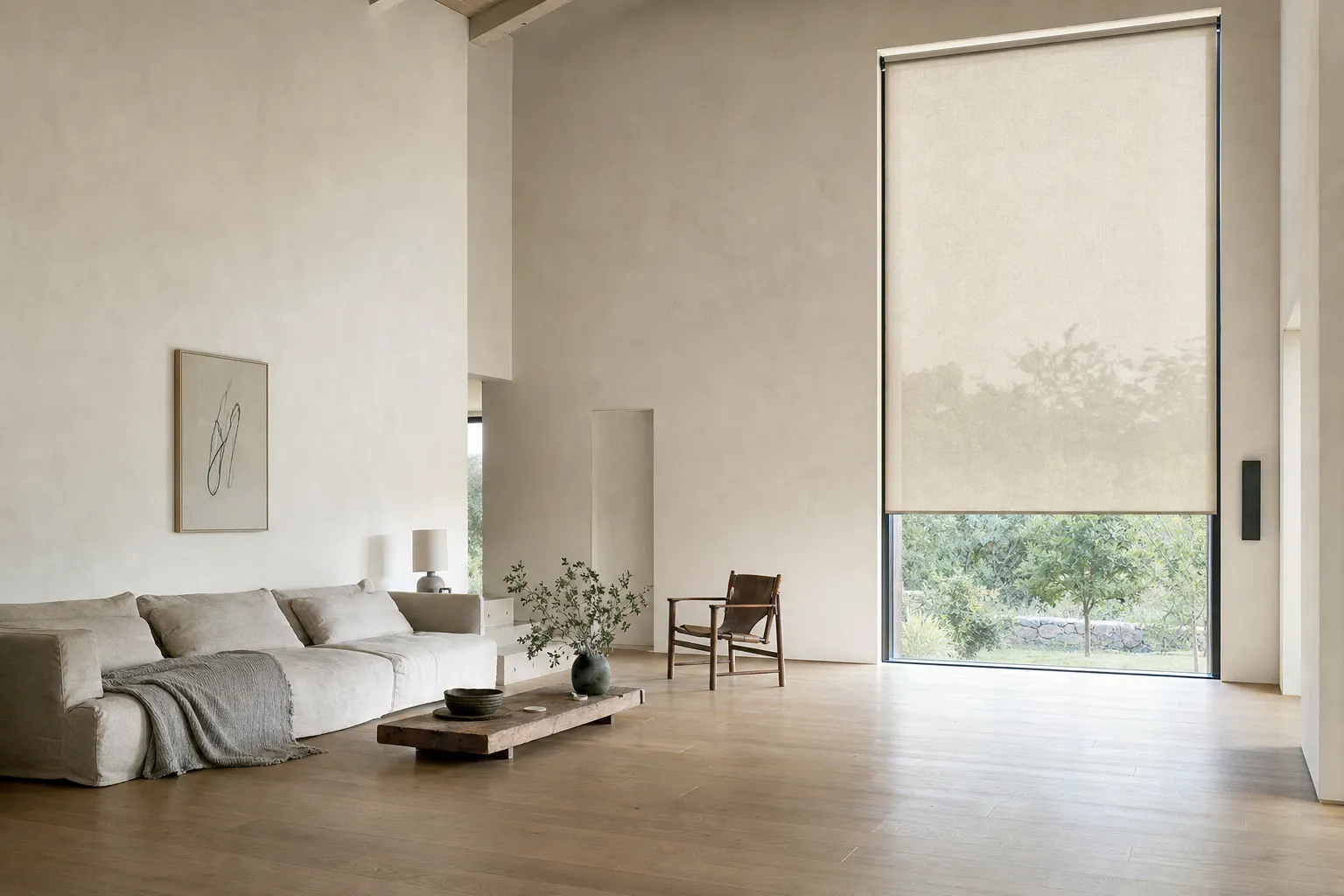
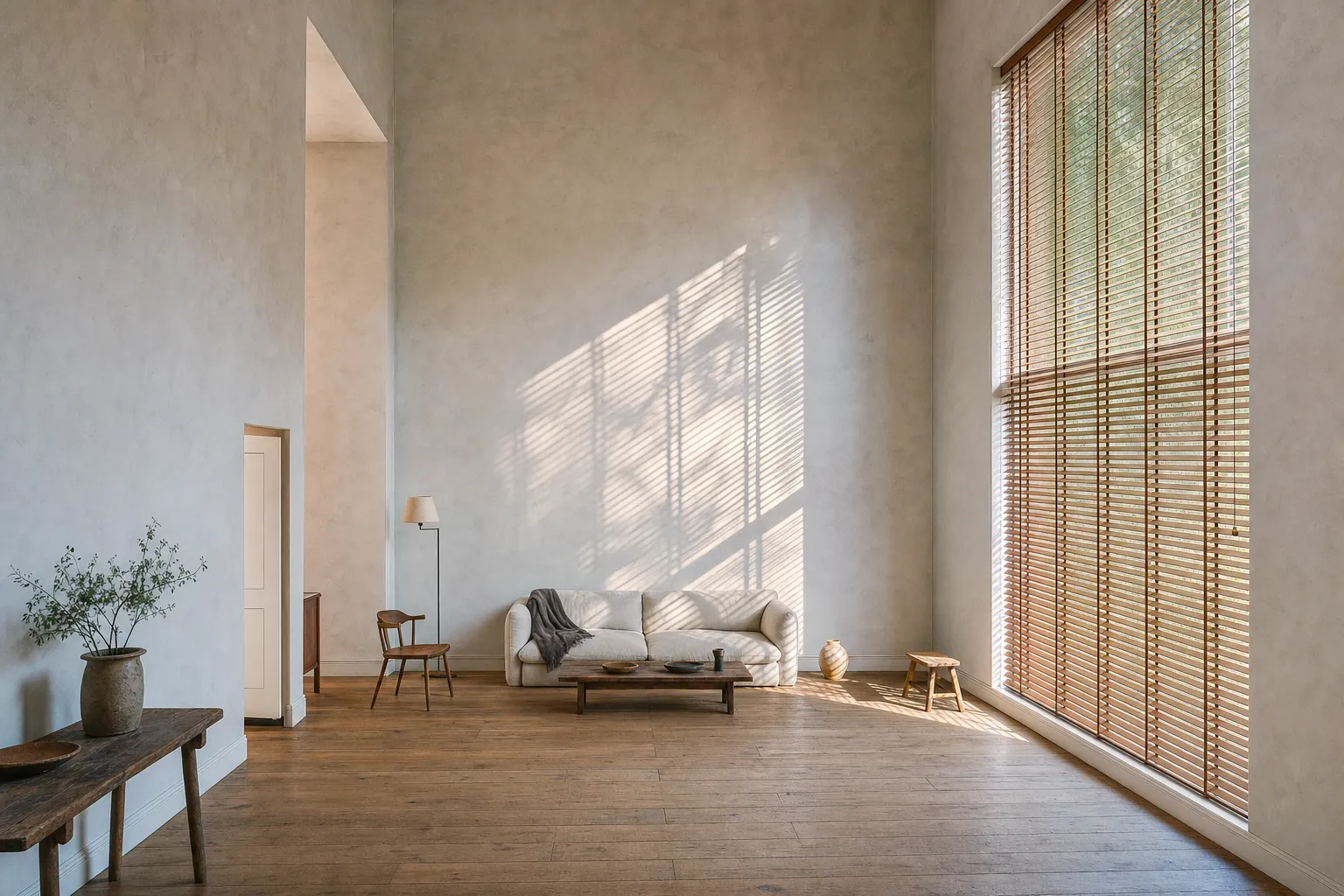
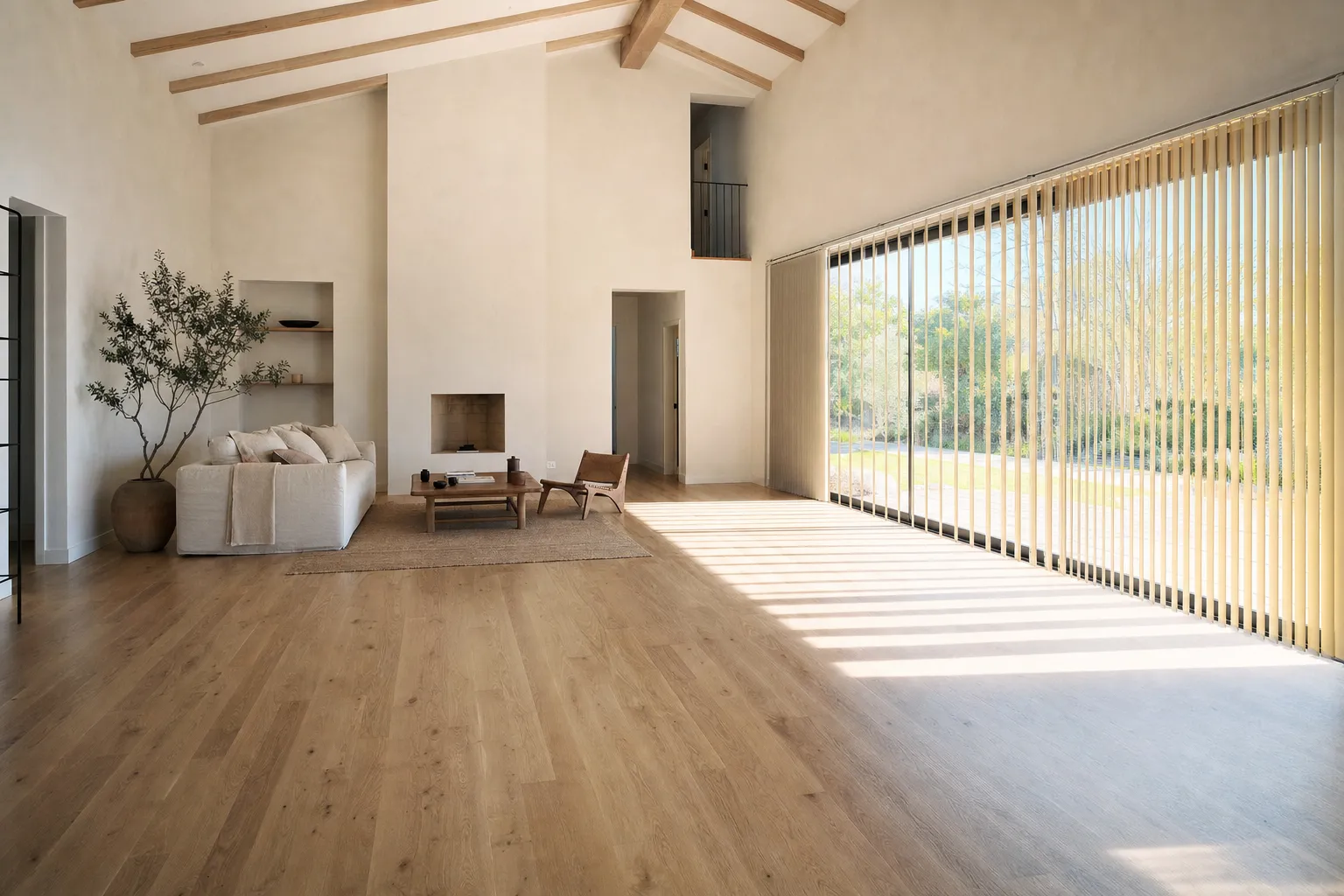
We find out what the wall is before we drill it. That is the visit, and it is free.
Our commitment
We chose the fixing for your wall, so a bracket that pulls out is ours to make good.
If it does not fit, we remake it
You never held the tape.
Nothing owed before you agree
No deposit, no card.
Licensed and insured
Both, before we come in.
Your date, in writing
Set at the quote. It does not move.
We will tell you not to buy
If a stock size does it, you hear so.
Cordless where a child sleeps
Standard, at no extra charge.
Reviews on Google
What people said afterwards.
Rated 4.8 out of 5 — the ones below are quoted in full, with a link to check each on Google.
Nick has delivered the greatest service as I recently moved in to my new townhome and needed to have blinds for all three floor windows. Not only the price was the best, but he accommodated all my requests in the process. Definitely worth every penny
Anton KovunovI was blown away by the exceptional customer service from Blinds Company! Their staff was knowledgeable, friendly, and helped me find the perfect blinds for my living room. The installation was quick and flawless. I highly recommend them!
Merdan Berdiyev
Real names, real dates, and a link to all of them — including the ones we would not have picked.
Read them on GoogleQuestions
Before you book
What is behind the plaster above a Toronto window?
In a pre-war house, usually wooden lath with plaster keyed through it, and behind that either a timber frame or brick. Lath alone will not hold a loaded bracket — it splits along the grain and the fixing works loose over a season. The bracket goes into the window's own timber frame, into a stud, or into the masonry with a proper anchor. Finding which of those is available is what the first two minutes at each window are for.
Can you fit blinds in a condo with concrete ceilings?
Yes, routinely. Concrete is straightforward — it takes a masonry anchor and holds better than anything in an old house. What constrains a condo is different: reveal depth, whatever the corporation says about the view from outside, and the certificate of insurance and service elevator most buildings want before anyone arrives with tools.
We are renovating. When should the blinds be fitted?
After the painting and after the flooring, and measured after the windows and the trim are in but before the floors go down if you want the visit to be useful. Fitting before painting means brackets that get painted around or taken off and refitted; fitting before flooring can mean a drop measurement that is wrong by the thickness of the finished floor.
Will drilling damage original trim?
Not if the fixings are planned. On a window with mouldings worth keeping we would rather mount inside the reveal into the frame, or outside onto the wall above the casing, than put screws through the casing itself. Where the only sound fixing is through original woodwork, we say so before drilling and let you decide.
Do you install blinds somebody else supplied?
Sometimes, and the honest caveat is that we can only stand behind the fitting, not the fit. If a blind was measured by somebody else and comes out too narrow, hanging it well does not fix that. We will look at what you have and say whether it is worth hanging before taking the job.
How long does an installation take?
Ten to fifteen minutes a window once the fixing is decided, and the deciding is the part that varies. A square opening in a newer building is quick. A century window where the first two spots refuse a screw is not, and that is why we book a time rather than a slot.
Where we work
Blind installation across the GTA.
The same crew measures and fits in every one of these. The visit is free wherever you are on this list.
- TorontoYou are here
- MississaugaPeel
- BramptonPeel
- EtobicokeToronto
- Richmond HillYork
- North YorkToronto
- VaughanYork
- MiltonHalton
- BurlingtonHalton
- MarkhamYork
9 of these have a page of their own so far; the rest are covered by the same crew on the same terms, and their pages are being written. Not sure whether you are inside it? Call and ask — the answer takes ten seconds.
If a blind in your house has sagged, torn out of the plaster, or was never square, say which wall it is on. That is usually diagnosable over the phone.