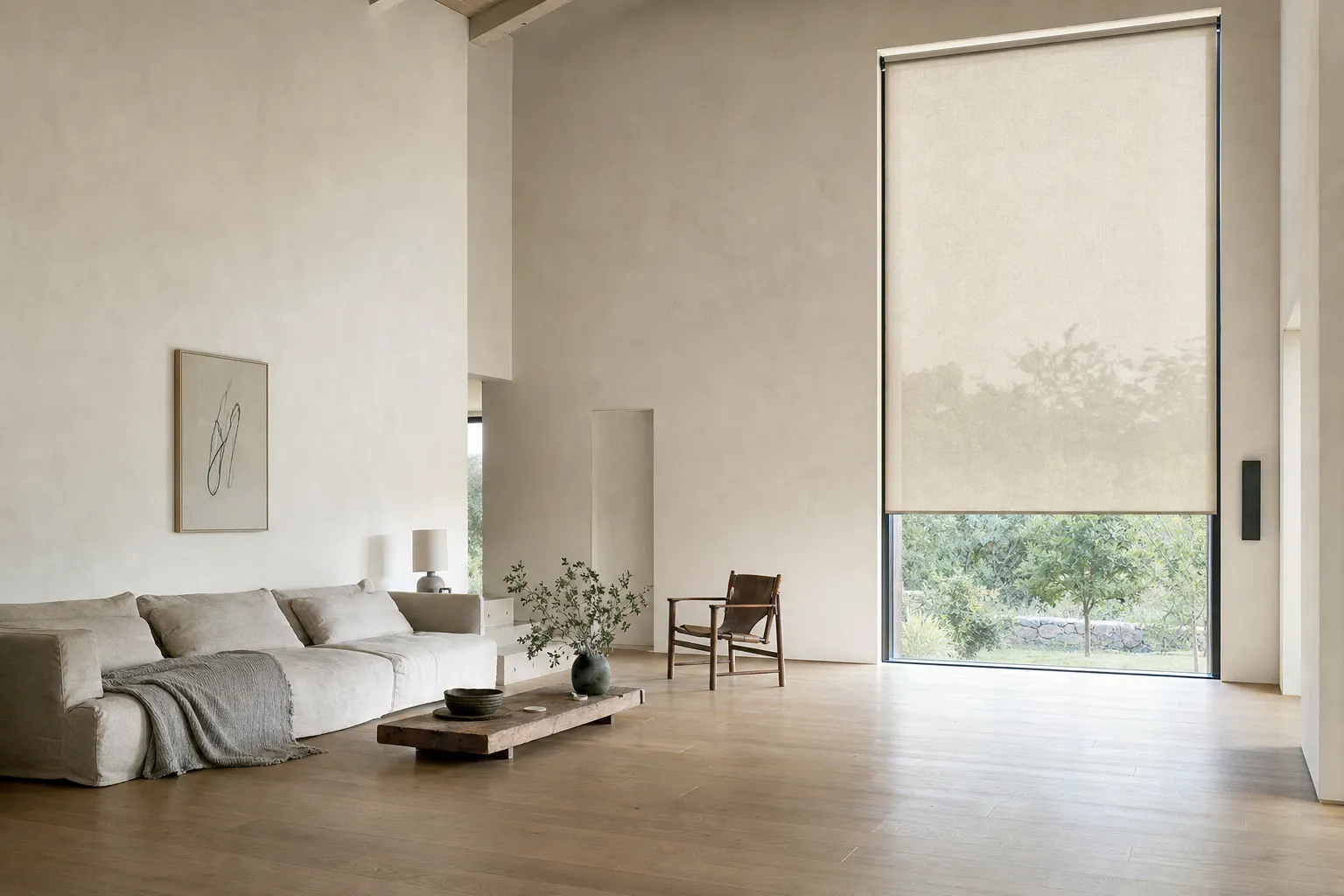
Roller blinds in Vaughan
Roller blinds made to your openings and fitted across Vaughan. On a house whose elevation is arches and angled gables, the useful conversation is which windows a roller suits and which need something that can follow a shape.
Blinds Company · Rated 4.8 out of 5 on Google
Free in-home measure · open 8am–9pm, 7 days
In short
Roller blinds made to your openings and installed in Vaughan. The one product that will not follow a curve or a rake — which in a city built on arches, transoms and gables is the first thing to establish, not the last.
Book
Let's measure your light.
We come to you, measure at your own windows, and go through fabrics and fits together. The visit costs nothing.
$99 off when you order three or more blindsApplied to your written quote at the measure.
Rather just talk?(437) 782-5452Open 8am–9pm, 7 days
In a room
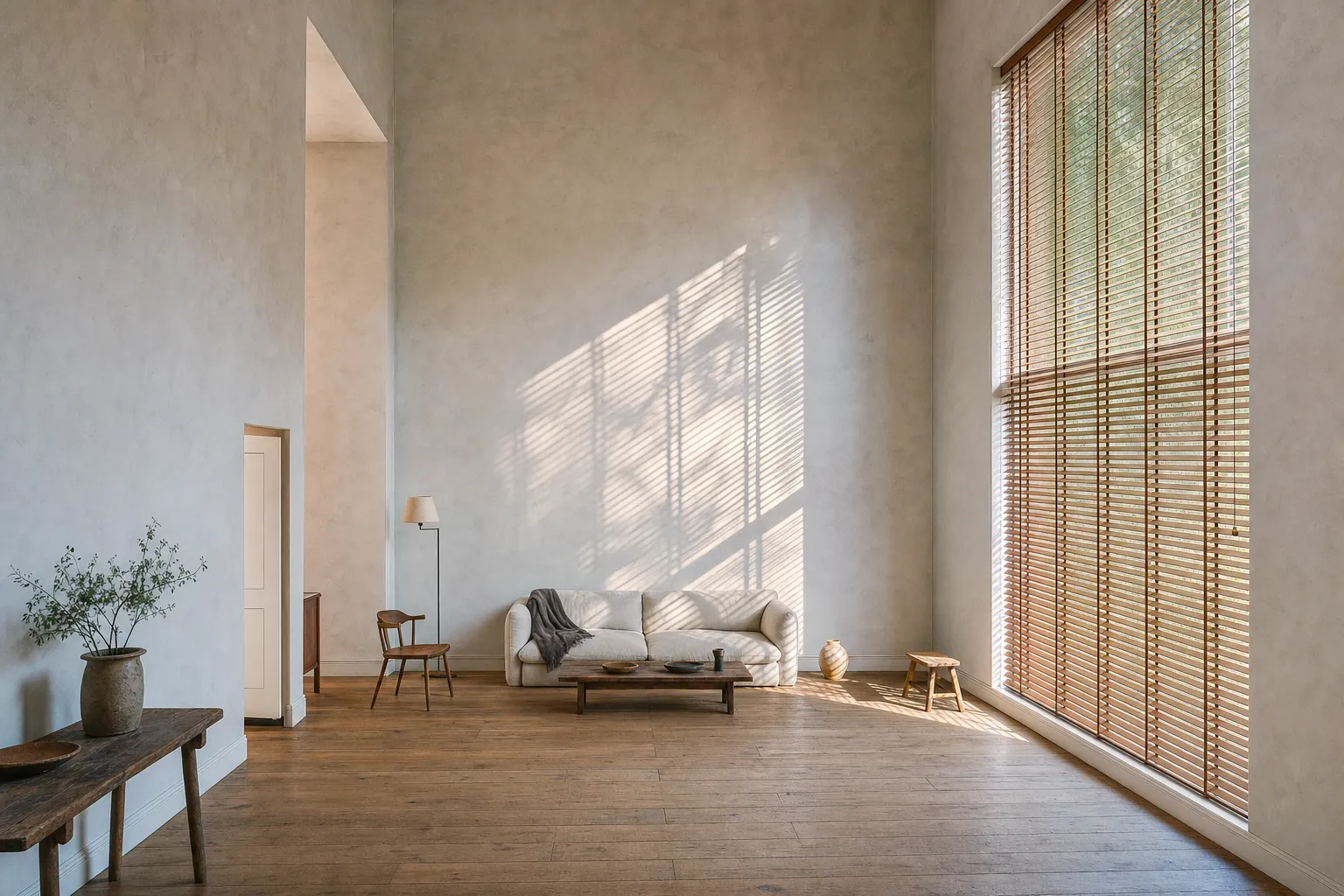
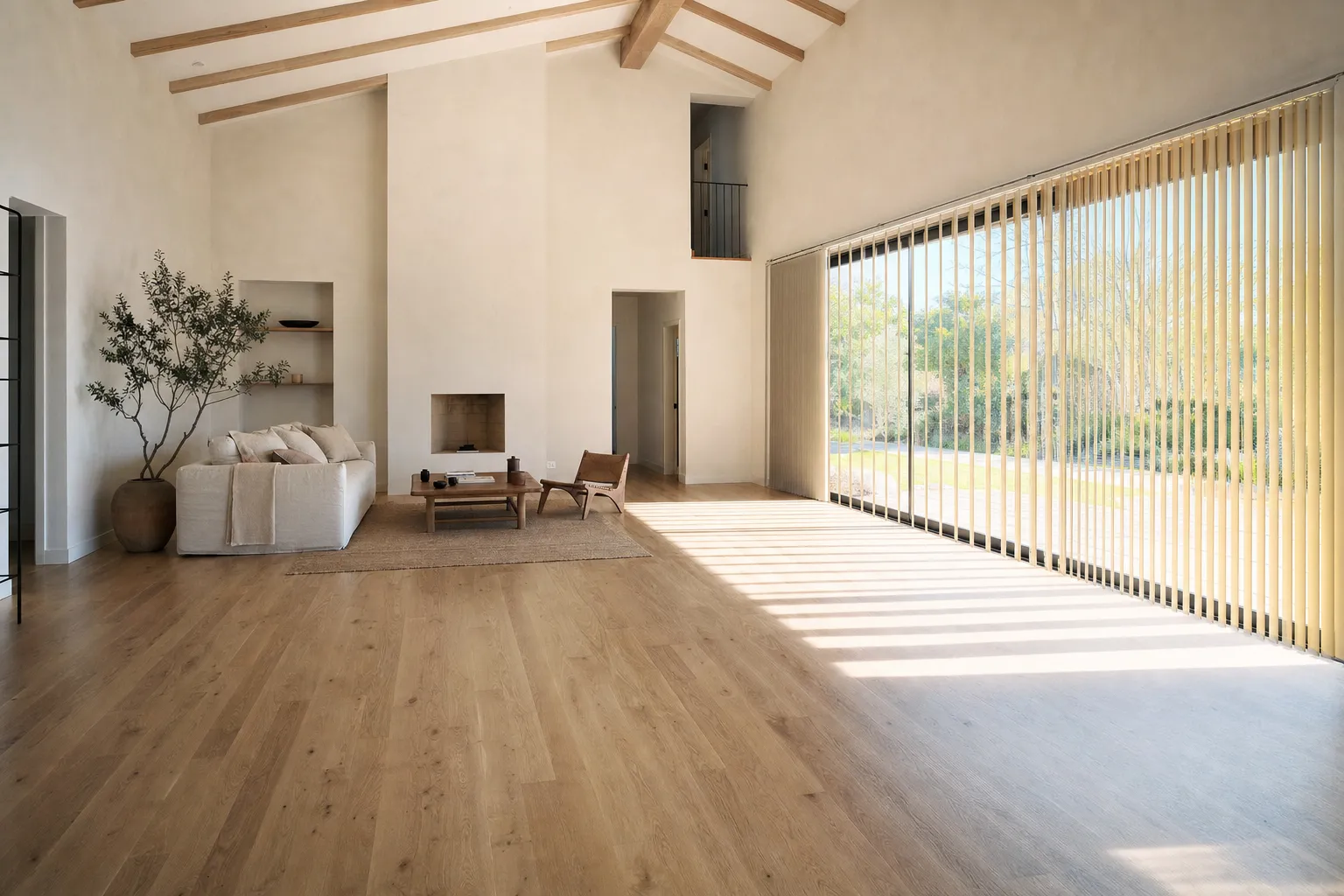
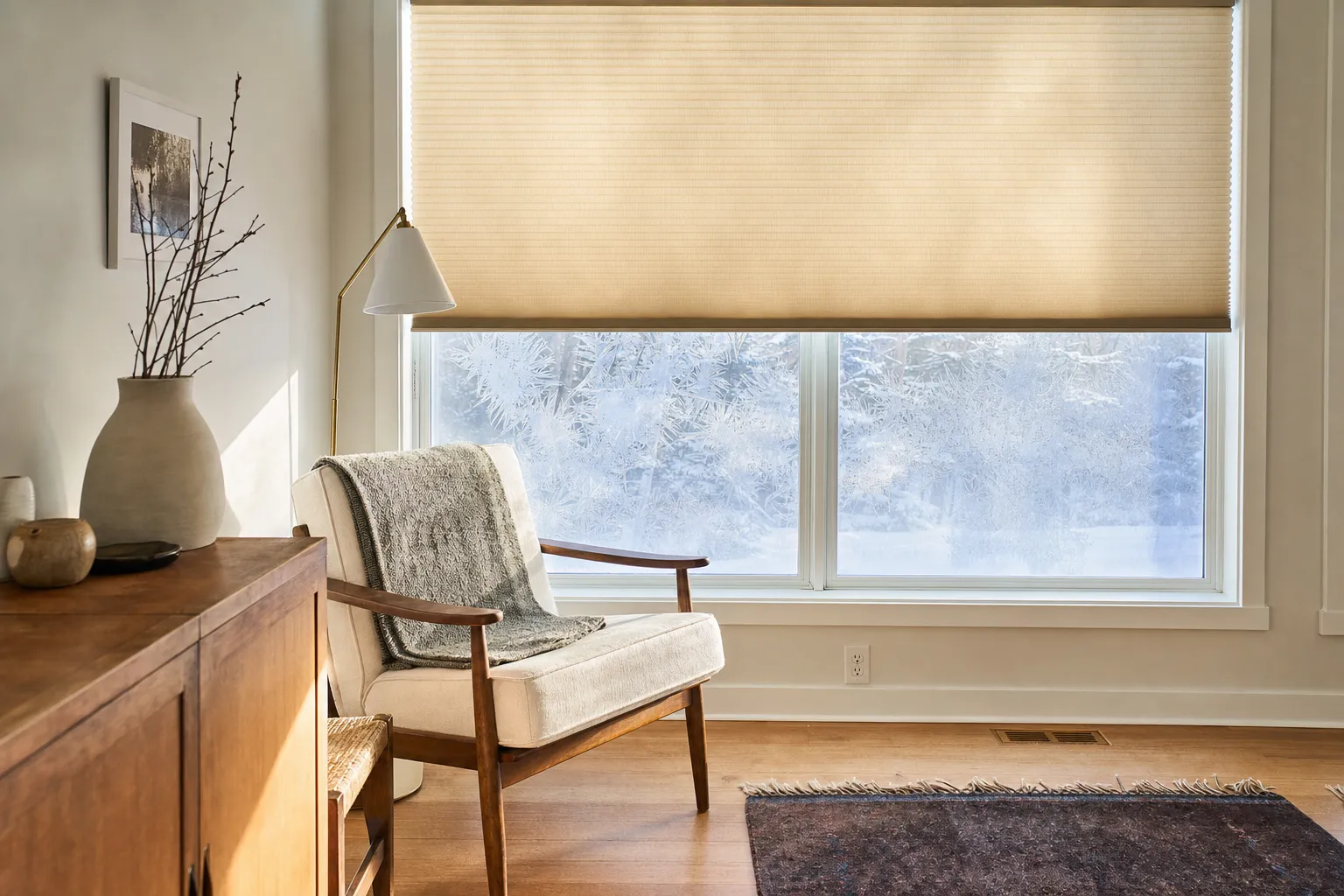
What roller blinds look like once they are up.
The product, not our installations — a gallery of rooms we did not fit would be somebody else's portfolio with our name on it.
Establish the shapes first, then talk about rollers
In most cities a roller quote starts with fabric. Here it starts with an inventory, because a large share of Vaughan windows are not rectangles and a roller is, uncompromisingly, a rectangle.
Walk a house in Patterson or Vellore Village and count: an arched head over the front door, a half-round above a first-floor window, a transom band above the main glazing in the great room, a gable end glazed to follow the roof. That is the prevailing architectural language, and it was drawn by people thinking about the elevation rather than about what would hang inside it.
So the first pass through a Vaughan house sorts the openings into three piles.
Rectangles. Bedrooms, most first-floor windows, the kitchen, the basement. A roller is frequently the best answer here and this page is about them.
Shapes that a roller can serve badly. An arch small relative to its window, where filling the rectangle below the spring line is an acceptable compromise. A transom that can be left uncovered.
Shapes a roller cannot serve at all. A rake. A large arch. Anything where the head of the glass is not a straight horizontal line.
A quote written without that inventory is a quote written for a house nobody has seen, and it is the most common thing we are asked to put right after somebody else has been.
Why a roller cannot follow a curve or a slope
One sentence of physics, because it decides half the windows in these houses: a roller works by a rigid bar hanging plumb and tensioning a flat plane against a vertical opening, so on a rake gravity pulls the fabric away from the glass, and on a curve there is no bar that can be both curved and wound onto a straight tube.
The three honest treatments for an arch, and the two for a rake, are set out in full on the Vaughan page, along with how a curve gets templated. What matters here is the consequence for this product: on those openings a roller is not one of the options, and a quote that lists one has not been to the house.
The pairing that solves most Vaughan elevations
The arrangement we specify more than any other here, and the one people are rarely offered: a fixed shaped panel above, a working roller below.
The arch, the half-round or the raked triangle gets a panel cut to its exact shape, held in the opening, permanent. It filters light, it covers the glass, and it follows the geometry properly because it never has to move.
The rectangular part underneath gets an ordinary roller that raises and lowers like any other blind.
Four things make this the right answer so often in this city.
It puts the moving part where the movement is needed. Nobody adjusts a window twelve feet up for comfort; they adjust the part of the glass level with the room.
It costs less than motorising the shape, which is the alternative on a tall window, and much less than the fan-pleat products that do not last.
The join can be made to disappear. The panel’s lower edge and the roller’s headbox meet at the spring line of the arch, which is a line the architecture has already drawn — so the eye reads it as part of the window rather than as two blinds.
Each half can be specified for its own job. The panel is chosen for how it looks from the street and how much light it passes; the roller is chosen for glare in the room. One product asked to do both would compromise on each.
The two things to decide at the measure are whether the panel and the roller share a fabric — usually yes, and it is what makes the pairing read as one thing — and how the panel is held, because a large shaped panel in a tall opening needs a fixing that will not sag over years.
Fabric against a pale interior
Worth its own section because these houses share an interior palette, and it changes which screen is right in a way the openness number does not capture.
The prevailing finish in newer Vaughan housing is light: pale engineered floors, warm white walls, large expanses of unbroken ceiling. Against that, a dark screen — which is the correct technical choice for glare and for view-out — reads as a heavy rectangle. Five or six of them across a great-room wall read as a row of them.
The technical fact does not change: a dark screen gives the better view and the better glare control, because the eye adapts to a dark frame around bright glass. The choice is about whether that gain is worth what it does to the room.
Three ways this usually resolves.
Dark on the working window, pale on the rest. The west-facing glass where the glare is real gets the dark screen; the windows either side get a pale one at the same openness. From inside they behave differently, which is what you wanted; from the street they are a consistent colour, because the backing is what the street sees.
A mid-tone. Greys and taupes in the middle of the range give most of the view advantage without the weight. This is the most common answer here.
Dark, with the room accepting it. In a room with dark cabinetry or a dark floor, a dark screen belongs and the question does not arise.
The thing to avoid is choosing a pale screen for a west-facing window purely because it disappears against the wall, then finding the view is milky and the glare is still there at five o’clock. If the room has a real glare problem, the fabric has to solve it and the colour question comes second.
The lower level, and the walkout
A large share of these houses have a finished lower level, and on the sloping lots common through Patterson and parts of Woodbridge that level opens onto grade at the back.
Two quite different windows in one storey.
The high, short windows at the front and sides. Thirty to forty centimetres tall, set near the ceiling. The geometry suits a roller better than anything that gathers — a product eating a fifth of a forty-centimetre drop leaves a permanently half-covered window. Specify the smallest tube that will carry the width and mount outside the opening, because there is rarely usable depth up there.
The walkout wall at the back. Full-height glass and a door, facing a garden that is often below the neighbouring grade and therefore more overlooked than the ground floor is. This is the one lower-level window with a real privacy requirement, and it is frequently the room a family actually uses in the evening.
The mistake we are called to correct down there is treating the whole level as one brief. The short windows want something plain and cheap; the walkout wall wants the same care as a ground-floor family room, because it is one.
One practical note specific to lower levels: the ceiling is usually lower and often has a bulkhead running along the exterior wall carrying services. That decides the mount before fabric does, and it is worth a tape measure rather than an assumption.
Where a roller is exactly right in these houses
Having spent two sections on the exceptions, the rule: on the rectangular openings a Vaughan house is full of, a roller is usually the best product in the range.
Bedrooms. Large, square, and needing to be dark. A blackout roller mounted above and outside the opening with a generous overlap gets a genuinely dark room, and the squareness of new construction means there is nothing fighting it.
The kitchen and breakfast area. Short, wide windows where a roller’s near-zero stack keeps the view that the room was built around.
A home office or media room. Screen fabric chosen against the actual glare problem rather than a general one.
Basements and lower levels. Short, wide, high on the wall — the geometry that suits a slim roller and defeats anything that gathers.
The advantage of new construction here is real and worth naming: the frames are square, the reveals are consistent along a window, and two openings in the same room are the same size. A blind cut to the tightest of six numbers will fit everywhere, and the six numbers usually agree.
Depth, bulkheads, and the shallow reveal
The constraint that replaces squareness is depth.
Modern framing gives a shallower reveal than an older wall. There is frequently not enough room inside the opening for a cassette, and sometimes not enough for a bracket at all.
Where that is the case the blind mounts to the face of the wall or, better, to the ceiling. Ceiling mounting has a quiet advantage in a room with tall glass: the head of the blind sits above the head of the window, so there is no strip of sky above the blind when it is down and no light path over the top of it.
Two things to check in a Vaughan great room before deciding. Whether a bulkhead runs along the glazed wall — many do, carrying ductwork, and a bulkhead is a good fixing if it is framed and a poor one if it is a light box around a duct. And whether the ceiling is level along the run, because over four or five metres it is often out by five or six millimetres, and that shows as a wedge of daylight across the head of a wide blind.
Two things this page will not re-explain
Both come up on every large Vaughan window and both are set out properly elsewhere, so here they are pointers rather than sections.
Span. A wide roller is not a narrow one with more fabric in it — past a certain width the tube bows and the bottom bar stops sitting level. The tube sizes, the two-blinds-on-one-bracket-line answer and where the seam goes are on the Mississauga roller page, which is the city this comes up in most.
Reach. A bottom bar at nine or twelve feet is not operable, so the window either gets a motor or gets a fixed panel and no mechanism. Which one depends on whether the window has a job, and that question is worked through on the Brampton page.
What is worth adding for Vaughan specifically: these houses very often have both problems on the same window. A great-room opening that is four metres wide and whose head is twelve feet up needs a larger tube and a motor, and the two together are a meaningful number. Knowing that at the measure rather than at the quote is the difference between a decision and a surprise.
The four rooms that get one, in a typical plan
These houses repeat a small number of floor plans, so the pattern is consistent enough to be worth writing down. Four rooms take a roller almost every time, and each takes a different one.
The primary bedroom. Large, square, and the only room with a testable requirement: dark enough to sleep past sunrise or not. Blackout cloth, mounted above and outside the opening with a real overlap, because the perimeter is where a dark room is won. An inside mount here is a dim room with two bright edges.
The kitchen window over the sink. Short and wide, and every centimetre of view counts because it is the window most looked through in the house. A roller wins on stack — a tube and a slim cassette at the head, nothing gathered. Screen fabric, and a mid to open weave because the room wants light rather than protection.
The home office. Almost always a ground-floor front room in these plans, and the requirement is set by where the monitor faces rather than by the window. A tight screen, 1–3%, if the glass is behind the screen; something opaque if the glass is behind the person.
The great room’s lower glass. The part of a two-storey window that is level with the room. Screen fabric chosen for the afternoon, and the upper glass handled by a fixed panel or left alone — which is the pairing two sections up.
What that leaves is a house full of openings that need something plain and matching, and four that need thought. Getting those four right and being ordinary everywhere else produces a better house than spreading the same middling specification across twenty-five windows.
The window over the front door
Almost every plan in this city puts glass above or beside the entrance, and it is the window we are asked about first and quote last.
Three facts about it, which together decide the answer.
It is almost never uncomfortable. A front hall is passed through rather than sat in, so nobody is squinting at a screen or complaining about heat.
It is visible from the street, and it is the window that makes the house look like itself at night when the hall light is on.
And it is high, so anything that moves up there costs the price of a motor.
Put together, the honest recommendation for most of these is either nothing at all or a fixed panel — and which one depends on a single question: is anything in the hall fading? A hall with a wood floor and a piece of furniture taking direct afternoon sun has a real reason for a permanent filter. A hall with tile and nothing in it does not.
Where the entrance glass is a sidelight beside the door rather than above it, the answer changes completely. That one is at eye level, it looks straight at whoever is on the step, and it is worth covering — usually with something narrow and permanent rather than a working blind, because a blind on a sidelight fouls the door.
What the visit involves
A call back first, asking which rooms bother you and how.
Then the inventory: which openings are rectangles and which are shapes, because that is what decides whether this page is the right page for a given window. The shapes get photographed and templated; the rectangles get six measurements cut to the tightest.
Depth before fabric, on every opening. Bulkheads and ceiling level checked in the tall rooms. Reach noted, and the motor conversation had out loud rather than added to a quote.
Then samples against your own glass at roughly the hour the room misbehaves, and a written quote with a line for every opening. No deposit, no card, no obligation.
Last updated .
Everything we make
The rest of the range, in Vaughan.
Each is wrong somewhere. Its page says where.
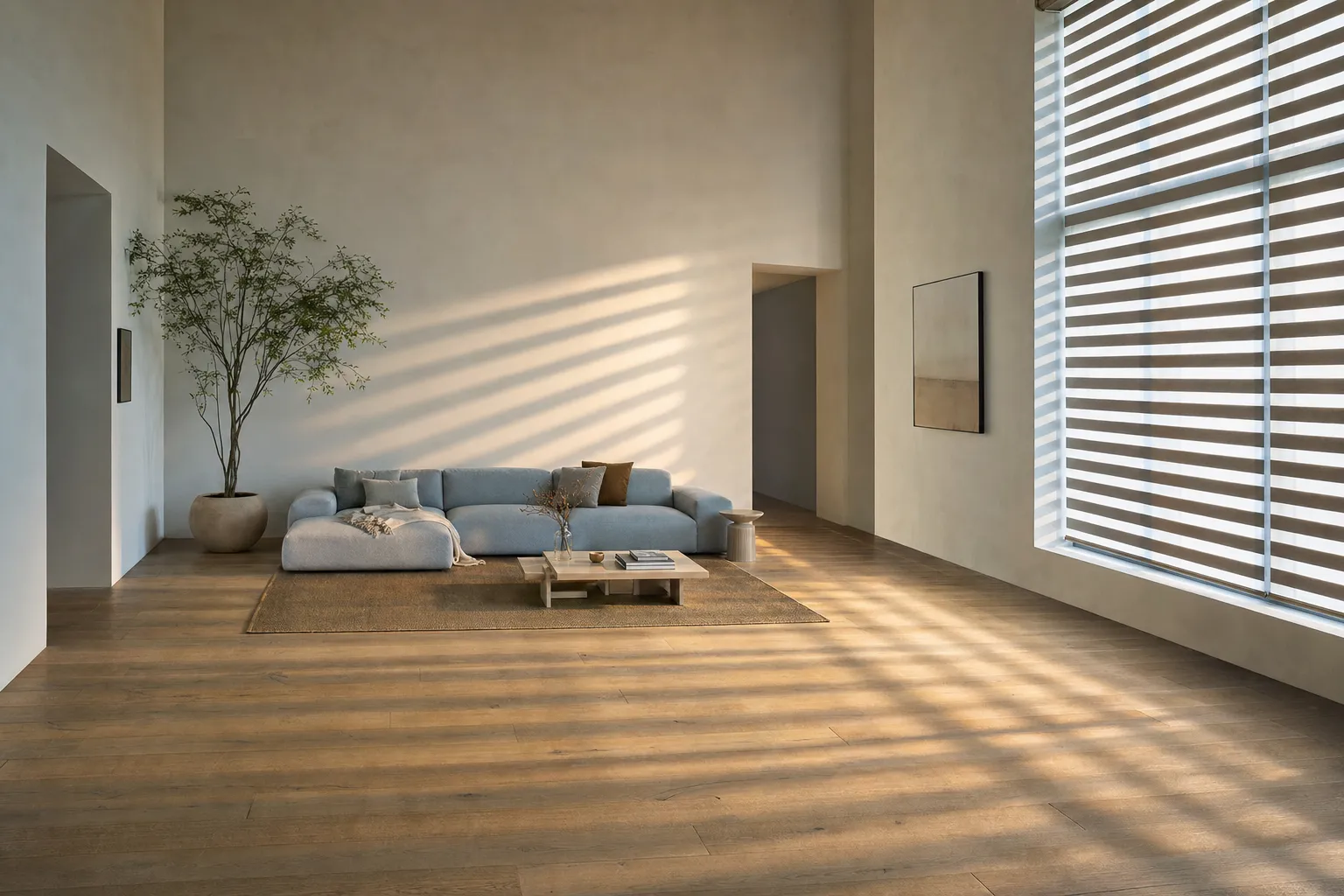
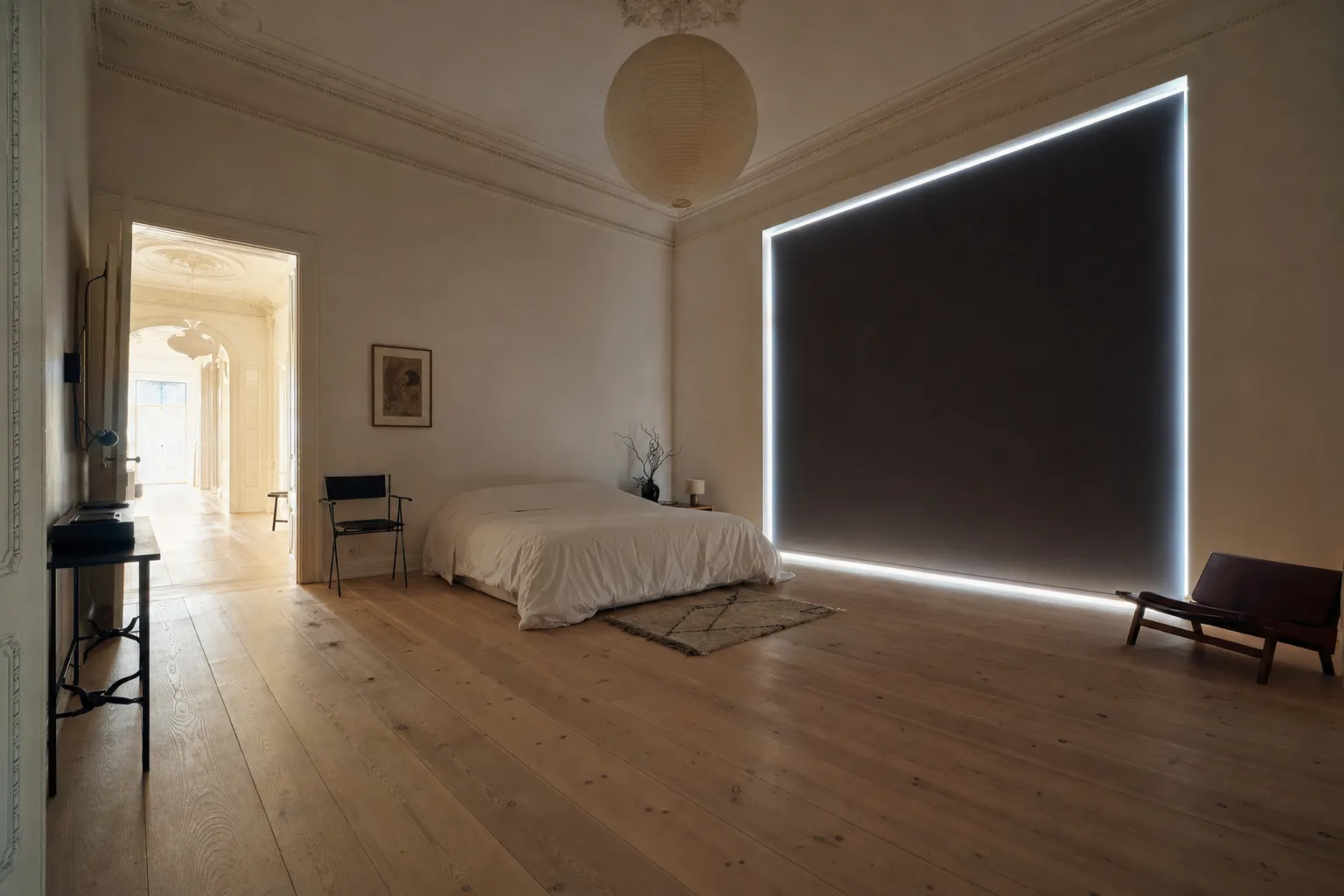
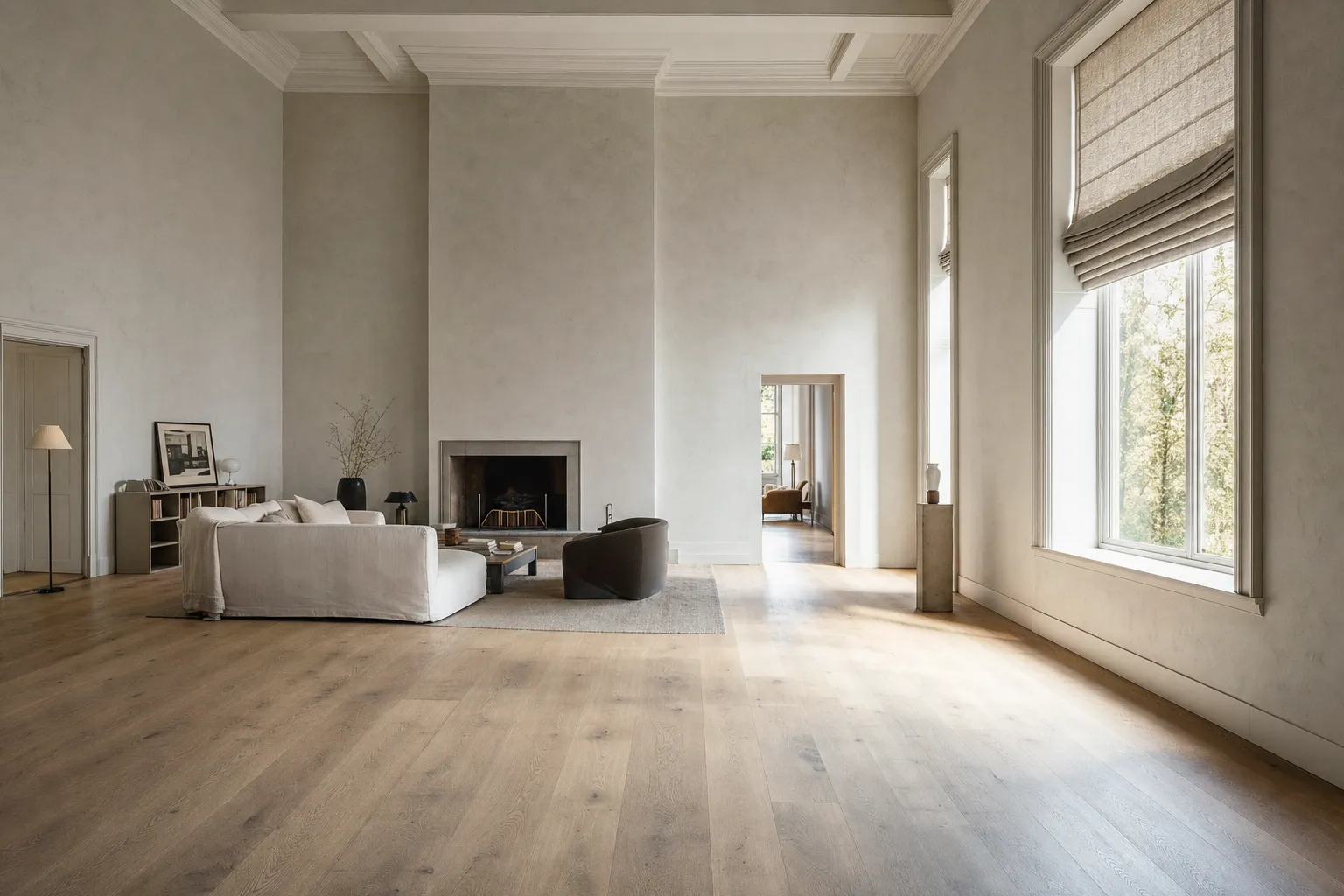
Rectangles get rollers. The shapes need a template. One visit sorts both.
Our commitment
We said which windows a roller suits, so a blind fighting its opening is on us.
If it does not fit, we remake it
You never held the tape.
Nothing owed before you agree
No deposit, no card.
Licensed and insured
Both, before we come in.
Your date, in writing
Set at the quote. It does not move.
We will tell you not to buy
If a stock size does it, you hear so.
Cordless where a child sleeps
Standard, at no extra charge.
Reviews on Google
What people said afterwards.
Rated 4.8 out of 5 — the ones below are quoted in full, with a link to check each on Google.
I'm thoroughly impressed with Blinds Company. From the initial consultation to the final installation, their team delivered exceptional service, expertise, and quality.
Oleksandr StakhurskyiHighly recommend Nick and his team. They installed blinds in my house. Looks wonderful, cheers
Timur Shafikov
Real names, real dates, and a link to all of them — including the ones we would not have picked.
Read them on GoogleQuestions
Before you book
Can a roller blind cover an arched window?
Only by ignoring the arch. A roller ends in a rigid straight bar, so it can fill the rectangular part below the spring line and leave the curve bare, or it can mount above the whole arch and cover the shape when it is down. What it cannot do is follow the curve. On a large arch the first option draws a hard horizontal across a shape whose whole point is that it has none, and a shaped fixed panel is the better answer.
What about the angled glass in a vaulted family room?
A roller will not work on a rake at all. The fabric hangs plumb while the window leans, so the gap at the bottom grows with the angle and the blind hangs in mid-air. That window wants a shaped fixed panel or a cellular blind on side tracks. Anybody quoting an ordinary roller for raked glass is quoting a blind that will not touch it.
Our great room window is very wide. Will one roller cover it?
Up to a point set by tube deflection: past a certain span the tube bows under its own weight and the bottom bar stops sitting level. A larger-diameter tube buys real width; past that the opening gets two blinds sharing a bracket line with the seam on a mullion. Heavier fabrics reach the limit sooner than light screens do.
The bottom bar would be nine feet up. Is that a problem?
It is the problem. A spring roller is operated by pulling the bottom bar, so a bar out of reach means the blind lives in whatever position it was left in. Those windows want a motor — battery tube motors need no wiring and charge two or three times a year — or they want a fixed panel and no mechanism at all. Which one depends on whether the window has a job.
Do you cover Woodbridge, Maple and Kleinburg?
All of Vaughan, and the older streets in Kleinburg and Woodbridge are the easiest work in the city — rectangular openings, deep reveals and no shapes to template. There is no travel charge on the quote anywhere in the GTA.
Does a shaped fixed panel need to be cordless?
It has nothing to be cordless about — a fixed panel does not move, so there is no mechanism and no cord at any height. That is one of the quieter arguments for the panel-and-roller pairing in a house with children: the permanent half of the window is inherently safe, and the working half below it is spring-lifted or motorised as standard.
Where we work
Roller blinds across the GTA.
The same crew measures and fits in every one of these. The visit is free wherever you are on this list.
- TorontoRoller blinds
- MississaugaRoller blinds
- BramptonRoller blinds
- EtobicokeToronto
- Richmond HillYork
- North YorkToronto
- VaughanYou are here
- MiltonHalton
- BurlingtonRoller blinds
- MarkhamYork
9 of these have a page of their own so far; the rest are covered by the same crew on the same terms, and their pages are being written. Not sure whether you are inside it? Call and ask — the answer takes ten seconds.
If half your windows are shapes, a quote for rollers throughout is a quote that has not seen the house. Ring and we will come and look at it.