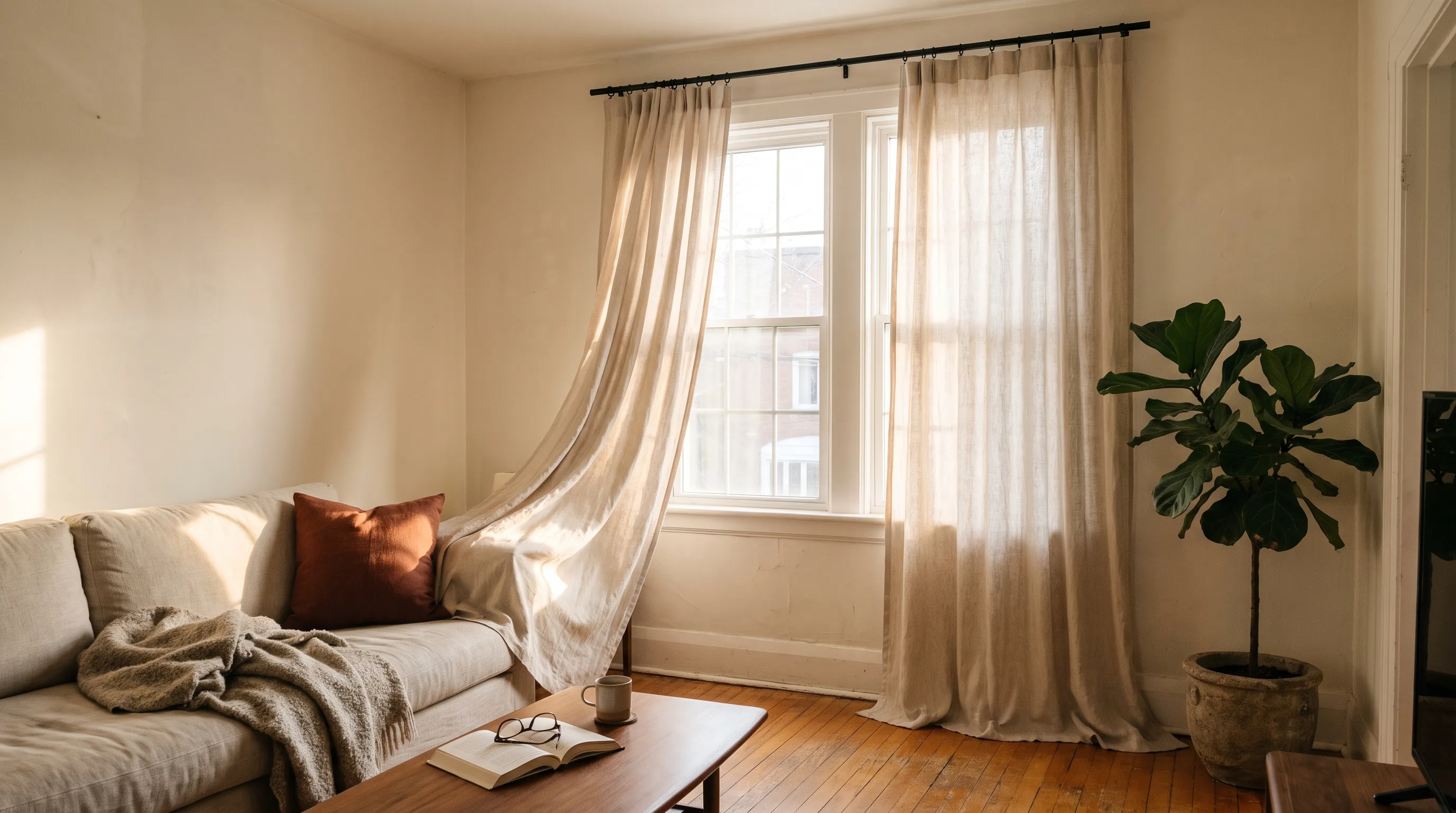
Curtains in Brampton
Made-to-measure curtains and drapery across Brampton. In a house this size the arithmetic decides before the fabric does: curtains in four rooms and something simpler everywhere else beats a compromise spread across the whole plan.
Blinds Company · Rated 4.8 out of 5 on Google
Free in-home measure · open 8am–9pm, 7 days
In short
Curtains made to your openings and installed in Brampton. A house with twenty-five openings cannot be curtained, so the whole question is which four rooms earn it — and what a modern wall will actually hold.
Book
Let's measure your light.
We come to you, measure at your own windows, and go through fabrics and fits together. The visit costs nothing.
$99 off when you order three or more blindsApplied to your written quote at the measure.
Rather just talk?(437) 782-5452Open 8am–9pm, 7 days
In a room
What curtains look like once they are up.
The product, not our installations — a gallery of rooms we did not fit would be somebody else's portfolio with our name on it.
The arithmetic comes first here
In an older, smaller house the curtain conversation starts with the room. In a Brampton house it starts with a number, because the number decides what is possible before anyone opens a fabric book.
A newer detached here has twenty to thirty openings. Curtains cost several times what a plain blind costs per window, and the reason is not markup — it is cloth. A curtain at proper fullness uses two to three times the track width in fabric, so a three-metre window is seven to nine metres of material before anything is sewn.
Multiply that across twenty-five openings and the total is a number nobody was expecting. What happens next is the mistake this page exists to prevent: the fullness comes down to make the total work, and the whole house ends up with curtains at 1.5× that do not gather, do not close well, and look exactly like what they are.
The better arrangement is not a compromise spread thin. It is four rooms done at a fullness that looks like something, and blinds — which this house is full of good reasons for anyway — everywhere else.
Which four rooms
Consistent enough across these plans to be worth stating, though we will argue it with you in your own house.
The principal bedroom. The room where the softness is felt rather than seen, and where the curtain is doing an acoustic and thermal job as well as a visual one. Almost always the first room and almost never regretted.
The formal living or dining room at the front. The room the street sees into after dark and the room guests are in. It is also the room where a bare window at night is most obvious, because the lighting is warm and the glass goes black.
The family room at the back. The room actually lived in, and usually the largest glass in the house. If any room in the plan is uncomfortable acoustically, it is this one.
One more, and it depends on the house. A dining room that is used. A main-floor office with a window behind the desk. A bedroom that faces a streetlight.
What that leaves — landings, hallways, the powder room, secondary bedrooms, the basement — wants something plain and matching, and there is nothing wrong with that. The rooms nobody sits in do not need the most expensive product in the house.
What a modern wall will actually hold
This is the practical difference between hanging curtains here and hanging them in an older house, and it is the thing that goes wrong when somebody hangs their own.
Above a window in a newer Brampton house is drywall on engineered studs. There is no solid timber lintel to catch, no masonry behind the plaster, and — critically — the studs are wherever the framer put them rather than where a track wants to end.
Drywall anchors are not enough. They are rated for a static vertical load like a picture. A pair of lined curtains on a three-metre track is many times that weight, and it is pulled sideways twice a day. A track on drywall anchors does not fail on day one; it works loose over a season and then comes down with the plaster.
The studs are the fixing. Found properly rather than guessed, and the bracket positions set to them rather than spaced evenly and hoped for.
A timber batten solves both problems at once. A length of timber screwed across the studs, painted to match the wall, with the track fixed to that. It gives a continuous fixing anywhere along its length, it spreads the load, and once painted it reads as part of the wall. On a wide window or a heavy interlined curtain it is what we specify rather than an option we offer.
Check what is in the wall before drilling. In these houses the run above a window frequently carries wiring for a light or a smoke detector, and on an exterior wall there may be a header with steel in it. Two minutes with a detector at the measure prevents the interesting kind of afternoon.
Nine feet down, eight feet up
These plans usually give a nine-foot main floor and an eight-foot upper floor, and the track decision is genuinely different on each.
Main floor. There is real wall above the window, so the track goes well above the frame — often twenty to thirty centimetres — and the curtain runs floor to near-ceiling. That is what makes a room with a nine-foot ceiling look like it has one. A track sitting on the window frame in a nine-foot room wastes the height the builder paid for.
Upper floor. Eight feet, and frequently a window whose head is already close to the ceiling. There may be only ten or twelve centimetres of wall above the frame, which is not enough to make the “hang it high” advice work. Forcing it produces a track jammed against the ceiling and a curtain that looks tight rather than generous.
Two answers upstairs, both fine. Fix to the ceiling, so the curtain reads as full room height and the hardware disappears. Or accept a track just above the frame and let the curtain be a curtain rather than an architectural gesture.
What does not work is applying the main-floor rule to the bedrooms because it looked good downstairs. The rooms are different heights and they want different answers, and that is a decision made with a tape in each room rather than once for the house.
Bedrooms: the blind does the dark, the curtain does the rest
The most common curtain question in this city, and the answer is almost always both rather than either.
A curtain can be blackout-lined and it will still leak, because the light does not come through the cloth — it comes over the top, around the sides and under the hem. Getting true darkness from a curtain alone means a pelmet across the head and deep returns to the wall at each end, which is a lot of hardware to solve a problem a blind solves better.
So: a blackout roller mounted above and outside the opening with a generous overlap does the darkness, properly, for less. The curtain then does what a curtain is good at — the softness in a room that is otherwise drywall and a bed, the acoustic deadening, and the look.
It also means the curtain can be a fabric you actually like rather than one chosen for its lining, and it can be opened and closed casually without that being the thing that determines whether anyone sleeps past sunrise.
The one case for curtains alone in a bedroom is a room where the window is small relative to the wall and darkness is not a requirement — a guest room, a nursery for a baby who is not yet sleeping through anyway.
Repeated plans, and how to use that
The subdivisions here are built from a small number of house types, half of them mirrored, and it is worth using rather than ignoring.
Fabric buys better in a run. Repeated opening sizes across several rooms mean the cutting plan wastes less, and one bolt can cover more of the house. Where two or three rooms are getting the same cloth, ordering them together is genuinely cheaper than ordering them a year apart — not because of a discount, but because of offcuts.
A neighbour’s room is a real preview. Not of the colour, which depends on their light and their furniture, but of the proportion: how a track at that height looks in that room, how a floor-length curtain sits against that skirting. Worth looking at if somebody on your street has done it.
But orientation is not shared. Half the plans on a street are flipped, so your neighbour’s identical window faces the opposite way. Fabric that looks right in their north-facing dining room can read cold in your south-facing one. The plan is shared; the light is not.
Doing it in stages, which is how it actually happens
Almost nobody here does four rooms at once, and the quote is built so you do not have to. What is worth planning is the order and the things that only work if decided early.
Order. The principal bedroom first, because it is felt daily and because it is the room where the difference between bare glass and a lined curtain is most obvious at six in the morning. The front room second, because it is the one seen from outside. The family room third — it is the largest and therefore the most expensive, and it is the one where the acoustic argument means you want the fullness rather than a compromise.
What has to be decided at the start even if it is bought later. Three things.
The heading. Pencil pleat, pinch pleat and wave hang differently and need different fullness, and a house with two headings looks like two decisions. Pick one at the first room.
The white. If the curtains are lined and the lining shows from the street — and on these elevations it does — the backing colour should match across every room on the front of the house. Changing it in year two is visible from the road.
The track type. A house that ends up with two track systems is a house where the second installer has to work around the first one’s hardware, and where a curtain cannot be moved from one room to another.
What can safely wait. The face fabric, room by room. There is no reason the bedroom and the family room should match, and choosing each in its own room in its own light gives a better result than picking four cloths off one table.
What the quote should let you do. A line per window, with the fullness, heading, lining and track written down, so that a year later the second room can be ordered to match the first without measuring anything again. Keep it.
Keep the room schedule with the house
When curtains are installed in stages, the most valuable leftover is not a spare swatch. It is a short room schedule: the finished track width and height, draw direction, heading, fullness, lining and the exact face fabric used at each window. Label rooms by location — “front bedroom, street side” — rather than by a child’s name or a temporary use that may change.
That record prevents a mirrored plan from being mistaken for an identical one and lets a later room repeat the parts that should match without copying the parts that should not. The front elevation can keep one backing colour and hardware line while a north bedroom and south family room use different face fabrics.
Keep the schedule with the final quote or house documents. A phone photograph of one finished curtain records colour poorly and says nothing about the hardware hidden above it; the written specification is what makes phase two genuinely continuous.
What the visit involves
The rooms first, and the honest conversation about which of them are worth it. That is the part of this visit that saves the most money and it happens before anything is measured.
Then, in the rooms that made the list: what is in the wall above each window, how much wall there is above the frame on that floor, where the track can start and stop, and where the curtains will stack when they are open.
Then the numbers, then the cloth — held at the height it will hang, in that room’s own light, because a heavy fabric falls nothing like the way a swatch lies on a table.
You keep a written quote with the fullness, the heading, the lining and the track stated per window, so it can be compared against anyone else’s rather than taken on trust. No deposit, no card, nothing owed either way.
Last updated .
Everything we make
The rest of the range, in Brampton.
Each is wrong somewhere. Its page says where.
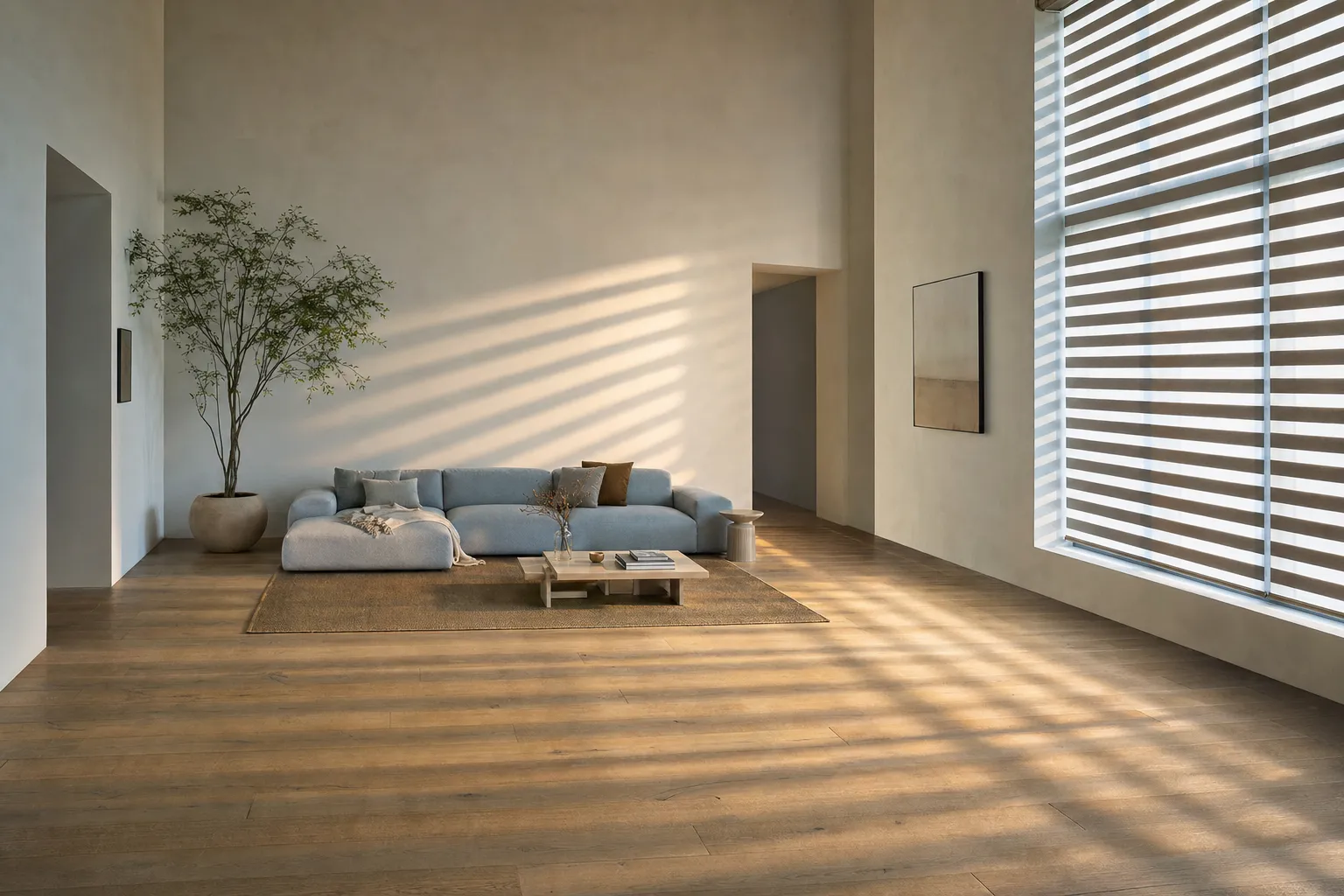
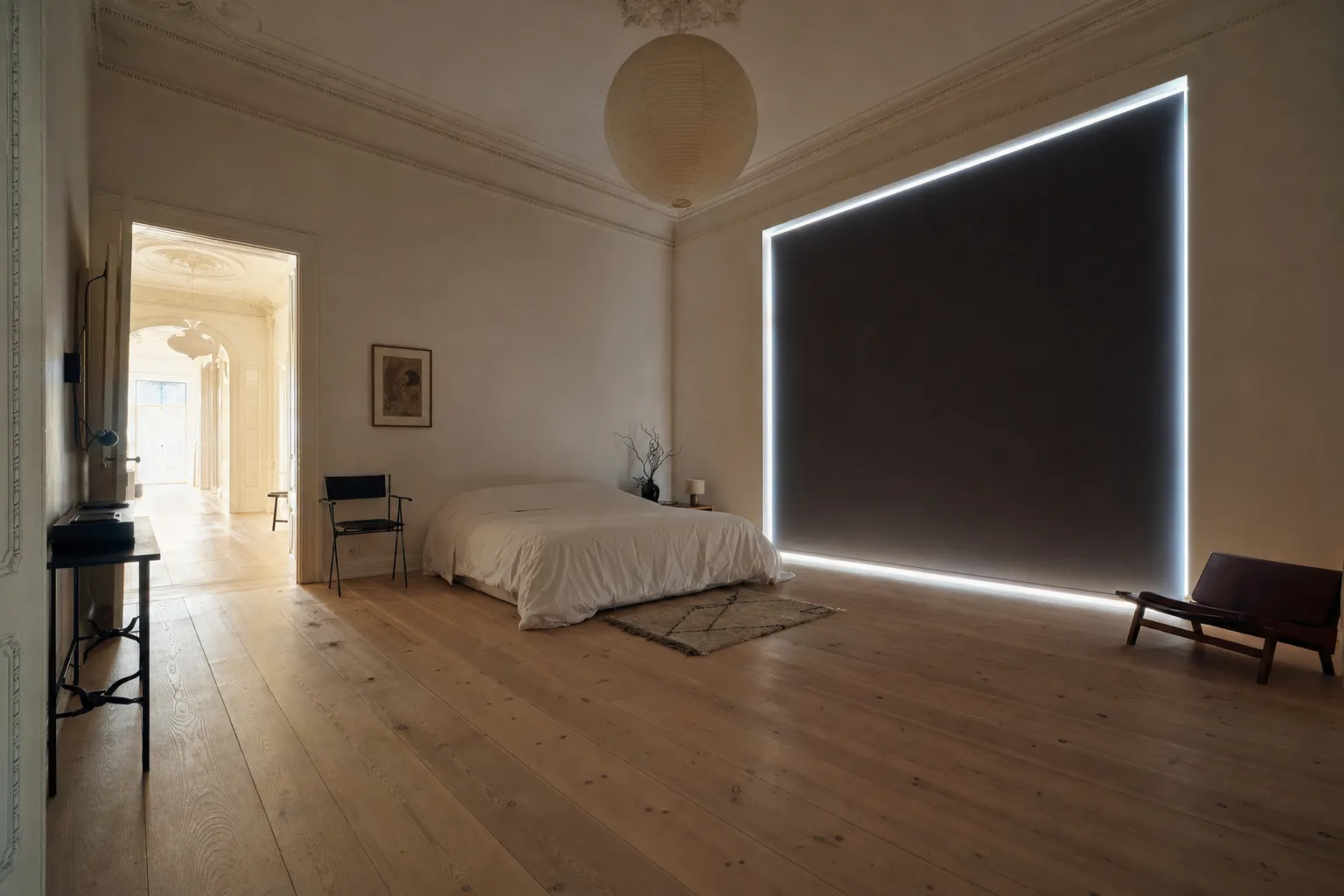
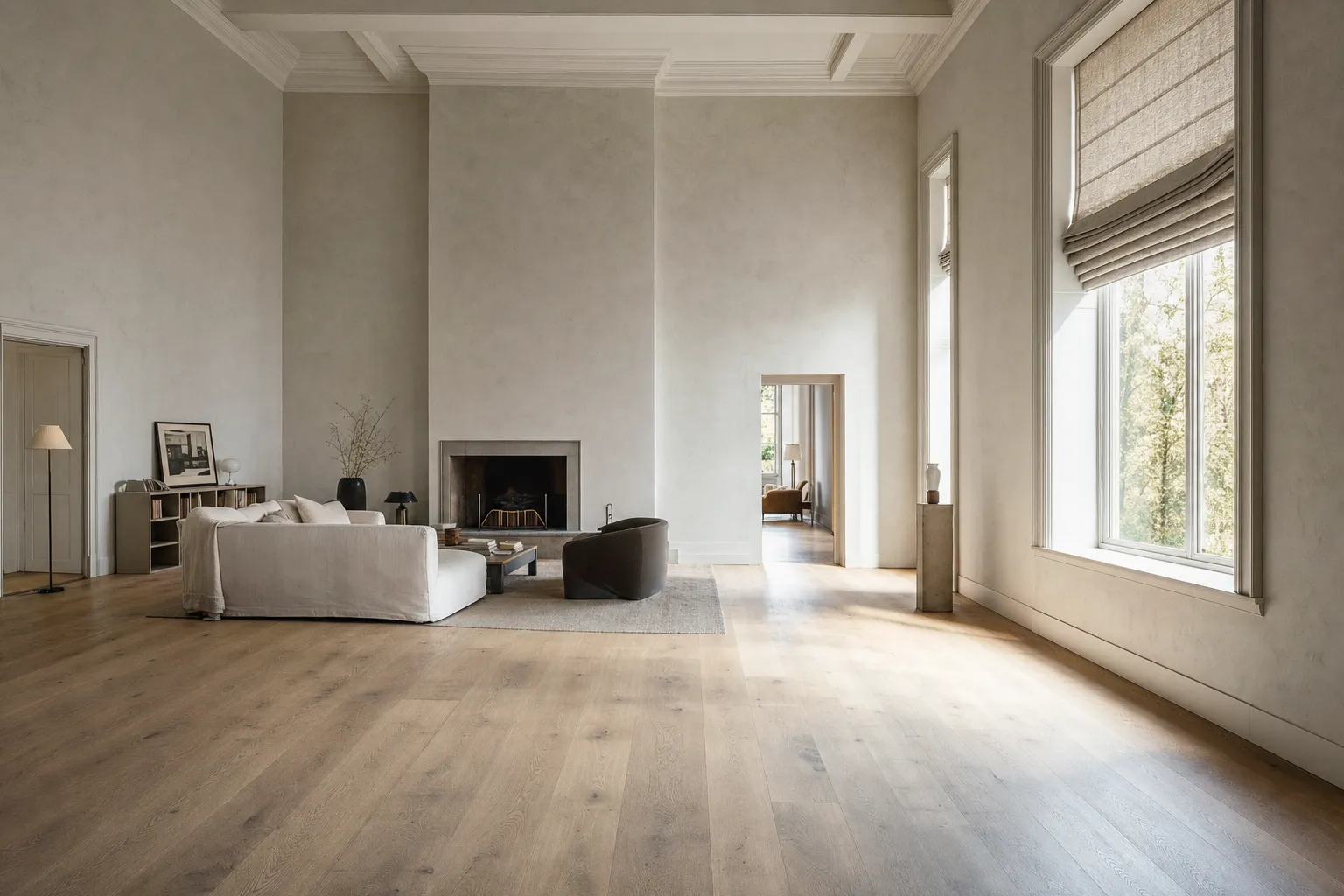
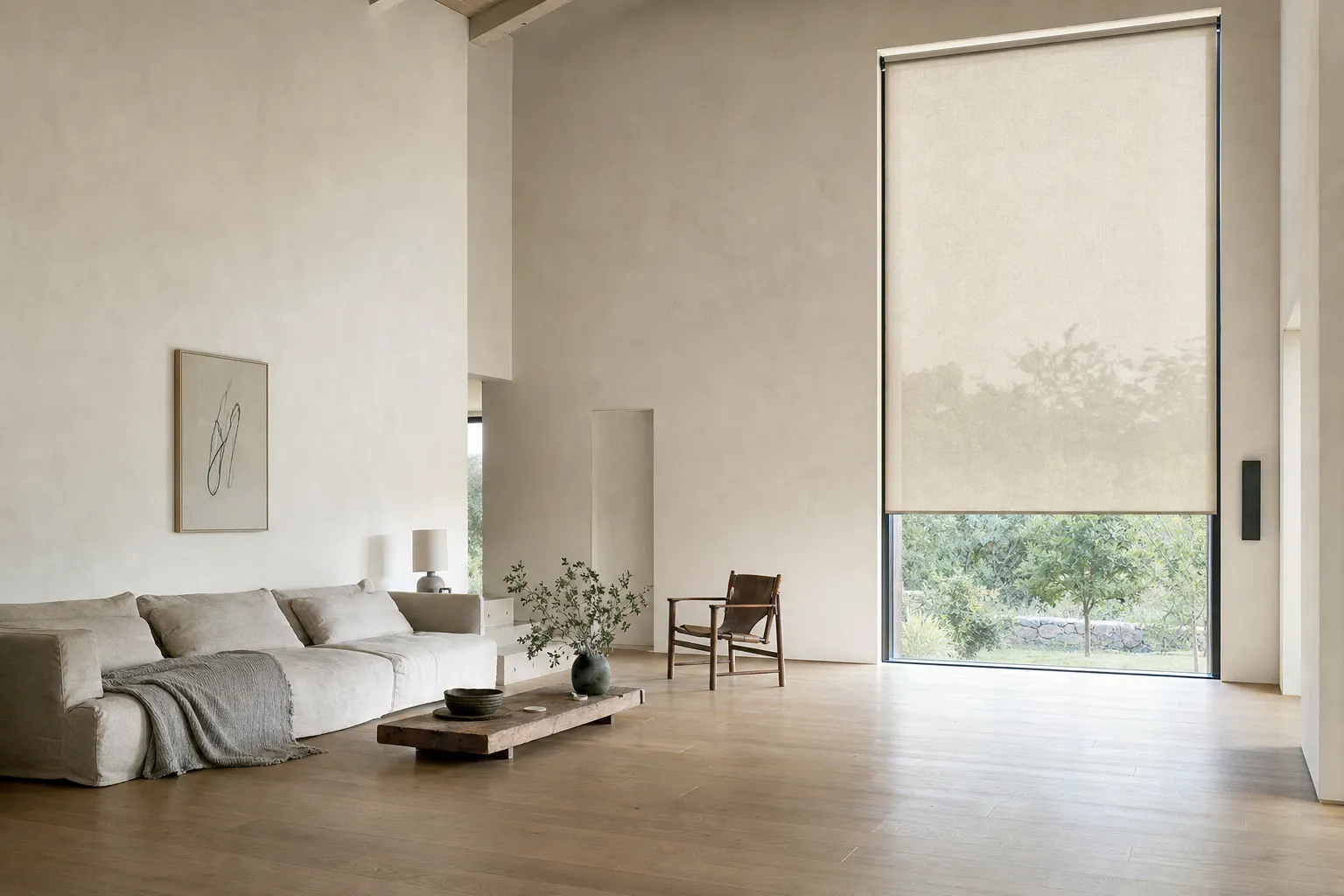
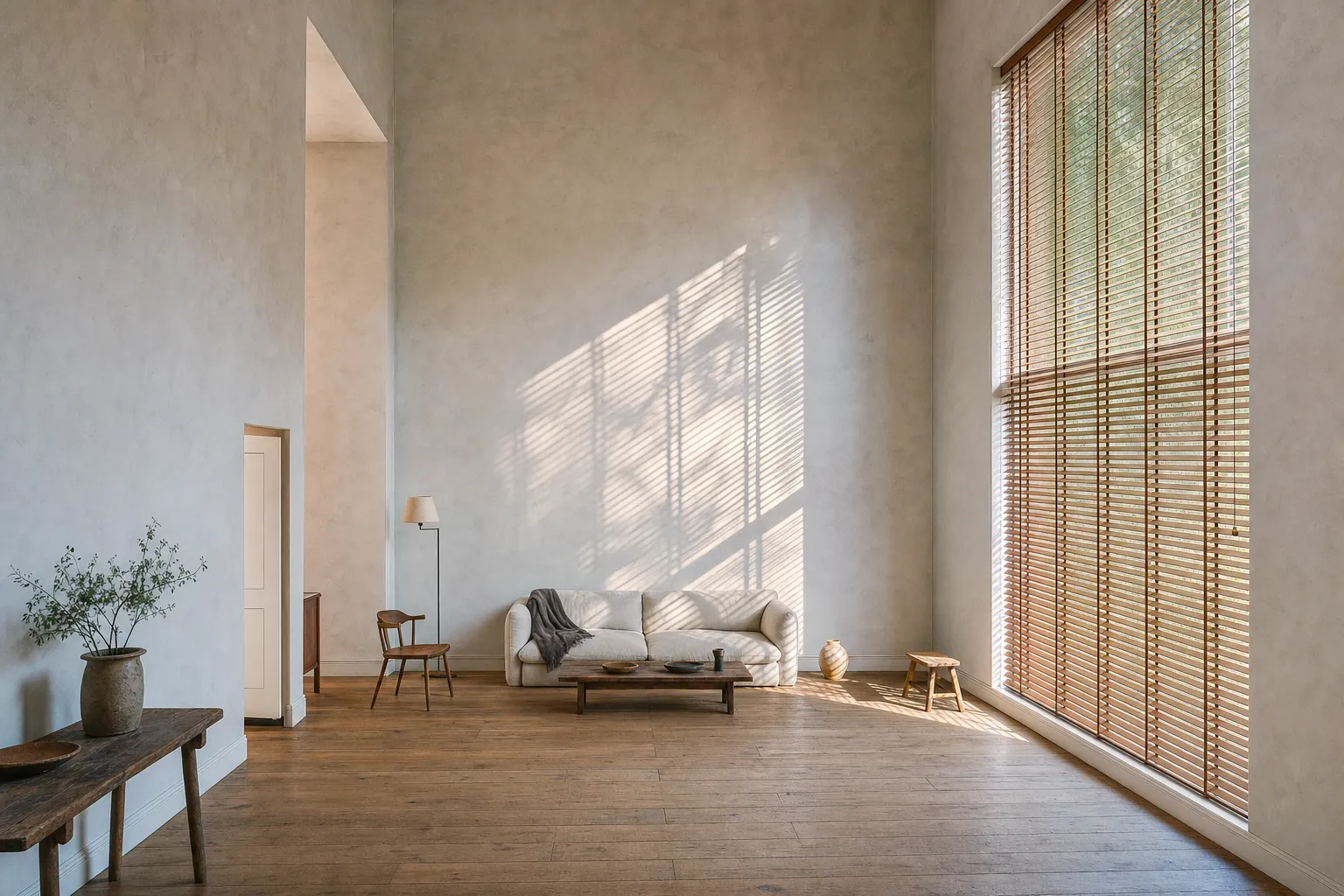
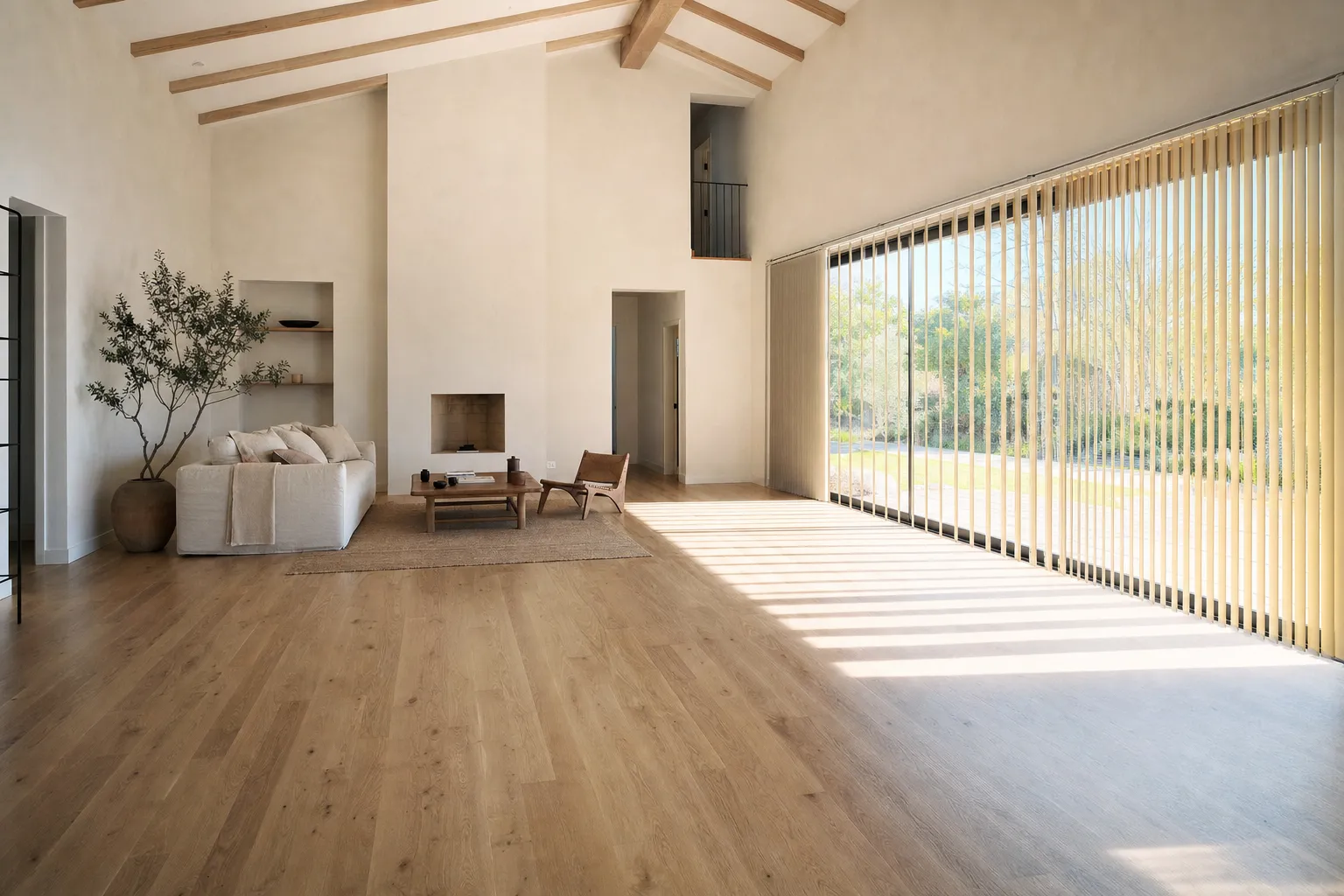
Four rooms, not twenty-five. We will tell you which four before you spend anything.
Our commitment
We found the fixing and set the track height, so a track that pulls out is ours.
If it does not fit, we remake it
You never held the tape.
Nothing owed before you agree
No deposit, no card.
Licensed and insured
Both, before we come in.
Your date, in writing
Set at the quote. It does not move.
We will tell you not to buy
If a stock size does it, you hear so.
Cordless where a child sleeps
Standard, at no extra charge.
Reviews on Google
What people said afterwards.
Rated 4.8 out of 5 — the ones below are quoted in full, with a link to check each on Google.
Highly recommend Nick and his team. They installed blinds in my house. Looks wonderful, cheers
Timur ShafikovNick has delivered the greatest service as I recently moved in to my new townhome and needed to have blinds for all three floor windows. Not only the price was the best, but he accommodated all my requests in the process. Definitely worth every penny
Anton Kovunov
Real names, real dates, and a link to all of them — including the ones we would not have picked.
Read them on GoogleQuestions
Before you book
Should I curtain the whole house?
Almost nobody should, and in a house with twenty-five openings the number makes that decision for you. Curtains cost several times what a plain blind costs per window, because the price is mostly fabric and a curtain uses two to three times the track width in cloth. Four rooms done properly and blinds everywhere else produces a better house than curtains everywhere at a fullness that makes them look thin.
Will a curtain track hold in drywall?
Not on its own, and not for anything lined. Drywall anchors are rated for pictures, and a pair of lined curtains on a three-metre track is many times that load, pulled sideways every day. The track goes into the studs, or into a timber batten fixed across the studs and then painted, which also solves the problem of studs never being where the track wants them.
Our main floor is nine feet and upstairs is eight. Does that change anything?
It changes where the track goes, and the two floors want different answers. On a nine-foot main floor there is real wall above the window and a track set well above the frame makes the room read taller. On an eight-foot bedroom ceiling there often is not enough wall to do that, and a track shoved up tight to the ceiling can look cramped rather than generous. We decide it standing in each room.
Can I have a blackout blind and a curtain in a bedroom?
Yes, and it is usually the right answer here rather than an indulgence. The blind does the darkness, mounted above and outside the opening so the perimeter does not leak. The curtain does the look and the sound. Trying to get true darkness from a curtain alone means a pelmet and generous returns, and it is more hardware for a worse result.
Do the houses on our street have the same windows?
Frequently, and it is worth knowing before you order. Repeated plans mean repeated opening sizes, so fabric can be bought in one run for several rooms with less waste, and a neighbour's finished room is a real preview of yours. What is not the same is orientation — half the plans on a street are mirrored, so an identical window faces the opposite way.
Is there a charge to come out to Brampton?
No, and no travel line appears on the quote. The visit, the samples held in your own rooms and the written quote cost nothing, with no deposit.
Where we work
Curtains across the GTA.
The same crew measures and fits in every one of these. The visit is free wherever you are on this list.
- TorontoCurtains
- MississaugaCurtains
- BramptonYou are here
- EtobicokeToronto
- Richmond HillYork
- North YorkToronto
- VaughanYork
- MiltonHalton
- BurlingtonHalton
- MarkhamYork
9 of these have a page of their own so far; the rest are covered by the same crew on the same terms, and their pages are being written. Not sure whether you are inside it? Call and ask — the answer takes ten seconds.
If you have priced curtains for a whole house and the number frightened you, the useful call is about which rooms actually want them. Five minutes.