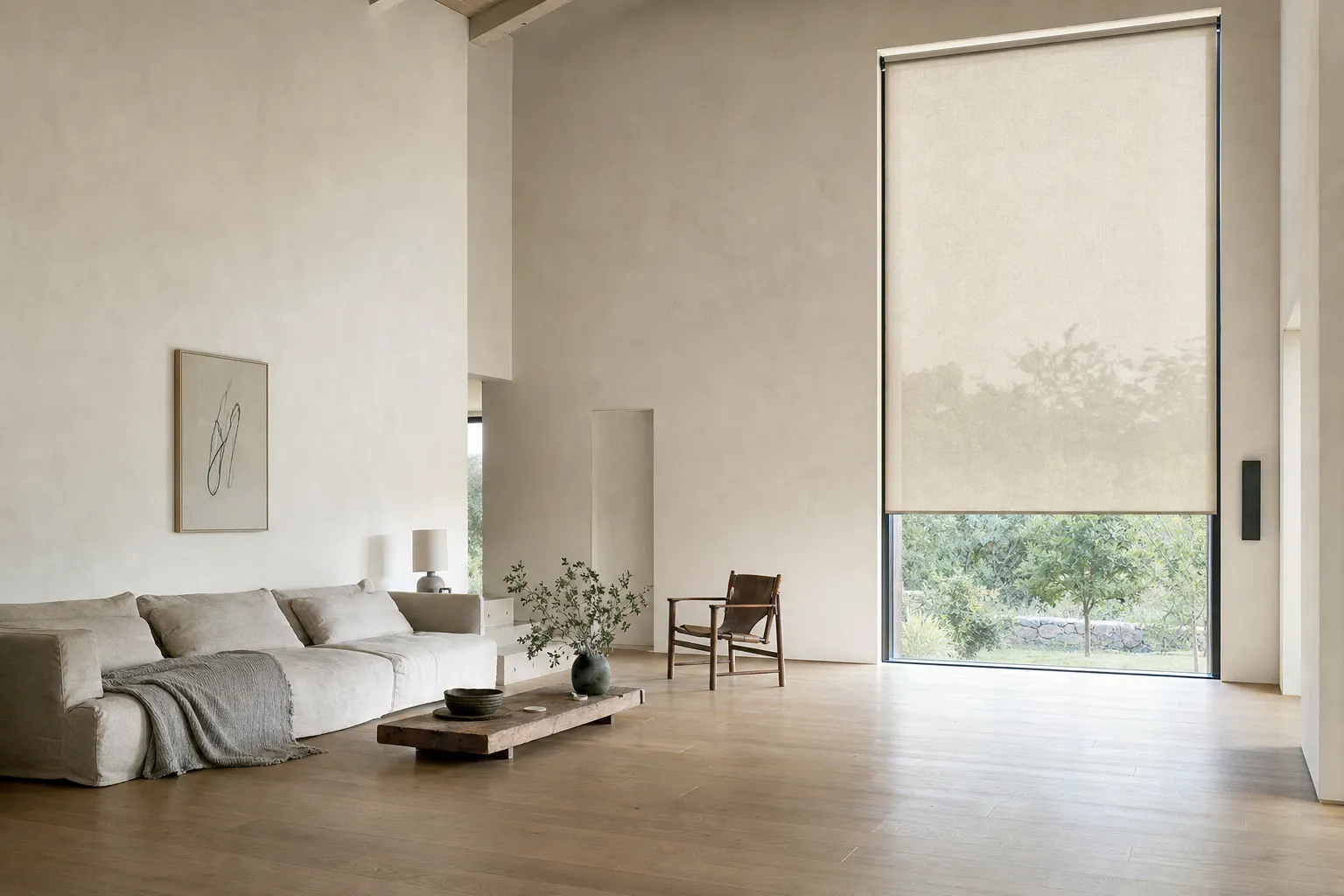
Roller blinds in Brampton
Roller blinds made to your openings and fitted across Brampton. Here the job is almost never one window: it is a whole house in one product, and the decisions that matter are about consistency and sequence rather than about cloth.
Blinds Company · Rated 4.8 out of 5 on Google
Free in-home measure · open 8am–9pm, 7 days
In short
Roller blinds made to your openings and installed in Brampton. Doing twenty-five openings in one product without the house looking like a showroom — which is a consistency problem, not a fabric problem.
Book
Let's measure your light.
We come to you, measure at your own windows, and go through fabrics and fits together. The visit costs nothing.
$99 off when you order three or more blindsApplied to your written quote at the measure.
Rather just talk?(437) 782-5452Open 8am–9pm, 7 days
In a room
What roller blinds look like once they are up.
The product, not our installations — a gallery of rooms we did not fit would be somebody else's portfolio with our name on it.
A house, not a window
The roller is the most-fitted product in Brampton and the reason is arithmetic rather than fashion. The housing here is newer, the openings are square, and there are a lot of them — a two-storey detached in Springdale or Mount Pleasant runs to twenty-five or more before the basement.
A roller suits that because it is the least demanding product per opening. It needs the least depth, it forgives the shallowest reveal, it has the fewest parts to go wrong, and it disappears into a wall rather than adding a second pattern to a room. Multiply any of those by twenty-five and it is the difference between a house that looks finished and a house that looks decorated.
But it also creates the problem this page is about. When a single product goes into every room, the decisions stop being about which product and start being about consistency: what stays the same across the house, what is allowed to differ, and what makes a house look considered rather than bulk-ordered.
What has to match, and what does not
Three things should be constant through a house. Get these right and rooms with completely different fabrics still read as one decision.
Mount height. Where the head of the blind sits relative to the opening. Inside the reveal in one room and above the frame in the next is the single most visible inconsistency in a house, and it is free to get right — it is a decision, not a cost.
Roll direction. Fabric off the front of the tube or off the back. It changes how far the cloth sits from the glass, and two rollers on the same wall rolling different ways look wrong in a way most people cannot name but everybody notices.
Tone. Not the exact cloth — the tone. A house where every fabric sits in the same warm neutral family, at different performances, reads as deliberate. One with a grey in the living room, a taupe in the bedroom and a white in the hall reads as three shopping trips.
Two things should be allowed to differ, and forcing them to match is the more common error.
Performance. The bedroom needs to be dark and the living room needs a view. The same cloth cannot do both, and buying one for the whole house means one of those rooms is wrong. This is the mistake behind most “we already have blinds and they do not work” calls.
Openness. A west-facing family room and a north-facing dining room want different numbers even in the same fabric range. The range makes that easy — same cloth, same colour, different openness — and it is worth asking for by name.
Two rollers on one wall
The most visible detail in a whole-house roller job, and the one nobody is asked about.
Modern Brampton layouts put two or three windows on the same wall constantly — a wide pane with a narrower one beside it, a window flanking a patio door, a pair either side of a fireplace. Every one of those is a chance for the room to look considered or to look assembled.
Head height first. Two blinds that start at different heights make a wall look untidy however well each one fits. Where the openings themselves start at different heights — and in a room with a door and a window they always do — mounting both outside the opening from one common line beats mounting each inside its own.
Bottom line second. Two blinds finishing at different heights is far less noticeable than two starting differently. Where they must differ, set the shorter one to finish on something the eye already reads as a line: a sill, the head of a door, a chair rail.
Roll direction third. Two rollers with the cloth coming off opposite sides of the tube sit at visibly different distances from the glass, and in one room that reads as a mistake. It is a free decision at the order and impossible afterwards.
One blind over two openings, sometimes. Where a wall has two windows with a narrow pier between them, a single blind spanning the whole wall turns an awkward pair into one deliberate surface. It costs more cloth, it covers the pier, and on the right wall it is the thing that makes the room.
Cassettes and fascias, across a whole house
The top of the blind is where a whole-house job either reads as finished or reads as twenty-five separate purchases, and it is the line most often cut to save money.
Bare roll. The tube and the wrapped fabric are visible at the head. On a deep reveal you are looking at it from below and it disappears; on a face-mounted blind it is the first thing you see.
Fascia. A flat panel across the front. Clean line, hides the roll, adds a couple of centimetres of depth.
Cassette. Wraps the tube on three sides. It hides everything and it closes the light path over the top of the blind — which in a bedroom is a real gain rather than a cosmetic one.
The whole-house point: pick one and use it throughout. A house with cassettes in the front rooms and bare rolls upstairs looks like the budget ran out on the landing, which is exactly what happened. If the budget is finite — and it is — a bare roll everywhere reads better than cassettes in half the house.
The one place to break the rule is a bedroom that has to be dark, where the cassette is doing a job rather than a look. That is a defensible inconsistency and it is invisible from anywhere except that room.
The standard opening, and why that helps you
Subdivision housing repeats a small number of window sizes, and after a few hundred Brampton measures the same dimensions come up again and again.
That has two useful consequences.
Pricing is predictable. We have very often measured your window before, in a house four doors down built from the same plan. A question like “roughly what would the family room cost” has a real answer on the phone rather than a range, which lets you decide whether the visit is worth booking.
Ordering in stages is safe. Because the sizes repeat within a house as well as between houses, the second phase of a job is usually the same handful of dimensions as the first. Keep the quote, and next spring is a re-order rather than a new project.
What it does not mean is that a stock blind will fit. A repeated size is repeated to within a centimetre or two, and a boxed blind is sized in fixed steps — so it either leaves gaps wider than they need to be or has to be cut down, which widens them further. On the four windows that matter, that difference is the whole job.
Where a roller is the wrong answer in this house
Being straight about this is the fastest way to avoid a second visit.
The sliding door to the yard. A roller covering a door has to be fully raised to use it. On a door used several times an evening the blind ends up permanently up, and you have paid for a covering that covers nothing. A vertical or a panel track stacks sideways and clears the opening in the width of a hand.
A window you need to open constantly. A roller hanging in front of an opened casement will move in any draught and knock against the frame. Weighted bars help; nothing removes it. On the two or three windows a house actually ventilates through, it is worth mentioning at the measure.
A room where the light needs aiming rather than reducing. A roller is on or off and everything between is a straight horizontal line down the glass. Where a room wants light thrown at the ceiling instead of blocked — a north room, a room with a low winter sun — a venetian does something a roller structurally cannot.
A very wide great-room window. Possible, and past a certain span the tube carries its own weight badly and the bottom bar stops sitting level. The answers are a larger tube or two blinds on one bracket line with the join on a mullion. It is a decision at the measure, not at the order.
Where a boxed roller actually fails
Standard subdivision sizes mean a shop-bought roller will physically go up on a good number of Brampton windows, so it is worth being specific about where the difference shows rather than claiming it always does.
On the width. A boxed blind comes in fixed steps and is trimmed down to fit. Trimming shortens the tube and the bar; it does not narrow the brackets or reduce the clearance the blind needs to run.
So a trimmed blind has wider gaps down each side than a made one, not narrower. In a hallway, irrelevant. In a bedroom, that gap is the whole problem you were trying to solve.
On the drop. Stock drops are generous, on the assumption you will let the excess roll on the tube. Extra fabric on the tube makes the roll fatter, which on a shallow reveal means the blind now fouls the frame it fitted before.
On the balance. A boxed spring is tensioned for a range of sizes rather than for your blind. Within that range it is fine; at either end it is the snappy blind or the one that stalls halfway.
On the fabric. Retail ranges are built around a handful of popular cloths. Openness is rarely stated, coatings are rarely named, and “blackout” is applied to anything dark. On the four windows in a house that are doing real work, the specification is the product.
Our honest position: on a small square opening in a room nobody sits in, buy the boxed one. On the west-facing family room, the bedrooms and the kitchen, the difference is not a finish detail — it is whether the blind solves the problem you bought it for.
Choosing one colour for twenty-five windows
The colour decision in a whole-house job is not the same decision as choosing a fabric for one room, and treating it as twenty-five separate choices is how a house ends up looking like a sample book.
Pick against the wall, not the view. From inside, a lowered blind is a large rectangle of colour on a wall. From outside, it is part of the elevation. Neither of those is the garden. Holding a sample against the glass tells you how it filters light; holding it against the wall beside the window tells you whether the room will like it, and that is the one people skip.
Go quieter than feels right. A tone that reads as slightly too plain on a 15-centimetre swatch is usually correct at two metres by two metres, twenty-five times over. The reverse — a fabric with character on a swatch — becomes the loudest thing in the house.
Warm or cool, once, for everything. Most Brampton interiors are warm: oak or walnut-toned floors, warm-white walls, brick outside. A cool grey blind in that room reads as blue, and it reads as blue in every room at once. This is the single judgement worth spending five minutes on at the measure.
Let the performance vary inside the tone. Same colour family, screen in the living space and blackout in the bedrooms. The rooms behave completely differently and the house still reads as one decision.
Check it at night. A blind is a different colour with the room lit from inside than it is at noon — darker fabrics especially. Any fabric going into a room used in the evening deserves thirty seconds with the light on.
The two windows that decide the budget
In a house with twenty-five openings, two of them cost more than the other twenty-three put together, and knowing which two before you start is the difference between a plan and a surprise.
The two-storey glass at the front. Tall, usually architectural rather than functional, and physically out of reach — so if it is to move at all it needs a motor, which makes it the single largest line on the quote. The question we ask before pricing it is whether that window has a job. If the hall is not uncomfortable and nothing in it is fading, a fixed panel or nothing at all is the honest answer and it saves the biggest number on the page.
The wide window in the family room. Not because of height but because of span and weight. Past a certain width the tube has to be larger, the bar has to be heavier, and a spring stops being able to balance it — and a wide blackout is the heaviest thing we make. It is very often the second motor in a house, and for reasons that have nothing to do with reach.
Everything else in a Brampton house is an ordinary blind at an ordinary price, and the useful way to plan a whole-house job is to settle those two first and let the remaining twenty-three follow. Done the other way round — easy rooms first — the budget runs out at exactly the window that had no manual option.
Which motor, how it is powered, how blinds are grouped and whether a schedule is worth having are all on the motorized blinds page.
The garage-side rooms, and the one nobody measures
Two rooms in a standard Brampton plan get forgotten at the quote and then get complained about a year later.
The room over the garage. It has an unheated space beneath it, an exterior wall on three sides, and usually the same single window as any other bedroom. It is the coldest room in the house every winter, and no amount of blind fixes a floor. What a blind can do is stop the window making it worse, and this is the one bedroom in a Brampton house where a cellular shade with a proper mount earns its price over a roller. Worth deciding deliberately rather than defaulting to whatever the other bedrooms got.
The mudroom or side entry. A small window, often frosted or high on the wall, next to a door that opens to the side yard. Nobody thinks about it, it gets the cheapest thing on the sheet, and it is the window that gets knocked by coats, bags and a door swinging past it several times a day. It wants something robust and plain — a PVC or faux-wood product rather than fabric — and it is worth twenty seconds of thought rather than none.
There is a third, and it is the reason to walk the whole house rather than the rooms somebody wants quoted: the basement window behind the furnace or the laundry. It usually needs nothing at all, and telling you that is faster than pricing it.
What the visit produces
A line for every opening, with the mount, the fabric, the openness or opacity and the mechanism named on each one. That is what makes a staged job possible and what makes two quotes comparable.
The measure itself is longer here than in a smaller house — usually forty minutes to an hour — because twenty-five openings is twenty-five sets of numbers, and because the useful part is walking the house room by room deciding which four windows are doing the work.
Samples get held against your own glass at roughly the hour the room misbehaves. On a west-facing Springdale family room that means late afternoon, and it is worth arranging rather than taking whatever time is convenient.
No deposit, no card, and the quote is yours to sit on for as long as you need.
Last updated .
Everything we make
The rest of the range, in Brampton.
Each is wrong somewhere. Its page says where.
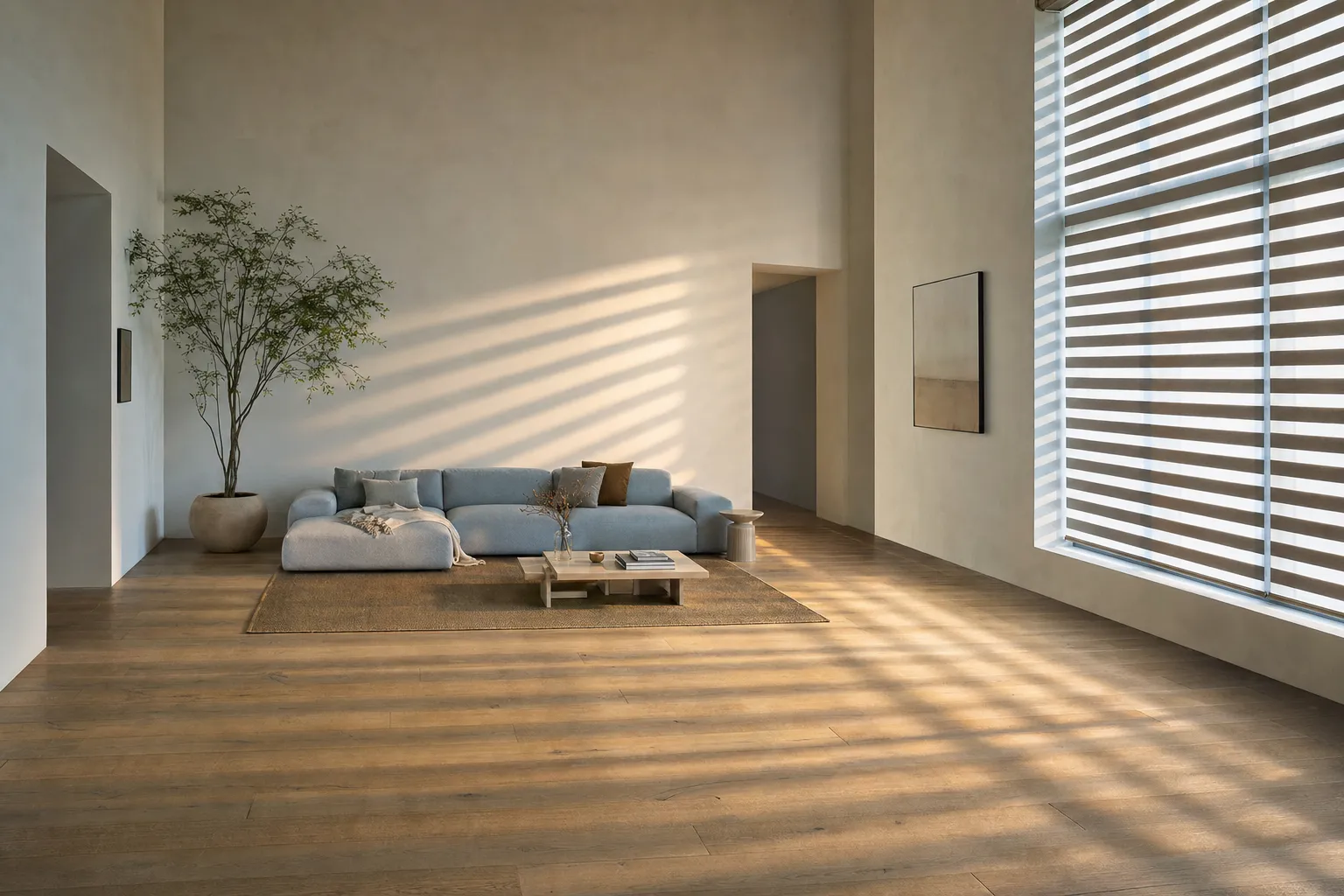
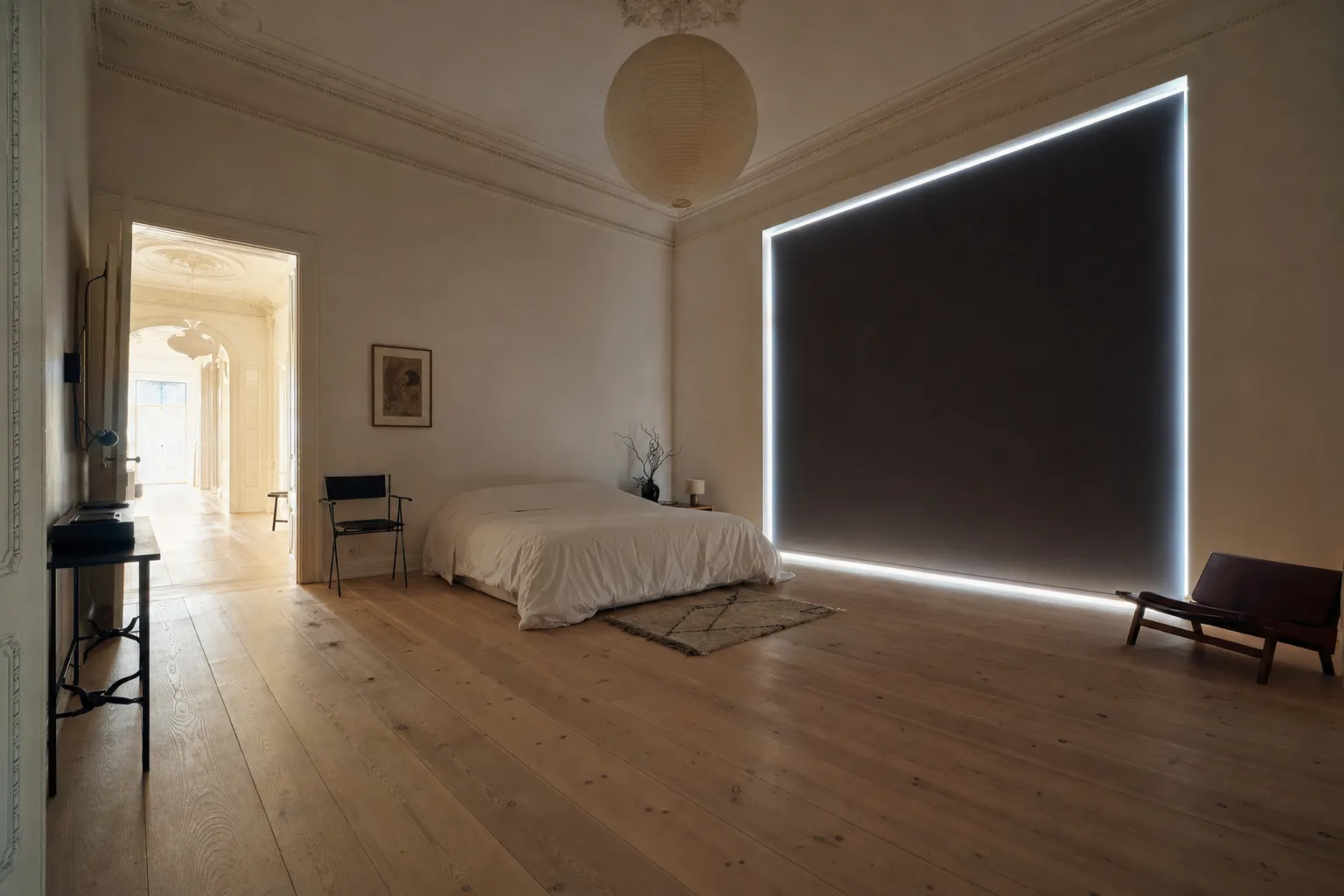
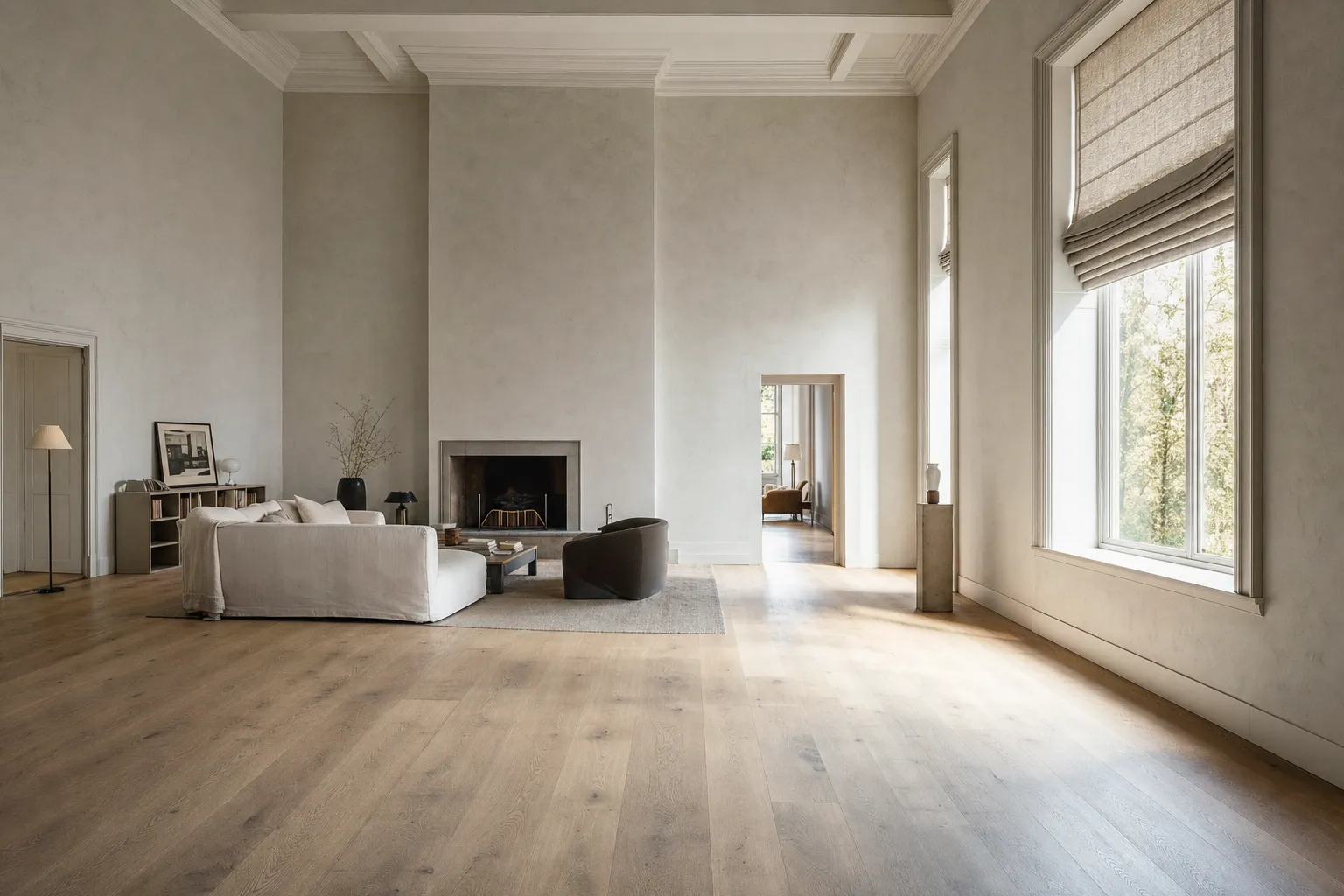
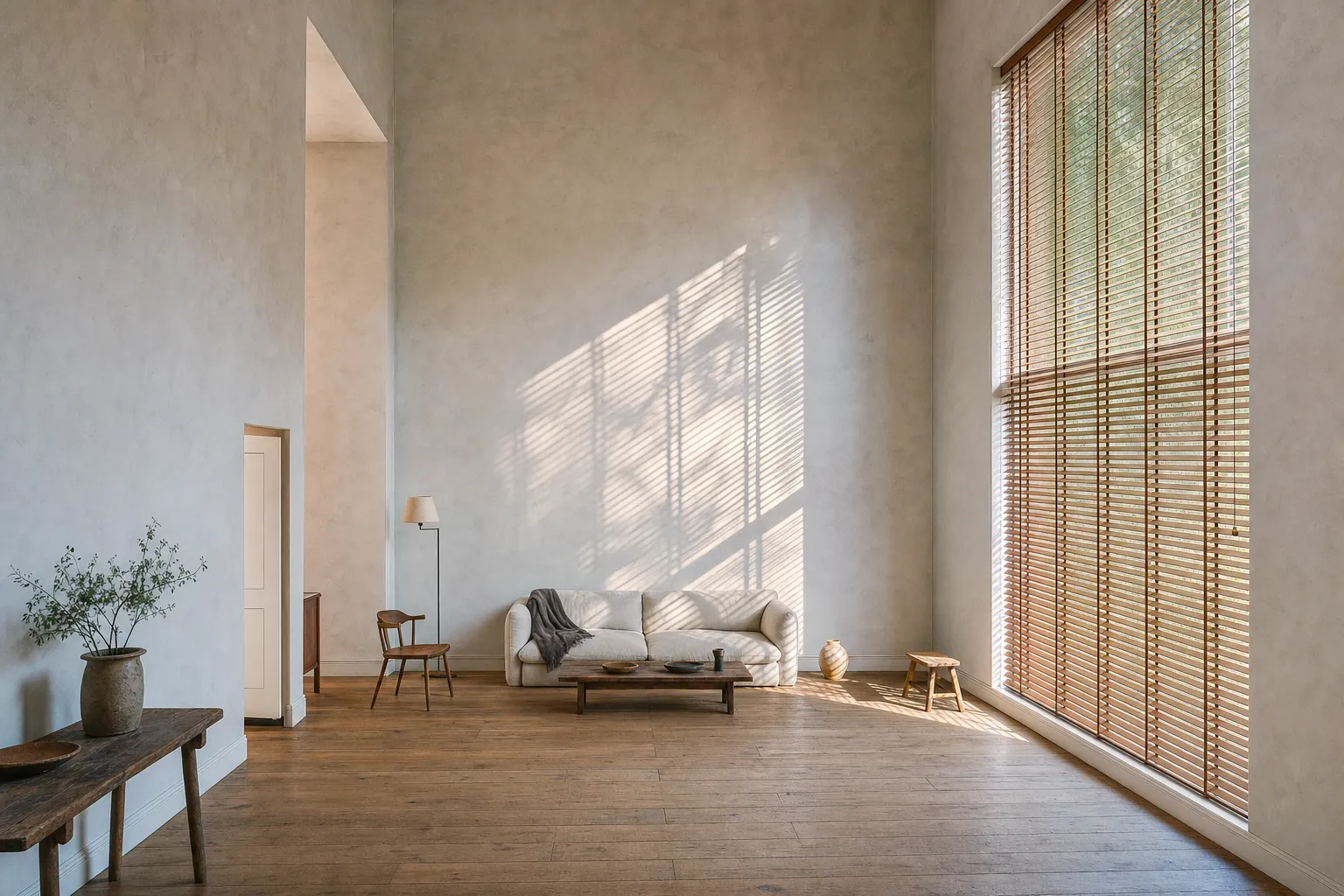
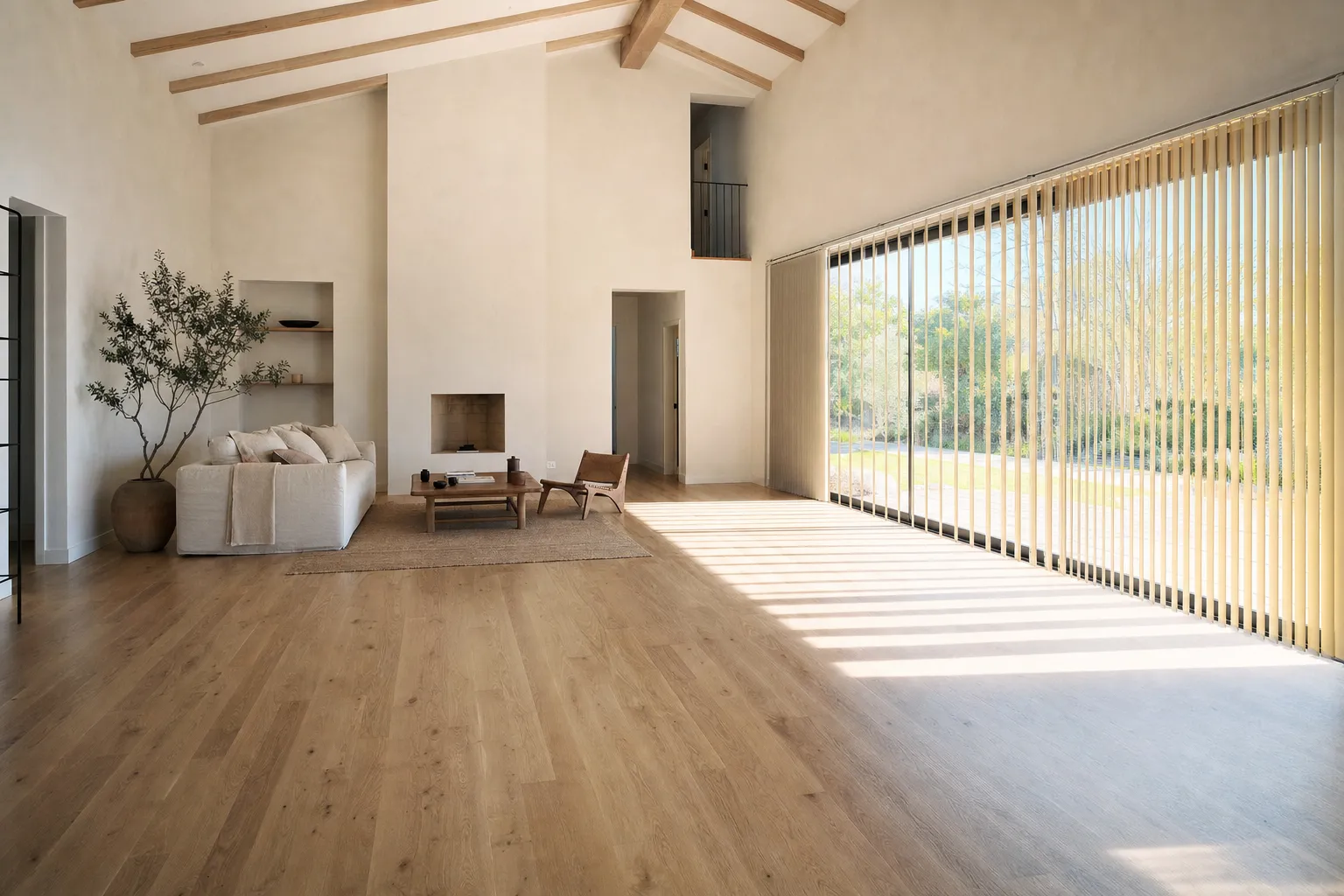
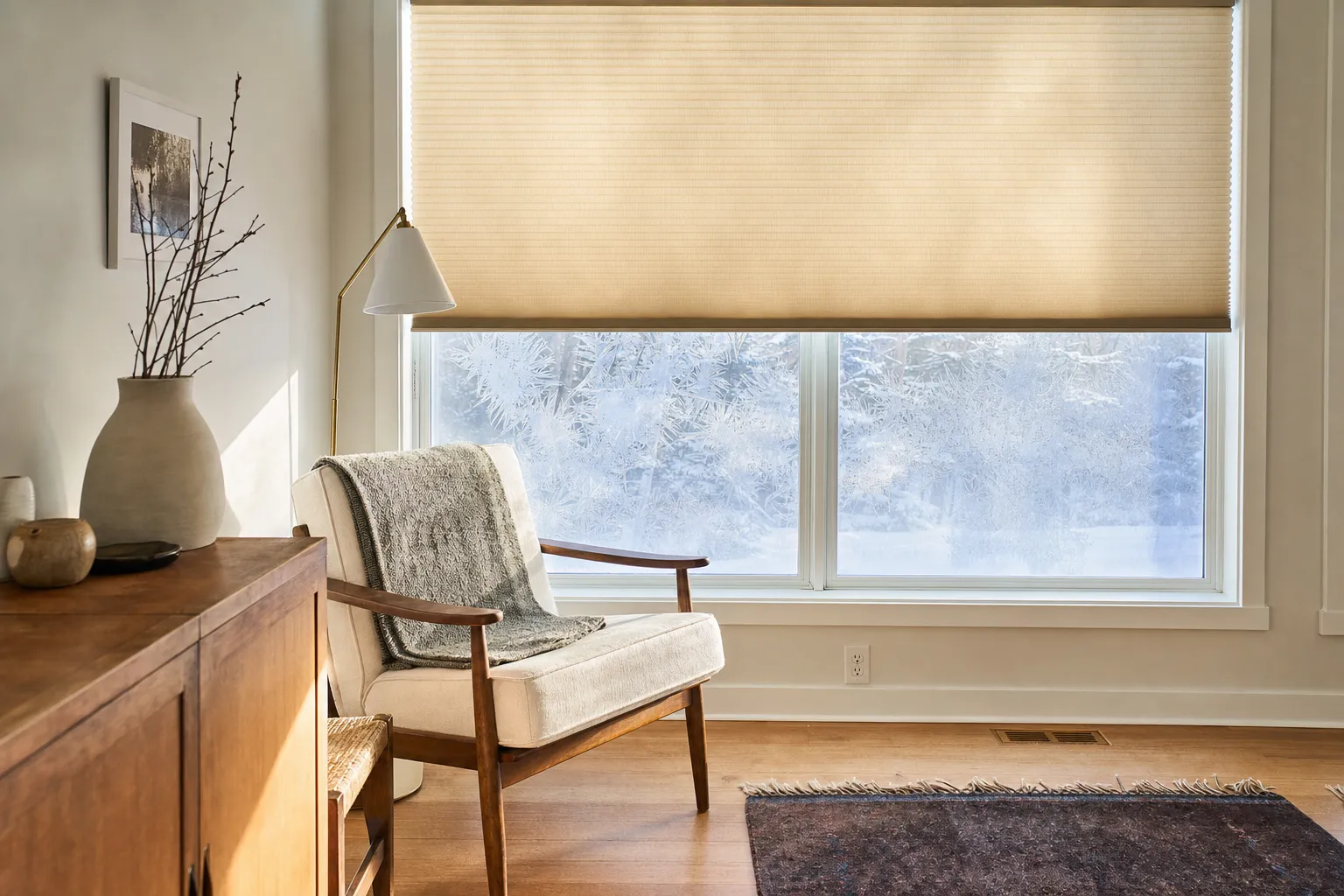
Twenty-five openings, one visit, one line per window. That is how it gets decided.
Our commitment
We wrote the spec for the whole house, so two rooms that do not match is on us.
If it does not fit, we remake it
You never held the tape.
Nothing owed before you agree
No deposit, no card.
Licensed and insured
Both, before we come in.
Your date, in writing
Set at the quote. It does not move.
We will tell you not to buy
If a stock size does it, you hear so.
Cordless where a child sleeps
Standard, at no extra charge.
Reviews on Google
What people said afterwards.
Rated 4.8 out of 5 — the ones below are quoted in full, with a link to check each on Google.
Highly recommend Nick and his team. They installed blinds in my house. Looks wonderful, cheers
Timur ShafikovNick has delivered the greatest service as I recently moved in to my new townhome and needed to have blinds for all three floor windows. Not only the price was the best, but he accommodated all my requests in the process. Definitely worth every penny
Anton Kovunov
Real names, real dates, and a link to all of them — including the ones we would not have picked.
Read them on GoogleQuestions
Before you book
Should the blinds match between the ground floor and the bedrooms?
In tone, yes; in performance, no. The two floors are seen at completely different times and almost never together, so a screen downstairs and a blackout upstairs in the same colour family reads as one decision. What does look wrong is a change of tone between floors, because the stairwell shows you both at once.
What happens if a fabric is discontinued before we finish the house?
It happens, and the protection is to do a whole room at a time — matching within a room is what the eye checks. Keep the quote as well: it names the cloth, the mount, the mechanism and the size for each opening, which turns a re-order eighteen months later into a phone call rather than a search.
Should every room in the house get the same roller fabric?
The same family, usually not the same cloth. A house reads as considered when the mount height, the roll direction and the tone are consistent, and it reads as a hotel when every room got the identical fabric regardless of what the room does. The practical rule we use: one tone for the whole house, and let the performance vary — screen in the living space, dim-out or blackout in the bedrooms, in the same colour family.
How many of the windows in a Brampton house actually need a roller?
All of them can take one; four or five of them justify a considered one. In a typical detached house here the west-facing living space, the bedrooms that face east, and whatever the kitchen looks out of are doing the work. The hallway, the landing and the powder room want something plain that matches, and that is a cheaper line on the same quote.
Can rollers cover the two-storey window at the front?
Yes, and on that window the mechanism matters more than the fabric. A bottom bar nine or ten feet up cannot be reached, so a spring blind is not operable there whatever the cloth is. Battery tube motors need no wiring and are what makes that window usable rather than permanently in one position.
What about the sliding door to the yard?
A roller can cover it, and it has one specific cost: to use the door you have to raise the whole blind. On a door used several times an evening that becomes a blind that lives rolled up. Where the door is used constantly, a vertical or a panel track is the honest answer and we will say so.
We are doing it in stages. Will the fabric still be available next year?
Usually, and it is worth planning as if it might not be. Ranges do get discontinued. Two things protect you: do a whole room at a time, because matching within a room is what the eye checks, and keep the quote — it names the cloth, the mount and the size for every opening, which turns a re-order into a phone call.
Are they cordless?
In any room a child uses, by default and at no extra charge. In a city with as many young families as this one that is most of the house, and it is why almost everything we fit here is spring or motor rather than chain.
Where we work
Roller blinds across the GTA.
The same crew measures and fits in every one of these. The visit is free wherever you are on this list.
- TorontoRoller blinds
- MississaugaRoller blinds
- BramptonYou are here
- EtobicokeToronto
- Richmond HillYork
- North YorkToronto
- VaughanRoller blinds
- MiltonHalton
- BurlingtonRoller blinds
- MarkhamYork
9 of these have a page of their own so far; the rest are covered by the same crew on the same terms, and their pages are being written. Not sure whether you are inside it? Call and ask — the answer takes ten seconds.
If you are looking at rollers for a whole Brampton house and cannot see where to start, that is the five-minute conversation we have most often.